
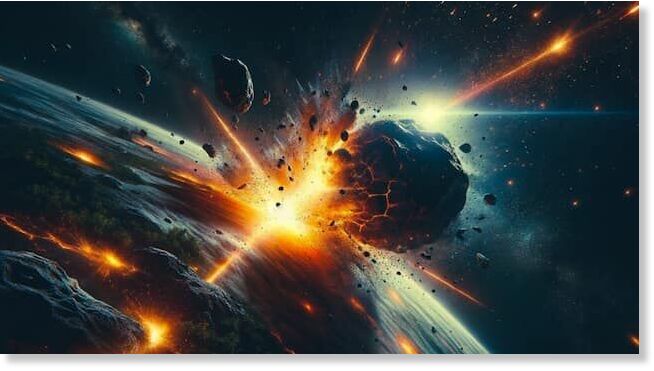
Representational image of asteroid.
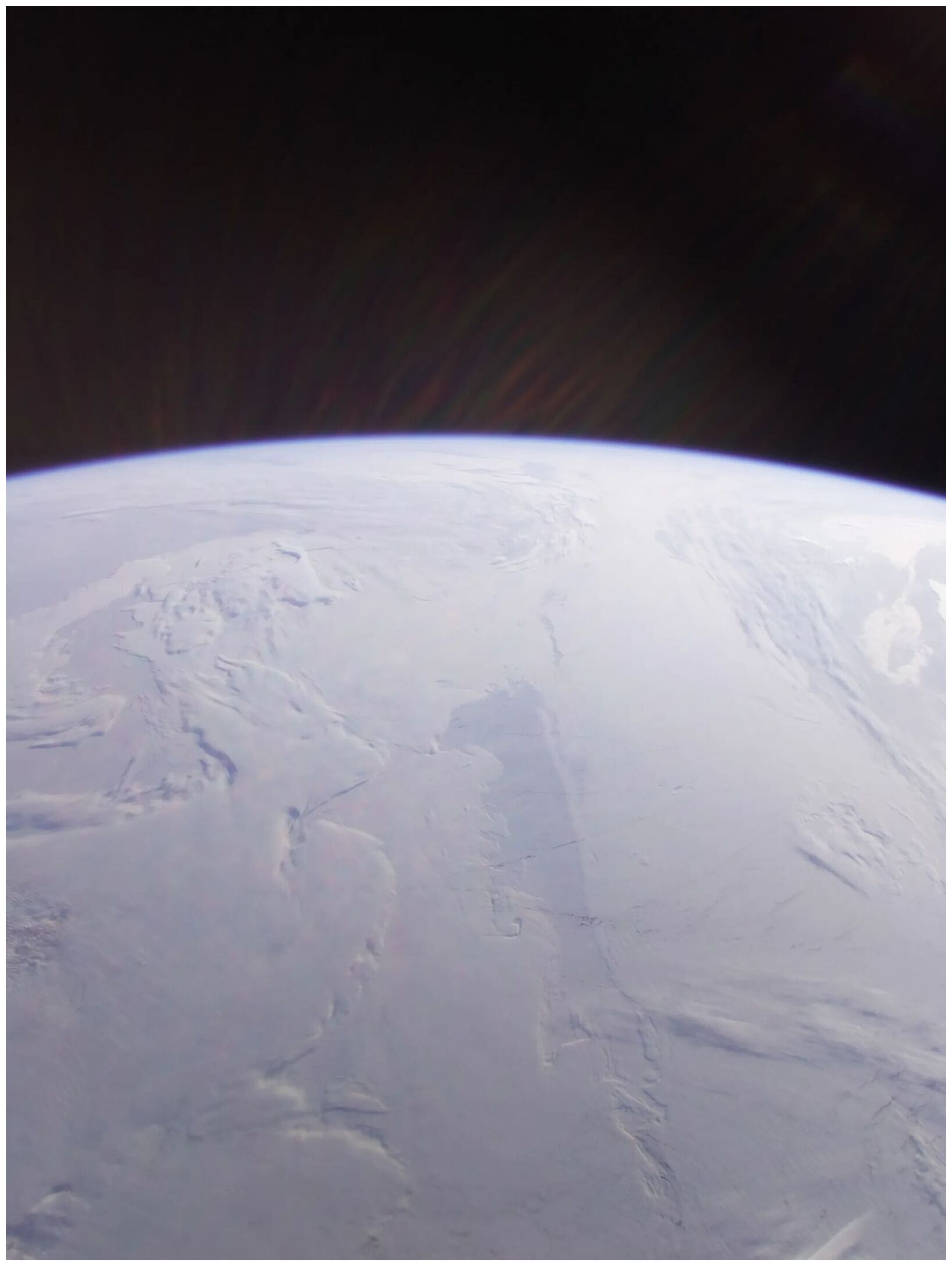
The astronomers spotted the asteroid just eight hours before it turned into a fireball above the Philippines.
Comment: Moment asteroid hits Earth's atmosphere like a ball of fire over the Philippines on September 5
However, asteroid 2024 RW1 - which crashed into the atmosphere of the Earth - was too small to cause any damage.
But its late detection and crash into the atmosphere of Earth reminded experts of the dangers which have been lurking in the solar system.
Here are six asteroids which carry the risk of crashing into Earth
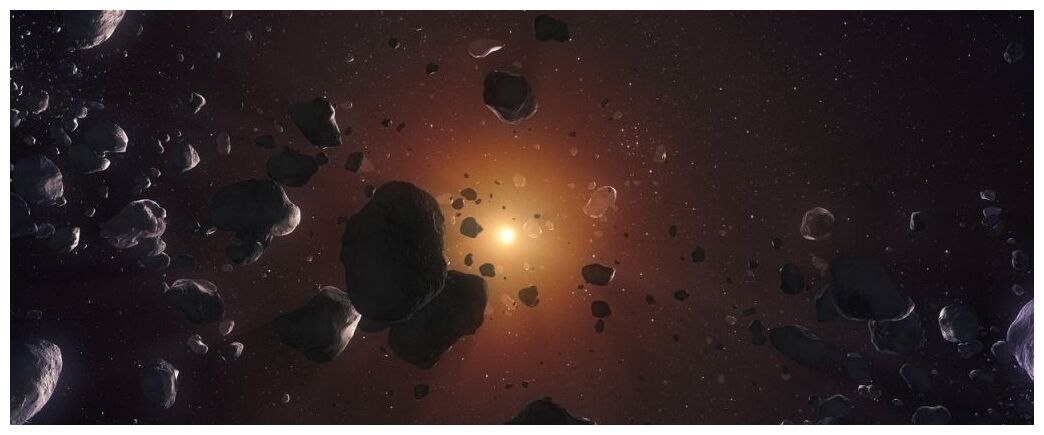
The experts have warned that from 'Valentine's Day asteroid' to other space rocks, six asteroids stand a chance of smashing into the Earth. These asteroids are:












Comment: Considering how many significant discoveries are still being made about the human body, and the profound impact these are having on our health, this seems notable:
- Rete ovarii: Ovary appendage dismissed as functionless may act as organ's 'tongue'
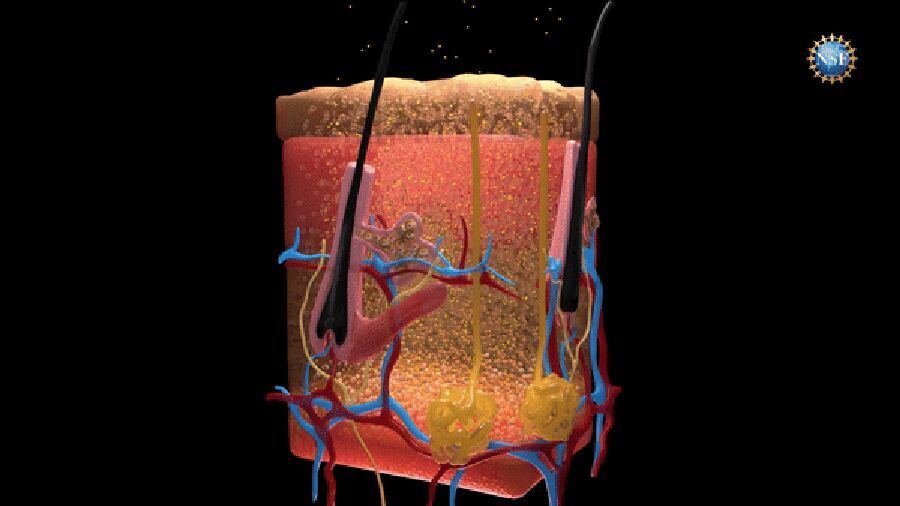
- Newly discovered organ that senses pain may be lurking under your skin
- The Interstitium: Scientists discover new organ that spans throughout the human body
- A brand-new human organ has been classified
- Fascia: The cobweb of your body
The following documentary detailing the real time study of fascia, made possible by technological advances of the time, perhaps gives an idea of the discovery's possible implications: