

© Istock.com/NYCShooterOur bodies need sodium to survive and function. The good-salt taste detects moderate levels of sodium and signals the brain that this is desirable. The second, bad-salt taste, which detects potentially harmful salt levels, works differently — perhaps by detecting sodium's molecular partner, chloride.
We've all heard of the five tastes our tongues can detect — sweet, sour, bitter, savory-umami and salty. But the real number is actually six, because we have two separate salt-taste systems. One of them detects the attractive, relatively low levels of salt that make potato chips taste delicious. The other one registers high levels of salt — enough to make overly salted food offensive and deter overconsumption.
Exactly how our taste buds sense the two kinds of saltiness is a mystery that's taken some 40 years of scientific inquiry to unravel, and researchers haven't solved all the details yet. In fact, the more they look at salt sensation, the weirder it gets.
Many other details of taste have been worked out over the past 25 years. For sweet, bitter and umami, it's known that molecular receptors on certain taste bud cells recognize the food molecules and, when activated, kick off a series of events that ultimately sends signals to the brain.







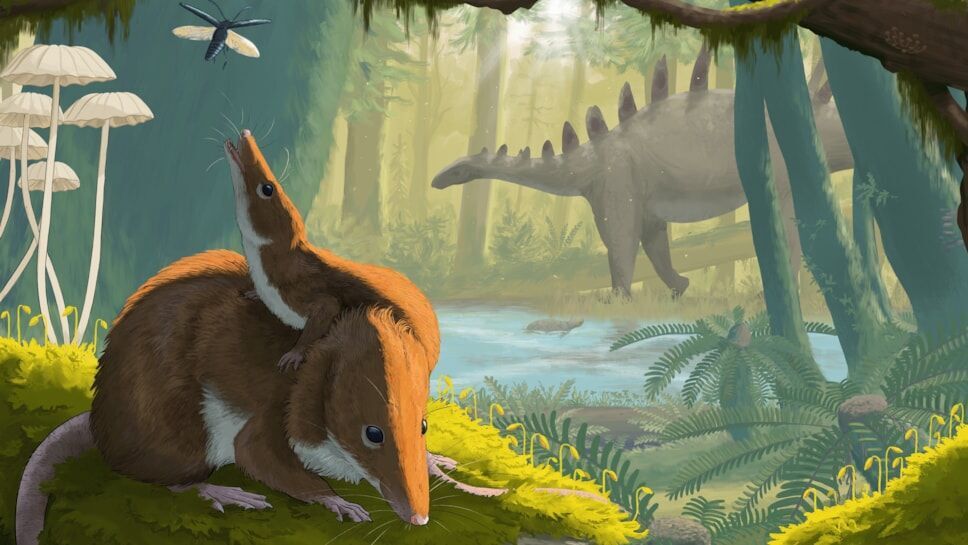







Comment: Since there's evidence showing that environmental conditions for humans has also been significantly different in our distant past, and that it seems to have had an impact on their physiology, one wonders whether something similar to what occurred with mammals in the Jurassic may have also been true of humans? Extinction and evolution: Extreme solar blasts coupled with Earth's weakening magnetic field could have dramatic impact on life
Interestingly, myth and legend speak of humans living for at least a few hundred years, as well as some of them exhibiting other rather fantastical traits, such as the giants, and so on:
- The Golden Age, Psychopathy and the Sixth Extinction
- Volcanoes, Earthquakes And The 3,600 Year Comet Cycle
- Ancient human evolution is 'unparalleled and almost opposite' to other species in nature, new study reveals
- We still don't know why the reign of the dinosaurs ended
- Evolution - A Modern Fairy Tale
- Why Darwinism Is Wrong, Dead Wrong - Part 1: Intelligent Design and Information
- Viruses from space & evolution: Dr. Wickramasinghe explains it all in new video
- Despite lack of genetic diversity narwhals still thrive
Also check out SOTT radio's: