
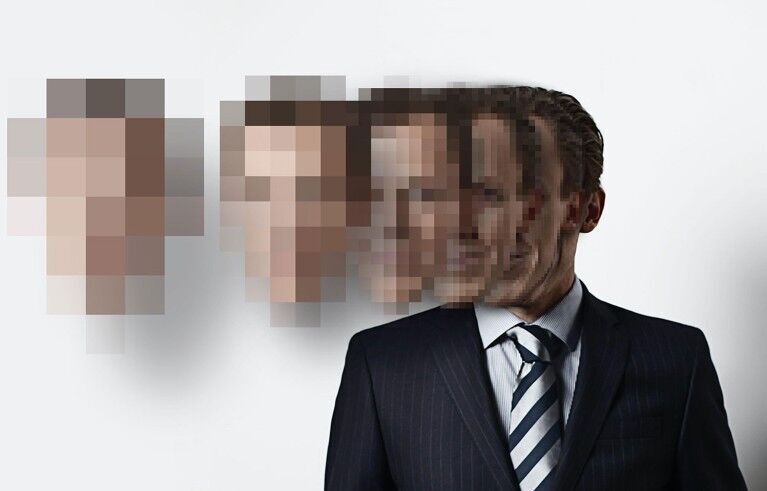
© Stu Gray/AlamyDeepfake images and videos can be used to spread misinformation.
Researchers are turning to techniques from astronomy to help spot computer-generated 'deepfake' images — which can look identical to genuine photographs at first glance.
By analysing images of faces using methods that are usually used to survey distant galaxies, astronomers can measure how a person's eyes reflect light, which can reveal telltale signs of image manipulation.
"It's not a silver bullet, because we do have false positives and false negatives," says Kevin Pimbblet, director of the Centre of Excellence for Data Science, Artificial Intelligence and Modelling at the University of Hull, UK, who presented the research at the UK Royal Astronomical Society's National Astronomy Meeting on 15 July. "But this research provides a potential method, an important way forward, perhaps to add to the battery of tests that one can apply to try to figure out if an image is real or fake."













Comment: The humble fungi family seems to have many good uses beside their medicinal value.