Experts were initially unsure what caused the freak geomagnetic event.
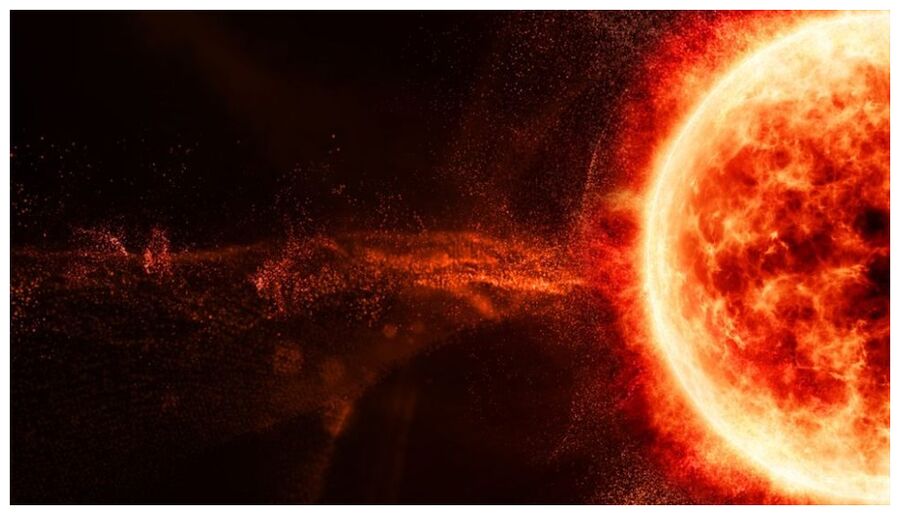
© ShutterstockSome satellites are dropping over two kilometres per year, and smaller crafts are at a greater risk
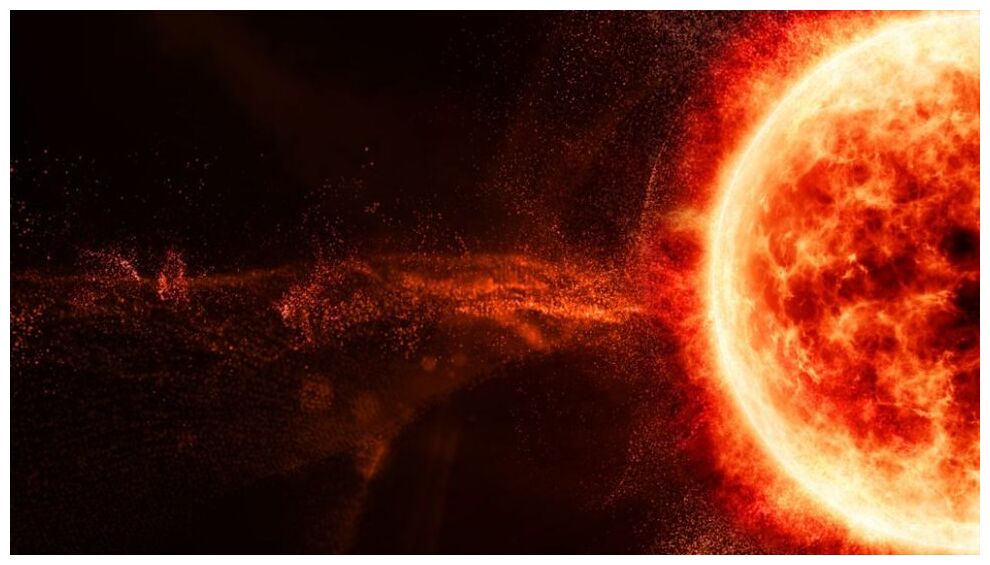
Scientists were recently left scratching their heads after a "potentially disruptive"
solar storm smashed into Earth without warning.The surprise solar storm hit
Earth just before midnight UTC June 25 and continued throughout most of June 26, according to
Spaceweather.com. Scientists classified it as a G1-class storm, which means it was strong enough to create weak power grid fluctuations, cause minor impacts to satellite operation, disrupt the navigational abilities of some migrating animals, and cause unusually strong
auroras.
The unexpected solar storm coincided with the peak of an
extremely rare five-planet alignment, where
Mercury,
Venus, Mars,
Jupiter and
Saturn lined up in the sky in order of their proximity to the
sun (which hasn't happened since 1864). Amateur astronomers in the northern hemisphere were able to capture images of the surprise auroras as they photobombed the neatly aligned planets.
Photographer Harlan Thomas captured an
image of bright auroras in Calgary, Canada, which flashed across the dawn sky in front of the planetary alignment on June 26.
"Wow, talk about surprises," Thomas told Spaceweather.com. "The aurora became [visible to the] naked eye with beautiful pillars," and lasted for around 5 minutes, Thomas said.















Comment: See also: