
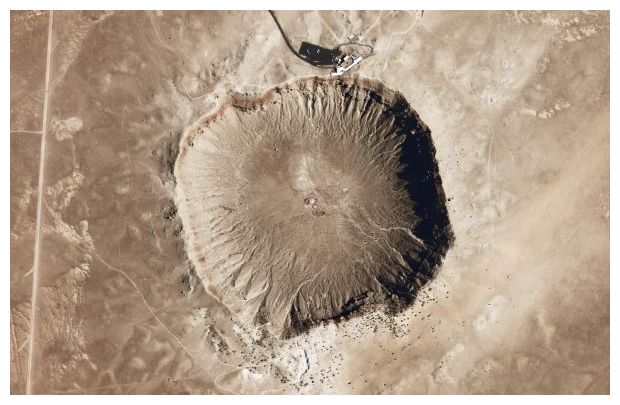
© National Map Seamless Server/USGSMeteor Crater in Arizona, formed by a meteorite impact 50,000 years ago, contains bits of a hard, compressed form of silica called stishovite. Researchers precisely measured the rapid transformation of a fused silica glass into stishovite using SLAC's X-ray laser, the Linac Coherent Light Source.
You can scoop up bits of stishovite at the scene of meteorite impacts, such as a 50,000-year-old meteor crater in Arizona that measures about 3/4-mile across and about 570 feet deep. A similar form also exists naturally at the extreme pressures of the Earth's mantle, hundreds of miles below ground.
The Speed of Stishovite
In the experiment at SLAC, researchers used lasers to create a shock wave in samples of silica glass. The heat and compression of this shock wave caused tiny crystals, or "grains," of stishovite to grow within just a few nanoseconds, or billionths of a second. This speed defies predictions that the changes take tens or even hundreds of times longer.
"The beauty here is that the quality of the data enabled us to make a measurement that gives us entirely new insight into the mechanism for this transformation," said Arianna Gleason, who led the experiment at SLAC's Linac Coherent Light Source (LCLS) X-ray laser, a DOE Office of Science User Facility. The work was published in the Sept. 4 issue of Nature Communications.
"Figuring out how atoms rearrange themselves in this material is important, and to our great surprise, what we expected to be a slower process is really rapid," said Gleason, who was a postdoctoral researcher at SLAC and Stanford University at the time of the 2012 experiment and is now a postdoctoral fellow at Los Alamos National Laboratory. "That was not known before. LCLS gave us access to this ultrashort timescale combined with the capability to generate a shockwave, which is unique."



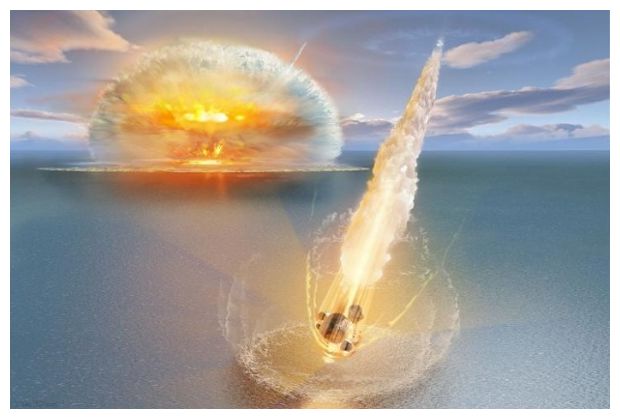
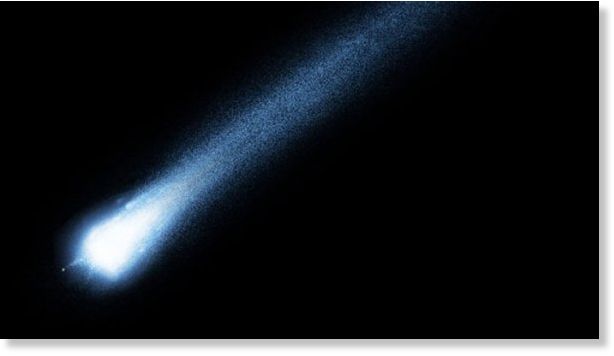
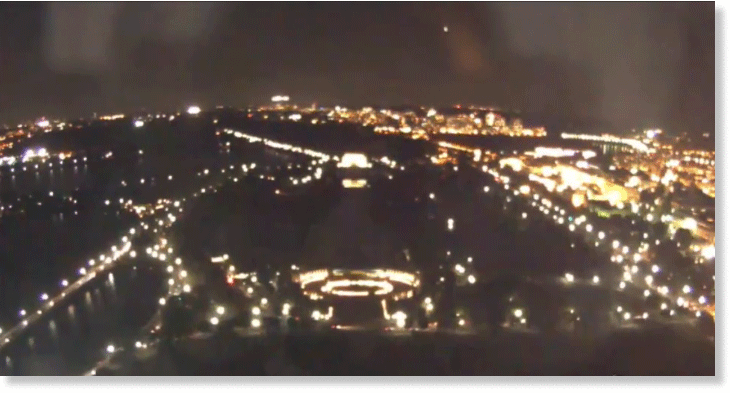
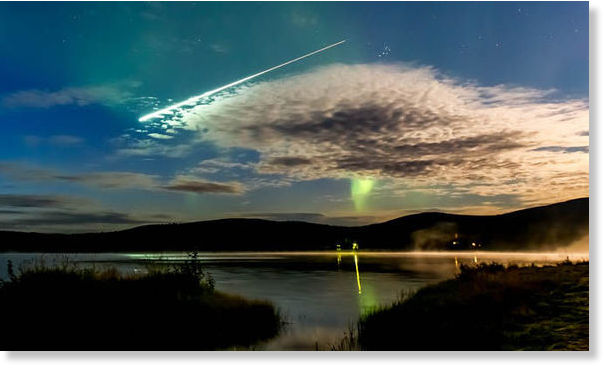

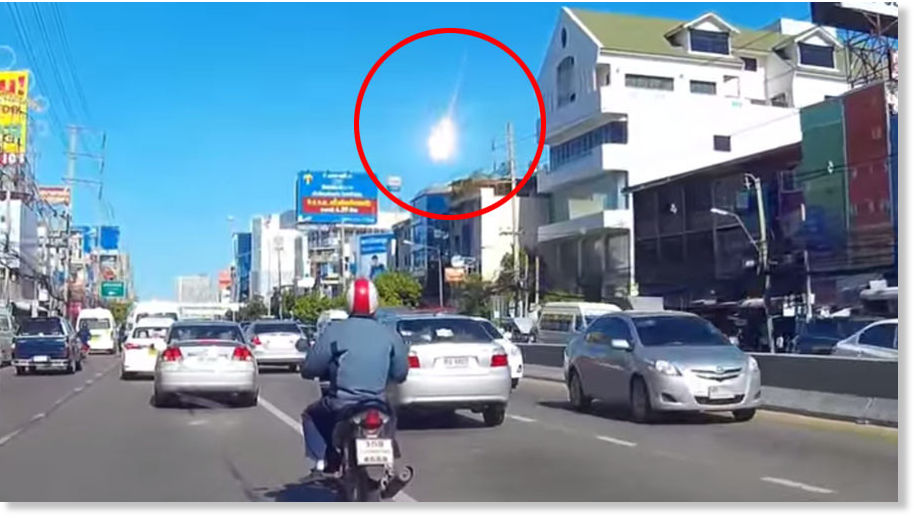

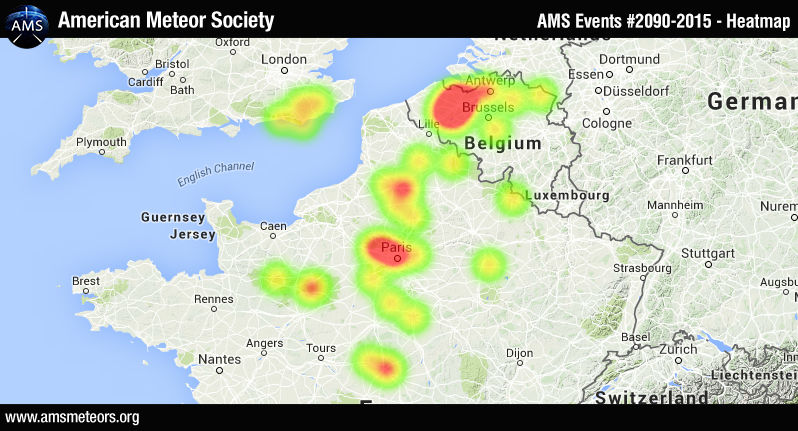
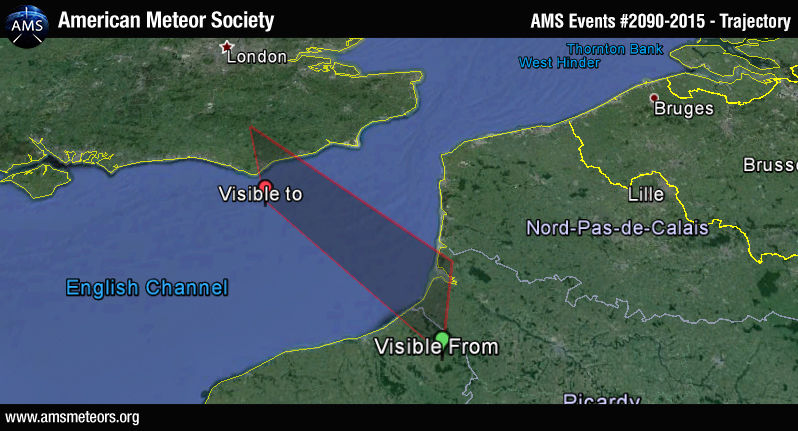

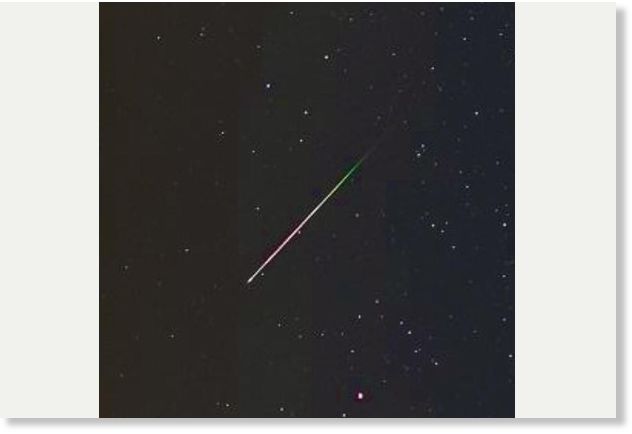


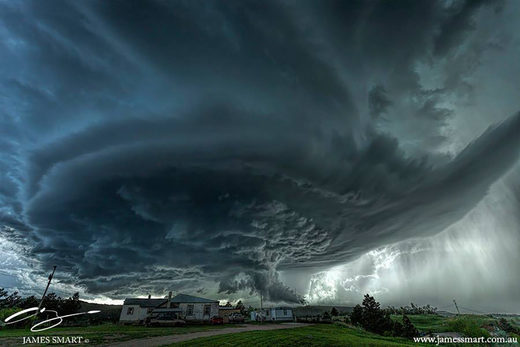
Comment: Such loud booms with no identifiable source could in all likelihood be overhead explosions caused by meteor fireballs, or other seismic interactions brought about from our changing cosmic climate. See also:
Sott Exclusive: Meteor fireball explodes over eastern Turkey, sending shower of meteorites to the ground