Storms
Starting on July 3 and lasting several days, a cold front dumped up to 80 centimeters of snow (32 inches) on the driest desert in the world, reported BBC News.
The images above show the largest snowfall the region has witnessed in a half-century. The top image provides a photo-like, natural color view of the snow. A few clouds hang over the white desert, marring the view slightly. The lower image, which includes both visible and infrared light, helps distinguish between snow and clouds. Snow is dark red, while clouds are lighter shades of orange and white.

A cold snap that brought fog and snow to the capital La Paz at the start of this month killed at least 35 people
President Evo Morales was reported to be considering declaring a state of emergency in the region of Potosi to mobilise the army and national guard.
Some 7,000 people belonging to farming families are in need of help in the region, according to officials.
More than 40,000 llamas and alpacas are also without food and farmers have lost their crops under a thick blanket of snow.
The snow has hit the remote highlands of Potosi, which lies in the south-west of the country and generally remains dry.
Emergency services in Sundsvall are now putting all their efforts into draining the infrastructure. Head of local emergency services, Mats Granat, is counting on being busy all night - if the weather clears.
"If the rains continue we'll be working much longer," he told news agency TT.
So far the water level hasn't risen enough to pose a threat to the general public, according to Granat.
"People are just kind of dumbstruck," resident Sharon Walker said. "We have had washouts of roads. Some people have got 10 to 14 inches of water in their basements ... we've never seen anything like it."
Signs of flooding were everywhere Tuesday. Belongings from water-filled basements were out on lawns and there was a sinkhole on the side of a busy road.
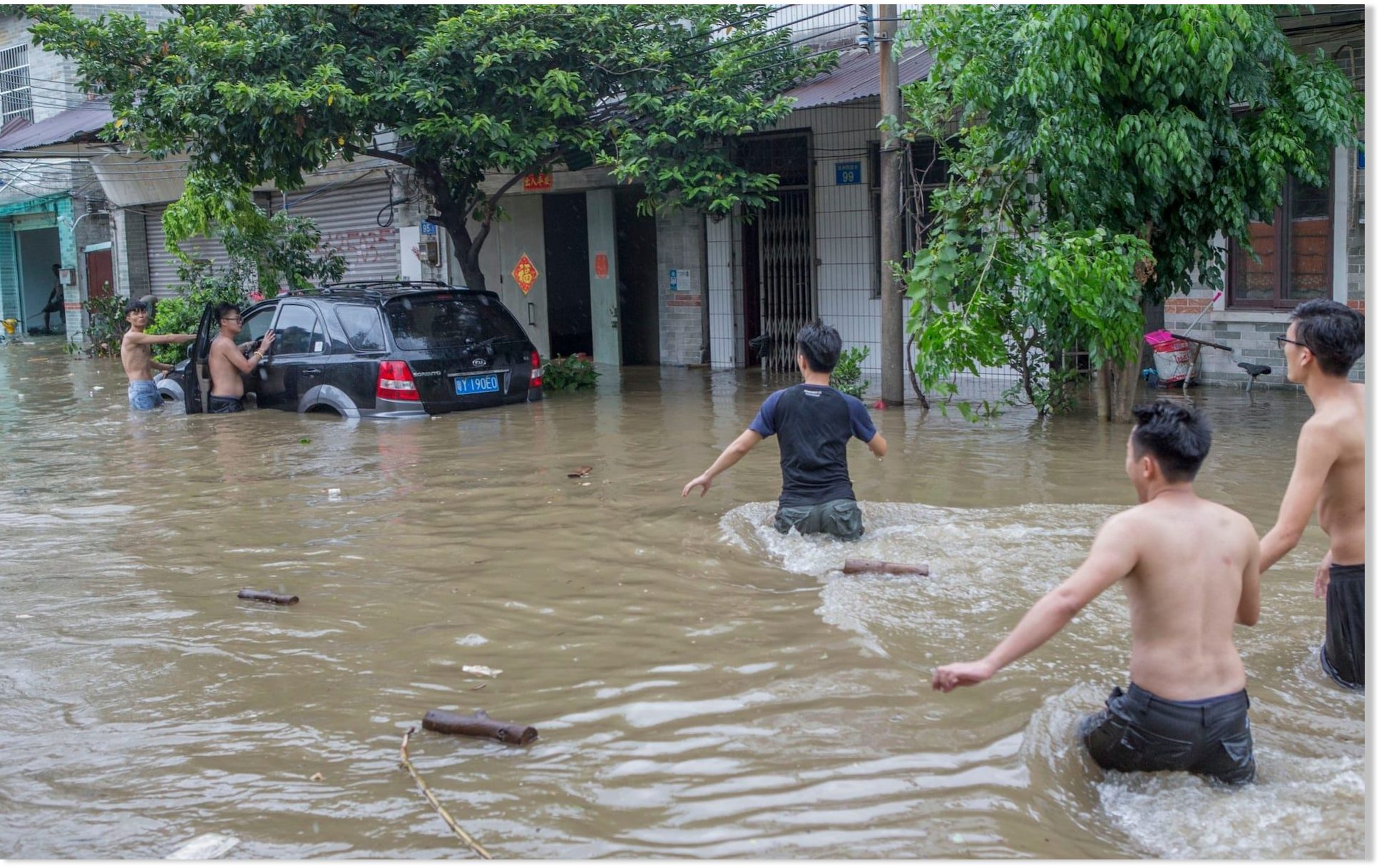
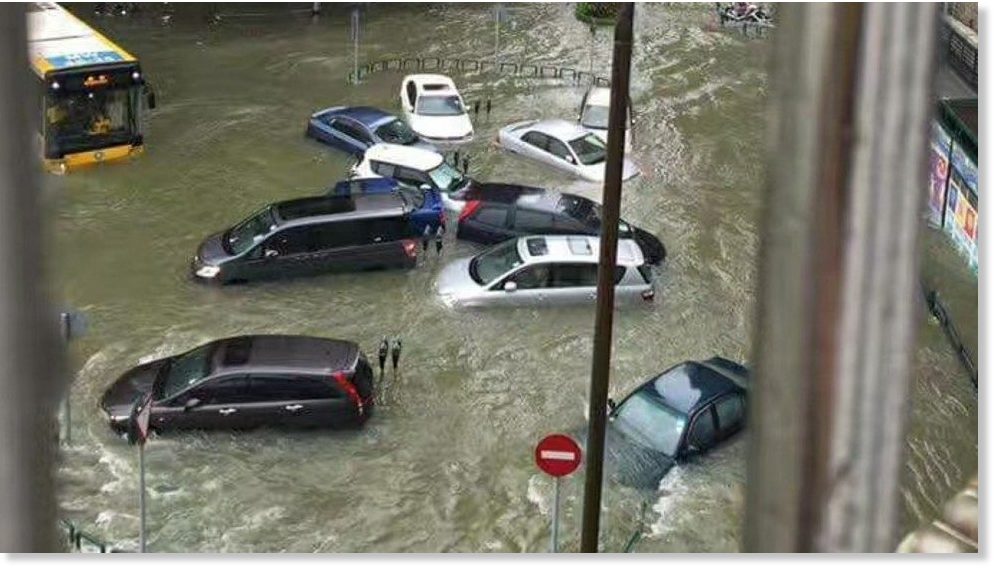
There were numerous reports of cars stalled in high water, with people on the roofs of their cars, requiring rescue.
The monsoon moisture moved from the southwest to northeast across the metro area, pounding the downtown area starting just after 9 p.m.
MetService is forecasting more heavy snow to nearly sea level in South Westland and Fiordland.
Snowfalls will affect all the main alpine passes and some roads in Southland and Otago.
Motorists are being advised to take extra care and check road conditions before travelling.
Heavy rain is also forecast for the Tararua Ranges today with 100 to 140 millimetres expected.
Warnings for severe gales in parts of Gisborne, Hawke's Bay and Wairarapa have been lifted.

ComEd workers repaired downed lines in the alley behind Ozark Avenue near Montrose Avenue in Norridge.
A record 868,000 homes and businesses were left without power by the storms that ripped through the area at 75 mph--the highest number of outages in 13 years. But by 6 a.m. that had been reduced to 369,200.
The majority were in the northern suburbs, where 207,300 were still in the dark and without air conditioning. About 71,000 were west of the city, 60,000 in Chicago and Maywood and 30,000 in the south suburbs.
In total, power had been restored to 502,600 customers, said ComEd spokeswoman Tony Hernandez.
The last time a storm left a comparable number of customers without power was in 1998, when 865,000 customers lost power in one storm.
ComEd spokesperson Tony Hernandez told WGN radio's John Williams Monday afternoon that "this is going to be one for the record books."

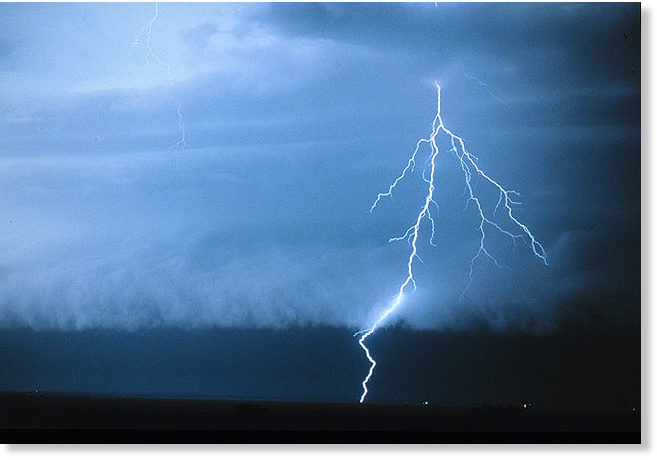
20 of Wesley and Sammy Anderson’s Angus cows were killed by lightning on Wednesday afternoon
The cows congregated underneath a tree when the storm rolled in, and were killed when lightning struck and traveled through the group.
"We're fourth generation farmers, and my dad and I don't ever remember seeing anything like this," said Sammy. "I've heard of cows being hit standing in ponds, but not this many - and I've never seen it myself."
Sammy said that it's normal for cows to congregate under trees during storms.
Witnesses have been reporting cars floating in deep rivers running down roads in Morningside, Colinton and Oxgangs.
One resident in Balcarres Street said her ground-floor-flat had been ruined following the flash flood at 1440 BST.
Emergency council teams have been deployed in a bid to help firefighters deal with the "huge volumes of water".
A resident in Balcarres Street added that the fish in her pond in her front garden had been washed away in the flood water.
A 31-year-old witness said: "I have never seen anything like it. There was such a huge volume of water in Balcarres Street that buses were trying to plough through it and the wake was causing the cars at the side of the road to crash into each other.
"There is also a car showroom in the street, which has been flooded."
But they also brought potential peril from flash floods, wind bursts and lightning, with possible flooding made worse by the ground-clearing fires.
"It's such a Catch-22 with the rains," said Arlene Perea, a fire information officer. "The rains are welcome, but we know there are some problems with it."
The National Weather Service on Monday put out a flash-flood watch for the fire area through at least Wednesday. Forecasters said showers and thunderstorms were expected, with hail, lightning and winds up to 45 miles per hour.