Animals
S


Attention

Thousands of Dolphins Dying in Gulf Waters

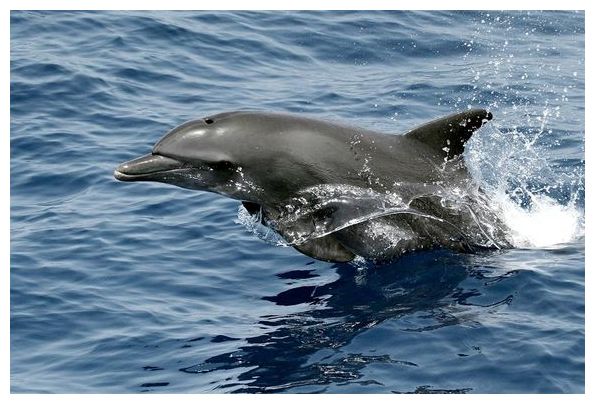
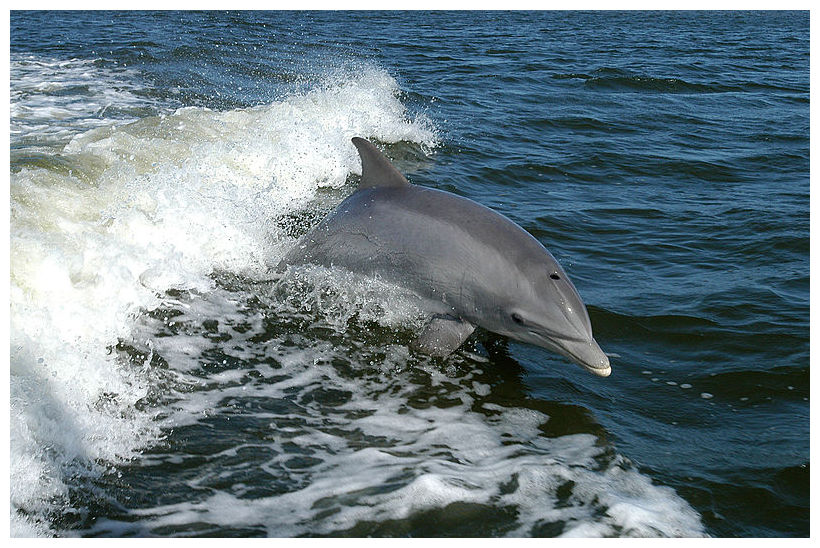
Bottlenose dolphin
© NASA, Wikimedia CommonsBottlenose dolphin (Tursiops truncatus) A dolphin surfs the wake of a research boat on the Banana River near the Kennedy Space Center.

The dolphins in the Gulf of Mexico are in the midst of a massive die-off. The reasons why remain a complicated and mysterious mix of oil, bacteria, and the unknown.

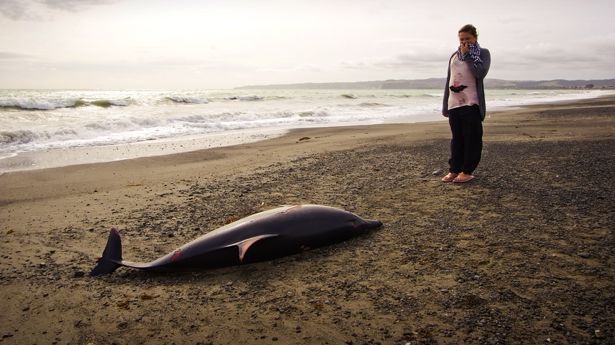
Normally an average of 74 dolphins are stranded on the northern shore of the Gulf of Mexico each year, especially during the spring birthing season. But between February 2010 and April 1, 2012, 714 dolphins and other cetaceans have been reported as washed up on the coast from the Louisiana/Texas border through Franklin County, Florida, reported the National Oceanic and Atmospheric Administration (NOAA). 95 percent of the mammals were dead.

Since many of the dead dolphins sink, decompose or are eaten by scavengers before washing up, NOAA biologists believe that 714 represents only a fraction of the actual death count. NOAA declared the die-off an "Unusual Mortality Event" as per the Marine Mammal Protection Act of 1972.

Although the timing of die-off largely coincides with BP's Deepwater Horizon oil spill and its aftermath, the deaths actually started increasing about two months before the April 20, 2010 explosion which started the months long oil spill.

Before the spill, 112 dolphins had already been reported stranded on the shore.

Bizarro Earth

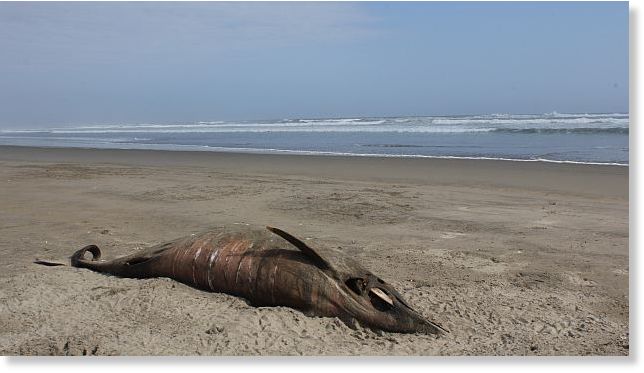
3,000 Dolphins Found Dead on Peruvian Beaches due to Oil Companies Acoustic Impact

dead dolphin
© Fabiola Valle

Lima, Peru - So far in 2011, some 3,000 dead dolphins have washed up on the beaches in the northern Peruvian region of Lambayaque, supposedly having died from the effects of petroleum exploitation in the area, the daily Peru21 reported Sunday.

According to the science director for the Scientific Organization for Conservation of Aquatic Animals, or ORCA, Carlos Yaipen, the deaths of the oceanic mammals was due to a "marine bubble," an acoustic pocket that forms as a result of using equipment to explore for petroleum below the seabed.

"The oil companies use different frequencies of acoustic waves and the effects produced by these bubbles are not plainly visible, but they generate effects later in the animals. That can cause death by acoustic impact, not only in dolphins, but also in marine seals and whales," Yaipen told the daily.

Heart - Black

Gulf's Dolphins Pay Heavy Price for Deepwater Oil Spill

dead dolphin
© shutterstock
A new study of dolphins living close to the site of North America's worst ever oil spill - the BP Deepwater Horizon catastrophe two years ago - has established serious health problems afflicting the marine mammals.

The report, commissioned by the National Oceanic and Atmospheric Administration [NOAA], found that many of the 32 dolphins studied were underweight, anaemic and suffering from lung and liver disease, while nearly half had low levels of a hormone that helps the mammals deal with stress as well as regulating their metabolism and immune systems.

More than 200m gallons of crude oil flowed from the well after a series of explosions on 20 April 2010, which killed 11 workers. The spill contaminated the Gulf of Mexico and its coastline in what President Barack Obama called America's worst environmental disaster.

The research follows the publication of several scientific studies into insect populations on the nearby Gulf coastline and into the health of deepwater coral populations, which all suggest that the environmental impact of the five-month long spill may have been far worse than previously appreciated.

Another study confirmed that zooplankton - the microscopic organisms at the bottom of the ocean food chain - had also been contaminated with oil. Indeed, photographs issued last month of wetland coastal areas show continued contamination, with some areas still devoid of vegetation.

Life Preserver

Bear Saves Man From Mountain Lion: Robert Biggs Says Bear 'Knew Who I Was'

Robert Biggs, 69 of Paradise, Calif., had a pretty wild encounter when he went out for a hike on Monday. Hiking near Whiskey Flats, Biggs stopped to watch a mother bear and her cub by a stream, but was jumped from behind by another animal when he turned to leave.

The California man wasn't attacked by a bear, but a mountain lion. Biggs said that the mountain lion jumped on his back, forcing him to fall to his knees. "He grabbed me from behind and knocked me to the ground," Biggs told the Huffington Post. "I was on my knees. I had my rock pick out because I was on a steep incline, and I smashed the cat in the head with it. He screamed , but didn't let go."

Fortunately for Biggs, the mother bear was only 40 feet away to help him. "That's when a blur on my left side grabbed the lion by its throat," said Biggs of the mother bear. "I heard tremendous screeching, some growling noises."

No Entry

Western Australia Beaches Closed After Fatal Shark Attack


Western Australian authorities have spotted a shark in the same area where 33-year-old Peter Kurmann was attacked and killed.

Police say Mr Kurmann, from the town of Vasse, near Busselton, had anchored his boat about 1.7 kilometres off Stratham Beach and was diving for crayfish with his brother when he was attacked just after 9:00am (AWST).

The shark is believed to be a four-metre great white, and a patrol plane has spotted a similar sized shark south of the attack site, about 600 metres offshore.

Tony Cappelluti from the Department of Fisheries says a boat has gone to the area.

"We will attempt to take it. Whether we destroy it is an issue that'll be decided at the time by the relevant people able to give that order," he said.

Mr Kurmann's body was brought to shore two hours after the attack, along with the boat he and his brother had been using.

Bizarro Earth

Ten more dolphins stranded on the Cape; annual total rises to more than 200

stranded,dolphin
© Cape Cod Times/Steve HeaslipRescue workers on Lieutenant Island in Wellfleet this afternoon, where six dolphins have stranded. At least two have died. Ten other dolphins stranded in an area further north in Wellfleet today. Two of those were rescued and may be released later in Provincetown.

At least 10 more dolphins stranded themselves on the beaches of Cape Cod this week, a Cape-based animal welfare group said. The strandings raised the annual total to more than 200 in just three months, an unusually high number that has left scientists scrambling to find a cause.

"This week we had 10 common dolphins strand in various locations including Brewster, Wellfleet, and Orleans," Michael Booth, spokesman for the International Fund for Animal Welfare, said. "We had four strand on Monday - one in Wellfleet and three in Brewster."

Six more dolphins stranded Tuesday -- two in Wellfleet, three in Brewster, and one in Orleans, Booth said.

Info

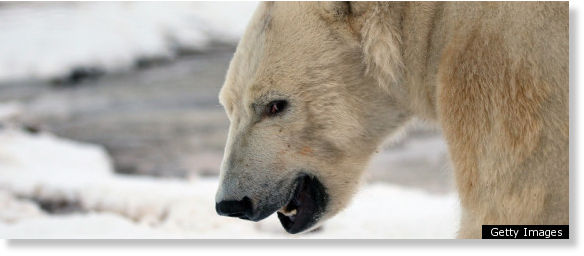
Polar Bear Shot Dead in Newfoundland After House Break-in and Livestock Attack

polar bear
© Getty Images
Canada: Goose Grove, Newfoundland and Labrador - Fifty-five-year-old Louis Reardon got the shock of his life early Thursday when he leapt out of bed to his son's cries of "Polar bear!" as a large male bear broke into their home in northern Newfoundland.

"He had the door busted open to the dining room with his two front paws and his head in through the door," Reardon said from tiny Goose Cove, just south of St. Anthony, N.L.

"I mean, it frightened the wits right clean out of me, to be that close to a polar bear."

Reardon's son Damien, 29, had heard a ruckus and flicked on the light to discover the animal. Polar bears are notoriously aggressive when cornered, and Damien slammed on a table trying to frighten the intruder as his father raced for a shotgun.

"A polar bear doesn't usually back down," Louis Reardon said. "If he came in the house, God knows what he would have done before he went out."

His other son, his daughter, her three young children and her boyfriend had all been sleeping when the commotion started just after 4 a.m.

Blackbox

Marine Monster mystery on South Carolina Beach

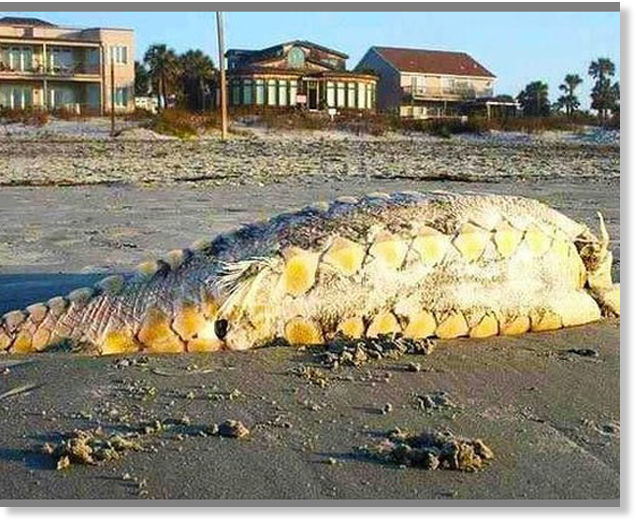
A bizarre creature that washed ashore last week in Folly Beach, S.C., sparked speculation in the area and on the Internet that a dead sea monster might have been discovered. The tan-brown animal with greenish patches was strange enough, but what really baffled beachgoers was its massive size and the dinosaur-like bony plates on its sides. It's not clear just how long it was, but photos suggest it exceeded 10 feet.
Image
© Facebook
Like many washed-up carcasses it carried both a salty stench and an air of mystery. Speculation ran rampant, with commenters suggesting that the creature was everything from a dinosaurian sea monster to a toxin-spawned mutation to a chupacabra.

Scientists, however, were somewhat more skeptical. One of the first to identify the monster was Dr. Shane Boylan of the South Carolina Aquarium. Two big clues allowed Boylan to identify the fish more or less immediately: the animal's shape and distinctive bony plates.

Alarm Clock

High Number of Sick Dolphins May Be Linked to Gulf Oil Spill

Dolphin
© Chris Johnson – earthOCEANThe 2010 oil spill in the Gulf of Mexico is showing some far-reaching effects, including a possible link with dolphins stranding in Barataria Bay in the Gulf of Mexico.
Sickly, underweight bottlenose dolphins living and dying in the northern Gulf of Mexico may be the result of exposure to oil that gushed into the water after the Deepwater Horizon oil rig explosion.

The oil disaster occurred April 20, 2010, when the Macando oil well blew out. During the three months it took to contain the leak emanating from the broken riser pipe at the well, about 4.9 million barrels of oil - or about 205 million gallons - gushed into the Gulf of Mexico, according to government estimates.

Barataria Bay in the Gulf was particularly affected by the oil for a prolonged period, the researchers noted. So to get a bead on dolphin health, they conducted comprehensive physicals of 32 live dolphins in Barataria Bay during the summer of 2011. They found that many of these dolphins were underweight, anemic, had low blood sugar and/or some symptoms of liver and lung disease. In addition, nearly 50 percent showed abnormally low levels of hormones known to help with the body's response to stress, metabolism and immune function.

Specifically, the team saw low levels of the stress hormones cortisol and aldosterone, which are released by the adrenal glands.

Attention

Backyard birders spy something new - unusual bird counts

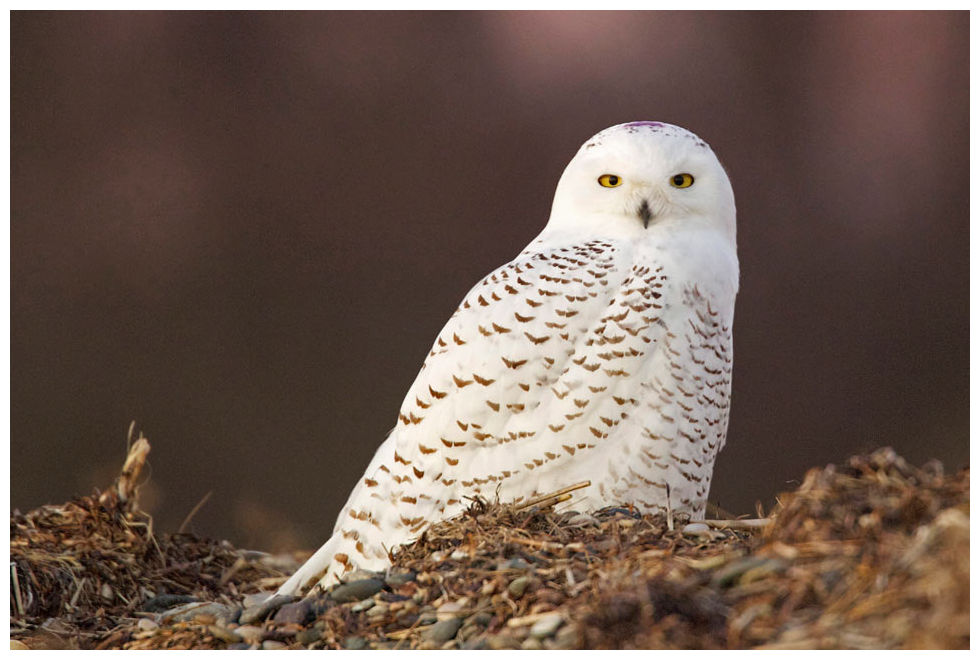
Snowy Owls
© Ian DaviesSpotted. Amateur birders counted more than four times as many snowy owls in the United States and southern Canada as last year.

The United States and Canada just basked in an unusually mild winter. Temperatures ranked fourth warmest on record, according to the National Oceanic and Atmospheric Administration, and many spring flowers are already blooming. But did the birds notice? Definitely, according to the Great Backyard Bird Count (GBBC), an annual tally of bird sightings collected by amateur birders across the United States and Canada. The numbers reveal that the snowy owl population in particular boomed and that many other birds showed up in more northerly latitudes than usual.

GBBC, now in its 15th year, is a joint effort by the Cornell Laboratory of Ornithology in Ithaca, New York, and the National Audubon Society, headquartered in New York City. This year, birders, who were instructed to identify and record whatever birds they happened to see in their yards and neighborhoods between 17 and 20 February, tallied 17.4 million individual sightings. Pat Leonard, GBBC's director of communications, says that it's unclear how many individuals took part because each observer can submit more than one sighting checklist, but he estimates that between 65,000 and 70,000 volunteers participated.

Ornithologists working with GBBC analyzed the data and found a number of unexpected trends. One of the biggest surprises, says Marshall Iliff, an ornithologist at the Cornell lab who co-authored the report and leads a smaller, year-long project similar to GBBC called eBird, was an explosion in sightings of the snowy owl (Bubo scandiacus). In November, reports began trickling in to eBird that the snowy owl, which primarily lives north of the Arctic Circle, was showing up in unexpectedly large numbers in the United States and southern Canada, and GBBC's tally backs that up. Observers reported 428 sightings of the owl, which is four times the number from the same time last year. "This snowy owl thing is pretty surprising," Iliff says.