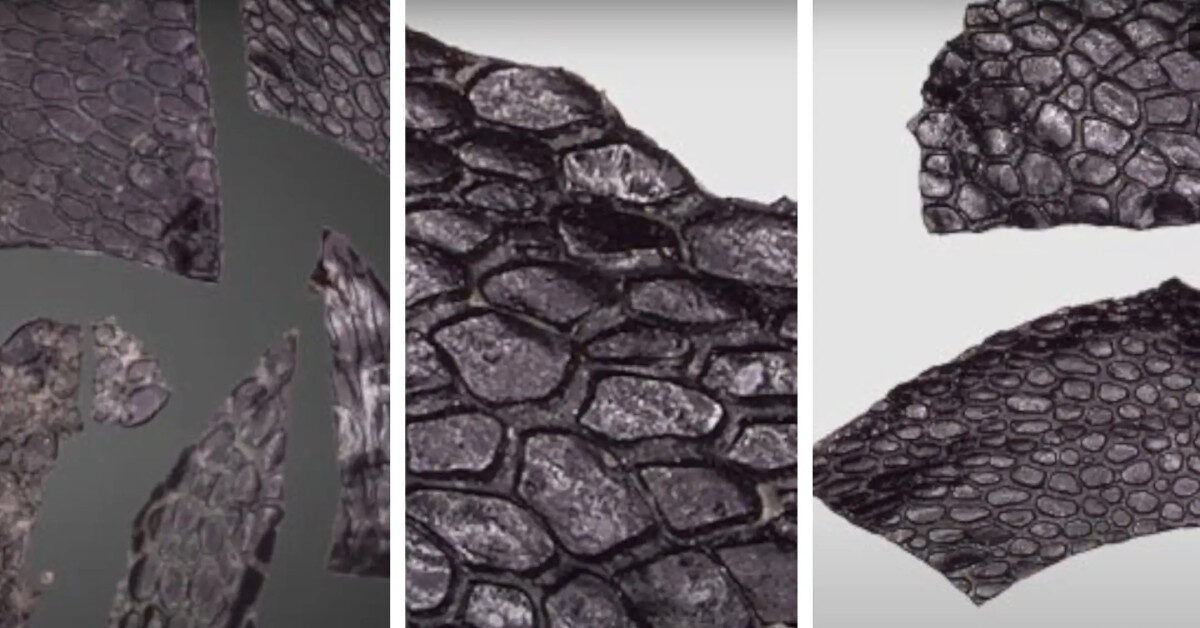
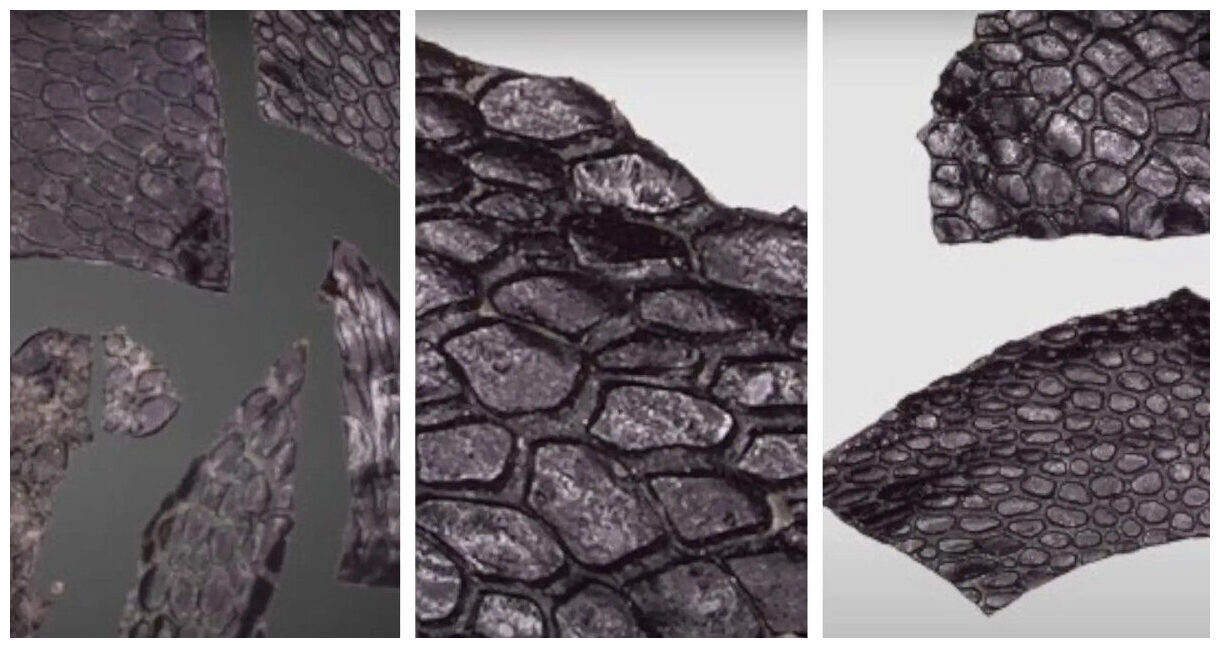
© Current Biology, Mooney et al.A visual collage of skin fossils described in the new study. The mummified skin specimen is shown sliced into two pieces in the center-left of the image. The surrounding specimen scans are of fossilized skin impressions.
A team of paleontologists from the University of Toronto Mississauga discovered the fossilized skin of a reptile-like animal in a cave in Oklahoma. The skin
fossil is estimated to be more than 20 million years older than the previous record-holder.
The finding, which is
believed to be at least 286 million years old, was discovered in the Richards Spur cave system, a fascinating area of Oklahoma uniquely suited to preserve fossilized remains.
The soft tissue fossil is a
rare find, made possible by a series of chance events. It provides insight into a distant evolutionary past that predates both mammals and the oldest dinosaurs.
In caves, fine sediment deposits and low oxygen levels help delay decomposition, according to lead study author Ethan Mooney, who is pursuing a master's degree in paleontology at the University of Toronto (U of T).
The limestone caves of Richards Spur in Oklahoma contain some of the world's most diverse and well-preserved fossils from the Paleozoic. At that time, the caves were filled with petroleum and tar from the nearby Woodford Shale, which saturated the fossils and further protected them from decay.
Richards Spur contains many fossils of
Captorhinus aguti — an iguana-size, lizardlike reptile. Most specimens are skeletons, but one
C. aguti fossil described in the
Current Biology study retains a portion of its epidermis — the scaly outermost layer of skin made of the same keratin found in human hair and fingernails. Mooney emphasizes the importance of developing a thick, waterproof epidermis for survival on land.

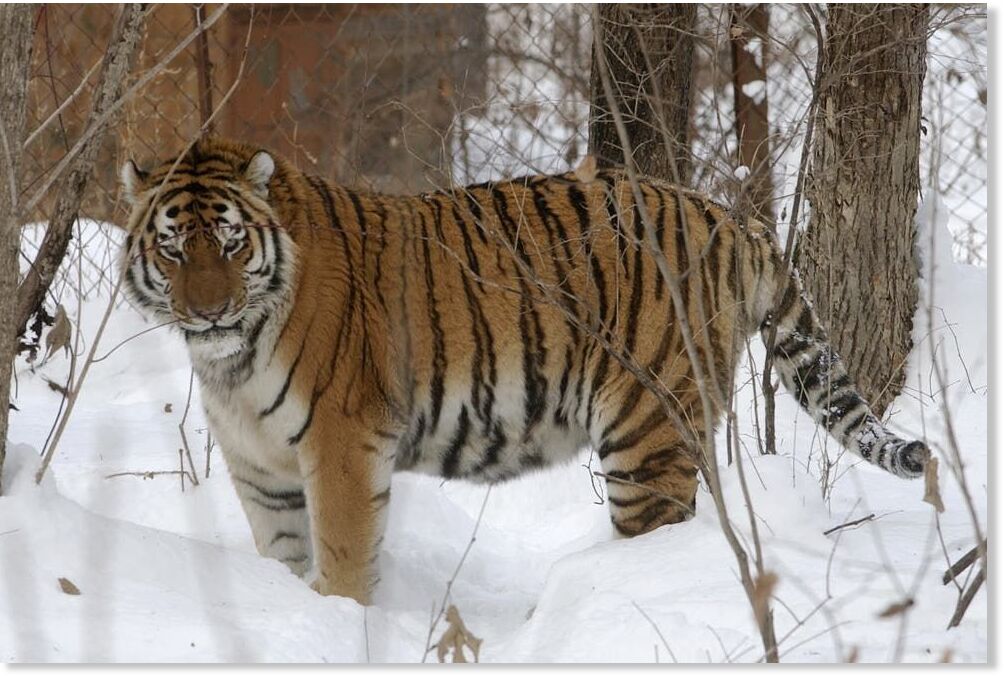










Comment: Perhaps because of the acute weather conditions in the region recently, are tigers experiencing difficulties finding their natural prey in the colder than normal temperatures and subsequently forced to target easier domesticated animals in and around local villages?
But, hey, don't mention climate change unless it's at the hot end of the spectrum. See also:
Coldest start to winter in decades for Russia: Parts of Siberia are enduring extreme cold below minus-70 degrees Fahrenheit