A newborn baby died after being bitten by a dog in Torrance Tuesday afternoon.
The unidentified baby was just a month old, according to the Torrance Police Department, which is investigating the dog attack, said Lieutenant F. Ahmad.
Paramedics were called to a home on the 2700 block of Martha Avenue at about 12:35 p.m. Tuesday, the Torrance Police Department announced Wednesday.
"The Torrance Fire Department arrived and discovered that a dog had bit a one-month-old
child," Ahmad announced in a written statement. "The Torrance Fire Department responded and transported the child to the hospital."
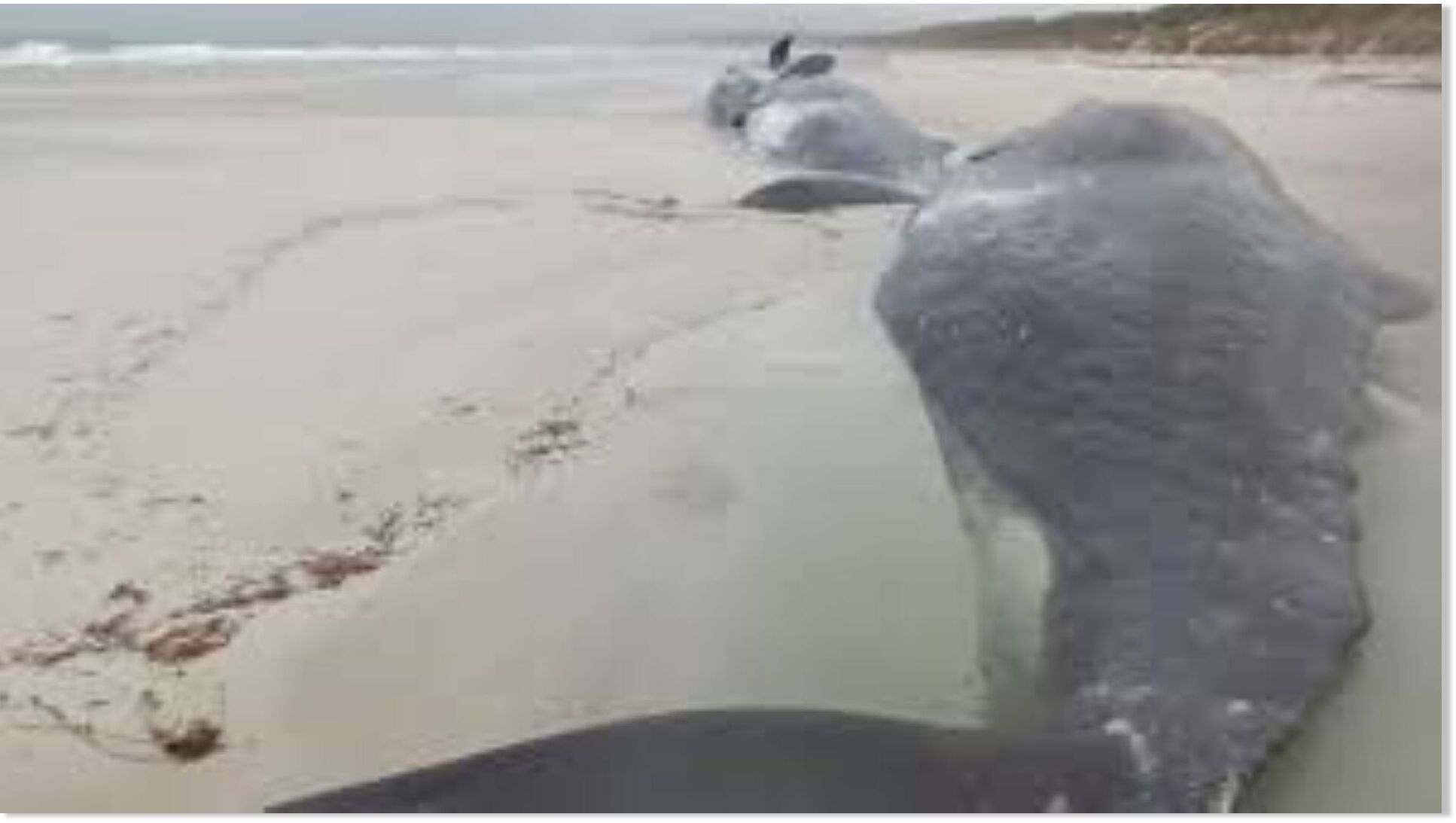
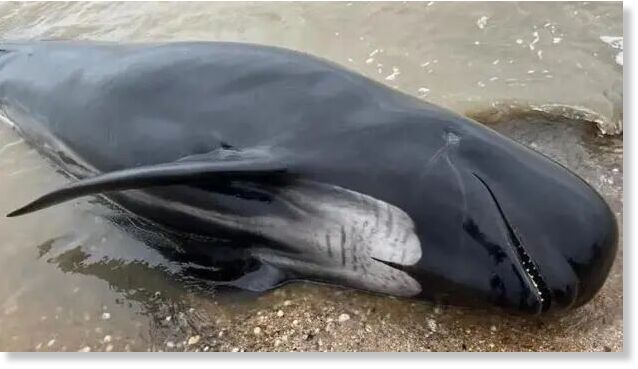
Five sperm whales have died after becoming stranded on an island off Australia's south coast.
The whales were found on a beach on the coast of Flinders Island, which is located between the Australian mainland and the island state of Tasmania, on Sunday night and were reported to Tasmania's Marine Conservation Program, according to Xinhua news agency.
Authorities arrived at the beach on Monday morning to inspect the whales and found three of them dead.
The remaining two were administered palliative care and died on Monday night.
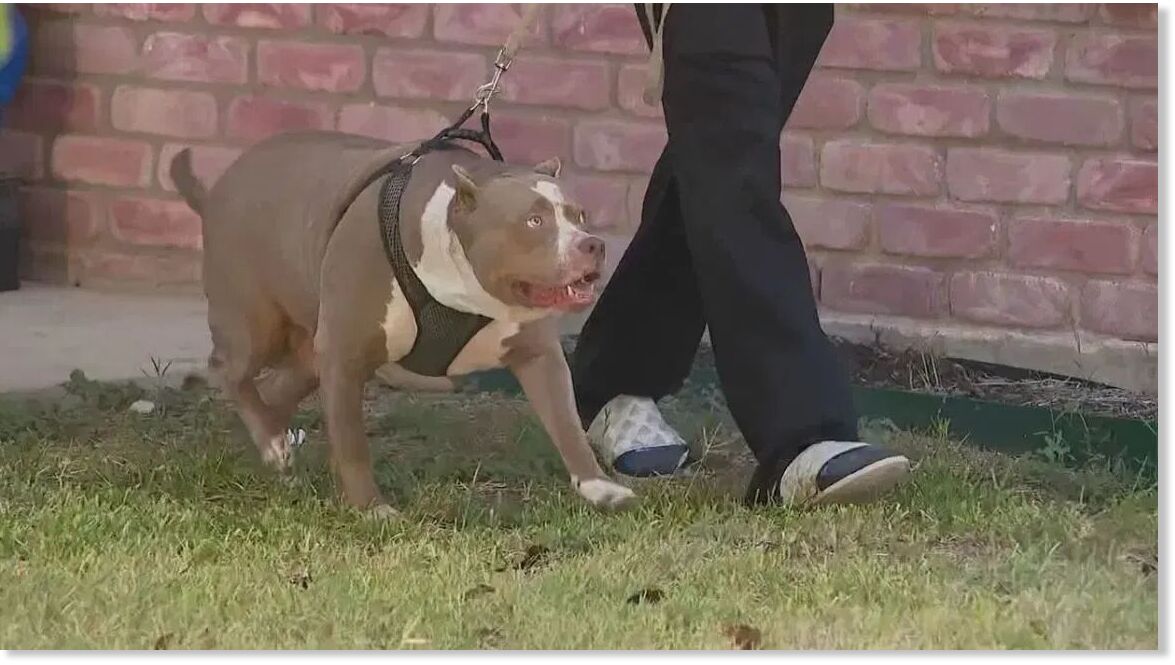
WOAI was at Animal Control Services as three dogs were taken off the property on Monday at Spruce Ridge Drive near Kitty Hawk in Converse.
Bexar County Sheriff Javier Salazar said Heather Rodriguez, 36, who was babysitting, left the toddler with her 13-year-old daughter when one of the pit bulls forced its way into a bedroom and attacked the baby.
"The 13-year-old was able to maintain control of the baby, but at this point, it was being described to me as almost a tug-of-war for the baby between at least one of the dogs and the little girl," he said.
Investigators noted other dogs joined in the attack on the baby, also biting the 13-year-old. She managed to break away to call 911 then came back to protect the baby from the dogs.
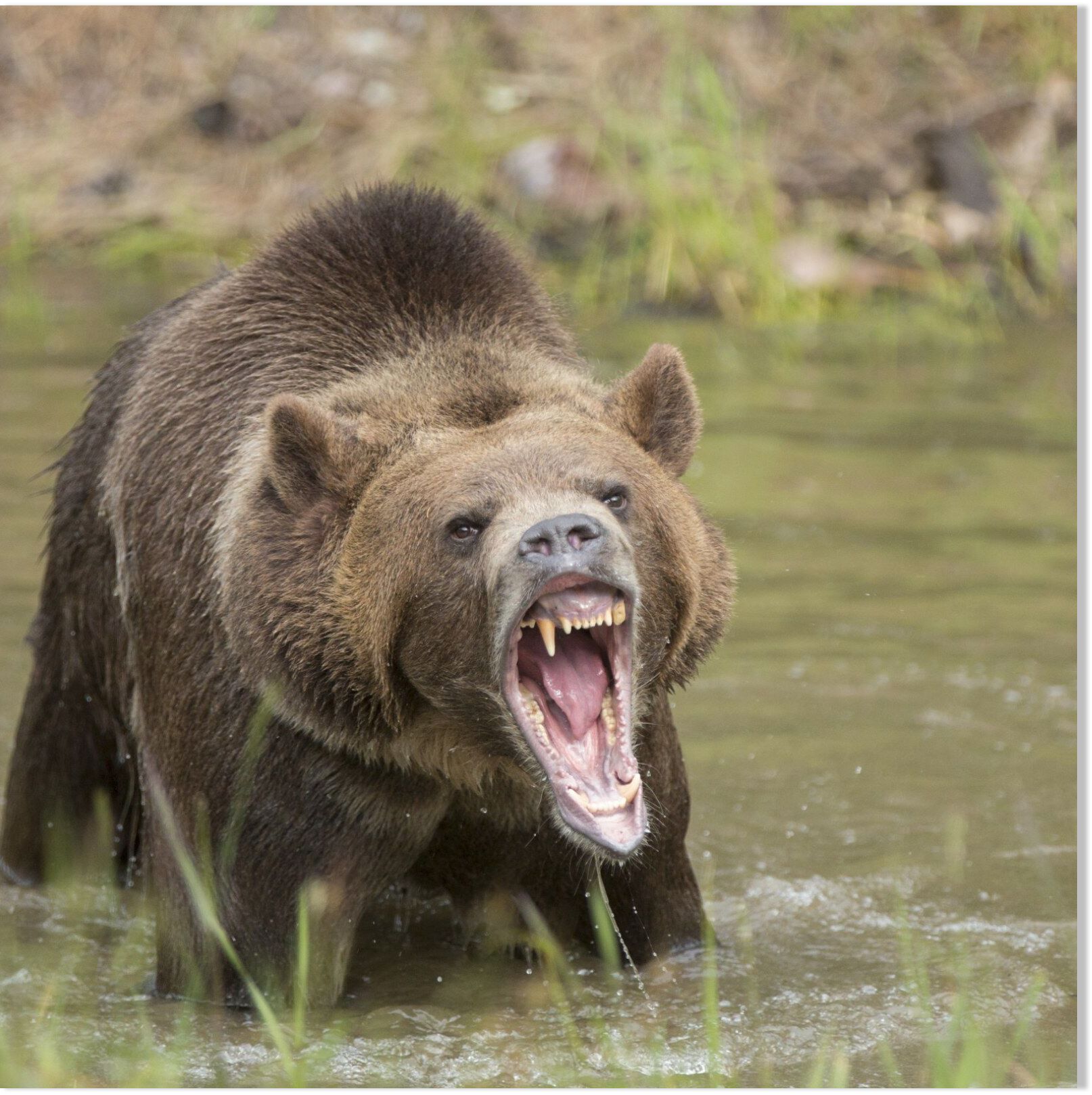
A 55-year-old man has died after a bear attack in a forest in northern Slovakia, emergency services said on Saturday.
The incident happened in an isolated area near Hybe, a town near the High Tatra mountains, as the victim was picking mushrooms with another person, police said.
"Unfortunately (the) man succumbed to injuries despite the efforts of rescuers," emergency services said on Facebook.
The last death as a result of a bear attack in Slovakia occurred in 2021, local media reported.
Matthew Sockol cbs17.com Fri, 27 Sep 2024 12:12 UTC
A Durham man was found dead inside his home from an apparent dog attack Friday morning, police said.
According to the Durham Police Department, officers responded to a call for cardiac arrest in the 2500 block of Fairlawn Road. Upon arriving, they found a deceased man inside the residence.
Police say the man "had injuries consistent with being attacked by a dog".
According to Durham police, a dog lived in the same home as the victim. The dog was seized by animal control.
Nakul Ahuja India Today Mon, 30 Sep 2024 11:27 UTC
Man-eating panther kills seventh person in 11 days
A man-eating panther claimed another life in a village in Udaipur on Monday, making it seven deaths in the last 11 days. The victim, a priest, was reportedly picked up by the panther in the early hours of Monday and his body was found in the jungle.
Due to the fear of the panther, police, along with forest officials, set up traps in several locations. While a few panthers have been caught in the last few days, the number of deaths due to panther attacks have been increasing.
Locals had been living in fear due to the increasing cases of panther attacks. Several schools had been ordered shut, people had been informed to not leave their houses in the evening and to only go out in groups. Police, through social media, has also warned people about leaving their houses at night. Villagers have been asked to carry sticks or other items that can be used as weapons when venturing out.
An official claimed that it is unclear whether the same animal has been involved in all the cases. However, in all the cases, the movement of the animal and the nature of the attack has been similar.
A video surfaced, showing police recovering the body of the victim from the middle of the jungle. The video shows villagers gathered around the forest.
A seven-year-old boy died on Sunday after being attacked by stray dogs in a farm area near Hammam al-Shammout, in the Al-Jeeza district south of Amman.
According to a Roya correspondent, the child, of Arab nationality, was attacked by three stray dogs while returning from a farm to his family's home. The dogs severely mauled the boy, causing fatal injuries.
The boy was rushed to Al-Nadeem Governmental Hospital in Madaba, but medical authorities confirmed that he had already passed away upon arrival.
Deputies are investigating after a 91-year-old woman was attacked by two of her own German Shepherds on Wednesday near Chehalis. The woman died on the way to the hospital.
According to a news release from the Lewis County Sheriff's Office, deputies were dispatched at around 2:30 p.m. Wednesday to the 400 block of River Road on a call about a dog bite. When they arrived, they found the woman had been attacked by her two dogs, resulting in major trauma to both of her lower arms.
The woman was transported to Adna High School to meet Life Flight to be taken to the hospital. She died on the flight there.
The two dogs were voluntarily turned over by their co-owner and they were euthanized.
Anyone with information about the incident is asked to call the Lewis County Sheriff's Office at 360-748-9286.
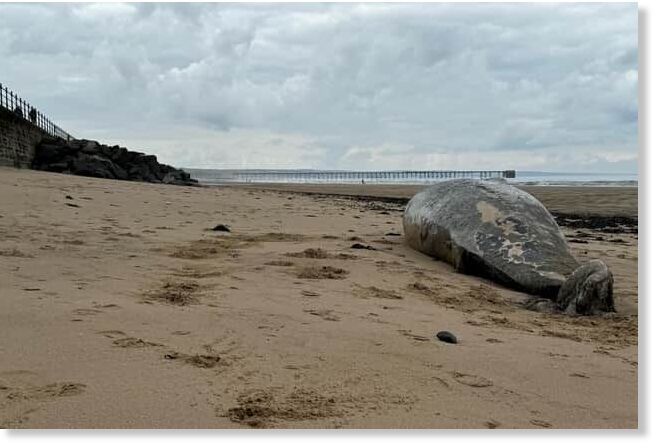
The removal of a dead whale found on a beach in Hartlepool earlier this week has been described as a “complex operation” that requires a “specialist company.”
The whale was first spotted on the Headland, in Hartlepool, on Sunday, September 22, and experts believe it to be a Minke, the smallest of all baleen whales.
Hartlepool Borough Council has been working with a number of organisations to find a safe way to remove the whale from the beach.
A spokesperson for the council said: "The council has been working with a number of partner organisations over the last few days to secure the safe removal of the dead whale from a beach on the Headland.
"Due to the sheer size of the whale and its location, this will be a complex operation that requires a specialist company.
"This is likely to take a number of days and in the meantime we would ask that people stay away from the whale's body."








Comment: This is the second attack within a week by a pit bull type in Converse, a 3- year-old boy was injured on October 2, see report: