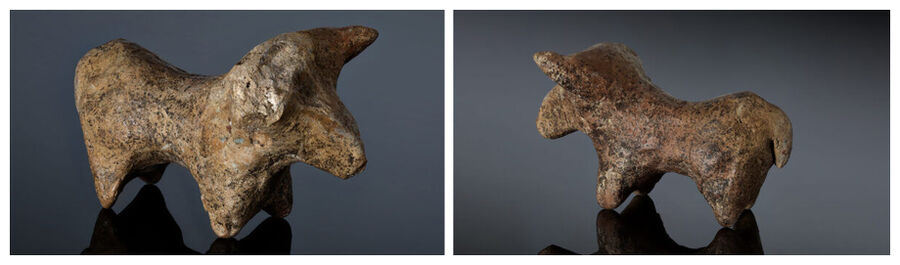
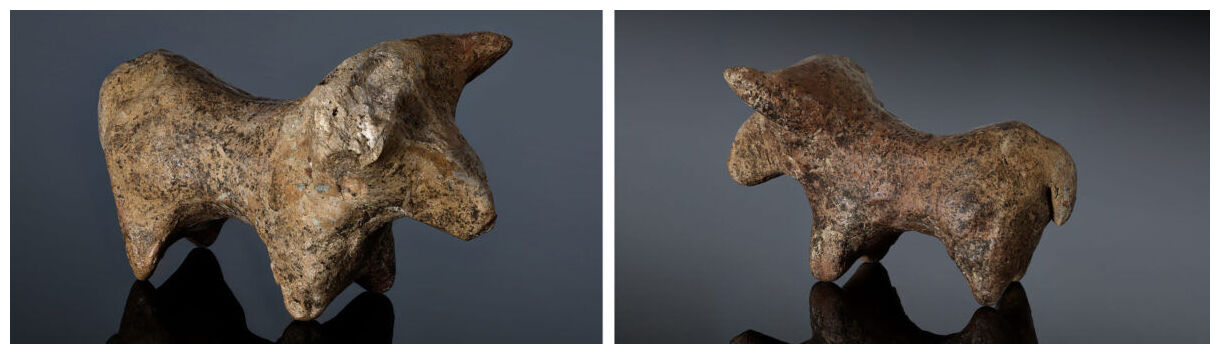
© Timur Gatsaev – Institute of Archaeology of the Russian Academy of SciencesClay bull figurine from the 7,000-year-old Eneolithic (Copper Age) settlement in Dagestan.
Archaeologists from the Institute of Archaeology of the Russian Academy of Sciences (RAS) have announced one of the
most significant discoveries of 2025: a 7,000-year-old settlement in southern Dagestan. The site, named Dagogninskoe-2, provides unique insight into the Eneolithic period — also known as the Copper Age — and sheds light on how early farming and herding communities spread across the Caucasus.
Discovery Near the Caspian SeaThe settlement was uncovered near the coastal town of Dagestanskiye Ogni, during rescue excavations ahead of the expansion of the R-217 "
Caucasus" highway north of Derbent. Although the site was first identified in 2022, only recent large-scale excavations confirmed its extraordinary age and cultural significance.
Archaeologists found two distinct cultural layers. The upper stratum dates to the Bronze Age (3rd-2nd millennium BCE), while the lower stratum, lying about two meters deep, belongs to the Eneolithic period (5th millennium BCE). This transitional era bridges the
Stone Age and the Bronze Age, when people learned to smelt copper but still relied heavily on stone, bone, and wooden tools.
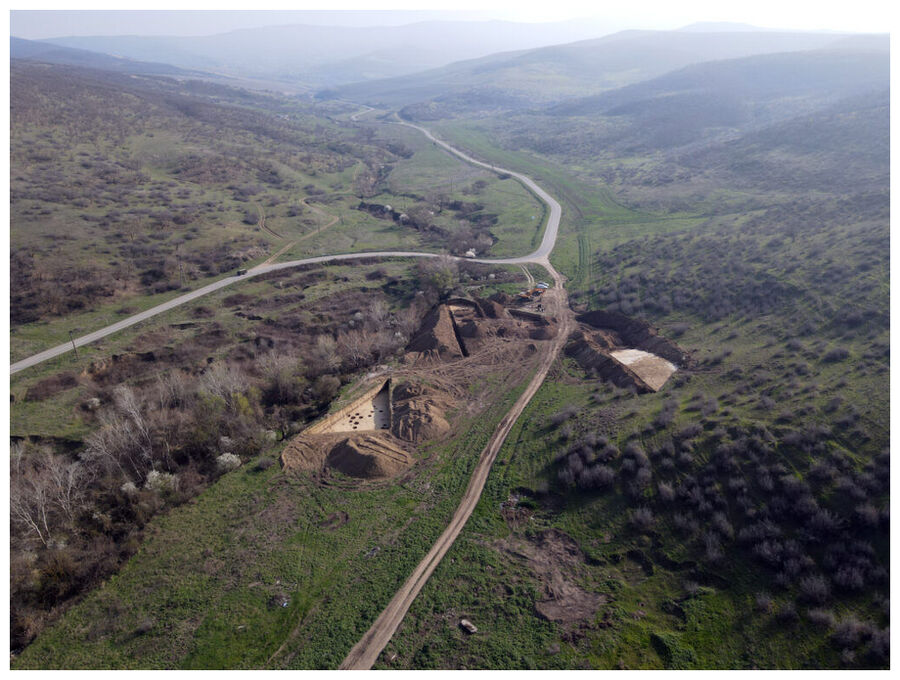
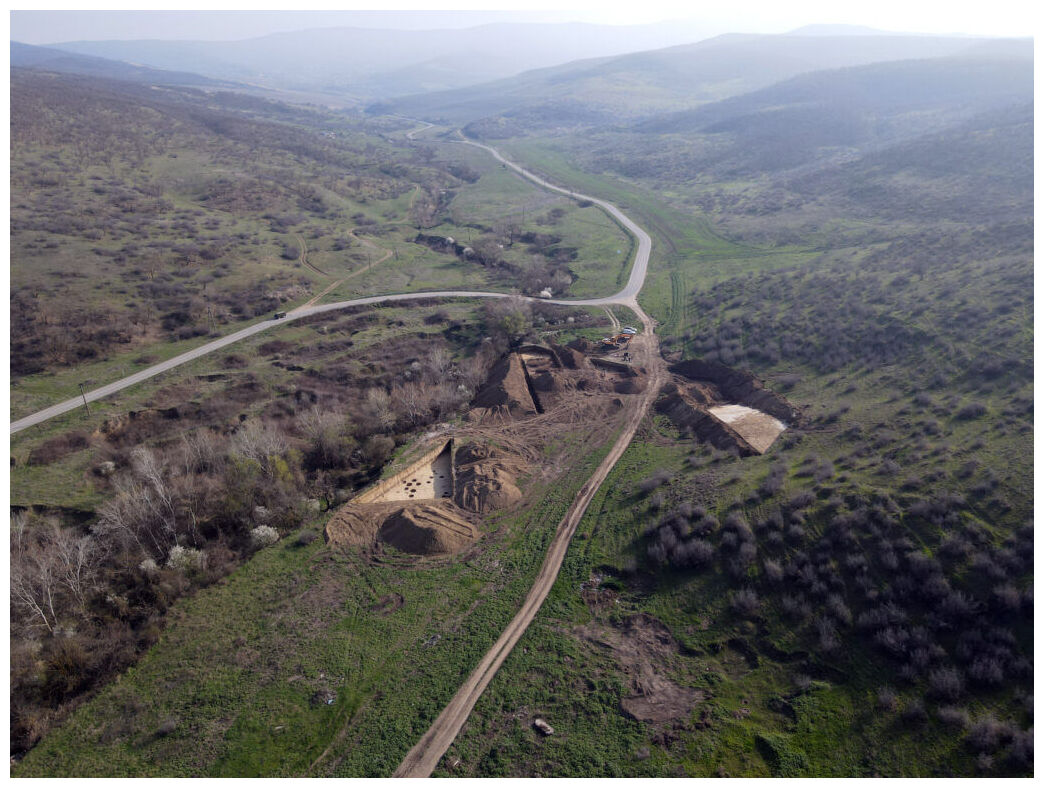
© Timur Gatsaev – Institute of Archaeology of the Russian Academy of SciencesExcavation in progress, view from the north.














Comment: 349 people killed in tiger attacks during past 5 years in India