Volcanoes
S


Attention

Scientists warn Russian volcano could cause destruction on scale of Pompeii

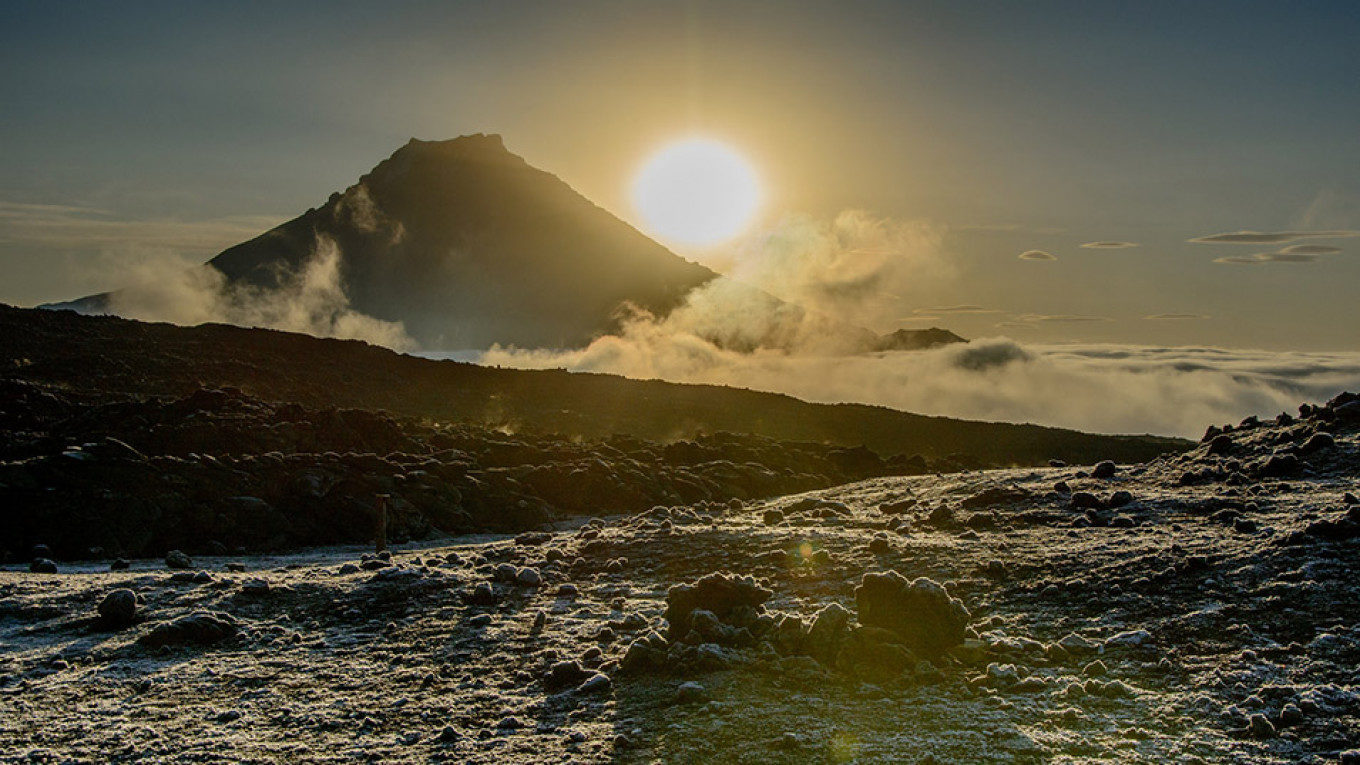
Bolshaya Udina volcano
© kuhnmi / Flickr (CC BY 2.0)
A slumbering titan in Russia's Far East could soon awaken. Scientists warn that a long-dormant volcano is showing new signs of activity, and an eruption could spell disaster in Russia and beyond.

Deemed inactive for decades, the Bolshaya Udina volcano has come back to life, according to recent research, prompting concern about a potentially cataclysmic natural disaster.

"When a volcano is silent for a long time, its first explosion can be catastrophic," said Ivan Kulakov, the head of the seismic tomography lab at the Russian Institute of Petroleum Geology and Geophysics, in an article for the Russian Academy of Sciences' Siberian branch. "A large amount of ash is thrown into the air, it is carried far away, and not only the surrounding settlements, but also large territories all over the planet, can suffer."

"Recall Pompeii," the researcher added ominously: the ancient Roman settlement was wiped off the map by the eruption of Mount Vesuvius, which laid dormant for thousands of years prior. The city was buried in over 10 feet of ash and most of its inhabitants are thought to have been killed in the disaster.

Fire

Mexico's volcano Popocatépetl sees largest eruption in years, ash column reaches 11.3km

Popocatépetl
© Twitter @Manuel_MongeEruption of Popocatépetl June 3rd 2019
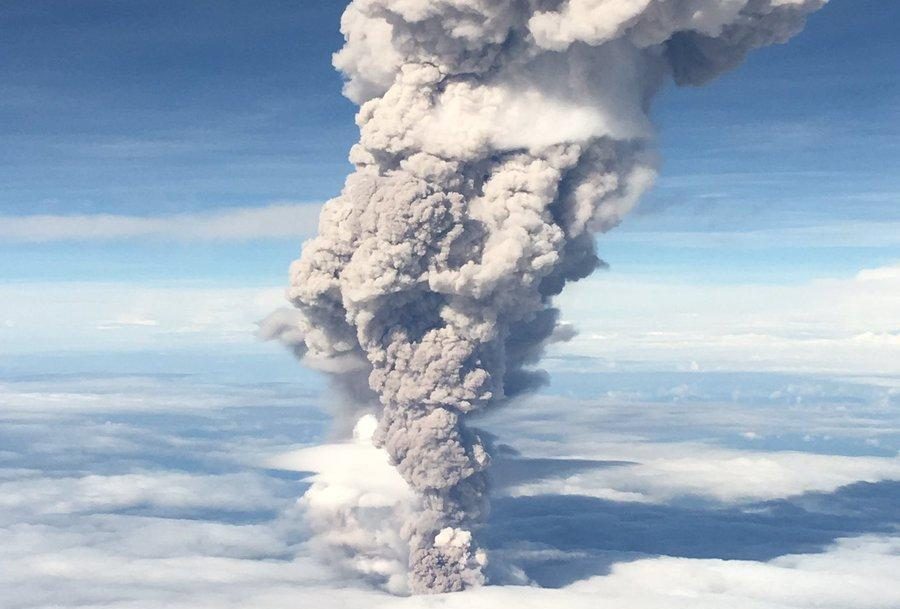
Popocatépetl continued its explosive uptick in style today, June 03, by firing an ash column to approximately 37,000 feet (11.3 km) a.s.l. - the volcano's largest eruption in years.

The Volcanic Ash Advisory Center (VAAC) Washington is reporting on a "large ash emission to FL370".

Particulates ejected to altitudes above 32,800 feet (10km) or FL328 -and into the stratosphere- have a direct cooling effect on the planet.

Twitter was quickly clogged with awesome photos and footage:

Comment: This eruption tops one that occurred just a few months ago that, at the time, was also declared as the 'largest in years'.

Significant volcanic activity appears to be on the rise everywhere, here are just a few other recent reports::


Attention

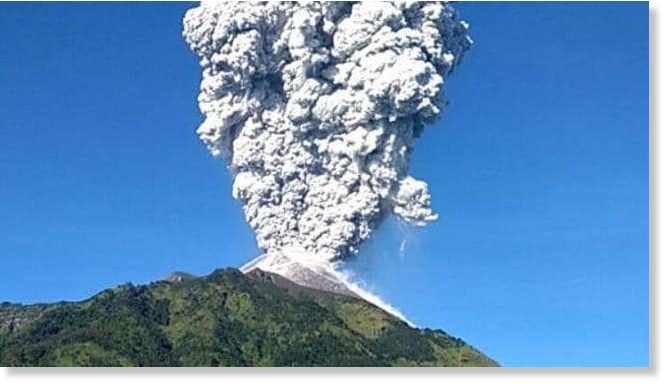
Mount Merapi on Java erupts, spews ash columns 3000 metres into the sky

Mount Merapi
Mount Merapi
Mount Merapi, Indonesia's most active volcano, shot out 72 ash columns this weekend, with authorities declaring a 3km danger zone, and fears of a 'lava lake' forming.

Indonesia's most active volcano, Mount Merapi, has spewed ash columns 3000 metres into the sky, local media report.

Indonesia's Geological Disaster Research and Development Centre said by Saturday, Merapi had emitted 72 ash columns from its crater since it started showing signs of forming ash columns and spewing incandescent lava in late January, state news agency Antara reported.

Agency head Hanik Humaida said based on the ash-column activity, the volcano's lava dome could potentially cause a lava avalanche of 458,000 cubic metres in volume that would move up to 3 kilometres from the crater toward the river Gendol.


Attention

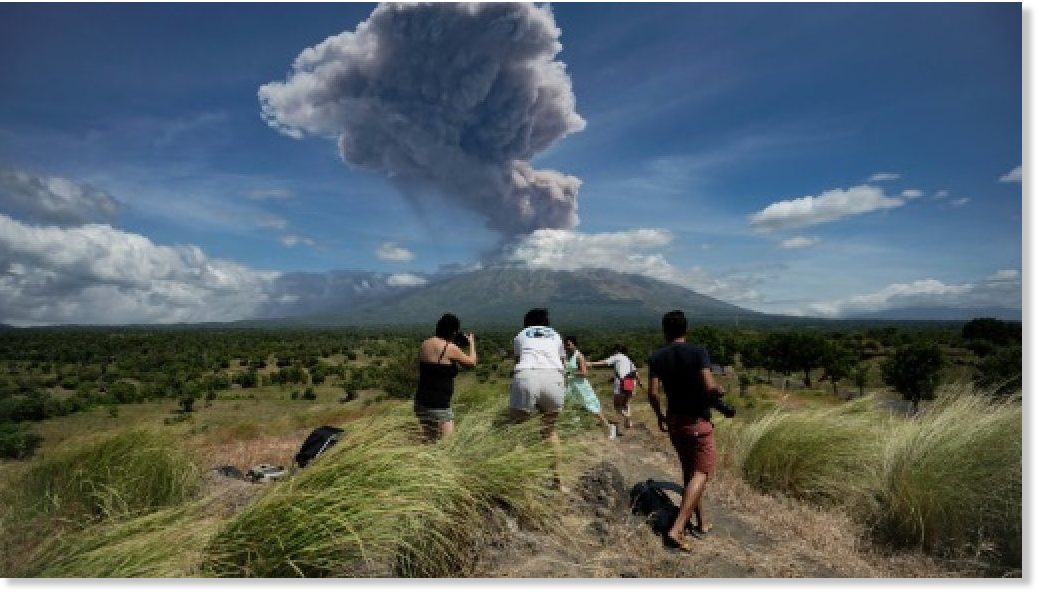
Bali volcano spews ash 6,500 feet into the sky in new eruption

Mount Agung is about 70 kilometres from the tourist hub of Kuta
© AFPMount Agung is about 70 kilometres from the tourist hub of Kuta
A volcano on the Indonesian island of Bali erupted Friday, spewing a plume of ash and smoke more than 2,000 metres (6,500 feet) into the sky.

Mount Agung, about 70 kilometres from the tourist hub of Kuta, has been erupting periodically since it rumbled back to life in 2017, sometimes grounding flights and forcing residents to flee their homes.

The latest eruption shortly before noon on Friday shot a cloud of volcanic ash high into the sky, but caused no disruption to flights, Indonesia's geological agency said.

Agung remained at the second highest danger warning level, and there is a four-kilometre no-go zone around the crater.


Attention

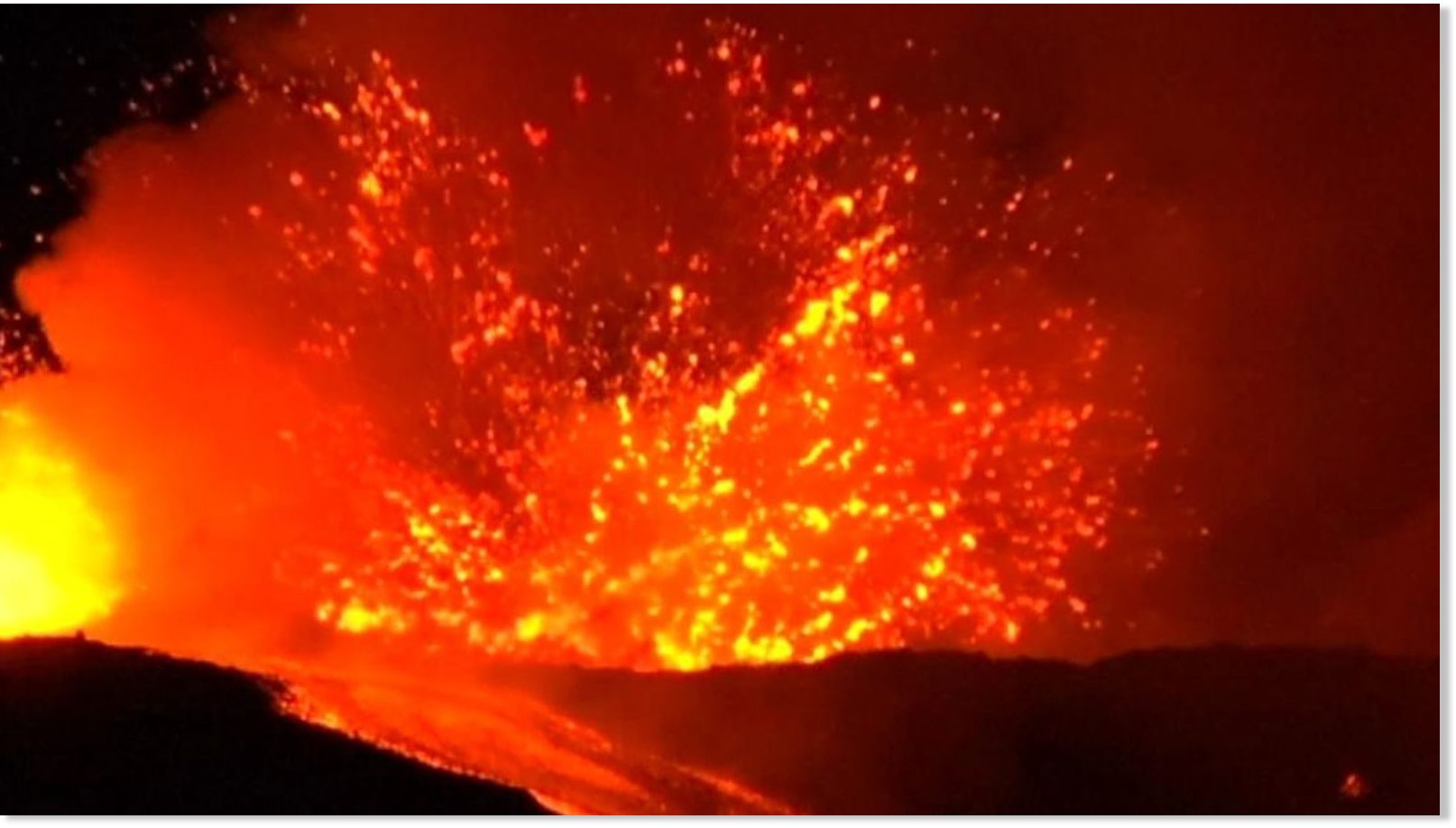
Sicily's Mount Etna bursts into life in early hours

Lava flows from Mount Etna in spectacular display
Italy's Mount Etna lit up the night sky in the early hours of Friday, spewing lava and ash high over Sicily.

Europe's highest and most active volcano burst into life at 3am (CEST) with eruptions sending rivers of smoking red lava streaming down its southeastern slope.

Seismic activity began to rise on Thursday evening, peaking around midnight and decreased over the following hours.

Fissures in the 3,330 metre-high peak can flare into action several times a year, although the last major eruption was in 1992.


Seismograph

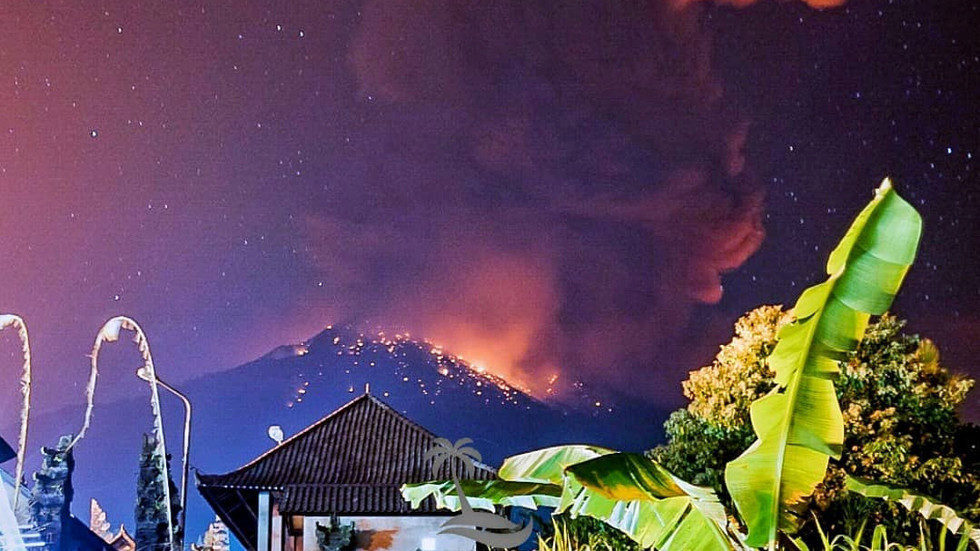
Flights cancelled after Bali's Mount Agung volcano erupts again, sending rocks 3kms away

agung volcano
© Reuters / Wayan KartikaMount Agung erupts in Bali, Indonesia on May 24, 2019
Bali's airport has cancelled flights following an eruption of the Mount Agung volcano that spread ash over the Indonesian island's south.

The national disaster agency said Friday night's eruption lasted four minutes and 30 seconds and spread lava and incandescent rocks about three kilometres from the crater.

Nine villages experienced thick ash fall. But the agency said it wasn't raising the alert level for the volcano and its exclusion zone remains a four kilometre radius around the crater.


Bizarro Earth

Largest underwater eruption ever recorded in the Indian Ocean

Underwater Volcano
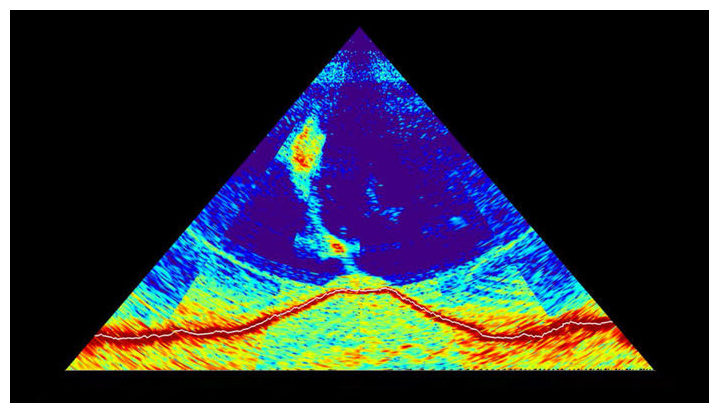
© CNRS/IPGP-UNIVERSITÉ DE PARIS/IFREMER/BRGMMultibeam sonar waves, reflecting off the sea floor near the French island of Mayotte, reveal the outline of an 800-meter-tall volcano (red) and a rising gas-rich plume.
Last week, Marc Chaussidon, director of the Institute of Geophysics in Paris (IPGP), looked at seafloor maps from a recently concluded mission and saw a new mountain. Rising from the Indian Ocean floor between Africa and Madagascar was a giant edifice 800 meters high and 5 kilometers across. In previous maps, there had been nothing. "This thing was built from zero in 6 months!" Chaussidon says.

His team, along with scientists from the French national research agency CNRS and other institutes, had witnessed the birth of a mysterious submarine volcano, the largest such underwater event ever witnessed. "We have never seen anything like this," says IPGP's Nathalie Feuillet, leader of an expedition to the site by the research vessel Marion Dufresne, which released its initial results last week.

The quarter-million people living on the French island of Mayotte in the Comoros archipelago knew for months that something was happening. From the middle of last year they felt small earthquakes almost daily, says Laure Fallou, a sociologist with the European-Mediterranean Seismological Centre in Bruyères-le-Châtel, France. People "needed information," she says. "They were getting very stressed, and were losing sleep."

The authorities knew little more. Mayotte has a seismometer, but triangulating the source of the rumblings would require several instruments, and the nearest others are several hundred kilometers away in Madagascar and Kenya. A serious scientific campaign started only in February, when Feuillet and her team placed six seismometers on the ocean bottom 3.5 kilometers down, close to the activity.

Info

New study gives more detailed picture of Earth's mantle

Earth's Mantle
© iStock/Getty Images Plus
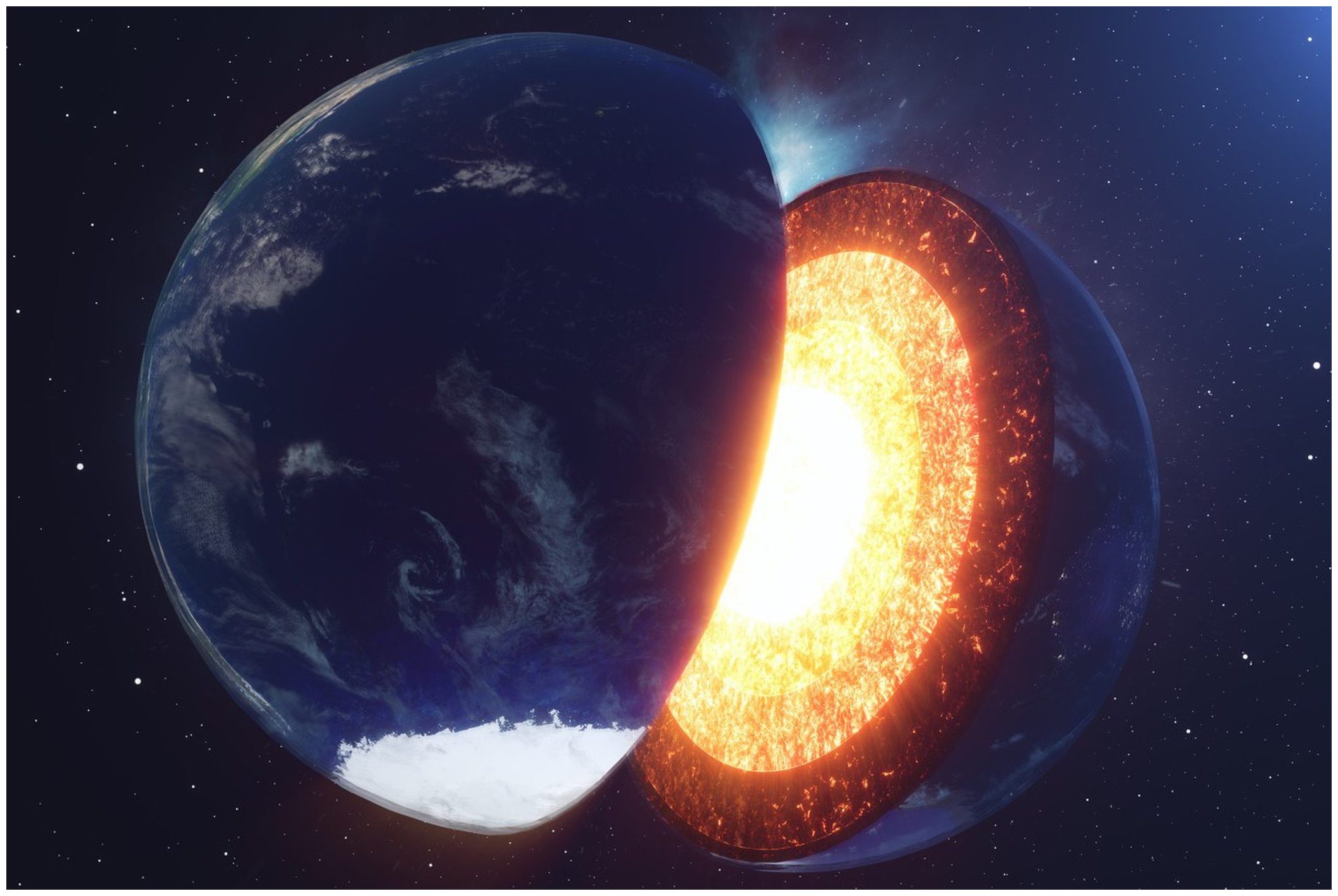
The chemical composition of the Earth's mantle is a lot more variable and diverse than previously thought, a new study has revealed.

According to a new analysis of cores drilled through the ocean crust, the mantle is made up of distinct sections of rock each with different chemical make-ups.

The chemical composition of the mantle has been notoriously difficult to determine with a high degree of certainty because it is largely inaccessible.

Scientists have traditionally relied on lava that erupts on the ocean floor to give them some idea of what the mantle is made up of, and so far studies have suggested that it's chemically mostly the same everywhere on the planet.

However in their new study, published in Nature Geoscience, the team of researchers led by scientists at Cardiff University have studied the very first minerals that begin to form when lava first makes contact with the crust at mid-ocean ridges.

Attention

Mount Agung in Indonesia belches ash 2,000 meters skywards in new eruption

agung
Gunung Agung in Karangasem District, Bali, erupted again on Saturday (May 18) at 2:09 a.m. local time, spewing ash two thousand meters into the air from its peak, which is 5,142 meters above sea level.

Made Rentin, the head of Bali's Regional Disaster Management Agency (BPBD) Chief, stated in Denpasar on Saturday morning that according to data obtained from the Agung volcano monitoring post, the volcanic ash column was thick and gray and leaning in the east and southeast directions. The seismogram recorded this eruption as having a maximum amplitude of 25 mm and lasting for two minutes and 57 seconds.


Attention

Ecuador's 'exploder' volcano lights up night sky

El Reventador
El Reventador
Ecuador's El Reventador lit up the night sky with lava following an increase in rumblings at the volcano in recent weeks.

According to reports, a stream of smoke reached some 1.2 km (about .7 miles) above the volcano's crater and incandescent rocks spewed out under the moonlight.

El Reventador is located near Quito's Amazon region and is the country's most active volcano.

It's a popular site for hikers but authorities have warned tourists to stay away from the area.