Extreme Temperatures
S


Snowflake Cold

Severe early cold and heavy snow hits Eastern Europe

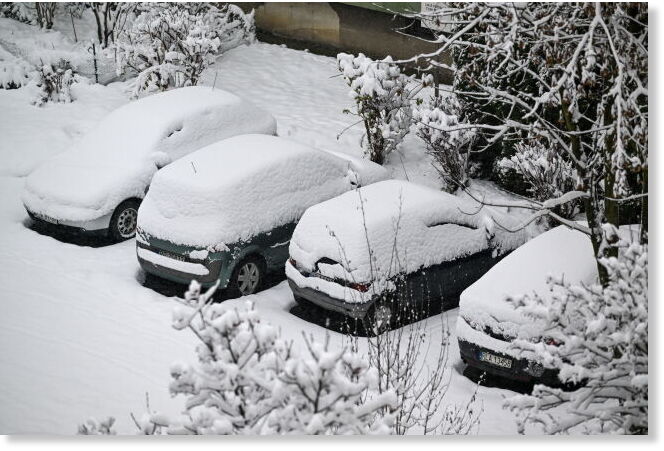
View of streets in Przemyśl after overnight heavy snowfall, November 22, 2025
© PAP/Darek DelmanowiczView of streets in Przemyśl after overnight heavy snowfall, November 22, 2025
Temperatures across the eastern half of Europe experienced a significant drop this week, with the Alpine region recording frigid lows of -20°C and the Polish town of Zakopane in the Tatras Mountains registering -8.5°C. This severe cold snap was accompanied by heavy snowfall across Poland, where the central region received between 15 to 20 centimeters (approximately 6 to 8 inches) of snow, while southern areas near the mountains were blanketed with over 40 centimeters.

The inclement weather was attributed to an area of low pressure moving northward from the Balkans, which collided with cold Arctic air mass hovering over Poland. This combination resulted in a series of emergency situations, with firefighters responding to 2,900 callouts and more than 75,000 homes in Rzeszów left without electricity due to the heavy snowfall.

Adding to the complications in the region, an Embraer E170STD aircraft, which has a capacity for 80 passengers, skidded off the runway upon landing during a flight from Warsaw to Vilnius. The incident caused significant disruptions at the airport, resulting in delays that extended for several hours and ultimately grounding the return flight.


Snowflake

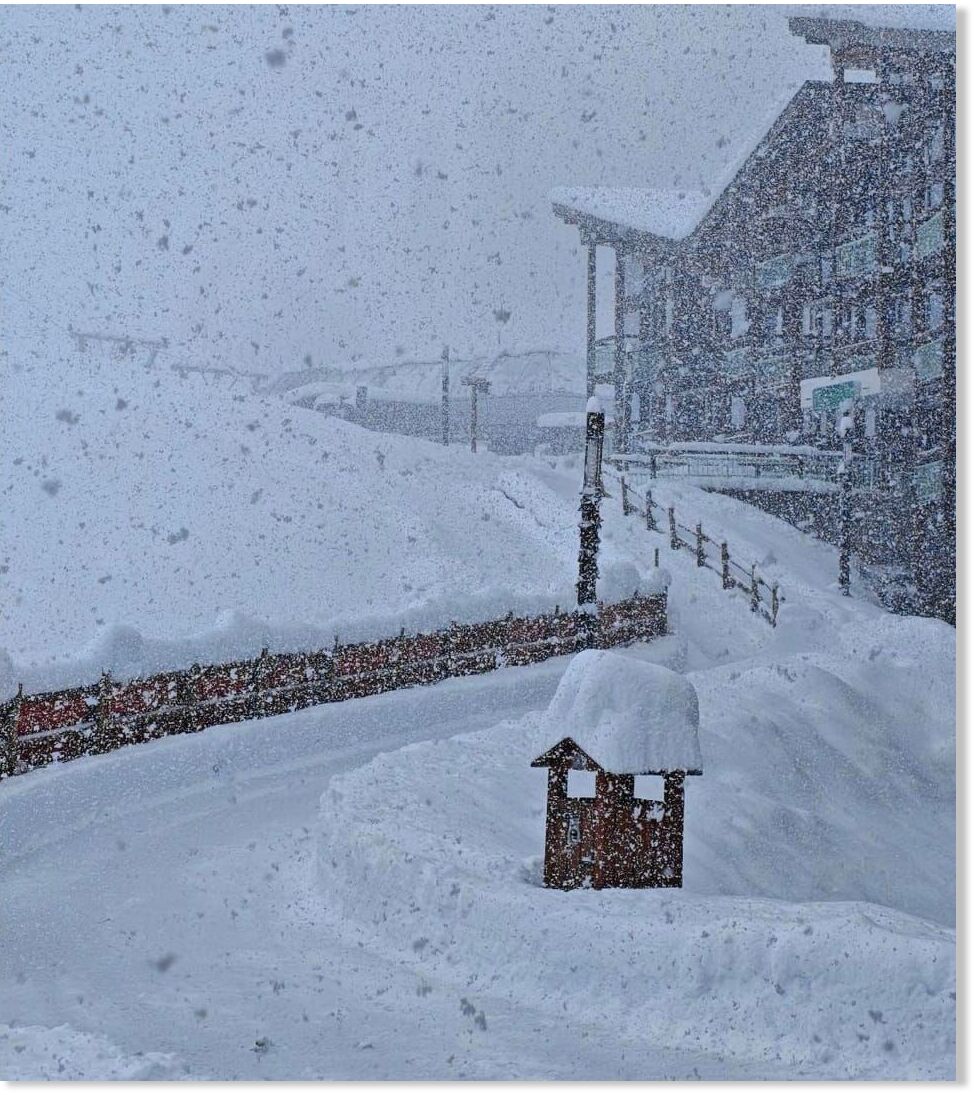
Up to a metre of early snowfall in 72 hours in the Alps

Les Arcs has had 50cm (20
Les Arcs has had 50cm (20") of snowfall so far
The Alps have been transformed by a wave of heavy snowfall in recent days, setting up excellent early‑season conditions for skiers and snowboarders. Resorts across France, Switzerland and Austria are reporting accumulations that have rapidly improved slopes ahead of the busy December period.

However, avalanche warning levels are also up - widely at level 3 (considerable) and in parts of the Western alps in France and Switzerland up at level 4 - high.

The biggest 72-hour totals so far came from resorts preparing to open in the coming weeks, including Chamonix (1 metre), Val d'Isere (81cm), Courchevel (80cm), Alpe d'Huez and Les 2 Alpes (70cm each) and Crans Montana (60cm) and As well as these high slopes totals, snowfall has also reached valley floors for the first time this autumn. There's been less snowfall in the Central and Eastern Alps so far but Austrian ski areas are reporting 20 - 40cm accumulations, with more snow forecast through the week.


Snowflake

Heavy snowfall in Hungary causes disruptions across regions and cuts off multiple settlements

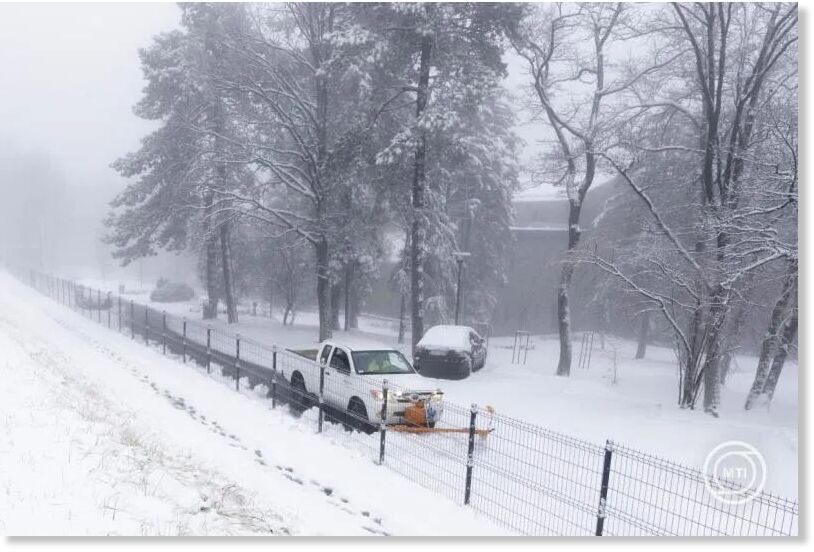
Snowplough working in Dobogókő
© MTI/Kocsis ZoltánSnowplough working in Dobogókő on 21 November 2025. Cloudy, rainy weather is expected over the weekend, with snowfall in many areas.
Saturday's intense snowfall caused major disruptions across western Hungary, leaving several settlements inaccessible, closing roads, and prompting firefighters to assist stranded vehicles. In many areas, more than 10 - 15 centimetres of snow fell, significantly hindering transport.

Snowfall leaves several settlements inaccessible by bus

According to the MÁV Group, multiple settlements in four counties - Baranya, Somogy, Veszprém, and Zala - were already unreachable by bus on Saturday evening due to deteriorating road conditions. In Baranya, Liget became inaccessible; in Somogy, Kaposdada and Zsippó; while in Veszprém County, Bakonybél, Hidegkút, Jásd, Kislőd, Lókút, Öcs, and Tés could no longer be reached, Hungarian News Agency MTI reported.

The situation was particularly severe in Zala County. Bagod, Becsvölgye, Csapi, Kustánszeg, Milejszeg, Nemeshetés, Nemespátró, Vaspör, Zalacséb, Zalaháshágy, and Zalaújlak all became unreachable by regional bus services. In several districts of Zalaegerszeg - including Szenterzsébethegy, Bazita, and Ebergény - local bus services also came to a halt.


Snowflake Cold

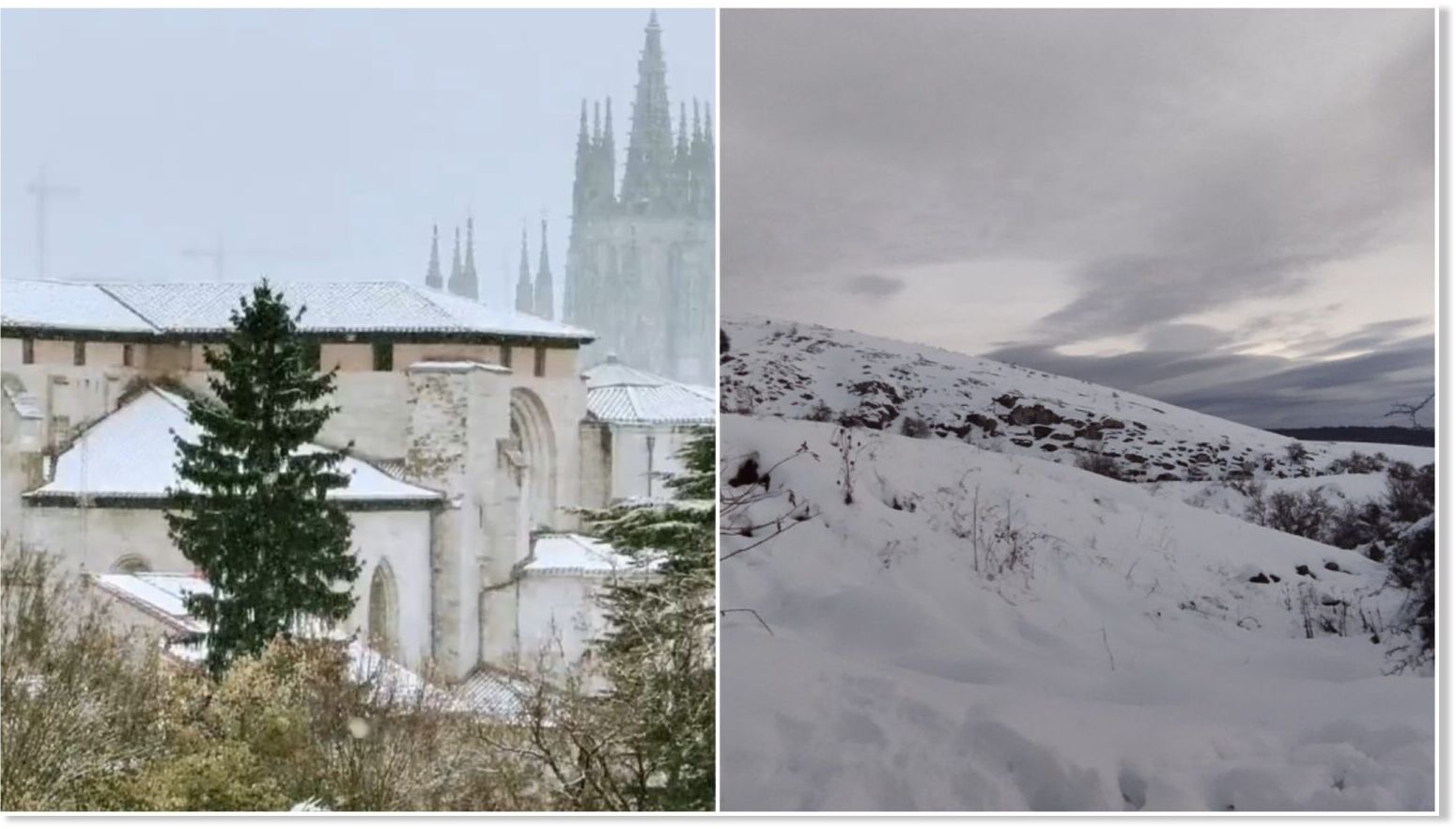
Heavy snowfall blankets northern Spain after Arctic cold snap rolls in - with temperatures plummeting to as low as -10c

mmmmm
HEAVY snowfall has blanketed large swathes of northern Spain this weekend after a teeth-chattering Arctic blast plunged temperatures across the peninsula.

Earlier this week, the state weather service Aemet issued an orange weather alert warning that flakes would fall - and the predictions proved correct with much of Spain feeling the freeze.

With temperatures up to ten degrees lower than normal for mid-November, the snowline in elevated areas dropped as low as 500 metres.

Temperatures plunged to -10C near the Pyrenees as the wintery weather set in, with snow causing widespread disruption on elevated roads.

To make matters worse, gusts of over 60km/h have added an extra chill to the cold conditions.

From Sunday, the mercury is forecast to finally climb back towards levels more normal for late autumn.


Bizarro Earth

Is the Gulf Stream really collapsing? Debunking another climate doomsday claim

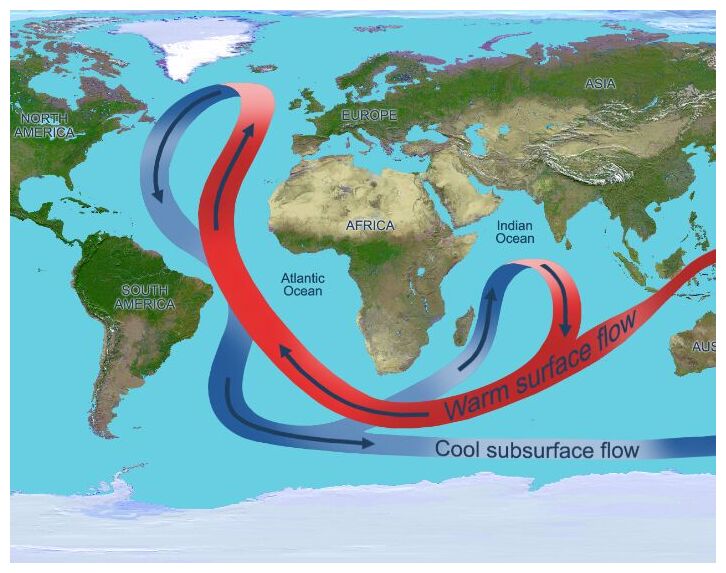
The idea that global warming could paradoxically shut down the Gulf Stream, plunging Europe into a new cold spell — a scenario popularized by the film The Day After Tomorrow — is a powerful narrative.
Gulf Stream
© NoTricksZone
However, the latest episode of Klimaschau (Issue 237) challenges these alarmist predictions, scrutinizing the scientific evidence and the methods behind the claims. The segment focuses on skepticism regarding the imminent "tipping" of the Atlantic Meridional Overturning Circulation (AMOC).

Recall how climatologists like Stefan Rahmstorf from the Potsdam Institute for Climate Impact Research (PIK) argue that Arctic warming is weakening the AMOC due to an influx of freshwater, potentially causing Europe to become colder and drier.

Snowflake Cold

Arctic cold blast across the US southeast was one of coldest so early in season, including Florida

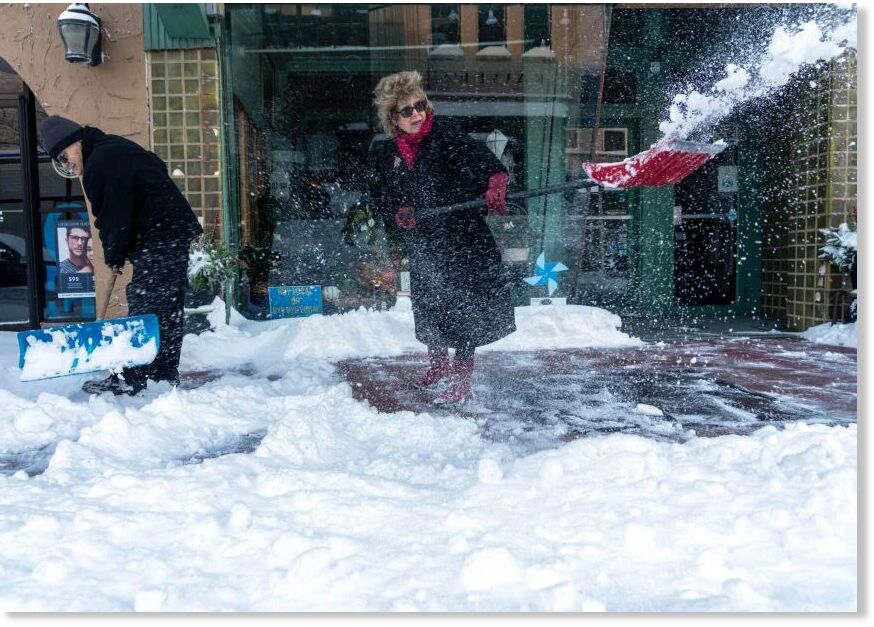
Mark and Hilary Krejcha, owners of Millers Flowers, clear the snow from in front of the store on Sixth Street in Racine, Wisconsin, on Monday.
© Mike De Sisti/Milwaukee Journal SentinelMark and Hilary Krejcha, owners of Millers Flowers, clear the snow from in front of the store on Sixth Street in Racine, Wisconsin, on Monday.
A cold outbreak plunged through the Midwest, Northeast and deep into the South, with freezing temperatures that were among the coldest so early in the season in Florida and other Southeast states.

This cold blast first arrived in the Midwest and Plains states from Nov. 7-8, then took a nosedive into the South on Nov. 9, with the coldest air in place from Nov. 10 through the morning of Nov. 12.

Along the way, it generated some first snowfalls of the season in the Great Lakes snowbelts, Appalachians and interior Northeast, including areas as far south as Atlanta and the coastal Carolinas.


Arrow Down

Seven climbers dead after Nepal avalanche

mmmmm
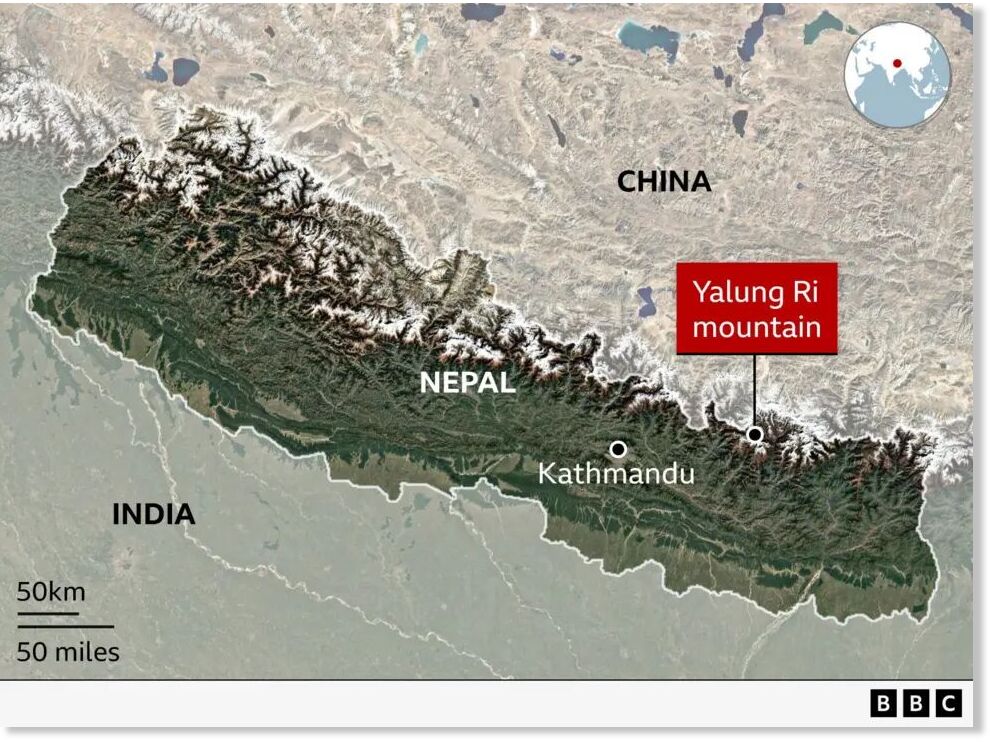
At least seven climbers, including five foreigners and two Nepalis, have died after being hit by an avalanche on a Himalayan peak in north-eastern Nepal, expedition agency Seven Summit Treks said.

The incident happened at 09:00 local time (03:15 GMT) on Monday near the base camp of the Yalung Ri mountain in Dolakha district.

Rescuers located two bodies, and are still searching for the remaining five, who are believed to have been buried by snow. Eight others have been rescued and are in the capital Kathmandu getting treatment for their injuries.

All these climbers were part of a group that set out over an hour before the avalanche hit, the district police chief told BBC Nepali.

The bodies of the other five deceased climbers "may be 10-15 feet below the snow", said Mingma Sherpa, chairman of Seven Summit Treks. "It will take time to find them."

Snowflake Cold

Record-breaking October snowfall of over 15 inches for Reykjavík, Iceland

nnnnnn
© Mavick Adlawan
Reykjavik saw record-breaking snow this week as a snowstorm piled up more than 15 inches.

The Icelandic capital was transformed into a winter wonderland.


Snowflake

Unseasonably heavy snowfall halts Everest tourism in Nepal, Tibet

Crash on Mount Everest: Helicopter breaks in two
The Nepali and Chinese sides of the Everest region were closed to tourism on Wednesday due to heavy snow brought by cyclone winds, with deep snowdrifts causing a helicopter to crash as it tried to rescue stranded trekkers, authorities said.

Visited by thousands of trekkers and climbers, the region around Mount Everest has been blanketed by snow since Monday as a cyclone from the Bay of Bengal churned across India, ushering in a second bout of severe snowfall in the Himalayas this month.

Authorities in Nepal have halted trekking on many hiking routes due to rain at lower elevations and heavy snowfall on higher trails, and have urged hikers not to venture out or proceed with their treks in the Annapurna, Manaslu and Dhaulagiri areas, home to some of the world's highest peaks.

A small private helicopter flying to Lobuche near the Everest Base Camp to rescue stranded trekkers crashed when it tried to land, Civil Aviation Authority of Nepal spokesperson Gyanendra Bhul said.

CAAN video showed the helicopter, which slipped on the snow while landing, lying on its side. The pilot survived and was later rescued. It was unclear whether the trekkers had been rescued.


Arrow Down

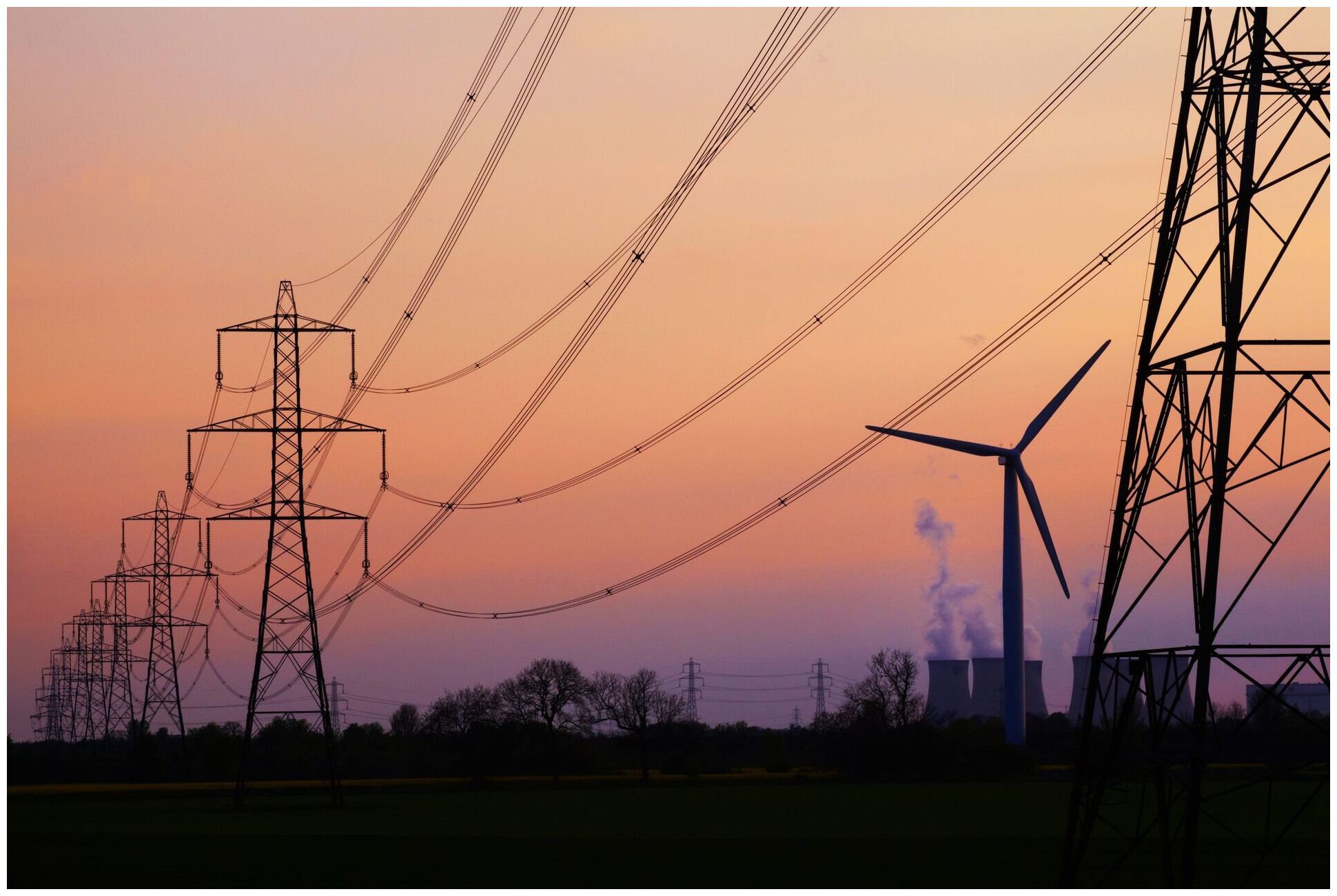
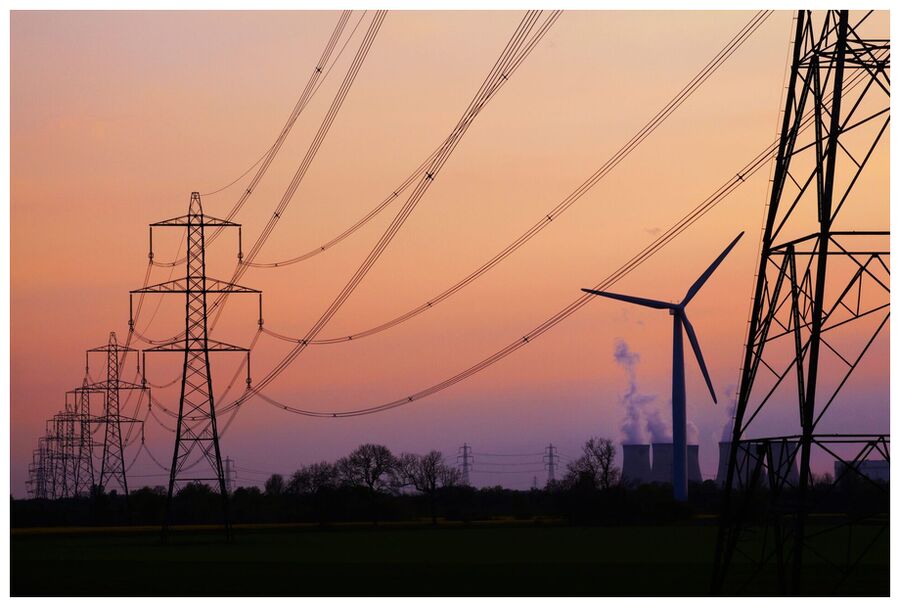
Has wind power REALLY saved the UK £104 billion?

Power Lines
© Off-Guardian Org
Have you heard that wind power has saved the people of Great Britain over one hundred billion pounds in the last decade?

That's the contention of a new study, which has been eagerly picked up and run with by all and sundry across the media landscape this morning.

Is the claim true? We'll get to that.

First, a little background.

The lead author of the paper is Colm James O'Shea. He's a 55-year old hedge fund manager who returned to University in 2023 to get a Masters in Climate Change. Why? We don't know.

The Guardian calls him a "former hedge fund manager", but according to Companies House and his own LinkedIn profile he's still the CIO of COPAC, the hedge fund he created in 2006.

The holdings of COPAC are not currently publicly listed (and their website is peculiarly blank), so I don't know if the fund has any investments in Green Energy projects.

Prior to starting his own fund in 2006, O'Shea had worked for — among others — Soros Fund Management and Balyasny Europe Asset Management. His involvement with Balyasny extended past the end of his employment there, as they are listed as a LLP Designated Member of his COPAC fund from 2005-2009.

A cursory search doesn't show Balyasny to have any green energy holdings either, but they have been buying up gas projects since 2023, including some in Denmark as recently as July...which is potentially interesting.

Does Balyasny benefit from news coverage potentially lowering the price of gas infrastructure? Or are their purchases intended to somehow sabotage the market and increase the price of gas?

Impossible to say at this point. There's nothing concrete in any of this, but there are interesting questions to ask.

But back to the paper itself, and the key question: Has wind power REALLY saved the UK £104 billion?