A strengthening bomb cyclone barreled across the northern U.S. on Monday, unleashing severe winter weather in the Midwest as it took aim at the East Coast.
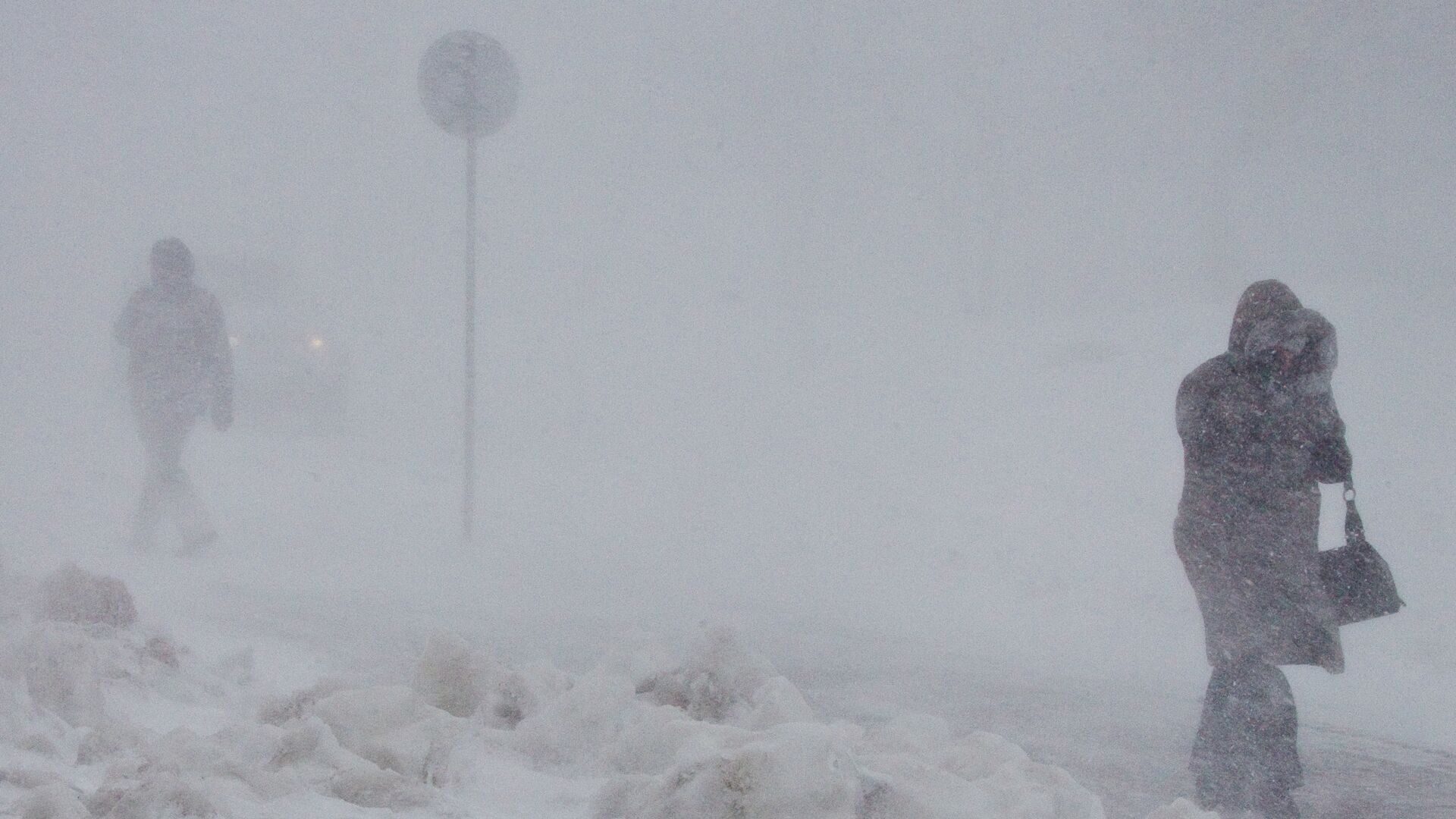
The storm brought blizzard conditions, treacherous travel and power outages to parts of the Plains and Great Lakes on Monday as sharply colder air, strong winds and a mix of snow, ice and rain swept through.
Forecasters said the storm intensified quickly enough to meet the criteria of a bomb cyclone, a system that strengthens rapidly as pressure drops. The sharp cold front left parts of the central U.S. waking up Monday to temperatures as much as 50 degrees Fahrenheit (28 degrees Celsius) colder than the day before.
All that wind and snow created "a pretty significant system for even this part of the country," said Cody Snell, a meteorologist with the Weather Prediction Center. Dangerous wind chills plunged as low as minus 30 F (minus 34 C) across parts of North Dakota and Minnesota.
Hussien Elkabany and Mohammad Sio Anadolu Agency Wed, 31 Dec 2025 12:31 UTC
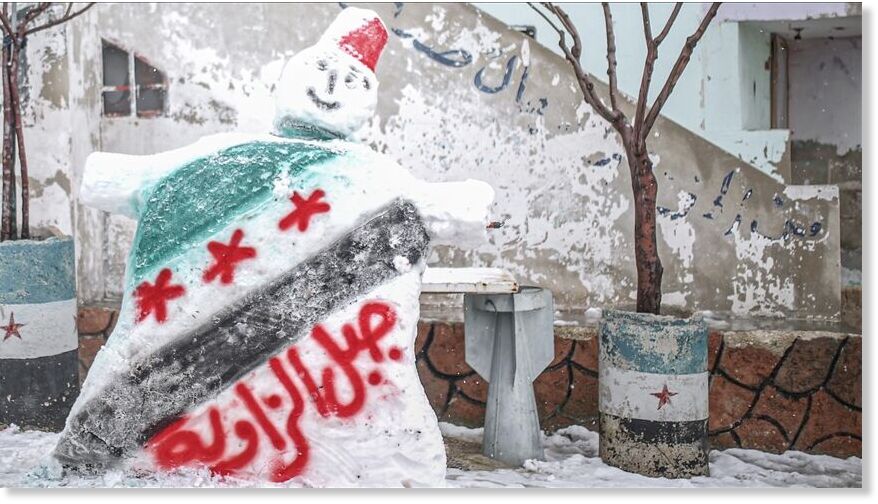
Snowfall and flash floods battered Syria on Wednesday, as authorities suspended classes in multiple provinces and placed civil defense teams on high alert amid a severe winter storm.
A snowstorm that struck northern Syria early Wednesday worsened conditions for internally displaced families living in camps across Idlib and the countryside of Aleppo, where limited resources left residents struggling to cope with freezing temperatures.
Government-led response efforts, spearheaded by the civil defense, sought to provide assistance within available means, according to the state-run Alikhbariyah TV.
Displacement camps in the city of Azaz, northwest of Aleppo, faced particularly dire humanitarian conditions as the snowstorm continued, with shortages of heating supplies and severe gaps in aid, exacerbating hardships for families, especially children and the elderly, the channel said.
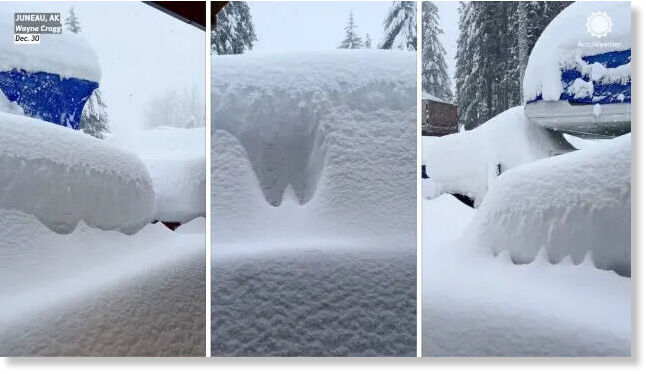
Snowfall in Juneau over the past week has smashed records for the city and borough, bringing avalanche risks and sunken vessels.
The previous record of 54.7 inches was set back in 1964, and this December will close with over 80 inches of snowfall. A typical year for Juneau brings about 80 to 81 inches of snowfall.
Nicole Ferrin from the NWS told reporters Wednesday that Juneau has broken the five-day snowfall record, the previous record being set in April 1963 with 45.9 inches.
"As of midnight last night, we had gotten to 46.8 inches at the airport," Ferrin said. "So we surpassed the previous longest record snow event at the Juneau Airport."
She states that no further major snowfall is expected over the next few days, but temperatures will drop.
Meteorologist Mike Masco has identified what he says could be a very active storm pattern for the Northeast and Mid-Atlantic from around New Year's Day into mid-January.
"I've been deconstructing the pattern this morning, and there are three key features that support an active stretch across the Northeast and Mid-Atlantic, including the potential for at least two sizable snow events, plus several smaller ones," Masco wrote on X.
Masco is a meteorologist for New York City-based PIX11 News and focuses on the Northeast and Mid-Atlantic regions.
He explained what the active post-New Year pattern could bring on a region-by-region basis:
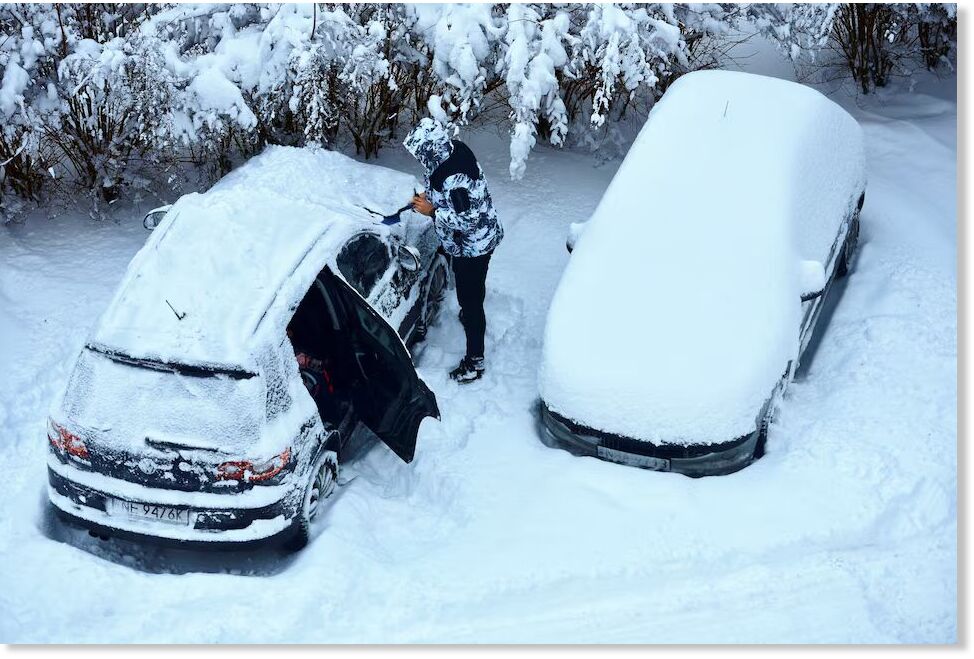
Heavy snowfall in Poland caused tailbacks stretching as far as 20 km (12.43 miles) on a motorway between the capital Warsaw and the Baltic port city of Gdansk during the night, police said on Wednesday. While the situation left hundreds of people trapped in their cars in freezing conditions, by the early hours of Wednesday morning traffic was moving again, according to police.
"The difficult situation began yesterday after 4 pm, when the first trucks on the S7 route... began having trouble approaching the slopes," said Tomasz Markowski, a spokesperson for police in the northern city of Olsztyn.
"This led to a traffic jam stretching approximately 20 kilometres overnight." Deputy Infrastructure Minister Stanislaw Bukowiec told a press conference that nobody had been hurt as a result of the difficult situation on the roads. Anna Karczewska, a spokesperson for police in Ostroda, said officers had tried to help drivers who found themselves stuck. Ostroda lies on the highway about 40 km west of Olsztyn.
"We helped as much as we could, and we had coffee and hot tea for the drivers, which the Ostroda City Hall had prepared for us," she said.
State news agency PAP reported that there had also been some disruption to railways and airports, but that services were returning to normal.
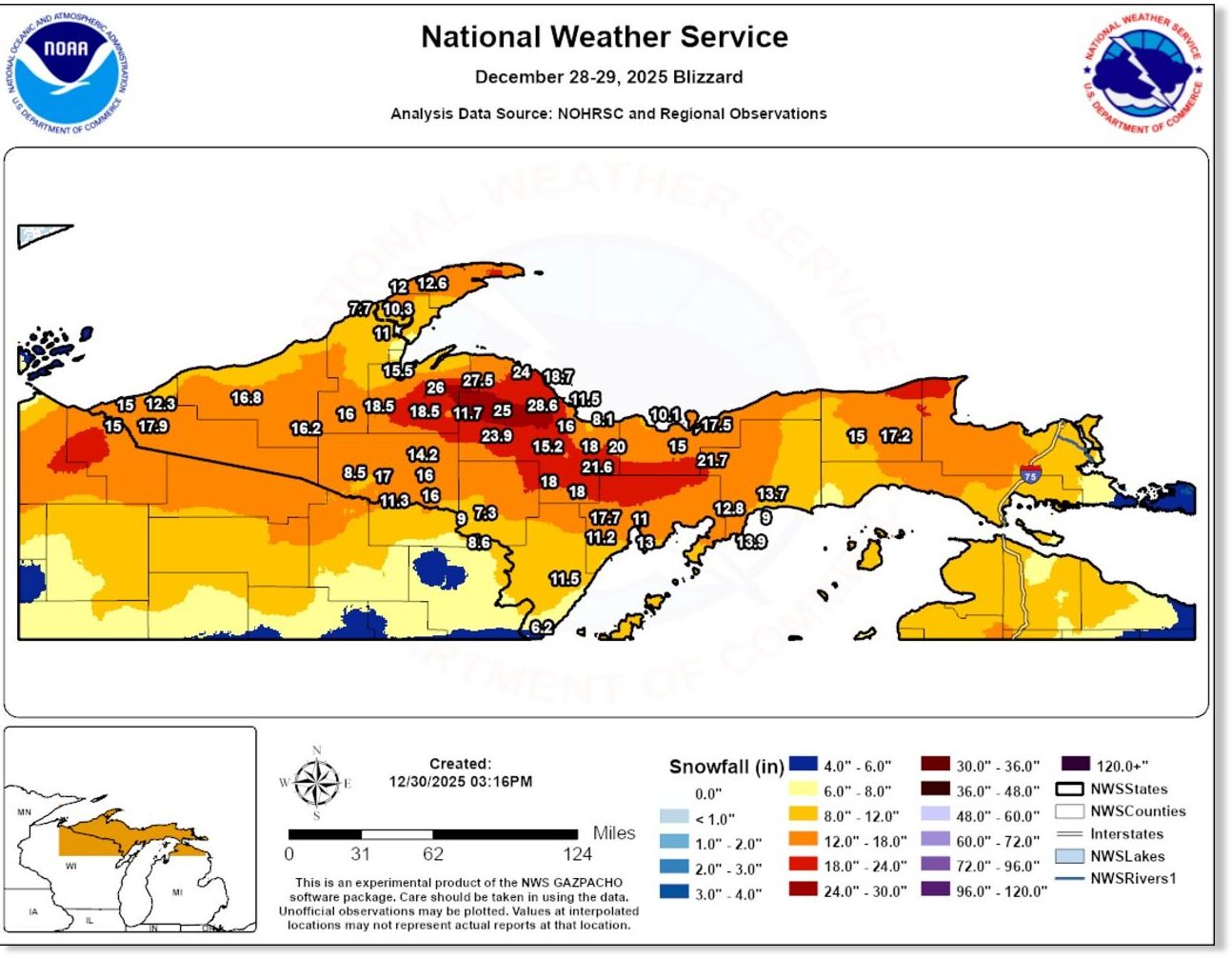
Some areas in the northern tier of the Upper Peninsula saw close to 30 feet of snow between Sunday and Monday.Graphic provided by the National Weather Service
The inch-counts have been tallied and the bragging rights have been secured after the latest Upper Peninsula blizzard. The National Weather Service team in Marquette today released the two-day snow totals from the severe winter storm that started on Sunday and lasted through Monday.
It brought feet of snow to parts of the U.P., and that snow was whipped around by wind gusts topping 70 mph in some areas.
"The most recent blizzard hit the U.P. hard, with much of the U.P. seeing a foot or more of snow and some locations in Marquette County seeing over 2 feet of snow!" the NWS meteorologists in Marquette said today.
The area where the NWS office is located clocked 28.6 inches of snow. "At our office in Negaunee Township, this reached the Top 10 of two-day snow totals since 1961."
Floods and blizzard left at least four people dead and nine others missing across Iran over the past two days, the Iranian Red Crescent Society (IRCS) said on Monday, reported Xinhua.
In a statement published on its website, the IRCS said the victims were from the northwestern province of West Azarbaijan and the southwestern province of Kohgiluyeh and Boyer-Ahmad.
It said that of those missing, eight were in the southwestern province of Khuzestan and one in Kohgiluyeh and Boyer-Ahmad, adding that its rescuers were using all available capacities to find them.
Heavy rainfall and snow have swept through more than 20 Iranian provinces since Sunday, causing floods and the blockage of intercity roads.
Extreme cold persists in Northern Canada, with temperatures ranging from -20°C to -40°C for several weeks. On Dec. 23, the region recorded its coldest December temperature since 1975.
You have heard of a summer heat wave, but what about a winter cold wave?
Parts of Yukon are experiencing prolonged, extreme cold--with temperatures ranging from -20°C to -40°C--lasting for weeks!
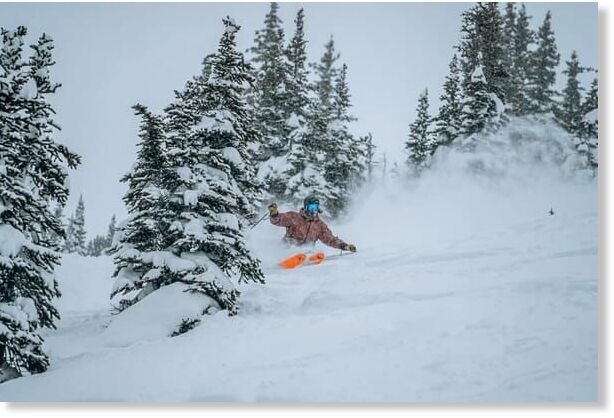
It's been a week of improvements across North America in almost all regions. The big change for the better is currently underway along the Pacific coast. It's the first of a series of storms set to continue over the next few days, which will hopefully bring snow rather than rain to lower elevations right down to California, and potentially five feet or more of it for some, really transforming conditions from the almost snowless state up to now.
Resorts have started opening and reporting up to 48 inches in 48 hours, so it's looking promising initially. Not so much will make its way to the Rockies, but things are slowly improving here too on the US side of the border, whilst on the Canadian side, up to a metre more snowfall has been reported, so steep and deep terrain is go. On the East Coast, a warm weather blip ended last week, but it's been back to mostly cold and snowy since.