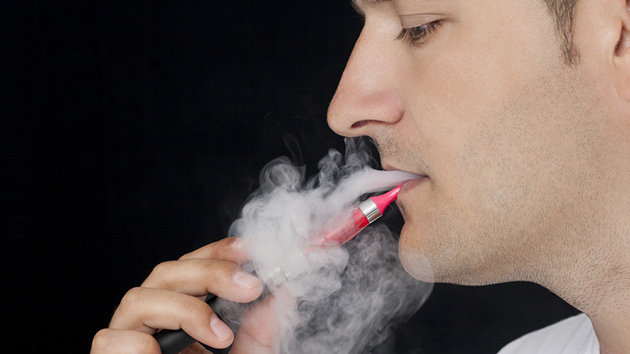
© patrisyu/Shutterstock
"An exotic fusion of pineapple and coconut with champagne infused blueberries."
"Creamy milk chocolate and rich peanut butter flavors."
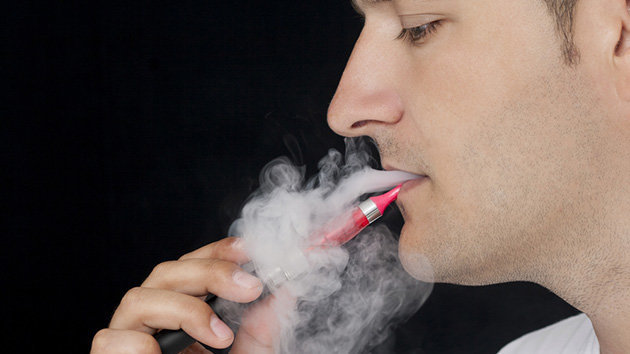
No, these are not excerpts from the dessert menu at a fancy hotel. They're some of the latest offerings from the makers of vape pens and e-cigarettes—which are the same thing, more or less. As e-cigs gain traction (sales are expected to soar seventeenfold over the next 15 years), manufacturers are having a heyday concocting flavors that can be inhaled—an estimated 7,000 to date. Public health experts warn of the addictive nicotine in e-cigs and vaping fluids, and their potential
to serve as a "gateway" to tobacco, especially for teens. But
a new Harvard study instead took a hard look at those tantalizing flavors—and found that a majority, at least of the samples tested, contained chemicals linked to a dangerous lung disease.Researchers at Harvard's T.H. Chan School of Public Health analyzed various e-cig and vape pen liquids for the presence of three related chemicals—
diacetyl, 2,3-pentanedione, and acetoin—that are also used in artificial butter flavorings. By the turn of the 21st century, the Food and Drug Administration (FDA) had deemed diacetyl safe to eat, but little was known about what happened when a person inhales it. Then,
in the early 2000s, workers at several plants that manufacture microwave popcorn came down with a nasty lung disease after prolonged exposure to the fake-butter fumes. The Occupational Safety and Health Administration (OSHA) investigated cases of this so-called popcorn lung and later released
guidelines for dealing with diacetyl in the workplace, along with
a list of foods that contain the chemical. "Current evidence points to diacetyl as one agent that can cause flavorings-related lung disease,"
notes the CDC's National Institute of Occupational Safety and Health. NIOSH says it is uncertain whether the other two compounds pose health risks, but it points out their chemical similarities to diacetyl.

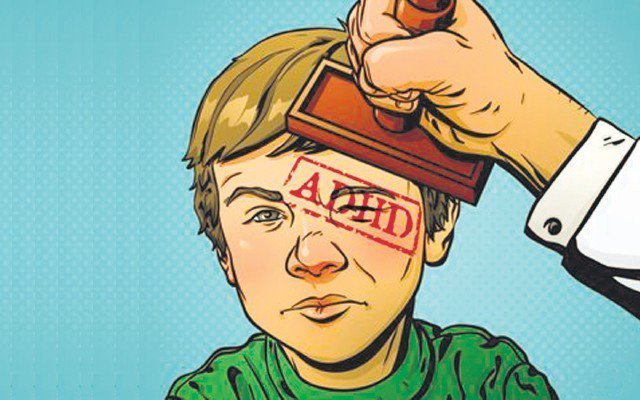








Comment: Turning classrooms into labs: ADHD diagnosis and the drugging of kids