Health & WellnessS


Health

Selenium has anti-cancer effects

nuts
Levels of selenium, a mineral essential for good health, are so low in soil that it's affecting the food chain, diets and, ultimately, the risk of disease. Low selenium levels may lead to a higher risk of cancer, a study has concluded.

Essential trace mineral Selenium (Se), has been noted to possess cancer-protective effects. The variation in human dietary intake is reflected in the global variation in blood Se levels, observed in Europe.

The richest food sources of selenium are Brazil nuts, kidney, liver and fish, but the foods that make the largest contribution to our selenium intake -- because we eat proportionately more of them -- are cereals, bread, meat and poultry.

Comment: More on selenium:


Health

The many proven healing powers of Ginkgo Biloba

ginko biloba
Ginkgo biloba has been researched to have potential value in the treatment of over 100 diseases. Here are just 17 proven ways it can heal.

The ginkgo biloba tree is unique in many ways. Also known as the "maidenhair" tree, it blooms only at night and sheds its blossoms immediately. Its fruit is said to stink of rancid butter. And it is a survivor.

The ginkgo is often referred to as a "living fossil." The term was coined by Charles Darwin and refers to a living species that has no close living relatives. The ginkgo species dates back over 270 million years to the era of dinosaurs. That is all the more amazing when you realize that the average plant species may survive only a few million years.

A single ginkgo tree can live as long as 1,000 years although one Daoist temple in Chinese claims a tree in its courtyard is about 10,000 years old. And in 1945 six of the trees are said to have survived in Hiroshima in the devastated area around the impact of the atom bomb.

The medicinal history of ginkgo is also long. Chinese records are believed to mention using the leaves as far back as 2800 BC to improve blood circulation and lung function. Fifteenth century records mention the use of the leaves for skin wounds and diarrhea.

Scientists have identified more than 40 components in ginkgo. So far only two - flavonoids and terpenoids - seem to have medicinal properties. Flavonoids are plant-based antioxidants that have been shown to protect the nerves, heart muscle, blood vessels, and retina from damage. Terpenoids (such as ginkgolides) are known to improve blood flow.

SOTT Logo Radio

SOTT Focus: The Health & Wellness Show: The Truth about Tobacco and the Benefits of Nicotine - Part 2

native tobacco
On today's episode of the Health & Wellness Show we followed up on last week's topic with further information about the benefits of smoking tobacco. We also delved into the history of tobacco use as well as some of its religious and anthropological implications and medical applications. As always, Zoya joined us with a Pet Health Segment on natural allergy remedies for pets. Tune in weekly on Fridays on the SOTT Radio Network!

Running Time: 01:29:53

Download: MP3


Bacon n Eggs

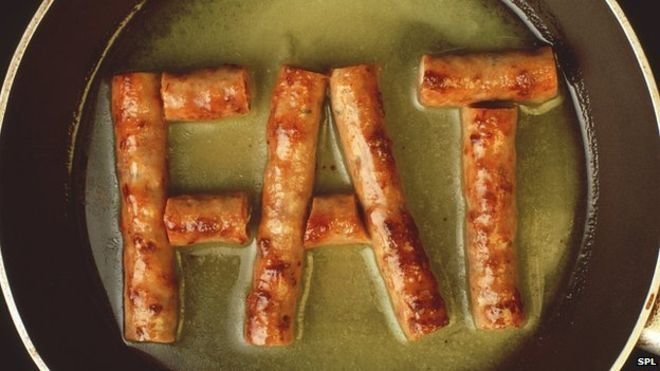
40 year old study could have reshaped the American diet - but it was never fully published

saturated fat
© BBC
It was one of the largest, most rigorous experiments ever conducted on an important diet question: How do fatty foods affect our health? Yet it took more than 40 years — that is, until today — for a clear picture of the results to reach the public.

The fuller results appeared Tuesday in BMJ, a medical journal, featuring some never-before-published data. Collectively, the fuller results undermine the conventional wisdom regarding dietary fat that has persisted for decades and is still enshrined in influential publications such as the U.S. government's Dietary Guidelines for Americans. But the long-belated saga of the Minnesota Coronary Experiment may also make a broader point about how science gets done: it suggests just how difficult it can be for new evidence to see the light of day when it contradicts widely held theories.

Comment: Read more about why Saturated Fat is Good for You:


Health

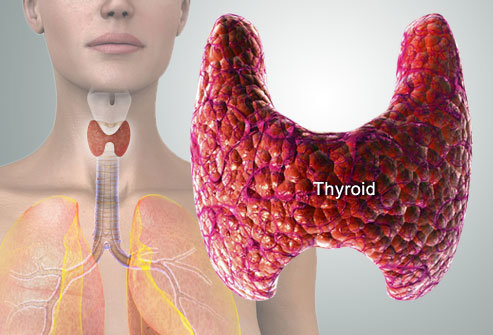
It's not cancer after all: Doctors reclassify thyroid tumor

Thyroid gland
An international panel of doctors has decided that a type of tumor that was classified as a cancer is not a cancer at all.

As a result, they have officially downgraded the condition and thousands of patients will be spared removal of their thyroid, treatment with radioactive iodine and regular checkups for the rest of their lives, all to protect against a tumor that was never a threat.

Their conclusion — and the data that led to it — are reported Thursday in the journal JAMA Oncology. The change is expected to affect about 10,000 of the nearly 65,000 thyroid cancer patients a year in the United States. It may also offer grist to those who have been arguing for the reclassification of some other forms of cancer, including certain lesions in the breast and prostate.

Comment: How long will it take for this declaration to make it into the treatment rooms and for the medical dogma to change? Questions about your thyroid? Consult an iodine-knowledgeable doctor and educate yourself.


Health

Allergies decrease when parents suck on their babies pacifiers rather than boil them

parents with pacifiers
For decades, health officials have been telling parents to not share utensils with their babies or clean their pacifiers by putting them in their mouths, arguing that the practice spreads harmful germs between parent and child. But new research says children whose parents clean their pacifiers by sucking them might be less likely to develop allergic conditions because of how their parents' saliva changes their microbiomes.

In a study on a small group of 184 Swedish babies published in the Journal Pediatrics found that infants whose parents sucked on their pacifiers to clean them had almost a 60% reduction in eczema and 90% reduction in asthma, developing fewer allergies than children whose parents typically rinsed or boiled them at 18 months of age. They also had lower rates of eczema, fewer signs of asthma and smaller amounts of a type of white blood cell that rises in response to allergies and other disorders.

Comment: As a wise man once said:
God made dirt
And dirt don't hurt
Put it in your mouth
And make it work!


Beaker

Fast food eaters have elevated levels of endocrine disrupting phthalates in their bodies

Fertiggerichte,Fast Food, Pizza Burger Chips
© Syda Productions/Shutterstock
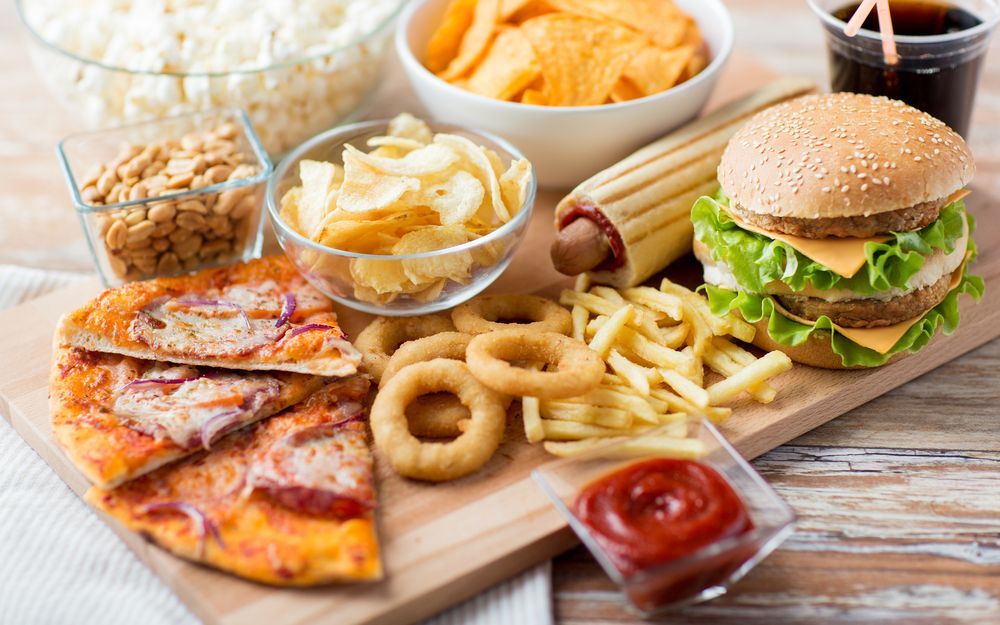
People who reported eating fast food in the last 24 hours had elevated levels of some industrial chemicals in their bodies, according to a new analysis of data from federal nutrition surveys.

The study is the first broad look at how fast food may expose the public to certain chemicals, called phthalates, that are used to make plastics more flexible and durable. The chemicals, which don't occur in nature, are common in cosmetics, soap, food packaging, flooring, window blinds, and other consumer products. The Centers for Disease Control says "phthalate exposure is widespread in the U.S. population."

Though the health consequences of encountering these substances aren't fully known, scientists have increasingly focused on their effects on health and development, particularly for pregnant women and children. Research in rats has shown that they can disrupt the male reproductive system, and there's evidence for similar effects in humans.

The latest research suggests that fast food is a significant source of the chemicals, which may leach into food from machinery used in processing or packaging, or from gloves worn by workers.

Take 2

SOTT Exclusive: Robert DeNiro on VAXXED, 'There's something there people aren't addressing'

vaxxed
The mainstream media is doing a thorough smear-job on Robert De Niro's recent performance on the Today Show, so I thought I would add some perspective for the sake of balance. Mr. DeNiro discusses the movie in the clip below:

Over the weekend, I went to see VAXXED down at the Angelika Film Center here in New York City. What I saw when watching VAXXED was not some anti-vaccine propaganda, rather a well-constructed display of corruption at the CDC. The film follows Dr. Brian Hooker as he gets access to original CDC data via a whistleblower from inside the organization, Dr. William Thompson. Dr. Thompson alleges a conspiracy of incredible proportions; destruction of documents, obstruction of justice, and grievous harm inflicted upon children are just a few of the crimes this film suggests occurred. When you see it for yourself, and compare the evidence to the testimony of parents who have autistic kids, you just can't help but ask yourself, 'are we being lied to?'

Comment: Further reading is available here: VAXXED was also discussed on SOTT Radio: The Health & Wellness Show: Connecting the don'ts, and what you can actually do


Cloud Precipitation

Using recycled city water can contaminate your garden with pharmaceuticals

water hose
Do you water your vegetable garden with recycled city water? If so, you may be eating pharmaceutical contaminants that accumulate in your food.

A recent study by the American Chemical Society published by Chemistry and Engineering News shows that "eating vegetables grown using reclaimed water boosts urine levels of carbamazepine, an anti-epileptic drug commonly detected in wastewater" meaning that anyone who consumes this produce is exposed to the carbamazepine drug in detectable dosages.

The drug can enter waterways in a multitude of ways, from drain disposal of unused medication, excretion through the urinary tract of those who consume it, and even water that is disposed of by facilities that produce drugs. Since the carbamazepine drug is transmittable through the waterway, this has sparked the attention of agricultural workers who utilize large amounts of water for their crop irrigation systems.

Comment: Unfortunately, with many states making the collection of rainwater illegal, options are limited.


Heart

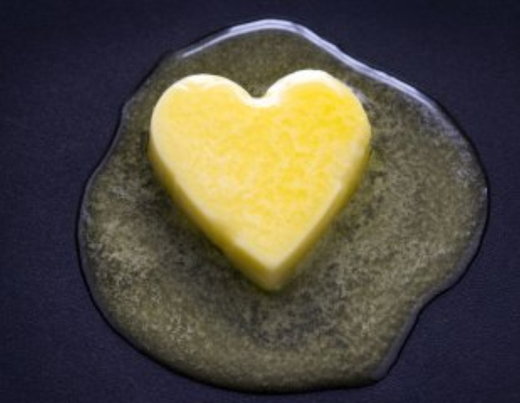
Pass the butter: Replacing butter with vegetable oils does not reduce heart disease risk or overall mortality

butter heart
© shutterstock
New research of old data suggests that using vegetable oils high in linoleic acid failed to reduce heart disease and overall mortality even though the intervention reduced cholesterol levels. And researchers found that consuming vegetable oils might actually be worse for heart health than eating butter.

A research team led by scientists at the UNC School of Medicine and the National Institutes of Health has unearthed more evidence that casts doubt on the traditional "heart healthy" practice of replacing butter and other saturated fats with corn oil and other vegetable oils high in linoleic acid.

The findings, reported today in the British Medical Journal, suggest that using vegetable oils high in linoleic acid might be worse than using butter when it comes to preventing heart disease, though more research needs to be done on that front. This latest evidence comes from an analysis of previously unpublished data of a large controlled trial conducted in Minnesota nearly 50 years ago, as well as a broader analysis of published data from all similar trials of this dietary intervention.

The analyses show that interventions using linoleic acid-rich oils failed to reduce heart disease and overall mortality even though the intervention reduced cholesterol levels. In the Minnesota study, participants who had greater reduction in serum cholesterol had higher rather than lower risk of death.

"Altogether, this research leads us to conclude that incomplete publication of important data has contributed to the overestimation of benefits -- and the underestimation of potential risks -- of replacing saturated fat with vegetable oils rich in linoleic acid," said co-first author Daisy Zamora, PhD, a researcher in the Department of Psychiatry at the UNC School of Medicine.

Along with corn oil, linoleic acid-rich oils include safflower oil, soybean oil, sunflower oil, and cottonseed oil.

Comment: See also: