Health & WellnessS


Health

Flashback Butter is bad - a myth we've been fed by the 'healthy eating' industry

Image
'The anti-sat-fat message has been used effectively by food manufacturers to woo us away from whole, natural foods, such as butter, which is only minimally processed, on to their products, which are entirely the opposite, such as margarine.'
Government and health charities have been doling out duff healthy eating advice for decades, but when are they going to admit it? That's the question raised by the remarks of cardiologist Aseem Malhotra, who writing in the BMJ has challenged the orthodoxy that the consumption of foods containing saturated fat, such as butter and red meat, causes heart disease.

Malhotra is brave and principled to speak out, yet he is far from a lone voice. In 2010, a major review of scientific studies on fat, published in the American Journal of Clinical Nutrition, concluded that contrary to what we have been lead to believe, "there is no convincing evidence that saturated fat causes heart disease". In the UK, other independent-minded nutritionists and medics, including John Briffa, Zoe Harcombe, and Malcolm Kendrick, have vociferously countered the biggest public health dogma of our times. It's the same story in the US, where influential voices, such as Garry Taubes, Michael Pollan and Robert Lustig, have all called time on the notion that saturated fat is the devil incarnate.

Why? Counter-intuitive though it might seem, there's no evidence that fat is fattening. Indeed by sating the appetite effectively, it may prevent overeating. To quote Kendrick, "there is not one molecule of evidence to suggest that saturated fat consumption causes obesity". What's certain is that saturated fat is a key component of our cell membranes, and essential for the production of certain hormones. It also acts as a carrier for important vitamins, and is vital for mineral absorption, and many other biological processes. So why has the public health establishment so assiduously encouraged us to shun it?
Comment: Bring back the eggs, butter and bacon!

10 Reasons Why I Love Butter
Heart of the Matter - Dietary Villains
Higher cholesterol levels associated with improved outcomes in stroke
From the Heart: Saturated fat is not the major issue
Swedish Expert Committee: A Low-Carb Diet most effective for weight loss


Health

More evidence that anti-bacterial soaps do more harm than good

handwashing
© UGA
Mounting data suggest antibacterial soaps do more harm than goodFew pros, but cons include upped risk of infection, microbiome changes, drug resistance.

Whether you're coming home from an airport fluttering with international germs, a daycare full of sticky-fingered toddlers, or just a grimy office building, scrubbing your hands with bacteria-busting soap seems like a great idea. But the data that have washed up on the cleansers in recent years suggest that they actually do more harm than good—for you, those around you, and the environment.

Scientists report that common antibacterial compounds found in those soaps, namely triclosan and triclocarban, may increase the risk of infections, alter the gut microbiome, and spur bacteria to become resistant to prescription antibiotics. Meanwhile, proof of the soaps' benefits is slim.

Comment: Natural soaps are best. No need to poison yourself.


Attention

Fukushima 5 years later: Health officials still refuse to ask 'how many casualties?'

Fukushima,Radioaktivität
© lassedesignen/fotolia.com
Last month made five years since the nuclear plant at Fukushima, Japan suffered meltdowns. The release of highly toxic radiation from the reactors was enormous, on the level of the Chernobyl disaster a generation earlier. But Fukushima is arguably worse than Chernobyl. There were four reactors that melted down, vs. just one at Chernobyl. And the Chernobyl reactor was buried in a matter of weeks, while Fukushima is still not controlled, and radioactive contaminants continue to leak into the Pacific. In time, this may prove to be the worst environmental catastrophe ever.

Japan, which had 54 reactors in operation, closed them all to improve safety features. But the nation's people, who had suffered from the two atomic bombs at Hiroshima and Nagasaki, are adamantly against nuclear power. As a result, despite strong efforts of government and industry, only three (3) reactors have been brought back on line.

While the people struggle against leaders to determine the nuclear future of Japan, many questions remain. The most crucial question is, without doubt, how many casualties occurred from the 2011 disaster?

Comment: Further reading: 5 years later: Why you should still be paying attention to Fukushima


Megaphone

Norwegian Study accuses Monsanto of falsely claiming GMOs are safe

Norway panel
International findings on the safety of Genetically Modified Organisms are rarely reported on in Western mainstream media. Despite fierce resistance to GMOs in other countries, North Americans are just now starting to learn that GMOs are unsafe for human consumption, and that they pose significant environmental risks, too.

This is precisely why dozens upon dozens of countries around the world have completely banned GMOs from being imported or grown in their country. While major Western government health organizations say the science is clear on their safety, multiple governments, researchers, and scientific publications around the world beg to differ.

The Norwegian government, via The Norwegian Biotechnology Advisory Board (NBAB), is one such group. Commissioned by the Norwegian Environment Agency late last year to develop a guidance document in line with the Norwegian Gene Technology Act, their aim was to assess the sustainability of genetically modified (GM) herbicide-tolerant (HT) plants.

Comment: Twenty-six countries ban GMOs - Why won't the U.S.?


Life Preserver

Reflexology: The health benefits of a foot massage

reflexology
© oldmilltoronto.com
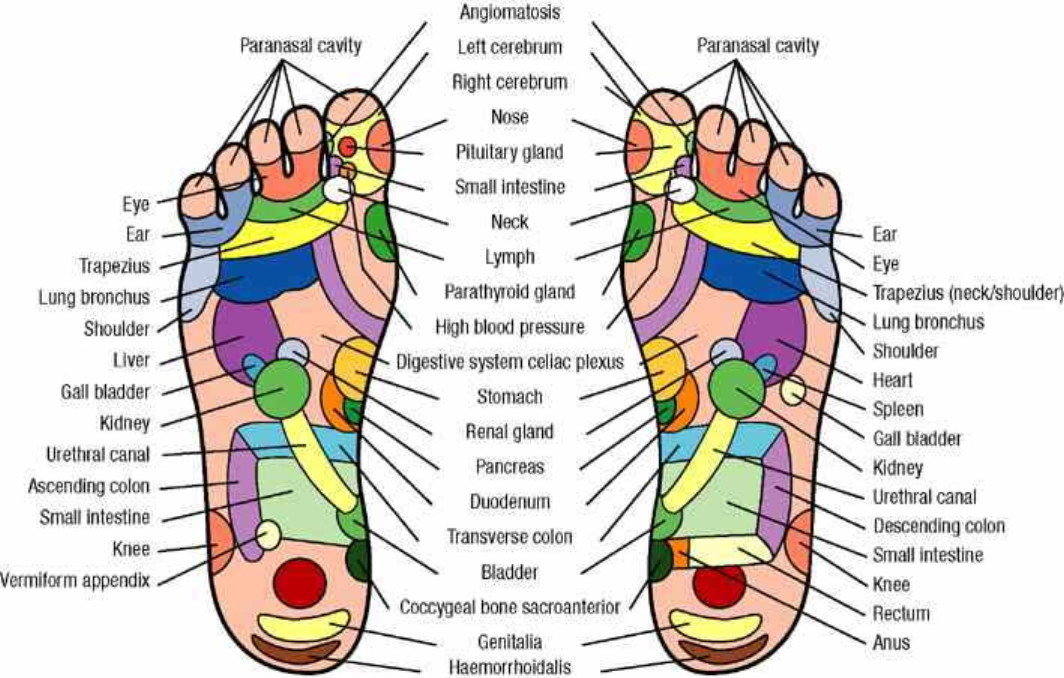
If I told you that you could improve you liver health or relieve a sore neck by giving yourself a foot massage, there is a good chance that you would be pretty skeptical about it. If you are not skeptical of it, you are probably surprised by it, and if you are not surprised by it then you have probably heard of reflexology.

Reflexology is a therapeutic method of relieving pain and improving health throughout the entire body by stimulating pressure points that are found on the hands and feet. Although most people go to a professional reflexologist for this, you can still get the benefits of this therapy by doing it on your own. But before I show you how to perform reflexology on yourself, first I'll you all of the benefits that it could provide you with and why it works.

Butterfly

Mindfulness meditation and yoga effective in reducing chronic back pain

meditation
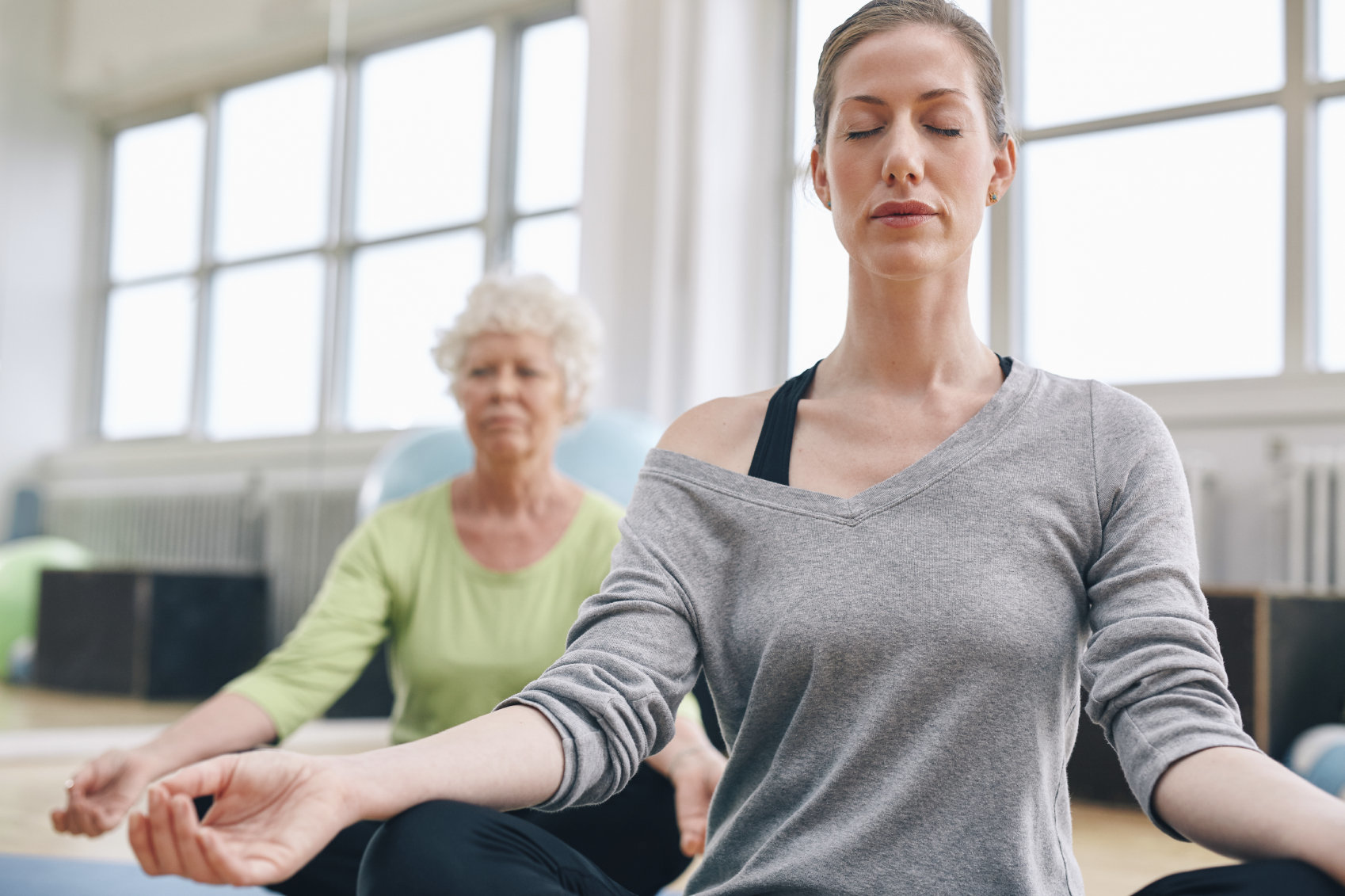
It might seem too good to be true that relief from that nagging back pain could be found in meditation and yoga. But a new study suggests this approach might be just as effective as cognitive behavioral therapy, a common technique involving relaxation and education. And both could be more effective than popping an over-the-counter pain reliever.

Researchers compared the two approaches in 229 adults between ages 20 and 70 with long-term low back pain. They assigned about half to receive eight weekly sessions of mindfulness-based stress reduction, involving meditation and yoga, and the other half to receive eight sessions of cognitive behavioral therapy, which focuses on helping people change the way they think about pain. Another 113 adults continued their usual care, which often involved ibuprofen and other pain meds.

The researchers found that by the end of the eight-week course, 47% of people in the mindfulness group said their back pain was less disabling, based on factors such as difficulty walking and carrying out everyday activities. A similar number of people, 52%, in the cognitive behavioral therapy group reported less disabling pain. Both groups fared better than the group that did not change treatment, of whom only 35% had experienced improvements.

"Our results confirm what has already been found for (cognitive behavioral therapy), and we went beyond that to show this other mindfulness approach was equally effective for chronic back pain," said Daniel C. Cherkin, a senior scientific investigator at the Group Health Research Institute in Seattle. Cherkin is the lead author of the study, which was published Tuesday in the Journal of the American Medical Association.

Comment: There are a number of other alternative therapies that can help to alleviate pain as well as the accompanying stress and anxiety:


Heart - Black

The business of modern cancer treatment

cancer
Being diagnosed with glioblastoma multiforme, a type of brain tumor, is considered a death sentence by modern medicine.

Despite a decades-long war on cancer, and the "most advanced" treatments known to 21st century oncologists, people who develop this aggressive, fast-growing cancer are given a prognosis of about 15 months to live — if they're lucky.

Aggressive treatment, including surgery, radiation and chemotherapy, is often started, even though oncologists know it won't cure the disease. If you ever find yourself in this type of nightmarish scenario, you can imagine the desperation you would feel to find something, anything, that might offer hope.


Comment: What's worse is that these 'therapies' are likely to facilitate the spread of cancer and make it more malignant.


Most people turn to their oncologists or neurosurgeons with such requests for possible experimental or outside-the-box treatments, but you're unlikely to receive any help that deviates from the hospital's standard protocol.

It's not that such treatment options don't exist; they do. The problem is that the oncologist can't, or won't, prescribe them. To do so would risk his or her reputation and even medical license, should you decide to sue.

Comment: The primary reason that the medical/pharmaceutical cartel will never find a cure for cancer is that the current business model is far too lucrative. While cancer is complex and there are no magic bullets, there are numerous and effective methods to help prevent and combat the disease.


Health

The rise of cellulite mania and the futility of resistance

naked women painting
© wikipediaBasically everyone has cellulite—how did it become an object of obsessive media scrutiny?
As summer approaches, so does the imagined scourge of cellulite. In glossy magazines and online tabloids, headlines devoted to the condition flourish—some of which scrutinize celebrities for failing to deal with the issue appropriately ("15 Celebrities Who Battle Cellulite," "Imperfections of the Rich and Famous") and others which intend to instruct women how to avoid it themselves ("How Do I Get Rid of Cellulite?" and "10 Ways to a Smoother Bottom").

Our culture's current hostility to subcutaneous fat is extremely well documented; biologically, however, cellulite is pretty much inevitable. "It is a secondary sex characteristic, just like breasts," says Max Lafontan, a senior research fellow at Inserm, the French Institute of Health and Medical Research, and an expert in adipose tissues.

According to him, at least eight out of ten women are affected by this kind of fat, which most often settles on the buttocks, the thighs, and the stomach. It is a useful stock of energy in case pregnancy or breast-feeding. "The structure of women's skin is different from that of men," says Lafontan. "Cellulite appears when fat cells begin to swell and disturb the nice homogeneity of the tissue."

Comment: Save your money and your energy and love your body the way it is.

See also: Cellulite: It's Time We All Just Get the Hell Over It


Heart - Black

Why 'Alternative Medicine' is a dirty word to Big Pharma & the Medical Mafia

Alternative Medicine
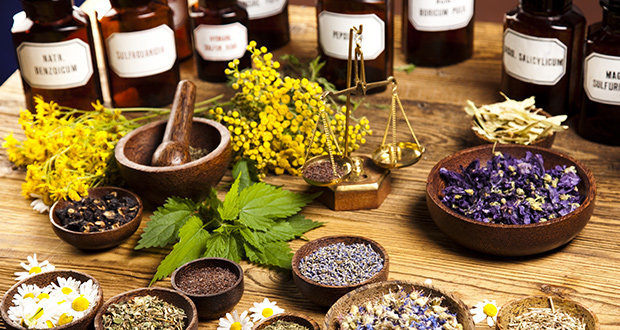
Old wives tales and recipes for remedies from your grandmother is woven into the fabric of most lives. Many of us grew up with parents who attempted a home cure before buying medicine or (heaven forbid) making an appointment with the doctor.

A couple of generations ago, the average population didn't seek out a doctor unless it was clear that it was a serious illness and had exhausted all efforts at handling the problem at home. When doctors weren't available, or affordable, families sought relief in what is now referred to as holistic medicine or "alternative" medicine.

Comment: Why conventional doctors ignore alternative medicine


Take 2

Why is the Center for Disease Control petrified of the film Vaxxed?

censorship
America's patrons of the theatric and visual arts, the lovers of film, dance and music, are among the nation's most diehard advocates for liberty, self-expression, and art's civil rights to challenge the failures and wrongs in the social and political status quo. During every decade, during every generation, many of our most memorable artistic achievements and performances are recognized as such because they raise relevant and timely insights that stir controversy. Projected on the screen, films can magically crack the veil of our collective illusion, the mythic, wonderland fantasy of self-deception and ignorance perpetuated by governmental and corporate powers to manipulate a mentally compromised mainstream media. By their very nature, documentary films offer an alternative story to the scripted propaganda streaming across our TV screens and monitors. Frequently they adventure into a deeper reality that so often underlies the mere posturing and veneer of half truths and lies that take hold of society and masquerade as fact. For this reason, artistic truth and censorship are a horrible marriage and have never been suitable bedfellows.

The recent controversy over the acceptance and rapid withdrawal of the documentary film, Vaxxed: From Coverup to Catastrophe, at Manhattan's Tribeca Film Festival, is an alarming case of censorship to protect the guilty and demonize a messenger of warning, the film's director Dr. Andrew Wakefield.[1] Popular scientific consensus has yet to tackle the huge uncertainty gap to identify the most probable causes of autism. Legitimate medical protocol and integrity demands honest debate of all the scientific evidence, regardless of its undesirable conclusions. Yet the CDC and Big Pharma adamantly refuse to engage in such a debate and review. Therefore the expurgation of Wakefield's film is a dangerous step closer to widespread medical McCarthyism.

Comment: What happened to freedom of choice? Right to Vaccinate Vs. Medical Tyranny
It seems as though people have lost sight of the fact that this is NOT a right or wrong question, it's simply a choice.

The reason for the conundrum is quite simple. For the last 100 years (or so), people have had academic/industry experts/government/media tell us what to think, what to buy, what to put in our bodies, all with "good intentions" because they know what's best for you.

I've heard people say "You read all that stuff on the internet", but everything is going paperless now, and the internet has become a "universal library" of sorts. I'm sure those that use that generic phrase are all in a rush to head to the closest university library to delve into hours of research, because that's one of the few sacred places where you can find accurate information on this and any other subject matter.

Yes, there is a ton of disinformation out there, both from experts and armchair researchers alike... and for various reasons. This is where discernment comes in. This is where an un-biased approach is needed to make an informed/sound decision. This is where free will and your rights must be exercised; otherwise people who seek to advance one of the many agendas that exist in this world will capitalize on the apathy and blind trust that infects society like a plague.