Health & WellnessS


Health

Fasting-like diet has profound effect on autoimmune & inflammatory conditions

fasting
According to a human study, a fasting-like diet switches on a process in which the body kills bad cells and begins to generate new healthy ones

Researchers believe that evidence is mounting that a diet which mimics cyclical fasting has way more health benefits than mere weight loss. A new USC-led study shows that it may reduce symptoms of multiple sclerosis...and beyond.

The new study, published in the journal Cell Reports, included mice and human patients who have multiple sclerosis, a debilitating neurological/autoimmune disease that affects about 350,000 Americans. The immune system turns on itself and attacks the myelin sheath which is crucial for the conduction of nerve impulses through the nervous system. Malfunctioning T cells attack the myelin and damage nerve fibers. The symptoms are similar to Lyme disease in that they can lead to blindness and paralysis.

Take 2

Nurses, physicians & parents react to the VAXXED documentary

vaxxed Q&A
© thinkingmomsrevolution.com
Perhaps the most controversial and most important documentary film to be released in many years, VAXXED: From Cover-Up to Catastrophe, tells the true story of how corporate and private interests have influenced the medical establishment in regards to vaccines, and are forcing dangerous products and vaccine schedules onto America's children. Not at all anti-vaccine, the film is clearly pro-good vaccine and pro-responsible vaccine schedules without the tainted decision-making process we presently have.

Directed by Dr. Andrew Wakefield, VAXXED received a tremendous amount of controversy when it was released due to the fact that Robert DeNiro, himself the father of a vaccine damaged child, opted to pull the film from the Tribeca film festival citing the film's unlikelihood to contribute positively to the debate on vaccines. Since his decision, it has become clear that his move was one of the greatest public relations tricks of all time, as it successfully launched the film into the spotlight, causing a tidal wave of global interest.

Comment: Why the documentary Vaxxed is controversial
Del Bigtree is an Emmy award-winning medical journalist who produced the film Vaxxed. In an excellent interview, Bigtree revealed how he became acquainted with Dr. Andrew Wakefield and made the decision to produce the important documentary.

When questioned as to his objective in producing the film Vaxxed, Bigtree stated:
"I want the media to be held accountable for the weeks and weeks of covering a measles outbreak at Disneyland, terrifying people when only 644 people were affected. That's .000002% of the people in this country, which effectively translates to zero, when one in 45 kids is now diagnosed with autism. I'd like the media to explain why it won't cover the story of a top CDC scientist who admits they committed fraud on the MMR study when they discovered a causal link between the vaccine and autism, a disease that is accelerating so fast it could spell the end of our society. If that's not a story, what is?

I also hope the film will be a tipping point that will allow tons of doctors to come forward and admit they've long known there's a link between vaccines and autism. It should create questions among mainstream audiences about the whole nature of safety testing in medicine. Drugs have to undergo rigorous studies which are far more expensive than the limited safety work done with vaccines. I want parents to realize that their kids' vaccines are not being appropriately studied—they haven't been studied nearly as well as Viagra. We've been playing Russian roulette with the health of the children in this country." [10]


Attention

Seven deadly poisons - and a law that won't protect you

toxic plastic
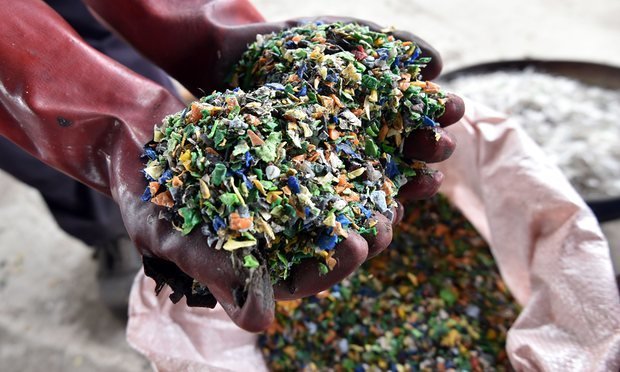
© Sia Kambou/AFP/Getty Images Crushed plastic waste. Plastics can contain phthalates and other harmful chemicals.
The US is set for the first legislation to regulate toxic industrial chemicals in 40 years.

You might think this would be cause for celebration. However, the bill updating the Toxic Substances Control Act continues to put the industry's interests above those of the public. It does make some improvements, such as requiring new chemicals to be safe before being sold and giving the Environmental Protection Agency the power to demand safety data. But on balance, it does too little to protect Americans from chemicals that cause cancer and nervous system disorders, impaired fertility, immune system dysfunction and a host of other health problems.

In the first year under the new law, the EPA will be required to review just 10 of the tens of thousands of chemicals used in commerce that have never been tested for safety. The law fails to give the agency adequate resources and clear legal authority to take timely action. Companies could further delay things by taking the EPA to court. In short, people will still be routinely exposed to hazardous chemicals, including the following dangerous substances.

Comment: The EPA is a completely useless regulatory organization! No amount of 'adequate resources' will change the facts: The EPA favors industry when assessing chemical dangers
Under the Toxic Substances Control Act of 1976, the EPA has 90 days to review any new chemical, and determine regulatory guidelines like safe levels of use. If the EPA does not set regulations within that time - and they often don't - companies are free to use and sell that chemical how they see fit.

EPA has only tested and published data on approximately 200 of the 83,000 chemicals in its inventory, according to a California Senate review from 2010. Concerns over health effects can lead the EPA to take a second look at certain chemicals, as is the case with Atrazine.


Info

More things you probably didn't know about gluten

Gluten
© Getty Images
There's been a bit of gluten-free backlash lately, but this trend doesn't seem to be slowing down. A recent poll found that nearly 30 percent of U.S. adults say they're trying to go gluten-free, and Googling the term generates more than 95 million results. If you're on the gluten-free bandwagon, either because you must avoid gluten due to celiac disease, or because you think you may be sensitive, here are five new bits of info you should know.

Gluten may not be the only culprit in celiac disease.

A recent study from researchers at Columbia University concluded that wheat proteins beside gluten may also trigger problematic symptoms in people with celiac disease. While gluten is the primary type of protein in wheat, a substantial number of study subjects with celiac disease had an immune reaction to five groups of non-gluten proteins. In other words, there is likely more to understanding celiac disease than scientists currently know, so stay tuned.


Comment: For more information on wheat and gluten intolerance read the following articles:


Info

Monsanto loses major PCBs poisoning lawsuit - forced to pay $46 million to victims

Monsanto lawsuit
© natural society
Three plaintiffs have been awarded $17.5 million in damages caused by Monsanto and three other companies for negligence in the production of PCBs.

A jury voting 10-2 in St. Louis found Monsanto, Pfizer, Solutia, and Pharmacia must pay the plaintiffs and assessed an additional $29 million in punitive damages against Monsanto for its continued selling of polychlorinated biphenyls, or PCBs, after the compound had been banned, the St. Louis Post-Dispatch reported. Plaintiffs in this case — three of nearly 100 involved in litigation, some of whom died — said they developed non-Hodgkin lymphoma from exposure to PCBs.

"All of us could pretty much agree that Monsanto was negligent," said juror Nathan Nevius in the Post-Dispatch.

Comment: Read more about other cities that are sueing Monsanto over PCBs:


Magic Wand

Cleanse & restore with herbs

herbs

Though they have been used for centuries as medicine, medical science is finally beginning to look at the evidence proving that food and herbs are the most effective, powerful healers.


Holistic healing systems share a core concept that is critical to success in almost all natural therapies. Practitioners are very concerned about making sure that the body eliminates all its metabolic wastes, and that new harmful substances do not enter the body and wreak havoc.

At the most basic level, health maintenance is relatively simple: give the body what it needs, and don't let it have much of what it what it doesn't need—and body will run itself. Failing that, imbalances occur, and harmful substances to which you are exposed may not get eliminated quickly or efficiently enough. Cleaning out poisons that build up in the body—safely, naturally and effectively—can result in renewed strength and vitality.

Comment: Learn more about the numerous benefits of herbs: The Health & Wellness Show: Medicinal Herbs


Beaker

Not so inactive: So-called inert ingredients make Roundup far more toxic than glyphosate alone

roundup
Glyphosate, the active ingredient in Monsanto's Roundup herbicide, has been the focus of increasing scrutiny after the International Agency for Research on Cancer (IARC) determined it to be a probable human carcinogen.

Yet, glyphosate is not the only ingredient in Roundup and other glyphosate-based products, nor is it the only potentially toxic ingredient.

The formulation includes a number of so-called inert ingredients as well, and these have largely evaded scrutiny because they were concealed as proprietary "trade secrets."

Monsanto is now facing multiple lawsuits from people who developed non-Hodgkin lymphoma after using Roundup. The suits allege that glyphosate, along with the product's inert ingredients are to blame, and in fact that the mixture of chemicals together is far more dangerous than glyphosate alone.

According to the Intercept, one of the lawsuits states, "Monsanto 'knew or should have known that Roundup is more toxic than glyphosate alone and that safety studies of Roundup, Roundup's adjuvants and 'inert' ingredients' were necessary."1

Inert Ingredients in Glyphosate-Based Herbicides Are Toxic to Living Cells

Most studies looking into glyphosate toxicity have only studied glyphosate and its toxic breakdown product, aminomethylphosphonic acid (AMPA), even though the presence of "inactive" compounds are likely amplifying glyphosate's toxic effects.

A 2012 study revealed that ingredients such as solvents, preservatives, surfactants and other added substances are anything but "inactive." They can, and oftentimes do, contribute to a product's toxicity in a synergistic manner — even if they're non-toxic in isolation.

Certain adjuvants in glyphosate-based herbicides were also found to be "active principles of human cell toxicity," adding to the hazards inherent with glyphosate.


Comment:


Arrow Down

Congress bows to the chemical lobby on regulating toxic chemicals

toxic chemicals
PVC plastics like the one used to make this children's swim toy have been linked to hormone malfunctions and birth defects — but Congress is making it harder to regulate these dangerous chemicals.
To the applause of the chemical industry lobby, Congress is sending a new Toxic Substances Control Act (TSCA) bill to President Obama. Anyone familiar with this law knows that it is the weakest of all U.S. environmental statutes, leaving the majority of the 85,000 chemicals in our toys, clothes, homes, schools, and workplaces unregulated and untested for their health effects.

And if Congress and the chemical lobby have their way, none of that will change.

Comment: More of the same...business as usual! Congress has neglected the problem of dangerous chemicals in consumer products for decades, to the great benefit of chemical industry profits. More than 80,000 synthetic chemicals are used in the U.S. - only 200 have been tested under the Toxic Substances Control Act of 1976. We are all guinea pigs in a vast experiment of the chemical alteration of our environment. Hope you are enjoying your daily chemical cocktails because Congress won't do a thing about it!


Health

Artificial sweeteners linked to type 2 diabetes

diabetes aspartame
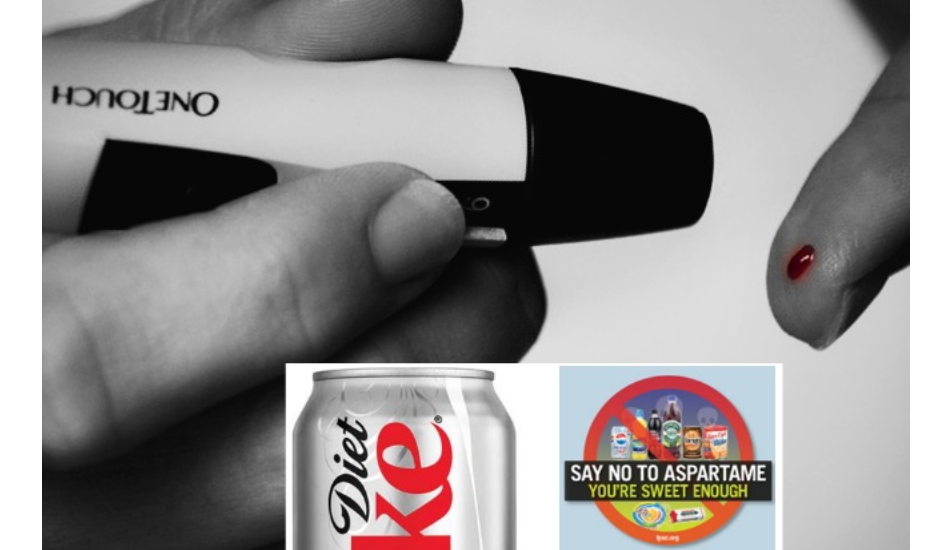
According to a new study, research is increasingly demonstrating what many natural health advocates and critics of artificial sweeteners have been saying for years. That sugar replacements like sucralose, aspartame, and saccharin are actually causing diabetes as opposed to preventing it.

While the medical industry continues to promote artificial sweeteners as a healthy alternative to sugar, and while major food corporations insert these alternatives into food products unnecessarily, research by Professor Jennifer Kuk of York University in Toronto suggests that artificial sweeteners may actually be responsible for increased levels of type 2 diabetes and that people who consume them may have worse glucose management.

See: On Diet Soda, Weight Gain And Aspartame

Comment:


Health

How you can overcome autoimmune disease

autoimmune
If you're one of the 50 million Americans who suffer from an autoimmune disease, I want to tell you, as a functional medicine physician who specializes in treating autoimmune patients and as someone who has battled an autoimmune disease myself, that the most important thing to know about autoimmune diseases is that they can be reversed.

Contrary to what most conventional doctors say, an autoimmune diagnosis does not mean resigning yourself to debilitating symptoms that get worse and worse over time, or settling for a lifetime of harsh medications.

Your autoimmune disease didn't happen overnight. Sure, you may have a genetic predisposition toward autoimmunity. However, we now know about epigenetics and that our genes are not static; they can be turned on and off by environmental and lifestyle factors. I work with my patients to find the root cause of their autoimmunity by uncovering the environmental and lifestyle factors that turned on these genes. After treating thousands of patients with autoimmunity and other chronic health conditions, I have found that by addressing five common environmental and lifestyle factors we can restore the balance of the immune system and often reverse autoimmune disease.

Here are the five strategies I use personally, and with all of my patients, to address the root causes of autoimmune disease, restore balance to the immune system, and help get people off medications, get symptom free, and reverse their disease.

Comment: