Health & WellnessS


Cassiopaea

Food as information: Could eating honey be a form of microbial time travel?

food as information

Did you know that there are billions of years of biological information encoded within your cells, and that depending on what you do or do not eat, the information is activated or remains latent?


It is a biological fact that the distant past is embedded within the present. No one could have described this more aptly and tangibly than Thich Nhat Han when he said:
If you look deeply into the palm of your hand, you will see your parents and all generations of your ancestors. All of them are alive in this moment. Each is present in your body. You are the continuation of each of these people."
In fact, each cell in your body, along with all the cells in all living creatures on the planet today, derive from a last universal common ancestor (LUCA) estimated to have lived some 3.5 to 3.8 billion years ago in the primordial ocean. While this may strike the reader as an unusual concept, even Charles Darwin acknowledged this phenomenon in Origin of Species (1859)1:
"Therefore I should infer from analogy that probably all the organic beings which have ever lived on this earth have descended from some one primordial form, into which life was first breathed."


Hearts

Breast-feeding improves later-life heart health for preterm infants

Breast-feeding is known to offer a wealth of health benefits for babies, and a new study has just uncovered another: better long-term heart structure and function for preterm infants.

breast feeding
© UnknownBreast-feeding may benefit the later-life heart health of preterm infants, say researchers.

These findings will be welcome news for parents of the 1 in 10 infants who are born prematurely in the United States each year, as many of these infants experience problems with heart development.

Studies have shown that such developmental problems occur in the first few months of life, leading to smaller heart chambers, thickening of the heart muscle, and reduced heart function in later life.

Research has also suggested that breast-feeding has an array of health benefits for infants, including reduced risk of asthma, childhood obesity, childhood leukemia, eczema, and ear infections.

Could breast-feeding also benefit the long-term heart health of preterm infants? This is what Dr. Adam Lewandowski, of the Cardiovascular Clinical Research Facility at the University of Oxford, United Kingdom, and colleagues wanted to find out.

Comment: See also:


Vader

Kids' mental health risks rise with poor air quality

Factory polution
© Joseph Sohm/Shutterstock.comA factory at sunset in Cleveland, Ohio
Higher levels of air pollution may correspond to higher rates of mental health disorders in kids and teens, according to a new study conducted in Sweden.

Researchers found that, in areas with higher levels of pollution, there were more medications dispensed for psychiatric conditions in children and teens, compared with areas with lower levels of pollution.

"The results can mean that a decreased concentration of air pollution — first and foremost, traffic-related air pollution — may reduce psychiatric disorders in children and adolescents," lead study author Anna Oudin, a public health researcher at Umeå University in Sweden, said in a statement.

Comment: See also:


Info

Foods with zero carbs

zero carb foods
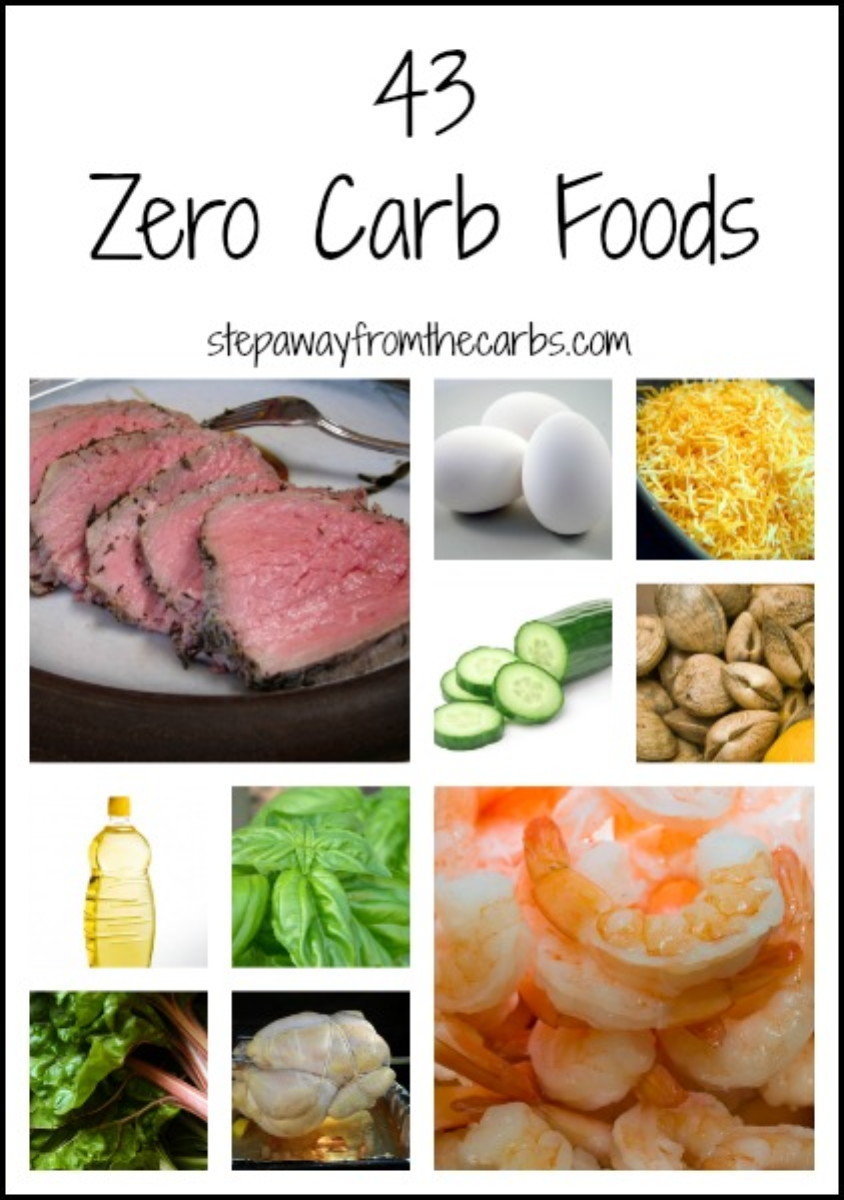
There is such a thing as a no carb diet. Although I find this way of eating a little too extreme, I still find it useful to know what can be considered "free" food in terms of carbohydrates.
Note: I realize that some of these foods aren't 100% lacking in carbs - but I consider under 1g net carbs per serving to be almost as good as zero. If this idea doesn't fit with your way of eating, please disregard this list. Please check nutritional data labels on food before purchasing.
All these foods do not naturally contain carbohydrates, apart from those in the vegetable list which contain between 0 and 1g net carb per serving. For meats and seafood, the key is to go for unprocessed food. As soon as someone processes it (think ham, bacon, jerky, burgers) there is a higher chance that they have also added some carbs!

Comment: Read more about the numerous health benefits of cutting carbohydrates from your diet:


Magnify

Expert warns of new tick-borne disease: Borrelia miyamotoi

ticks
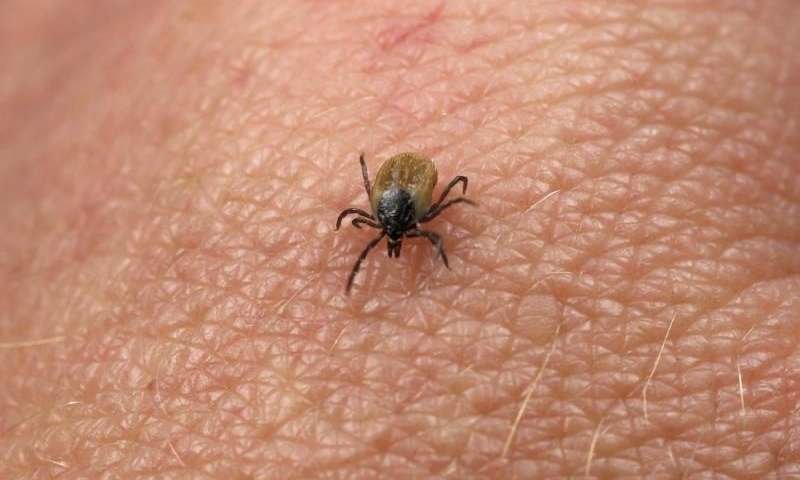
© iStock PhotoUConn veterinarian says May is a good time to start taking precautions against ticks.
As spring awakens here in UConn country, so do the ticks. UConn veterinarian, researcher, and tick-borne disease expert Dr. Sandra Bushmich recently answered questions about ticks and the diseases they carry in this area, especially some lesser known and emerging diseases.

Can you tell us about Borrelia miyamotoi, the 'new' tick-borne disease?

Borrelia miyamotoi is an emerging tick-borne disease which is caused by a different Borrelia than the one that causes Lyme disease. It was discovered more than 20 years ago in Japan and was originally thought not to cause disease. However a few years ago, a Russian physician found that it was indeed causing disease in some patients. The first diagnosed case was reported here in the U.S. in 2013. Some people become infected without showing symptoms at all, while others can have mild to severe symptoms. Some of the symptoms are different from those of Lyme disease. Borrelia miyamotoi infections usually have no rash, but the patient may have a fever, severe headache, arthralgia (achy joints), chills, fatigue, low blood platelets, and low white blood cell count. The symptoms are actually closer to those of anaplasmosis, another tick-borne disease.

Comment: Half of all U.S. counties found to have Lyme disease-carrying ticks


Heart - Black

Business of cancer: People who refuse chemotherapy live over 12 years longer than those undergoing chemo treatments

chemotherapy
© healthawarenessforall.com
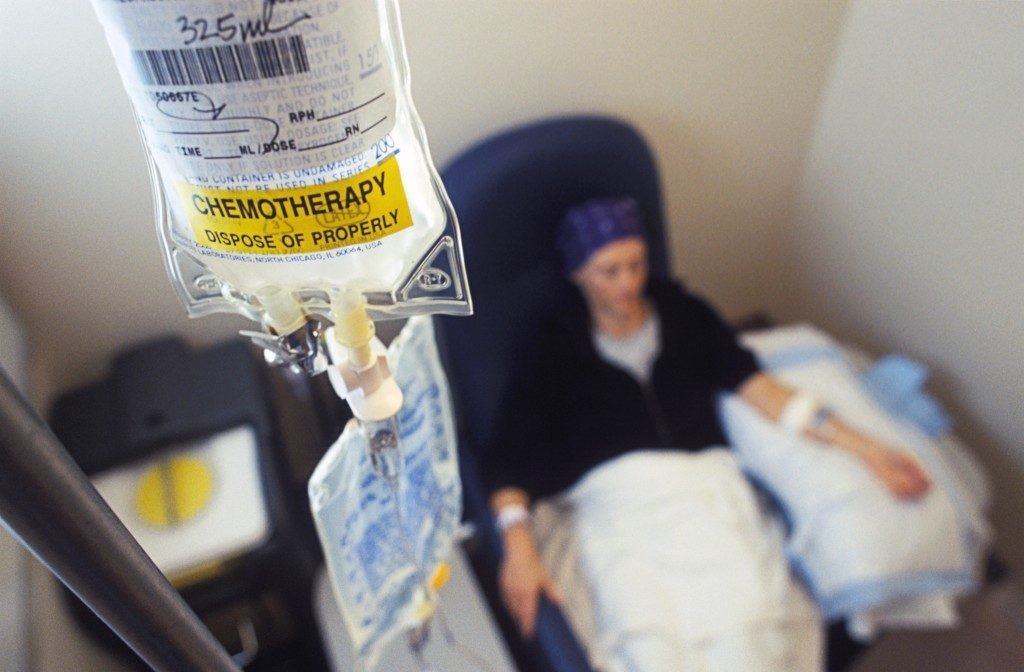
According to recent statistics, approximately 1 in 2 men and 1 in 3 women will develop cancer in their lifetimes. This saddening reality is made worse when it is acknowledged that modern methods of 'treating' the disease are often ineffective and only make the symptoms of the disease worse. In fact, according to one Berkeley doctor, chemotherapy doesn't work 97% of the time.


In the eye-opening video above, Dr. Hardin B. Jones, a former professor of medical physics and physiology at the University of California, Berkeley, discusses how 'leading edge' cancer treatment is a sham.

He has personally studied the life expectancy of patients for more than 25 years and has come to the conclusion that chemotherapy does more harm than good. The bone-chilling realization prompted Dr. Jones to speak out against the billion-dollar cancer industry.

"People who refused chemotherapy treatment live on average 12 and a half years longer than people who are undergoing chemotherapy," said Dr. Jones of his study, which was published in the New York Academy of Science.

Comment: While numerous alternative non-toxic methods have been found to successfully combat cancer, the medical mafia prevents most people from becoming aware of their efficacy because chemotherapy is so lucrative to the industry, which has no interest in a cure for cancer.


Take 2

De Niro Autism film affair: What the media is not reporting

DeNiro
Dr. Andrew Wakefield, a former British gastro-enterologist and vaccine researcher has been fully exonerated of the charges that he, together with a world renowned pediatric gastroenterologist, Prof. John Walker-Smith, conducted fraudulent tests with children that raised the possibility of a link between the popular MMR (measles, mumps, rubella) vaccine and onset of autism and other severe symptoms. Most remarkable is the fact that despite his de facto exoneration in a British Court more than four years ago, in 2012, mainstream media in the UK and the USA have chosen to deliberately ignore the fact. They did so to hide the explosive content of Wakefield's film, Vaxxed.

This past April, Hollywood actor and founder of the Tribeca film festival, Robert de Niro, announced in an interview to the New York Times that he had personally arranged for a new documentary film, Vaxxed, about links between autism and vaccinations, to be shown on April 24 at his festival in order to open a national debate on the subject. Some 48 hours later the Tribeca website announced it had pulled the film. The pressure had been enormous. To his credit, some days later, on America's most popular morning show, de Niro repeated his earlier statement that while he is not anti-vaccine, he wants an open debate on the subject. De Niro's own son is autistic.

Hearts

Chocolate can lower your risk of heart disease & stroke

chocolate
© gohealthinsurance.com
How many people have a sweet tooth? Whether it's craving dessert every night or salivating at the sight of cookies and candy, many people can't keep their hands off of sweet treats. But more and more research has brought to light the dangers of added sugar, urging us to steer clear of it altogether. Failing to at least reduce your intake of added sugar may raise your risk of dying of heart disease even if you aren't overweight. This is important to note, given the fact that chocolate contains a lot of sugar. Many health experts believe we should keep our sugar intake to a minimum, and that includes chocolate. Of course, we are advocates for dark, organic and fair trade chocolate, with no dairy.

But where does that leave all the sweet tooths out there? Enter chocolate.

Comment: Additional health benefits of chocolate:


Phoenix

How your brain can heal itself

brain healing
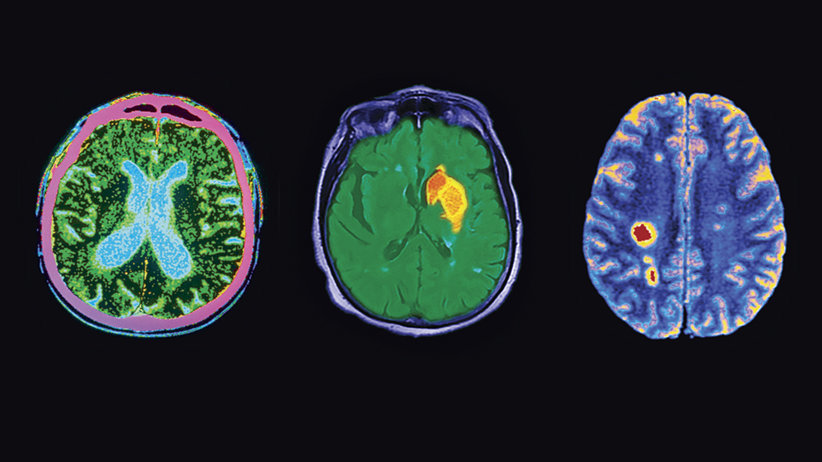
A South African man with Parkinson's disease, a degenerative disorder that often leaves its sufferers immobile, walks his symptoms into submission. A Broadway singer, silenced for 30 years by multiple sclerosis, recovers his voice. And in California, a psychiatrist and pain specialist rids himself of 13 years of chronic pain within a year, without drugs or surgery, through his brain's own efforts. Those individuals, and thousands like them, achieved those results, writes Norman Doidge, a Toronto psychiatrist and author of The Brain's Way of Healing, precisely because the human brain is a generalist par excellence. The prevailing 20th-century view was that it was too specialized for its own good—a fixed machine made up of discrete parts that can break down, never to function again. That concept no longer stands up to scrutiny.

The brain is actually a supple, malleable organ, as ready to unlearn as it is to learn, capable of transforming vicious circles into virtuous circles, of resetting and repairing its internal communications. Far more than once dreamed possible, the brain can—if not always cure—heal itself.

Doidge wrote about the brain's remarkable ability to recalibrate itself—what doctors call neuroplasticity—in his 2007 bestseller The Brain That Changes Itself. His new book recounts an astounding array of radical improvements in brain problems long thought irreversible. There are newly effective therapies, leading to improvement in, and sometimes even complete cures, for conditions ranging from stroke to traumatic brain injuries, learning disorders and missing brain parts. Even Parkinson's and MS symptoms can be improved in new ways. "Like Marshall McLuhan said, the future is already here," says Doidge in an interview. "The early neuroplasticians had to battle to get their findings accepted but now the field is not remotely controversial. I'm no longer talking about 'promising' developments down the road, but therapies that are here now. Patients and their caregivers just have to know who is doing things they thought impossible."

Comment: Very interesting to see what the brain is capable of doing. Nevertheless, a more holistic approach would involve the psychological aspect behind these diseases:

Dr. Gabor Maté: "When the Body Says No: Understanding the Stress-Disease Connection"


Bacon n Eggs

Why the type of body fat you have matters

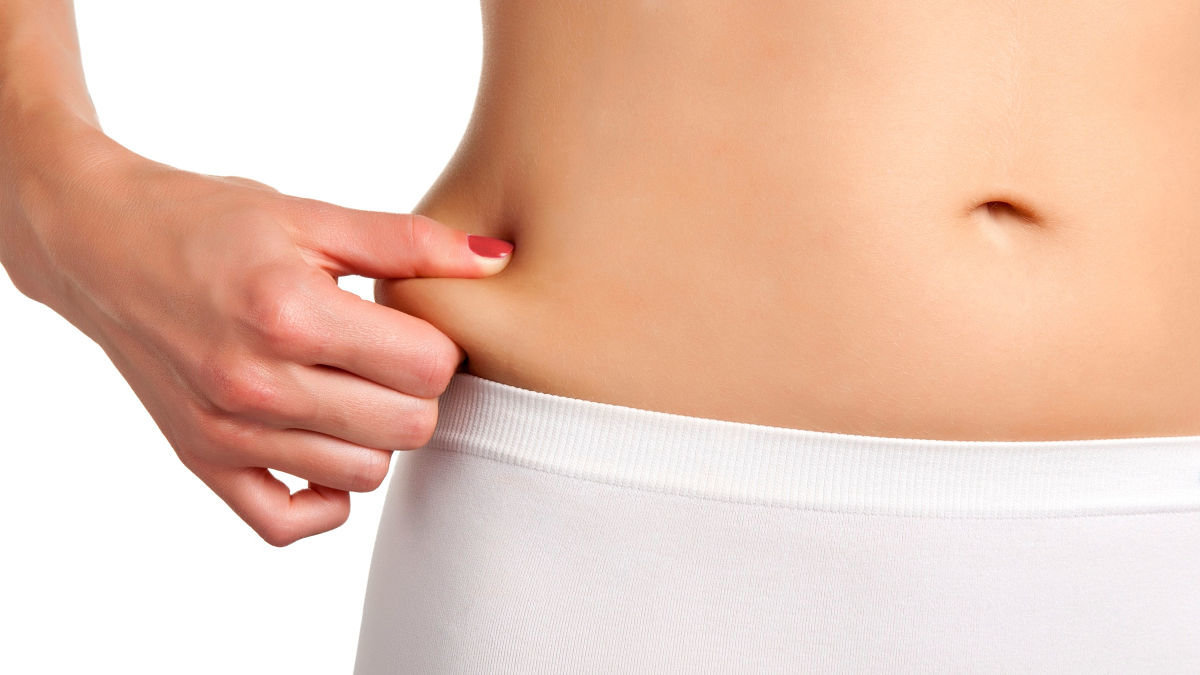
woman pinching stomach belly fat
All fats are not created equal. We know this because we're constantly correcting people who get it wrong. There are good fats and bad fats and really really bad fats and fats that are conditionally good or bad. Butter isn't corn oil isn't fish oil isn't monounsaturated fat isn't palmitoleic fat isn't linoleic acid. Sometimes trans fat isn't even trans fat. The same thing applies to the fat on your body. Depending on its location and composition, healthfulness isn't distributed equally among adipose tissue. Some types of body fat are worse than others.

Fat is an endocrine organ. Like any other organ, it secretes hormones and other bioactive compounds that affect our physiology and determine our health.