Health & WellnessS


Life Preserver

Gallstones: Symptoms & natural remedies

gall stones
Some 10-15% of adults in the U.S. experience the pain of gallstones. [1] In fact, it's a digestive problem that sends more people to the hospital each year than any other. And, unfortunately, the rate of gallstone attacks has been continually rising. There is a good chance that you or someone you know will have to deal with this painful condition at some point in your life. There are some things you can do to help avoid gallstones but, before we get to that, we should first explain what gallstones are.

What Are Gallstones?

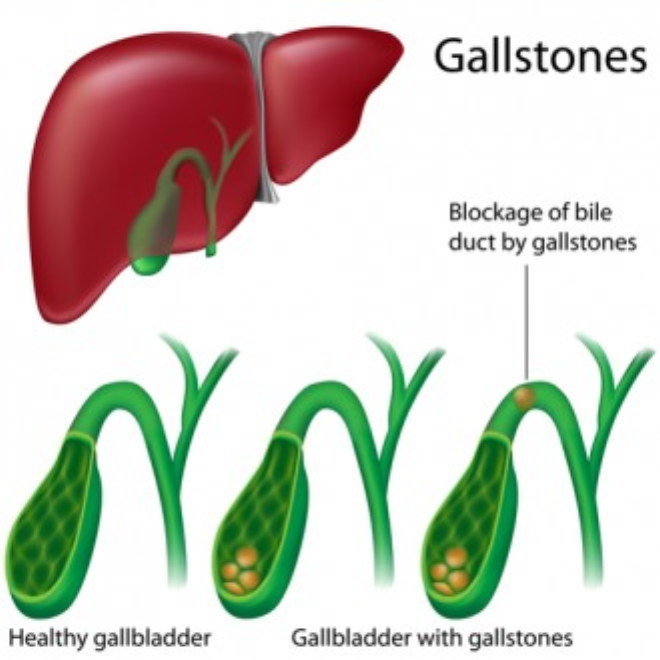
Gallstones are crystallized enzymes, bile salts, and cholesterol that can form into small clumps in your gallbladder. The gallbladder is the organ that supplies the liver with bile, which is used to digest protein. When gallstones do form, they can come in an array of shapes and sizes. In fact, most gallstones are actually very small and many pass unnoticed. These are called silent gallstones.

Red Flag

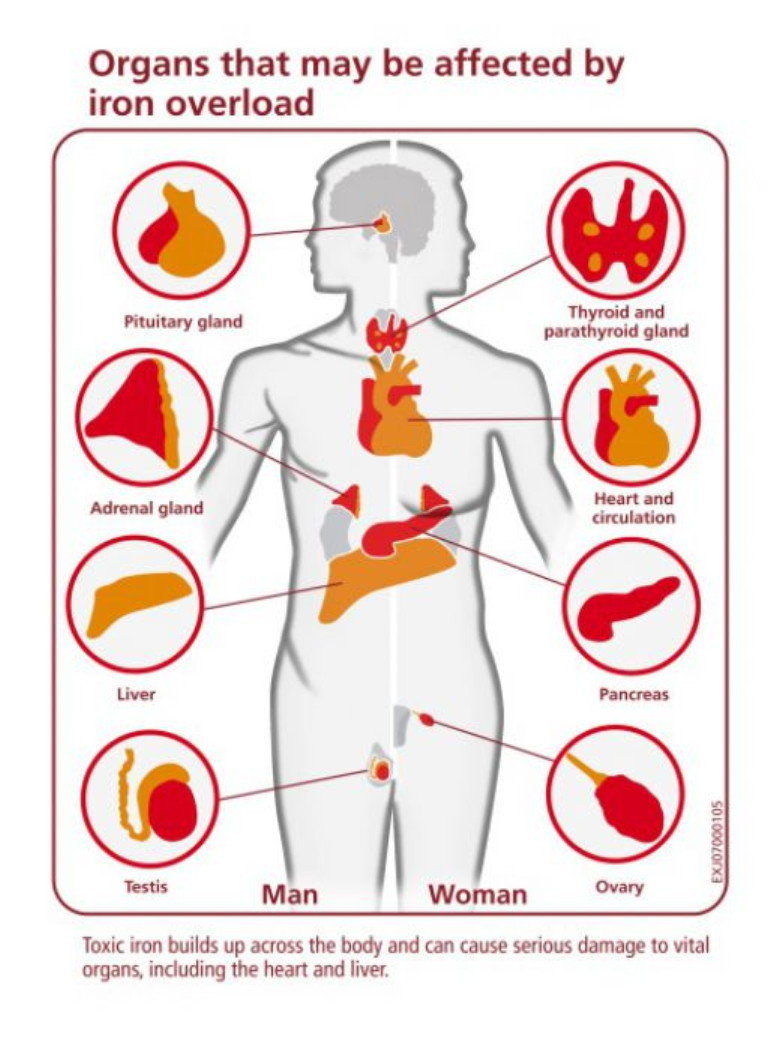
Iron overload - more dangerous than a Vitamin D deficiency

iron overload
© ironitout.org
One in 3 reading this likely has a serious overload of a mineral that may be more dangerous to your health than lack of vitamin D. That mineral is iron.

Making matters worse, few physicians fully appreciate the danger of excess iron, which Gerry Koenig, former chairman of the Iron Disorders Institute (IDI) and the Hemochromatosis Foundation, discusses in this interview. Koenig's personal story is a powerful illustration of what can happen to someone with excess iron.

Comment: The iron elephant - The dangers of iron overload


Attention

Chemical of concern: Popular weed killer wreaks havoc on animals & humans

Atrazine
© David Malik/Shutterstock
The EPA releases a damning report about atrazine—and kicks the can to the next administration.

Atrazine, the second most commonly used herbicide in the United States, is mainly used to control weeds in the corn blanketing much of the Midwest. The chemical also routinely turns up in streams and drinking water. And according to a new Environmental Protection Agency preliminary risk assessment, it may be doing serious harm to fish, animals, and amphibians, even at extremely low exposure levels.

Comment: More Stark Evidence of the Hazards of Atrazine:
Despite the seriousness of the concerns about the adverse effects of atrazine - or perhaps because of them - the memo, which was signed on April 12 and published last week, was quietly removed from the EPA's website. The Center for Biological Diversity preserved a copy and made it available here.

According to Open Secrets, Syngenta spends well over a million dollars a year on reported lobbying of Congress and federal agencies to limit the regulation of the chemicals it markets to American businesses and consumers, in addition to an untold sum on public relations in the US.


Alarm Clock

Precocious puberty in girls is epidemic and getting worse

early puberty
© thriving.childrenshospital.org
Girls with early onset puberty face a number of mental and physical health risks.

Padded bras for kindergarteners with growing breasts to make them more comfortable? Sixteen percent of U.S. girls experiencing breast development by the age of 7? Thirty percent by the age of 8? Clearly something is affecting the hormones of U.S. girls—a phenomenon also seen in other developed countries. Girls in poorer countries seem to be spared—until they move to developed countries.

No scientists dispute that precocious or early-onset puberty is on the rise but they do not agree on the reasons. Is it bad diets and lack of exercise that cause growing obesity? Is it soft drinks themselves, even when not linked to obesity? Is it the common chemicals known as endocrine disrupters that exert estrogen-like effects (and also cause obesity)? Is it the many legal, unlabeled hormones used in the U.S. to fatten livestock? Some researchers even believe precocious puberty could be triggered by sociological factors like having no father in the home or even stress.

Comment: Breasts at 7 Years Old: How Chemical Hazards May Wreak Havoc on Children's Bodies


Cow

Got milk? The dairy industry tricked you into it

milk


Despite the fact that one can get their daily recommendation of calcium, potassium, and protein from fruits and vegetables, the dairy industry has spent billions of dollars to convince consumers otherwise.
Got Milk? We sure hope not. Despite being a somewhat tasty addition to coffee, tea, and delectable treats, the ingredient - when pasteurized - is highly toxic to the human body.

In fact, physicians such as Dr. Willet, who has conducted many studies and reviewed the research on the topic, believe milk to be more of a detriment to the human body than an aid.

This is because despite popular belief, the food has never been shown to reduce fracture risk. In fact, according to the Nurses' Health Study, dairy may increase risk of fractures by 50%!

Comment: For more on why milk should be avoided see:


Heart

Scientists are fascinated by fermented foods

kimchi
© Hyunwoo Sun/FlickrKimchi.
As researchers learn more about the human microbiome, there's increased interest in how diet influences the microbes that call us home.

One of the most intense areas of scientific study today is that of the human microbiome—that is, the microbial communities (and their genes) that form a vast, complex ecosystem on our skin and throughout our bodies. According to the National Institutes of Health's Human Microbiome Project (I love the thought of my tax dollars at work there), "these communities consist of a variety of microorganisms including eukaryotes, archaea, bacteria, and viruses. Bacteria in an average human body number 10 times more than human cells, for a total of about 1,000 more genes than are present in the human genome." In general, our resident microbes are endlessly responsive and versatile; because they evolve so fast (some reproduce every 20 minutes), they allow our bodies to adapt to changes as we age, for instance, or enter the late stages of pregnancy. I guess you could say it's a microbe's world, and we just live in it.

Comment: Decreased social anxiety among young adults who eat fermented foods
The journal Psychiatry Research accepted the study in April for publication in August.

"It is likely that the probiotics in the fermented foods are favorably changing the environment in the gut, and changes in the gut in turn influence social anxiety," said Hilimire.
"I think that it is absolutely fascinating that the microorganisms in your gut can influence your mind."


SOTT Logo Radio

SOTT Focus: The Health & Wellness Show: Fast-inating Information About Fasting

fasting
© Roberto A Sanchez/Getty Images
Today on the Health and Wellness show we'll be covering the topic of fasting. Is fasting just a religious ritual or does it have beneficial effects on the body? Can you gain longevity, improve your immune system, and even supercharge your brain by fasting? We'll discuss the issue and review research around the subject. As always Zoya will be joining us with the Pet Health Segment where the topic will be...leeches!

Tune into the Health and Wellness show weekly on Fridays at 10am EST on the SOTT Radio Network!

Running Time: 01:06:51

Download: MP3


X

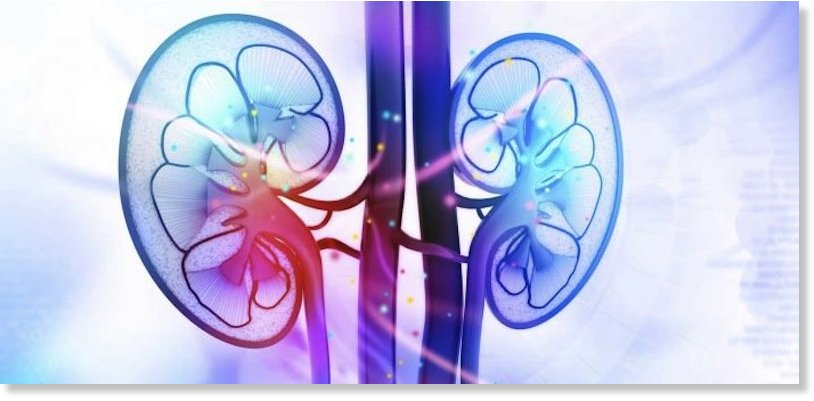
Can acid blockers cause kidney disease and brain damage?

Kidney disease
Increase the risk of Alzheimer's by 50%? Kidney disease by up to 50%? Unfortunately, that's exactly what the science suggests.

Over the years, we've written extensively about the dangers of stomach acid drugs—conventional medicine's completely wrongheaded answer to stomach pain and acid reflux.

Scientists aren't certain what causes acid reflux, but a leading hypothesis is that it's caused by a stomach environment that is not acidic enough. The lack of acid in the stomach short-circuits the signal needed to close the pyloric valve.

Stomach pain apart from acid reflux may also be caused by a lack of stomach acid. It sounds counterintuitive, but the lack of acid leads to poor digestion, causing undigested food to ferment in the gut. This leads to painful intestinal gas and other symptoms of "bad bacteria" (such as helicobacter bacteria) taking hold. Here, too, more acid, not less, will help.

Despite this evidence, conventional medicine gives us proton pump inhibitors (PPIs) to treat stomach pain and acid reflux, which work by eliminating acid production—thus making the problem even worse.

Unfortunately, the bad news doesn't stop there. Recent studies have revealed a frightening spectrum of side effects caused by acid blockers:

Smoking

Study: Lungs are at much higher risk from wood smoke than cigarette smoke

Indoor air pollution and not smoking is the most important cause of chronic obstructive pulmonary disease (COPD) in India, says a prevalence study conducted by Pune-based Chest Research Foundation (CRF) in collaboration with the KEM Hospital, Pune, and the Imperial College, London. In the West and other wealthier countries, smoking is the single most important causative factor of COPD.

The CRF study found that the prevalence of the respiratory disease was 6.9 per cent in the Indian population. Among those identified with COPD, only 7 per cent were smokers while the remaining 93 per cent were non-smokers.

Over 700 million people in India suffer from high levels of indoor air pollution affecting women and young children as 75 per cent homes use biomass fuel like wood, crop residue and dung cakes.

Comment: If wood smoke is more dangerous than cigarette smoke, how much more dangerous are diesel exhaust particles and radioactive particles from thousands of atomic bomb tests across the globe?


Pills

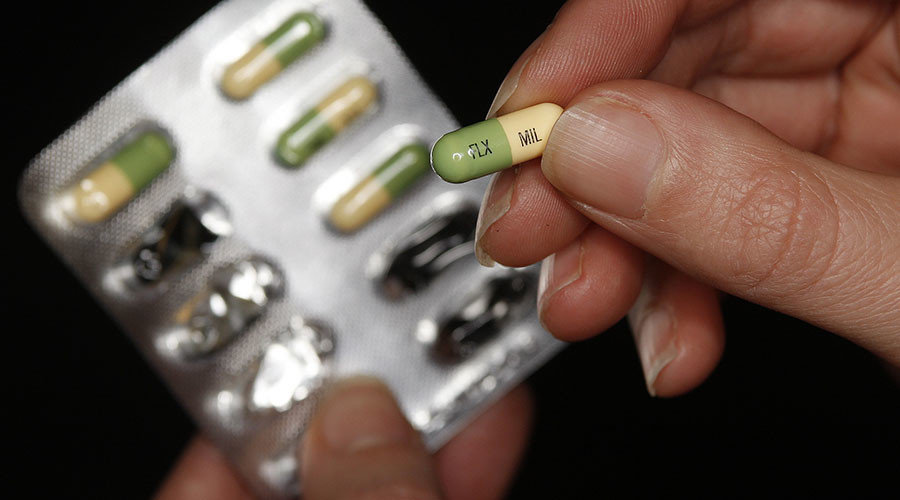
Landmark study confirms anti-depressants are ineffective and unsafe for children and adolescents

antidepressants
© Darren Staples / Reuters
Antidepressants commonly prescribed for children and adolescents are no more effective than a placebo for treating major depression — and in some cases, can be downright harmful, according to a landmark new study.

Published in the Lancet, the research denotes the "first comprehensive comparison of commonly prescribed antidepressant drugs so far." Medical researchers analyzed 34 pharmaceutical trials involving 5,260 participants ranging in average age from 9 to 18 years.

Of 14 common antidepressants studied, only fluoxetine — best known under the brand name, Prozac — proved marginally more effective in treating major depression than a placebo. Alarmingly, venlafaxine, brand name Effexor, "was linked with an increased risk of engaging in suicidal thoughts or attempts" when compared to both placebo and five other medications.


Comment: Big Pharma is keeping important information about antidepressants from you!

Recent studies have found that teenagers on antidepressants are twice as likely to be aggressive or suicidal, yet the pharmaceutical industry deviously exaggerates the benefits of the drugs and misrepresents side-effects by labeling suicide attempts as 'worsening of depression'.


"The balance of risks and benefits of antidepressants for the treatment of major depression does not seem to offer a clear advantage in children and teenagers, with probably only the exception of fluoxetine," summarized Prof. Peng Xie, study co-author from The First Affiliated Hospital of Chongqing Medical University, China. "We recommend that children and adolescents taking antidepressants should be monitored closely, regardless of the antidepressant chosen, particularly at the beginning of treatment."

However, despite such damning revelations, study authors also rebuked the pharmaceutical industry for making unbiased and thorough data available for research using the shield of patient privacy to invoke intellectual property rights.

Comment: The pharmaceutical industry's iron grip on the fields of medicine and psychiatry insures that funding for mental health care is biased toward the use of drugs rather than comprehensive therapies that might actually work, and consequently take a bite out of the pharma cartel's revenue stream.