OF THE
TIMES

When the FDA's own scientists send a letter to Congress exposing outrageous cases of retaliation against those refusing to sign off on unsafe, unproven, ineffective products, it's clear the corruption at the FDA is far-reaching and thoroughly entrenched. Pressure to approve dangerous drugs and devices is coming from top managers with ties to big business.
Can you imagine working in an atmosphere where the honest employee fears the dishonest employee, and not the other way around?
How can anyone trust the FDA's claims that a particular food or drug or medical device is safe to eat or put in or on your body, when the former director of the agency, Margaret Hamburg, has been accused of racketeering? She's charged with suppressing important information about the antibiotic Levaquin, which has caused the death of over 500 people and seriously injured 10,000 more. If guilty, why would she do this? We don't know. But according to documents filed in federal court, her husband's hedge fund held half a billion dollars worth of stock from Johnson & Johnson, the drug's manufacturer. On May 12, 2016, after it had been on shelves for years, the FDA stated that Levaquin can result in "disabling and potentially permanent serious side effects." ...
And there is more—much more. A second letter lists close to a dozen examples of wrongdoing and corruption allegedly perpetrated by the Director of the Office of Device Evaluation, including:In short, to quote the letter, the "culture of wrongdoing and cover-up is nothing new but is part of a longstanding pattern of behavior."
- Ordering physicians and scientists to ignore FDA Guidance documents;
- Removing black box warnings recommended by FDA experts; and
- Allowing subordinates to issue written threats of disciplinary action if physicians and scientists failed to change their scientific opinions and recommendations to conform to those of management.
It remains to be seen how these recent revelations will play out. What is clear is that the FDA is in dire need of top to bottom reform. Better still would be to abolish it and start all over with food and supplements in a different agency.
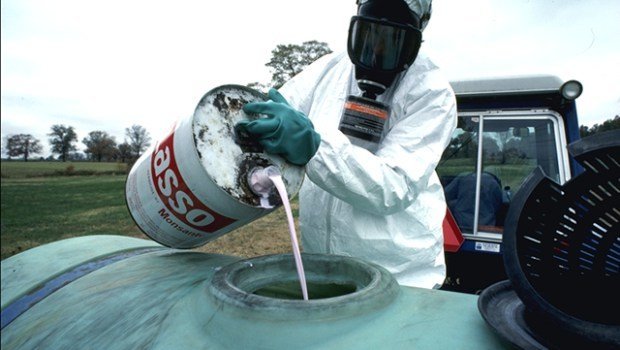
"I have run numerous groups of vaccines and identified several vectors of contamination. These include the excipient gelatins, egg protein and or similar substrates used to grow vaccines. I have found gelatins and egg proteins contaminated with Glyphosate-based herbicides from animals fed a glyphosate contaminated diet. This contamination carries into thousands of consumer products i.e. vitamins, protein powders, wine, beer and other consumables which use gelatins as part of the product or in fining and processing."
The US is set for the first legislation to regulate toxic industrial chemicals in 40 years.
You might think this would be cause for celebration. However, the bill updating the Toxic Substances Control Act continues to put the industry's interests above those of the public. It does make some improvements, such as requiring new chemicals to be safe before being sold and giving the Environmental Protection Agency the power to demand safety data. But on balance, it does too little to protect Americans from chemicals that cause cancer and nervous system disorders, impaired fertility, immune system dysfunction and a host of other health problems.
In the first year under the new law, the EPA will be required to review just 10 of the tens of thousands of chemicals used in commerce that have never been tested for safety. The law fails to give the agency adequate resources and clear legal authority to take timely action. Companies could further delay things by taking the EPA to court. In short, people will still be routinely exposed to hazardous chemicals!
To the applause of the chemical industry lobby, Congress is sending a new Toxic Substances Control Act (TSCA) bill to President Obama. Anyone familiar with this law knows that it is the weakest of all U.S. environmental statutes, leaving the majority of the 85,000 chemicals in our toys, clothes, homes, schools, and workplaces unregulated and untested for their health effects.
And if Congress and the chemical lobby have their way, none of that will change.
Because TSCA hasn't empowered the EPA to act for the last 40 years, 38 states began regulating dangerous chemicals, including BPA,f ormaldehyde, lead, mercury and toxic flame retardants. In many cases, these state rules have benefited people across the country, especially when national firms removed dangerous chemicals from their products.
But instead of nationalizing that trend, Congress is ignoring environmental, public health, worker safety, and environmental justice leaders who have championed chemical policy reform for decades. Instead, they chose to listen to the chemical lobbyists from Dow, DuPont, Exxon and their trade associations, like the American Chemistry Council (ACC).
Why? In the ACC's own words, the chemical lobby wants "predictability, consistency, and certainty." Translation: they wanted to stop states from restricting toxic chemicals.

Comment: