Health & WellnessS


Brain

Leaky brain: The critical importance of maintaining your blood-brain barrier

Blood Brain Barrier
You all know about intestinal permeability, or "leaky gut." The job of the gut lining is to be selectively permeable, allowing helpful things passage into the body and preventing harmful things from getting in. Nutrients get through, toxins and pathogens do not. Leaky gut describes the failure of this vetting process. But what about "leaky brain"?

A similarly dynamic barrier lies between the brain and the rest of the body: the blood-brain barrier. Since the brain is the seat of all the conscious machinations and subconscious processes that comprise human existence, anything attempting entry receives severe scrutiny. We want to admit glucose, amino acids, fat-soluble nutrients, and ketones. We want to reject toxins, pathogens, and errant immune cells. Think of the blood-brain barrier like the cordon of guards keeping the drunken rabble from spilling over into the VIP room in a nightclub.

The blood-brain barrier (or BBB) can get leaky, just like the gut lining. This is bad.

A compromised BBB has been implicated in many neurodegenerative diseases, like Alzheimer's, Parkinson's, and vascular dementia.

More generally, the BBB regulates passage of inflammatory cytokines into the brain, prevents fluctuations in serum composition from affecting brain levels, and protects against environmental toxins and infectious pathogens from reaching the brain. A leaky BBB means the floodgates are open for all manner of unpleasantries to enter the brain.


Attention

Toxic beauty: Cosmetics claiming to be "organic" or "natural" are far from it

toxic beauty products
Beauty products that claim to be "organic" or "natural" are far from it.

When it comes to the term "organic," there's actually not as much regulation surrounding use of the word as consumers would like. The U.S. Department of Agriculture regulates organic claims in farm products, but it's the controversial Federal Drug Administration that has control over cosmetics.

Though the USDA has strict standards for organic food products, the FDA does not even have an official definition for the term "organic." On their website, the question "Does FDA have a definition for the term organic?" is met with this answer:
"No. FDA regulates cosmetics under the authority of the Federal Food, Drug, and Cosmetic Act (FD&C Act) and the Fair Packaging and Labeling Act (FPLA). The term 'organic' is not defined in either of these laws or the regulations that FDA enforces under their authority."

Comment: Your skin is your largest, and most permeable, organ. Almost anything you put on your skin will end up in the bloodstream and be distributed throughout the body where it tends to accumulate over time. The best way to read a personal care product ingredients list is to read each ingredient as if it were something that you might put in your mouth. If you wouldn't eat it, don't put it on your skin!


Microscope 1

Study: Zika causes testicles to shrink & infertility in mice, alarming sign for humans

mosquito-transmitted Zika virus
© Paulo Whitaker / Reuters
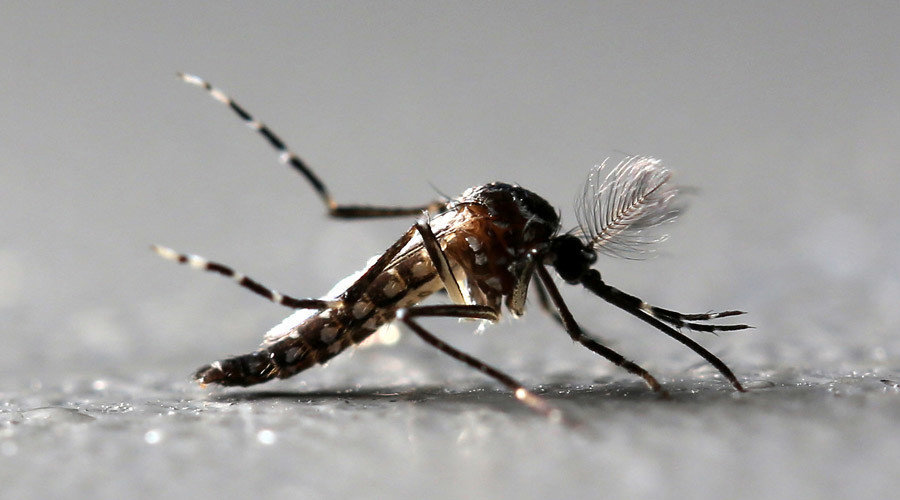
The mosquito-transmitted Zika virus that is responsible for some irreversible birth defects in babies could also be harmful to male fertility, a new study suggests. Infected mice had shrunken testicles and lower levels of testosterone.

The virus hits male mice's reproductive system hard, said a study published Monday in Nature magazine.

The lab tests run on mice infected with Zika have shown low sperm counts and testicles reduced 90 percent by weight.

That's not yet a reason for men to panic, but already a matter for concern and further studies.

Life Preserver

Cure depression with vitamin B12

vitamin B12
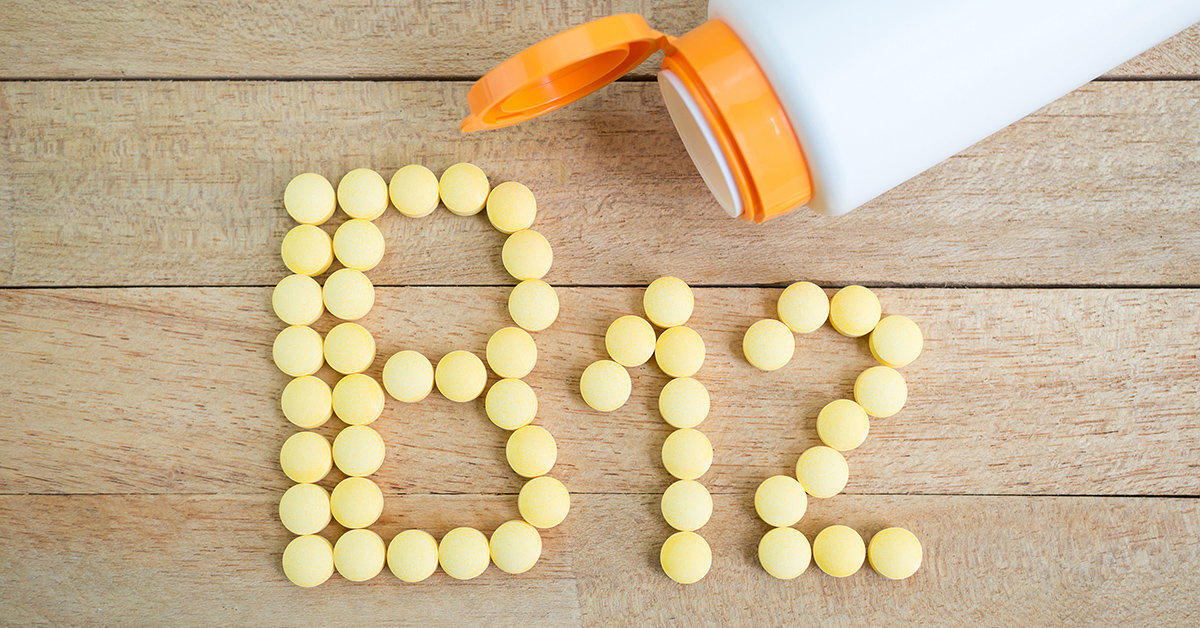
Have you ever wondered if depression could be eased with an inexpensive over-the-counter supplement, no prescription required? Or how about extinguishing your chronic anxiety through more consumption of certain foods that contain natural stress-reducing ingredients? Read on, because I've got something for you that will both surprise and delight.

Every day I see patients who want to do everything in their power to avoid mind-altering pharmaceutical drugs. This is especially true of women hoping to become pregnant or who already are. Among the tests I order to get a sense of my patients' biology when they first come see me, one of the results I like to review immediately is their level of vitamin B12. Is it low? If so, could it be the reason they are in my office to begin with?

Vitamin B12 deficiency has long been implicated in the development of depression.

Comment: More information on this important vitamin:


Syringe

Vaccines with aluminum adjuvants risk food allergies

food allergies
The low incidence of food allergies and other autoimmune disease in unvaccinated children versus skyrocketing rates for their vaccinated peers has been noted anecdotally by concerned parents for decades. Extensive research surveys of thousands of children has also documented the difference. Now, science is finally starting to explain why by examining one of the most controversial ingredients in vaccines today: aluminum adjuvants.

Five respected immunologists from the University of Virginia presented their troubling findings at a recent seminar for the World Allergy Organization.
  • Alice E. W. Hoyt, MD , Medicine, Division of Asthma, Allergy, and Immunology, University of Virginia
  • Peter Heymann, MD , Pediatrics, University of Virginia
  • Alexander Schuyler , Medicine, Division of Asthma, Allergy, and Immunology, University of Virginia
  • Scott Commins, MD, PhD , Medicine, Division of Asthma, Allergy, and Immunology, University of Virginia
  • Thomas A. E. Platts-Mills, MD, PhD, FRS , Medicine, Division of Asthma, Allergy, and Immunology, University of Virginia
The scientists theorized that aluminum adjuvants in routine childhood immunizations could be contributing to increasing rates of allergies to common foods such as peanuts, egg, milk, wheat, soy, almond, fish, and seafood. Aluminum is already known to contribute to the stimulation of IgE (immunoglobulin E) in mice. What is the impact of aluminum adjuvants in vaccines on IgE antibody production in children?

Comment: See also:


Biohazard

The U.S. navy's continued use of depleted uranium in coastal waters threatens humans & wildlife

depleted uranium
© Photo: US NavyNaval gunners inspect ammunition containing depleted uranium in a photo taken on November 1, 1987.
Earlier this month, Truthout reported that the US Navy is knowingly introducing toxic metals and chemicals into the environment during its war game exercises.

Sheila Murray with the Navy Region Northwest's public affairs office, when asked what the Navy was doing to mitigate environmental contamination from the large numbers of Depleted Uranium (DU) rounds it left on the seabed off the Pacific Northwest Coast claimed current research "does not suggest short- or long-term effects" from the release of DU to the environment that could result in its uptake by marine organisms."

She also said that DU rounds "are extremely stable in sea water and pose no greater threat than any other metal."

Comment: DU rounds "are extremely stable in sea water and pose no greater threat than any other metal." Really?!
The insidious adverse effects of DU in the body was illustrated by scientists at the DOD's Armed Forces Radiobiology Research Institute in Maryland, in research presented to the American Association for Cancer Research and the Society of Toxicology. They tested the effects of embedded DU by inserting shrapnel-like pellets into the legs of rats. The researchers were surprised at how quickly oncogenes - genes believed to be precursors to cancer - formed. Another discovery was that DU kills suppressor, or health-maintaining, genes. The experiments also demonstrated that DU spreads throughout the body, depositing itself in the brain and spleen, among other organs, and that it can be passed by a pregnant rat to a developing fetus.(27)

Many of the symptoms experienced by Gulf War veterans and their families are indicative of radiation poisoning. These include nausea, vomiting, memory loss, and increased cancer rates. In addition, veterans' children are manifesting an alarming rate of birth defects, lowered immunity, and childhood cancers. Radiation-affected sperm may be contributing these defects.

Dr. Jay Gould, author of The Enemy Within: The High Cost of Living Near Nuclear Reactors, has been an outspoken critic of low-level radiation. Gould says that exposure to DU released into the atmosphere poses the same grave dangers any other exposure to uranium. "There is nothing new about it," Gould says, stressing that a biochemical impact of low-level radiation can immediately attack the immune response.(28) Since immune response is a key factor in maintaining good health, a weakened immune system makes people vulnerable to any kind of infection or allergic response. Consequently, everything from cancer to allergies and multiple chemical sensitivities can be activated by the uranium dust.


Health

ADHD: A destructive psychiatric hoax

adhd
Earlier this year, Alan Schwarz, an investigative reporter for the New York Times, published his latest book: ADHD Nation.

The blurb on the jacket states:
"More than 1 in 7 American children get diagnosed with ADHD—three times what experts have said is appropriate—meaning that millions of kids are misdiagnosed and taking medications such as Adderall or Concerta for a psychiatric condition they probably do not have. The numbers rise every year. And still, many experts and drug companies deny any cause for concern. In fact, they say that adults and the rest of the world should embrace ADHD and that its medications will transform their lives.
In ADHD Nation, Alan Schwarz examines the roots and the rise of this cultural and medical phenomenon: The father of ADHD, Dr. Keith Conners, spends fifty years advocating drugs like Ritalin before realizing his role in what he now calls 'a national disaster of dangerous proportions'; a troubled young girl and a studious teenage boy get entangled in the growing ADHD machine and take medications that backfire horribly; and Big Pharma egregiously over-promotes the disorder and earns billions from the mishandling of children (and now adults)."

And who could argue with any of that? But the blurb continues:

Comment: The article already portrays a bleak picture, and it doesn't even cover the problems of ADHD medications! A review of the scientific literature shows quite clearly that it is our drug-based paradigm of care that is fueling a modern-day plague that comprises of debilitating and worsening psychological symptoms, an inability to work, disastrous medication side effects, altered mental functioning and brain shrinkage.

For more information, check out:


Attention

Air pollution levels jump to 35 times safe limits in New Delhi, India

India Smog
© Adnan Abidi / ReutersSecurity personnel stand guard in front of the India Gate amidst the heavy smog in New Delhi, October 31, 2016.
Smog has covered New Delhi, India, leading to warnings that even healthy locals may suffer from respiratory issues. Pollution levels have hit some 35 times the recommended safe limit set by the World Health Organization (WHO).

New Delhi usually ranks as one of the world's most polluted cities as it is, but on Monday morning things spiraled out of control. The situation was worsened by smoke from firecrackers used to celebrate the Hindu festival of lights, Diwali, plus the burning of crops in the region.

"Last night, levels hit the severe category, which is the worst. You could see and sense how the visibility had come down and there was a choking haze all around," said Anumita Roychowdhury from the Centre for Science and Environment, as cited by Reuters.

Comment: WHO report: The world's most polluted city is? Not Beijing but Delhi.


Life Preserver

Bitter Melon: Scientists find it can treat diabetes & kill cancer cells

bitter melon
Bitter melon is a fruit that grows abundantly in Asia, Africa and the Caribbean. Traditionally it has been used to treat diabetes and other more mild diseases or illnesses.

More recently, bitter melon juice was shown to kill pancreatic cancer cells in vitro and in mice in a study done by the University of Colorado. Considering the results were seen in both in vitro and in vivo tests, the effectiveness of bitter melon juice in treating pancreatic cancer, and potentially other cancers, at a clinical level are promising.[1]

"IHC analyses of MiaPaCa-2 xenografts showed that BMJ(Bitter Melon Juice) also inhibits proliferation, induces apoptosis and activates AMPK (adenosine monophosphate-activated protein kinase) in vivo. Overall, BMJ exerts strong anticancer efficacy against human pancreatic carcinoma cells, both in vitro and in vivo, suggesting its clinical usefulness."

Pancreatic cancer is one of the most difficult cancers to treat due to the fact that it is often discovered late, leaving very little time to treat. Since traditional therapies (chemotherapy, radiation, surgery etc) were not showing promising results and littler advancement was being made, researchers have been looking elsewhere to find treatment.

Comment: Additional studies on the benefits of bitter melon:


Red Flag

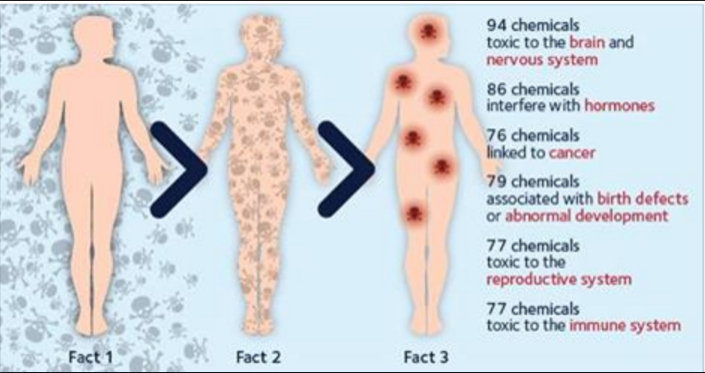
Health crisis: Environmental toxins within the body and the ripple effect

toxic
Neurotransmitters are chemicals in the brain that act as messengers between neurons. The effects of neurotransmitters are far-reaching and encompass most bodily processes, including: physical and cognitive performance, weight, the perception and response to pain, sleep patterns and our emotional and mental state of being. If neurotransmitter chemicals are imbalanced, the entire body is thrown off kilter, and it is estimated that 80 percent of people have some form of neurotransmitter imbalance.

A March 2010 study found that toxin exposure can affect neurotransmitter - even halt their activity. This leads us to wonder: how are we affected?

There is no doubt that human exposure to toxins is on the rise. According to WHO:
"Unintentional poisonings kill an estimated 355,000 people globally each year. In developing countries - where two thirds of these deaths occur - such poisonings are associated strongly with excessive exposure to, and inappropriate use of, toxic chemicals. In many such settings, toxic chemicals may be emitted directly into soil, air, and water - from industrial processes, pulp and paper plants, tanning operations, mining, and unsustainable forms of agriculture - at levels or rates well in excess of those tolerable to human health."