Health & WellnessS


Bacon

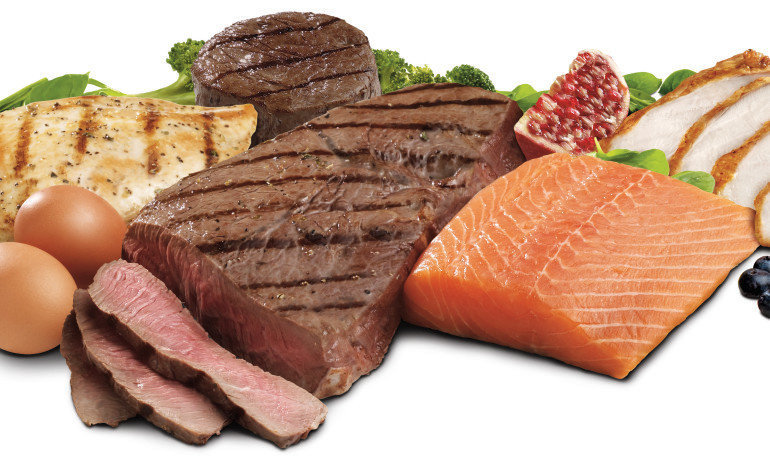
How much protein should you be eating?

variety of protein sources meat
Over the past several years, I've noticed a subtle shift in the way the media discusses dietary protein, with many experts promoting lower intakes. The push for lower intakes hasn't only come from the mainstream crowing about red meat and colon cancer. Many voices from the alternative health communities are urging a reduction in protein. Even the ancestral health community counts among its ranks protein skeptics.

Am I one? I'm not sure. In past posts, I've discussed how my own tastes have changed, going from eating high protein to more moderate amounts.

Today I'm addressing the standard arguments levied against high protein intakes. Hopefully, we can get to the bottom of the issue.

Brain

16 tips for increasing neuroplasticity in the brain, and why it's important

brain neurons neuroplasticity
For hundreds of years, the localizationism theory of the brain reigned: the idea that the adult brain is composed of distinct regions, each responsible for a separate function. Most people still hew to this, assuming that vision goes here, memories there (with separate sections for short and long term memories), smell here, verbal fluency over here and quantitative processing over there. We assume the number of neurons is fixed and their wiring soldered.

But the emerging science of neuroplasticity shows how wrong this is: rather than fixed and immutable, the neural connections between different "regions" of the brain can reorganize themselves. This is why someone with brain damage to one part of the brain can often recover—neuroplasticity allows a healthy section to assume the role of the damaged section. It's also how we learn, form memories, and develop new skills.

Neuroplasticity can refer to the strengthening (or lessening) of existing neuronal pathways (synaptic plasticity), or the establishment of entirely new neurons and connections (structural plasticity).

Cool. So neuroplasticity exists. What's it good for, and why should we care about preserving or enhancing it?

Cell Phone

Generation Zapped: New documentary highlights that dangers of wireless technology

smartphone zombies
Electrophonic cocaine junkies
Sabine El Gemayel, director and producer of Generation zapped, highlights her solution oriented documentary film investigating the growing body of research on the alarming health risks associated with wireless technology, as well as what the Federal Communications Commission (FCC) and the Telecom Industry don't want you to know.

I became aware of cell phone dangers about 6 years ago when I had a cranial nerve inflammation for 2 months and I would get shooting pains when my phone would ring. But I hadn't made the correlation with all wireless technologies. About 3 years ago, I was visiting a private middle school for my 7th grader. One of the school's touring staff opened a classroom and proudly said that each student had their own tablets and the teacher used a smart board.

I looked at all the students and had an epiphany: If tablets communicated wirelessly like a cell phone, then all theses devices were emitting radio frequencies and this class was like a microwave oven! I needed to tell the world about this invisible convenience! It's only when I started to do the research that I found the analogy of Dr. Magda Havas of a classroom using wireless technology by all students at once was like a microwave oven set at very low power

Roses

Six herbs that promote mental well-being

essential herbs
When it comes to our health, we do everything humanly possible to maintain it. However, when it comes to our mental well-being, we often ignore our emotional extremes and mood swings. Stress, insomnia, and genetics all contribute to hormonal imbalances and this may result in a number of mental diseases and disorders. Many of nature's herbs contain vitamins, minerals and many antioxidants that can counter and prevent several ailments which deteriorate mental health.

Antioxidants are found to play an important part in this regard. Herbs having antioxidant properties cancel the effects of oxidative compounds that are already present in the body. Since our body is incapable of producing antioxidants that can cancel the effects of all the oxidative free radicals, these have to be taken in the form of dietary supplements.

Many herbs have been used since ancient times, for the prevention and treatment of almost every disease known to man. They can either be encapsulated or taken in form of herbal teas. The good thing about herbal treatments is that they do not pose any serious threats to one's health as they have minimal side effects.

2 + 2 = 4

Evidence is mounting that routine wisdom teeth removal is a waste of time

wisdom teeth x-ray
Most of us hardly notice our wisdom teeth coming through, but at some point in between middle school and university, many people living in the US or Australia are told we need to get them taken out.

Depending on whether the teeth are impacted - meaning they're trapped under the gum line - the surgery can involve general anaesthetic, stitches, and a week or two of bed rest and pudding. For a lot of us, it can be a pretty brutal introduction to adulthood.

Comment:


Bell

Why dietary recommendations on fat need to change

oily fish, good fats
© Evidence supports a review of dietary guidelines around the ideal balance of omega 6 to omega 3 dietary fats. Shutterstock/Uber Images
A recent editorial in the journal Open Heart suggests many of us have it all wrong when it comes to the balance of fats we eat.

The authors urge a return to equal amounts of specific types of fats known as omega-6 and omega-3 polyunsaturated fatty acids in order to help combat global obesity.

The paper reflects a recent wave of evidence supporting a revision of guidelines around dietary fat, including in Australia.

What are dietary fats?

Fats - more correctly referred to as fatty acids - are a major dietary source of energy, along with carbohydrate and protein. Fats can be saturated or unsaturated, terms that refer to the makeup and structure of the fat molecules.

Apple Red

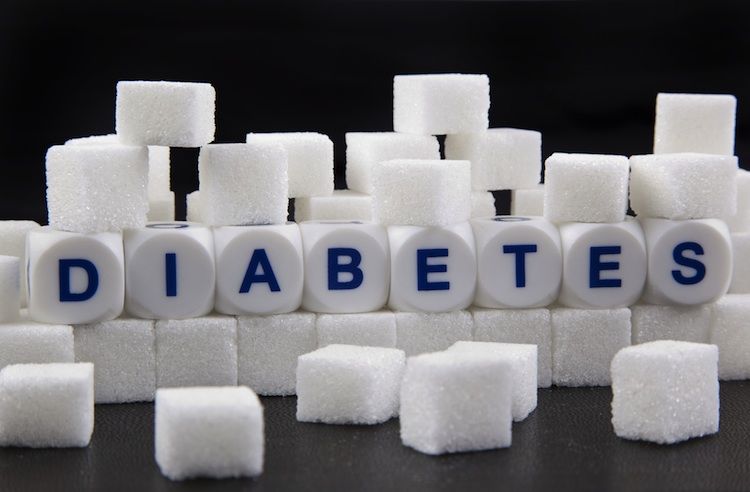
Diabetes opens floodgates to fructose

How fructose builds fat -- fast
Diabetes
Fructose, once seen as diabetics' alternative to glucose, is fast-tracked to the liver in diabetic mice and contributes to metabolic diseases, according to new research from Harvard University.

In a study to be published in eLife, scientists discovered that the effect is dependent on a protein that is turned on by diabetes and that then opens the floodgates to fructose in the small intestine. The findings are the result of both short-term and long-term feeding experiments, and they provide a vivid picture of what may be happening after consuming high-fructose food and drink.

The surprise is that diabetic mice absorb more fructose within minutes after it hits the stomach, sending it to the liver where it manufactures fat.

"By building a picture of what happens inside the body when you drink a sugary drink or eat that extra cookie, we might be able to help people to think about the effects and also identify which people could be most vulnerable to excess sugar," says Professor Richard Lee of Harvard, who supervised the study.

"What is a safe amount of sugar for one person could be different from what is safe to another. Our findings suggest that some diabetics might be more susceptible to the damaging effects of fructose because diabetes tunes the body to reach into the intestine and grab more of this type of sugar."

Comment: Which puts in evidence the complete absurdity of the fact that foods marketed for diabetics contain fructose. At this point, people only need to do the opposite of what official guidelines recommend in order to heal from their diabetes:

Want to reverse diabetes? Ditch the ADA guidelines and go low-carb


Biohazard

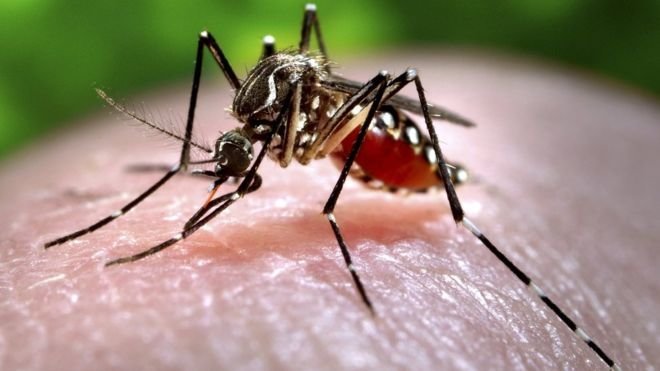
The Zika virus is "harmless" and does not cause birth defects

Mosquito
© BBC

After nearly a year of causing hysteria, mass travel cancellations and unnecessary abortions it finally daunts to "journalists" and "experts" that the Zika virus is harmless. It can cause a very minor flue - two days of a low fever and uncomfortable feeling for a quarter of those infected - that is all. It does not cause, as was claimed by sensationalists in the media and various self-serving "scientists", birth defects like microcephaly.


We told you so.

Comment: For more information, see the following articles:


Alarm Clock

The opioid epidemic in America is shattering women's lives

opioid epidemic
© Jessica Sarhan/Al JazeeraWomen at the McShin Foundation are helping each other to sustain recovery
Women fighting addiction to prescription painkillers tell stories of losing children and loved ones.

Approximately 18 women die every day of a prescription painkiller overdose in America, according to statistics from the US Department of Health.

It is an epidemic spreading across the country and while men are still more likely to suffer from opioid addiction than women, the gap continues to close. Overdoses caused by prescription pain medication increased more than 400 percent among women from 1999 to 2010, compared to 237 percent among men.

"The United States is in the midst of the worst drug epidemic in its history," Dr Andrew Kolodny, executive director of the advocacy group Physicians for Responsible Opioid Prescribing, told Al Jazeera. It is an epidemic from which American women are suffering at higher rates than ever.

Opioids are a type of highly addictive class of drugs commonly used to relieve pain. Medications such as oxycodone, codeine and morphine are all types of opioids. They work by reducing the strength with which pain signals reach the brain - giving their consumer an immense sense of both physical and emotional relief. Heroin is also an opioid.

Comment: The opioid epidemic: What big pharma does not want you to know


Apple Green

Is it time to resurrect the wartime 'Grow Your Own' campaign?

Grow Your Own poster
© Australian government ‘Grow your own’ campaign billboard, 1943. NAA C2829/2
During the devastating floods that hit Queensland in 2011, Brisbane and regional centres came perilously close to running out of fresh food. With the central Rocklea produce market underwater, panic-buying soon set in and supermarket shelves emptied fast.

Such events expose the vulnerability of our urban food systems. Climate change and resource depletion present more slow-burning challenges, but the fact remains that urban food policy is at risk of complacency.

Gardening is certainly good for you, but does it have a role to play in increasing urban food security and resilience? Perhaps history can tell us the answer.

While Australian research has focused on recent urban agriculture initiatives, a real-world experiment in gardening for food security took place in Australia more than 70 years ago, during the Second World War.

Comment: Related articles: