Health & WellnessS


Question

'Seriously mentally ill' dying 25 years prematurely: Is society or psychiatry to blame?

psychiatry
The uncomfortable fact is that many of us don't care about the seriously mentally ill.

"Adults in the U.S. living with serious mental illness die on average 25 years earlier than others, largely due to treatable medical conditions," according to the National Alliance on Mental Illness. This is not controversial, as establishment psychiatry and its critics agree.

What is controversial is who is to blame—society, psychiatry, or the victims themselves? And what is too taboo for the mainstream media to even discuss is whether many of us, privately, don't care—or may even want this population to disappear.

If we could admit that our society's entire way of thinking about people diagnosed with "serious mental illness" has failed, we might become curious about other societies that view this population very differently—and have gotten very different results.

Health

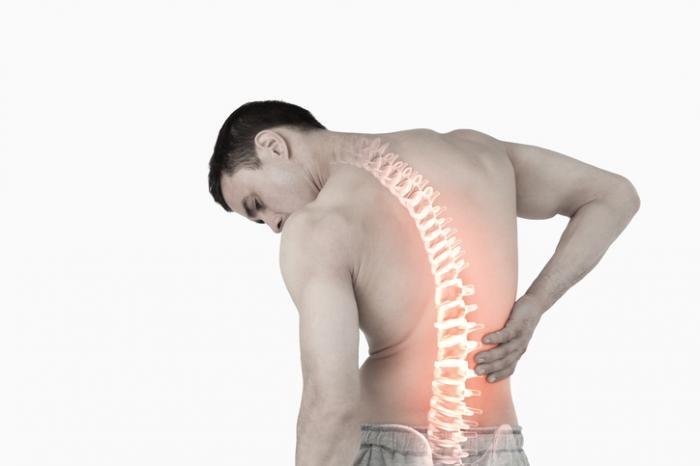
Back pain may raise risk of mental health problems

Back pain
© unknown
A study, involving almost 200,000 participants, finds that individuals who have back pain are more likely to also experience a range of mental health issues. Knowing about these links could form a more successful treatment plan for both sets of conditions.

Back pain is a leading cause of disability across the globe. In fact, it causes more global disability than any other condition.

According to the Global Burden of Disease study, lower back pain affects almost 1 in 10 people.

There is also a wealth of evidence that back pain negatively impacts quality of life and heightens the risk of other physical health problems. Additionally, it comes with substantial healthcare cost.

One earlier study of note used data from the World Mental Health Survey and found that chronic back or neck pain was associated with increased risk for mood disorders, alcohol abuse, and anxiety disorders.

Comment: See also:


Rose

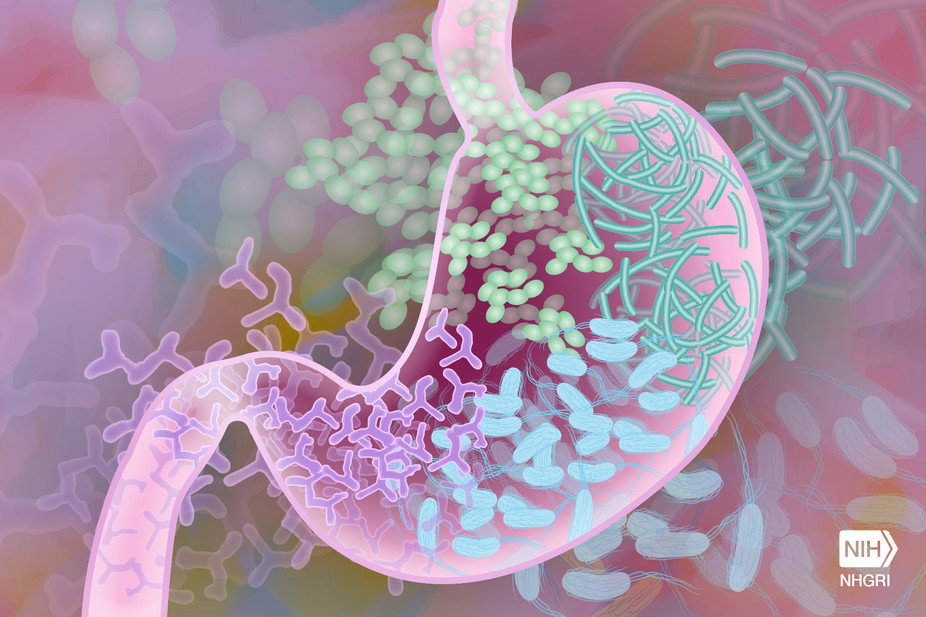
Circadian rhythms: Disrupting daily routine of gut microbes can be bad news for whole body

Micro changes have macro results
© Darryl Leja, National Human Genome Research Institute, National Institutes of HealthMicro changes have macro results
We've known that bacteria live in our intestines as far back as the 1680s, when Leeuwenhoek first looked through his microscope. Yogurt companies use that information in the sales pitch for their product, claiming it can help keep your gut bacteria happy. The bacteria growing on our skin have also been effectively exploited to sell the underarm deodorants without which we can become, ahem, malodorous. Until fairly recently our various microbes were thought of as freeloaders without any meaningful benefit to our functioning as healthy human beings.

However, that view has changed in a big way over the last couple of decades.

Brain

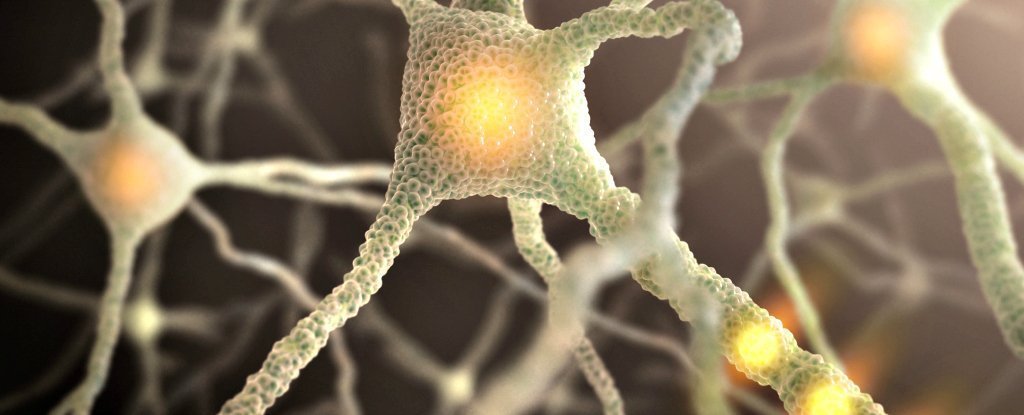
New evidence suggests Parkinson's might start in the gut, not the brain

Neoron simulation
© ktsdesign/Shutterstock.com
A new study adds to a growing body of research that suggests we might have been thinking about Parkinson's disease wrong this whole time.

Instead of being isolated to the brain, new evidence in mice suggests that the condition might actually start in the gut. And it could explain some of the strange coincidences seen in the disease, such as why most Parkinson's patients complain of constipation up to a decade before other symptoms arise.

Parkinson's disease is most commonly associated with tremors, stiffness, and difficulty moving, caused by neurons deep in the brain being killed off.

Although there are treatments to slow the progress of the condition, there's no way to prevent or cure it, and researchers still don't really understand what causes it and how it progresses.

Comment: See this article also:

Can Parkinson's disease be connected to bacteria in the gut?


Light Saber

Victory in battle of butter

big fat surprise
US investigative journalist Nina Teicholz calls it "a victory for science." South African scientist Tim Noakes says it proves that one person can "change the world." I say it's a decisive defeat for medical, scientific and dietetic establishments in their ongoing war against the critics.

The BMJ (formerly the British Medical Journal) has announced that it will not retract the peer-reviewed investigation it published by Teicholz in September 2015. The feature documents in detail how the US Dietary Guidelines (DGAs) have ignored vast amounts of rigorous scientific evidence. This evidence is on key issues such as saturated fats and low-carbohydrate diets.

Teicholz's article has been the target of an unprecedented retraction effort that was organized by an advocacy group that has long defended those guidelines. The BMJ stance is becoming a lesson in unintended consequences for those attempting to stifle debate on the topic. It raises fundamental questions about who was behind the retraction effort and their motivation.

Comment: For more background on this battle, read: 'Nutrition Heretic' Gary Taubes on the Long Road Back From a Big, Fat Public Shaming


Info

More reasons NOT to trust the Feds on GMOs, pesticides & chemicals

GMO research
The chemical epidemic that is rife in the US is at a dangerous level, and it shows no signs of stopping soon.

The US regulatory agencies have systematically avoided and delayed the testing of thousands of chemicals in order to satisfy the big corporations in which they have secret monopolized deals.

". . . new chemicals come from our laboratories in an endless stream; almost 500 annually find their way into actual use in the United States alone...500 new chemicals to which the bodies of men and animals are required somehow to adapt each year, chemicals totally outside the limits of biologic experience." These are the words of Rachel Carson, from Silent Spring (1962). She died of breast cancer two years later. This stark warning 50 years ago predicted the situation we find ourselves in now, where our food is saturated with chemicals and the government seem unwilling to do anything about it.

Monsanto's Roundup and Syngenta's atrazine are two chemicals which have attracted unwanted attention due to their known harmful toxic content and the fact they keep finding their way into our food.

Comment: 'A vicious cycle of the most cynical order'


Life Preserver

Combat aging, disease & cancer with Lingzhi mushrooms

lingzhi mushrooms
For years, I have wanted to include something from Chinese Medicine into my protocol, something universal and not needing a Chinese herbalist to prescribe it. Finally, I have found the perfect answer. Lingzhi mushrooms has literally hundreds of unique bio-active compounds that have life extending[1] properties,[2] stimulates brain neurons,[3] searches out and destroys cancer cells[4] and prevents the development of new fat cells in obese individuals.[5] In terms of life span extension it has been shown to increase life in studies by 9% to more than 20% in animal studies.

Ganoderma lucidum, an oriental fungus, has a long history of use for promoting health and longevity in China, Japan, and other Asian countries. It is a large, dark mushroom with a glossy exterior and a woody texture. The Latin word lucidus means "shiny" or "brilliant" and refers to the varnished appearance of the surface of the mushroom. The iconic mushroom commonly known as Reishi (in Japanese) or Ling Zhi (靈芝 in Chinese) is probably the most respected medicinal mushroom in Asia.

While mushrooms such as shitake, maitake, and cordyceps, all share similar immune boosting properties, Red Reishi has also the longest history and has been known to be effective in the treatment of the widest range of health conditions. Unlike other mushrooms, only Lingzhi has many important compounds such as triterpenes (ganoderic acid) that gives them a unique characteristic of being bitter in taste.

Beaker

Additives in food that trigger leaky gut

food additives
If you are dedicated and serious about healing leaky gut and autoimmune disease, I need you to know about a recent study that IDs seven food additives that trigger leaky gut, or at the very least contribute to the condition.

So what, exactly, is leaky gut? Known in the medical literature for more than a 100 years as "intestinal permeability," in my opinion, many modern doctors don't know how to ID and treat leaky gut. That's a shame because it's believed to be at the root of which is at the root of many diseases.

Signs and symptoms you have leaky gut include inflammation, joint pain, inflammatory skin disorders and rashes, food allergies and sensitivities and all sorts of other health problems.

Comment: Additional information about leaky gut:
Leaky gut and the connection to autoimmune disease

Leaky gut syndrome is almost always associated with autoimmune disease. In fact, reversing symptoms of autoimmune disease depends on healing the lining of the gastrointestinal tract. Any other treatment is just symptom suppression. An autoimmune disease is defined as one in which the immune system makes antibodies against its own tissues. Diseases in this category include lupus, alopecia areata, rheumatoid arthritis, polymyalgia rheumatica, multiple sclerosis, fibromyalgia, chronic fatigue syndrome, Sjogren's syndrome (dry eyes & dry mouth), vitiligo, thyroiditis, vasculitis, Crohn's disease, ulcerative colitis, urticaria (hives), type 1 diabetes and Raynaud's syndrome. Fortunately doctors are beginning to realize the essential role that the gut plays in these disease. Understanding the leaky gut phenomenon helps us see why allergies and autoimmune diseases develop and how to design therapies to restore intestinal integrity and reverse leaky gut.


Health

Hypochondriacs and the placebo effect

vital signs
© Jessica Rinaldi / Reuters
Researchers have found that about 70 percent of healthy people who worry about developing illnesses may be increasing their risk of heart disease. Another study shows the placebo effect in drug studies can be so powerful as to affect the outcomes.

"We hypothesized that people with health anxiety would have reduced risk [of heart attack] because they would take better care of themselves," said lead author Dr. Line Iden Berge from the division of psychiatry at Sandviken University hospital in Bergen, Norway.

Instead, in the study of more than 7,000 people, conducted over 12 years, researchers found that those who were hypochondriacs or suffered from "health anxiety" at the start of the study were about 70 percent more likely to develop heart disease than those less anxious.

"The results suggest it's better, instead of worrying about what's going on with your body and running to the doctor of any physical health problem, to seek a proper diagnosis and help for the anxiety disorder," Berge said.

The study defined health anxiety as "characterized by persistent preoccupation of having or acquiring a serious illness, misattribution of bodily symptoms and urge to seek medical advice in the absence of physical pathology."

Comment: The Health & Wellness Show: Placebos: When Nothing Really Matters


Airplane

American Airlines attendants demand 'full recall' of new uniforms after saying the outfits have sickened more than 1,000 workers

  American Airlines
© American AirlinesAmerican Airlines' flights attendants will get new uniforms in this design.
American Airlines rolled out new uniforms to more than 70,000 of its frontline workers in September. The appearance of the uniforms was well-received, but now American's flight attendants union is calling for a total recall after saying the outfits have sickened more than 1,000 workers.

Complaints about itching, rashes, headaches and hives surfaced within the first few weeks of the uniform roll-out. American launched an investigation, initially saying that it thought the issues were isolated - possibly some sort of wool allergy.

But the airline's flight attendants say the problem has become widespread, "including (for) many ... who are quite pleased with the look of the uniform."

In a memo to its members late Wednesday, the Association of Professional Flight Attendants(APFA) said "we have received over 1,600 flight attendant reports of suspected uniform reactions that include headaches, rashes, hives, burning skin and eye irritation, itching, and respiratory problems — to name a few."