
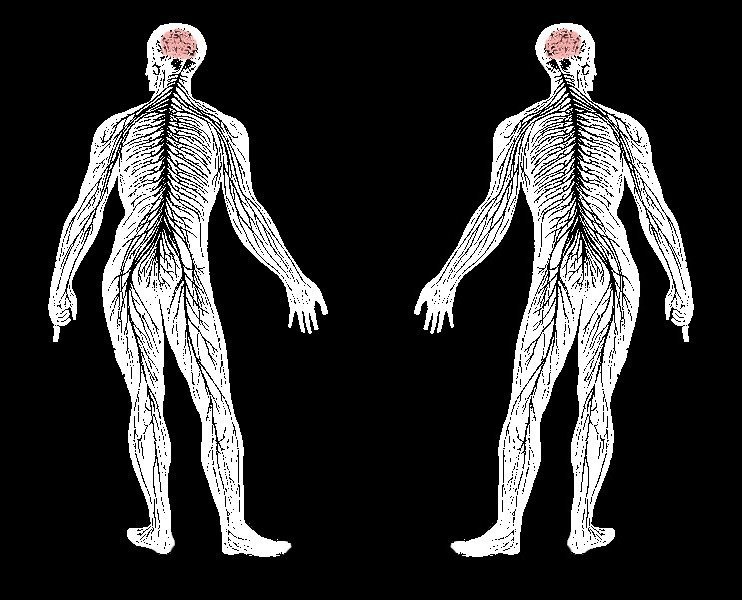
This ignited interests of various neuroscientists, including psychiatrists, about the GI nervous system (1) The enteric nervous system is composed of neuronal plexuses like the Meissners and Auerbach's plexus, surrounded by a pool of more than 30 neurotransmitters like serotonin, dopamine, glutamate, norephinephrine and nitric oxide, and other chemical mediators like neuropeptides and enkephalins.
It also contains glia-like supportive cells, and together contains nearly 100 million neurons as that in the spinal cord (2,3) The Gut-Brain Axis describes the bi‐directional neural pathways linking cognitive and emotional centers in the brain to the neuroendocrine centers, the enteric nervous system, and the immune system of the body (4).
Emotional states such as depression and behavioral dispositions, ranging from hostility to psychosocial stress, can directly influence both physiologic function and health outcomes in different ways (5). One such example is the Gut Brain Connection. The gut brain connection is intimately involved in explaining how the psychosocial stress - induced inflammatory response in the gut - is modulated by the bidirectional communication between the neuroendocrine and immune system of the gut with brain. Many lines of research have established multiple pathways by which the immune system and the enteric nervous system communicate bidirectionally with the brain (6).



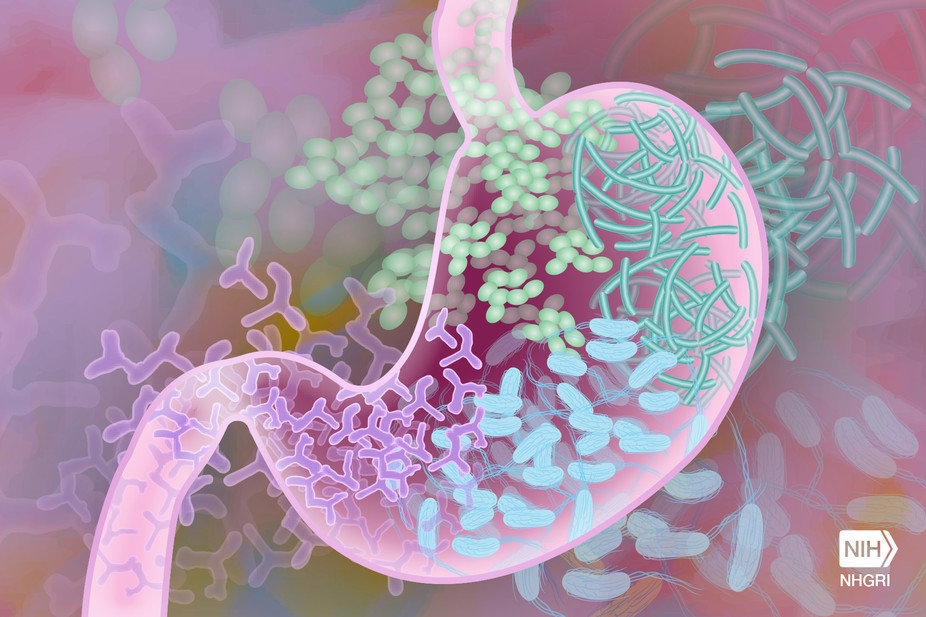















Comment: Read more about the gut brain connection