Health & WellnessS


Magnify

No kidding: Many GMO crop research studies have financial conflicts of interest

conflict of interest
Conflicts of interest were defined as studies in which at least one author declared an affiliation to one of the biotech or seed companies, or received funding or payment from them.
Financial conflicts of interest were found in 40 percent of published research articles on the genetically modified crops, also known as GMO crops, French researchers said this week.

The findings in the December 15 edition of the US journal PLOS ONE focused on hundreds of research articles published in international scientific journals.

"We found that ties between researchers and the GM crop industry were common, with 40 percent of the articles considered displaying conflicts of interest," said the study.

Researchers also found that studies that had a conflict of interest were far more likely to be favorable to GM crop companies than studies that were free of financial interference.

Comment: In other words, much of the science that says that GMO crops are safe and pose no health risks amount to being bought and paid for conclusions. All a company has to do when they don't like the conclusions the study is to bury it and hire another group to do research until they reach the "conclusions" that are desired: "See folks, the crops are safe - says so right here."


Health

How digestive imbalances cause problems far beyond the gut

gut bacteria
© Rafa Alvarez
Doctors are trained to identify diseases by where they are located. If you have asthma, it's considered a lung problem; if you have rheumatoid arthritis, it must be a joint problem; if you have acne, doctors see it as a skin problem; if you are overweight, you must have a metabolism problem; if you have allergies, immune imbalance is blamed. Doctors who understand health this way are both right and wrong. Sometimes the causes of your symptoms do have some relationship to their location, but that's far from the whole story.

As we come to understand disease in the 21st century, our old ways of defining illness based on symptoms is not very useful. Instead, by understanding the origins of disease and the way in which the body operates as one, whole, integrated ecosystem, we now know that symptoms appearing in one area of the body may be caused by imbalances in an entirely different system.

If your skin is bad or you have allergies, can't seem to lose weight, suffer from an autoimmune disease or allergies, struggle with fibromyalgia, or have recurring headaches, the real reason may be that your gut is unhealthy. This may be true even if you have NEVER had any digestive complaints.

There are many other possible imbalances in your body's operating system that may drive illness, as well. These include problems with hormones, immune function, detoxification, energy production, and more. But for now, let's take a deeper look at the gut and why it may be at the root of your chronic symptoms.


Comment: Further reading:


Health

By 2017 more antibiotics will be consumed by farm animals than humans

superbugs
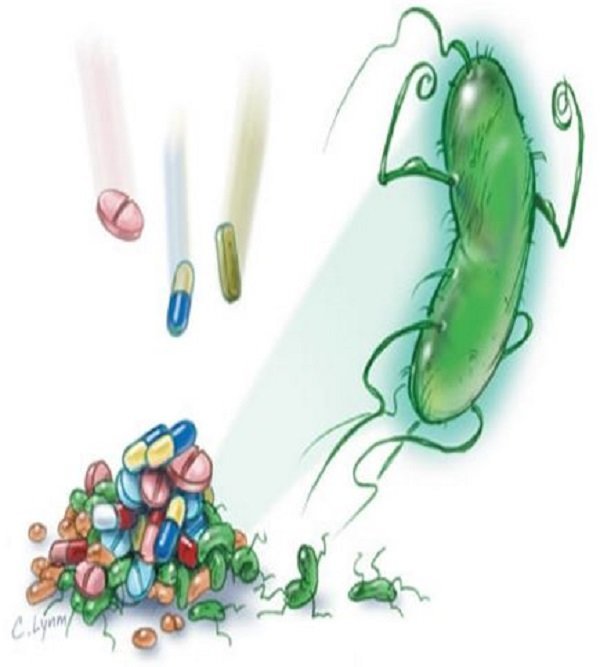
Governments around the world consider antimicrobial-resistant bacteria a major and growing threat to public health. In 2017, many more people could begin dying from common bacterial infections as resistance to antibiotics booms. Diseases are becoming untreatable -- a situation that looks set to get worse as the world reaches a new tipping point next year.

"We are about to reach the point where more antibiotics will be consumed by farm animals worldwide than by humans," says Mark Woolhouse, at the University of Edinburgh, UK.

Researchers calculate that farmers globally feed 63,000 tonnes of antibiotics to chickens, pigs and cattle every year -- and that will climb by 67 per cent, to 106,000 tonnes, by 2030.

This will mean more resistant bacteria, which could be a big threat. The livestock industry has long played down any risk to human health caused by using antibiotics in farming, but the danger is now accepted, according to the UN Food and Agriculture Organization (FAO).

Comment: See also:


Sun

Sunlight exposure could reduce your risk of becoming nearsighted

sunshine, sunlight
Sunlight is good for you. Seriously good for you. In fact, a new study shows that people, teens in particular, who spend time outside basking in the sun have better vision later in life.

Conversely, those who don't get a lot of sun when they're in their teens or early 20s can expect the opposite. The types of vision problems the study1 showed improvement on included myopia, a type of nearsightedness.

Researchers from King's College London, the London School of Hygiene & Tropical Medicine and other universities reviewed 371 Europeans with nearsightedness, as well as 2,797 people without the condition, all 65 and older.

Each participant underwent an eye examination, had blood samples taken and had an interview about their health behaviors in previous years, primarily to estimate their exposure to ultraviolet B rays between 9 a.m. and 5 p.m., and between 11 a.m. and 3 p.m.

Those with the most ultraviolet B exposure, especially when they were teenagers and young adults between 14 and 29 years old, had a 30 percent lower risk of myopia, the inability to see clearly at a distance, than those who had the lowest exposures. However, the link wasn't meant to prove cause and effect — just an association.

Comment: The importance of sunlight exposure for overall health

When you're exposed to sunlight, many important biological processes occur in your skin. Not only does sunlight make vitamin D, it also makes beta-endorphins, which makes you feel better, and nitric oxide, which can help lower blood pressure. Sunlight is important for the regulation of circadian rhythm, and light therapy has been shown to be effective against depression. Other benefits of sun exposure include reduced risk of heart attacks, improved immune function and enhanced wound healing.


Question

Is your olive oil the real deal?

Olive Oil
© Wikimedia Commons/stu_spivack
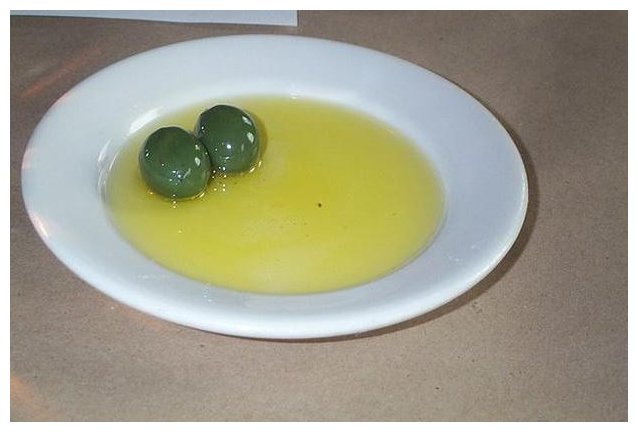
Consumption of olive oil has increased more than 10-fold in the U.S. over the past 35 years, from 29 metric tons (MT) in 1980 to 327 MT in 2015.1 The popularity of the Mediterranean diet has made olive oil a $16 billion-a-year industry. Unfortunately, this popularity has also led to fraud and corruption.2,3

In his book, "Real Food/Fake Food," Larry Olmsted, an investigative journalist and food critic, reveals the dark side of this otherwise healthy food. Olives and olive oil are well-known for their many health benefits, especially for your heart,4 but using adulterated olive oil will hardly do your health any favors.

In general, people believe the U.S. Food and Drug Administration (FDA) is policing and regulating food fraud, but that's actually not the case.

Its primary focus is making sure the ingredient label is accurate and tracking food-related disease outbreaks. The FDA does little in terms of preventing illegally adulterated foods from being sold.

Vast Majority of Olive Oil Is Adulterated

When it comes to olive oil, tests reveal anywhere from 60 to 90 percent of the olive oils sold in American grocery stores and restaurants are adulterated with cheap, oxidized, omega-6 vegetable oils, such as sunflower oil or peanut oil, or non-human grade olive oils, which are harmful to health in a number of ways.5

Apple Green

The obesity epidemic

Prologue: This is the fourth in a series of essays that will discuss ongoing scientific controversies, a specific type of which are often referred to in the science press and elsewhere as "Wars" - for instance, The Salt Wars. This essay covers the Obesity Epidemic, aka The Obesity Wars. The purpose of the series is to illuminate the similarities and differences involved in each of these wars. Warning: This is not a short essay. Dig in when you have time to read a longer piece.
Trigger Warning: This essay is about obesity - the condition of being fat or overweight. It is about being overweight, body size, fatness; it is about all the problems that accompany that condition. If reading about these topics will cause you any emotional distress or make you feel unsafe or threatened in any way - stop reading here.
obesidad obesity
© Finbarr O'Reilly / Reuters
Stephen Hawking is a very smart guy, a very very smart guy. But like some smart guys in other fields, he can make very foolish statements based on ideas that are commonly believed but almost entirely inaccurate.

In a video produced by Gen-Pep, a Swedish non-profit organization "that works to spread knowledge and get people involved in promoting the health of children and young people", Hawking made the following statements:

[Important Note: Stephen Hawking, as you probably know, is and has been severely physically handicapped, suffering from ALS, and has been wheelchair bound since the late 1960s. His experiences with diet and exercise are not, by necessity, the same as for you and me. Neither human physiology nor human medicine are his fields of study. I do not know why he was called upon to make this promotional video for Gen-Pep.]
Hawking starts off by saying: "At the moment, humanity faces a major challenge and millions of lives are in danger..."

"As a cosmologist I see the world as a whole and I'm here to address one of the most serious public health problems of the 21st century."

"Today, too many people die from complications related to overweight and obesity."

"We eat too much and move too little."

"Fortunately, the solution is simple."

"More physical activity and change in diet."
When Hawking says these things he is simply repeating the official opinions of almost every major medical and health organization in the world:

The US Surgeon General:
"... the fundamental reason that our children are overweight is this: Too many children are eating too much and moving too little.

In some cases, solving the problem is as easy as turning off the television and keeping the lid on the cookie jar."
The UK's National Health Service:

"Obesity is generally caused by eating too much and moving too little."

The UN's World Health Organization:
"The fundamental cause of obesity and overweight is an energy imbalance between calories consumed and calories expended. Globally, there has been:

an increased intake of energy-dense foods that are high in fat;

and

an increase in physical inactivity due to the increasingly sedentary nature of many forms of work, changing modes of transportation, and increasing urbanization."
The National Institutes of Health tell us:
"What Causes Overweight and Obesity?

Lack of Energy Balance

Overweight and obesity happen over time when you take in more calories than you use.

An Inactive Lifestyle

People who are inactive are more likely to gain weight because they don't burn the calories that they take in from food and drinks."
Of course, the NIH goes on to list the following as "other causes...":

"Environment, Genes and Family History, Health Conditions, Medicines, Emotional Factors, Smoking, Age, Pregnancy and Lack of Sleep"

Everyone knows that the causes of obesity are eating too much and not exercising enough. All the major federal agencies, the United Nations, and the learned societies agree.

So how is this a Modern Scientific Controversy?

Simple: They are all wrong. Just how wrong are they on this issue? Just how wrong is Stephen Hawking on this issue?

Almost entirely wrong.

Syringe

Should you get a flu shot? RFK Jr. lays out the evidence for why you shouldn't

Flu shot
© unknown
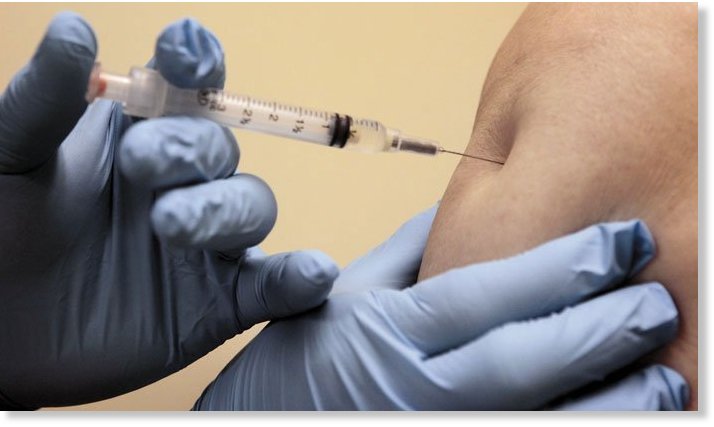
Dec. 4 to Dec. 10 is "National Influenza Vaccination Week" and the Centers for Disease Control and Prevention (CDC) is pushing hard for children and adults to get immunized against the flu. Colorful advertisements warn us to get our flu shots from the walls of our doctor's offices, pharmacies and grocery stores. According to the CDC, getting the flu shot is a matter of life and death. Flu shots, we are told, save lives.

At the same time, government officials have been lamenting that influenza vaccination rates are concerningly low in the U.S. and seem to be falling. Fewer than 50 percent of Americans currently heed the government's call to get their annual flu shot.

Part of the reluctance seems to stem from questions about efficacy, raised by data coming directly from the CDC. Why get a flu shot if the flu shot does not work?

In February the CDC revealed that the 2014-2015 influenza vaccine had an efficacy rate of only 19 percent. If that was not bad enough, in June the CDC's committee that advises on immunization practices announced that nasal spray flu vaccines should not be used in the 2016-2017 flu season because, in the CDC's own words, "no protective benefit could be measured" from taking them

Sun

Frequent sauna bathing tied to lower risk of dementia

man in sauna
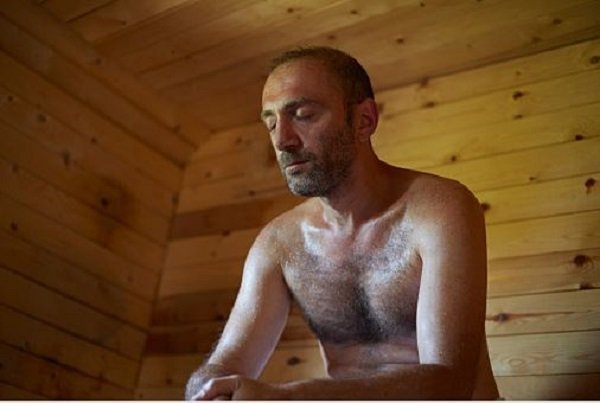
Frequent sauna bathing can reduce the risk of dementia, according to a recent study carried out at the University of Eastern Finland. In a 20-year follow-up, men taking a sauna 4-7 times a week were 66% less likely to be diagnosed with dementia than those taking a sauna once a week. The association between sauna bathing and dementia risk has not been previously investigated.

The effects of sauna bathing on the risk of Alzheimer's disease and other forms of dementia were studied in the Kuopio Ischaemic Heart Disease Risk Factor Study (KIHD), involving more than 2,000 middle-aged men living in the eastern part of Finland. Based on their sauna-bathing habits, the study participants were divided into three groups: those taking a sauna once a week, those taking a sauna 2-3 times a week, and those taking a sauna 4-7 times a week.

Comment: The Health & Wellness Show: The heat is on: Saunas, sunlight and sweatlodges


Health

Being able to handle night shifts may be a matter of genetics

4th Shift Worker
© The Onion
The health effects of shift work have been well studied. New research suggests that the ability to handle night shift work may be genetic.

Many health organizations, from the WHO to the CDC, consider working odd shifts a serious health risk and even a carcinogen. Labor experts estimate that 3.2 percent of the workforce works night shifts and another 2.5 percent work alternating shifts. Even more people work evenings, very early mornings and other odd shifts, totaling about 15 percent of the workforce in total. This means that around six million people are at higher risk of cancer, diabetes and heart disease. However, these risks appear to affect some people more than others.

The Trials of Shift Work

Shift work can be difficult to manage. People who work odd shifts are not awake at the same times as others, which can socially isolate them. Some people find it hard to sleep while it is light, leading to insomnia and other sleep disorders. Simply picking up a gallon of milk on the way home can be a challenge when you get off work at 2 a.m.

Comment: For more information, check out The Health & Wellness Show: Sleep, Light and Circadian Rhythms


Health

It's time to say goodbye to genetic determinism

things
Sometimes it is necessary to say goodbye to those things that no longer serve you, whether they be partners, friends, or theories. Remember that old adage, "the more things change, the more they stay the same?" Well that's an oxymoron. Don't be afraid to throw out old adages along with the bathwater. And don't be afraid to question long-held dictates that no longer prove true in real life. It's time to embrace change along with the truth about how your body heals itself if you haven't already experienced it.

Today, disease rates skyrocket as we function under false assumptions and old paradigms. Science clings to Genetic Determinism in the mistaken belief that our DNA is the sole determinant for who we are. We are led to believe we are defective, victims of our own DNA based on "mistakes in DNA replication" that change our cells from normal to abnormal.

Women are increasingly victimized as "defective" through genetic branding. The BRCA1 and BRCA2 gene mutations are the new "Thing 1 and Thing 2" of breast cancer. While scientists claim 5-10 percent of breast cancer is linked to gene mutation due to inheritance, 85 percent of breast cancers occur in women with no family history "as a result of aging and life in general."[i] That's what you call a contradiction. Always question those pesky contradictions. Does that factoid, alone, not remove any link between genes and cancer?

Comment: Knowing Genetic Makeup May Not Significantly Improve Disease Risk Prediction