Health & WellnessS


Life Preserver

Researchers find protein in blood that could be the first effective treatment for age-related heart failure

blood protein reverse heart failure
“We are excited because it opens a new window on the most common form of heart failure.”
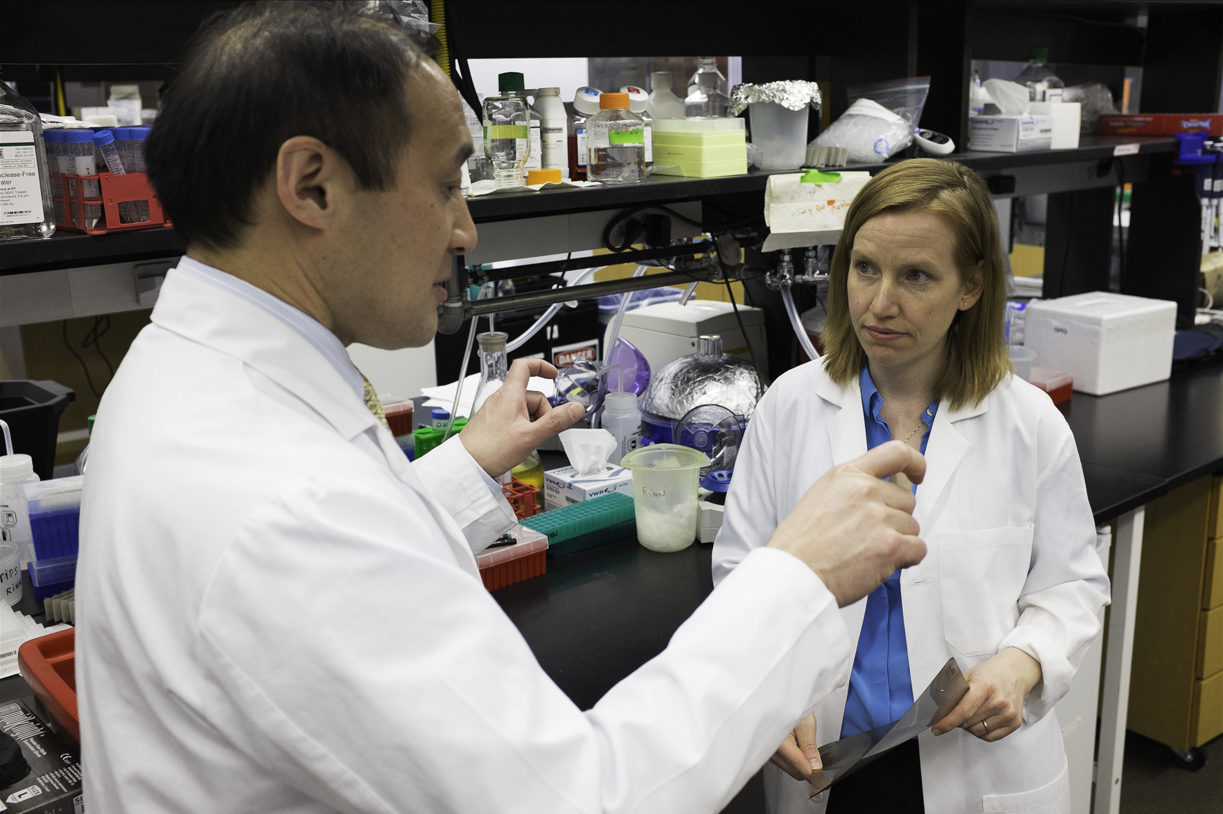
Two Harvard Stem Cell Institute (HSCI) researchers have identified a protein in the blood of mice and humans shaping up to be the first effective treatment for age-related heart failure affecting millions of Americans.

The protein, called GDF-11, was injected into old mice. Old mice, much like humans, develop thickened heart walls as they grow older. The heart was reduced in size and thickness, resembling the healthy hearts of younger mice.

A finding by Richard T. Lee, a Harvard Medical School professor at Brigham and Women's Hospital and Amy Wagers, a professor in Harvard's Department of Stem Cell and Regenerative Biology, ultimately may rewrite our understanding of aging.

Pirates

Monsanto caught funding an army of genetically modified trolls

Monsanto trolls
Biotech giant Monsanto is being accused of hiring, through third parties, an army of Internet trolls to counter negative comments, while citing positive "ghost-written" pseudo-scientific reports which downplay the potential risks of their products.

The documents emerged during pre-trials on 50 lawsuits against Monsanto which were pending in the US District Court in San Francisco. The plaintiffs allege that exposure to the biotech giant's flagship product, the herbicide Roundup, caused them or their relatives to develop non-Hodgkin lymphoma, while Monsanto concealed the potential risks.

In March, a judge ruled, despite Monsanto's objections, that the documents obtained by the plaintiffs could be released. The court papers are being gathered at the website of food-safety whistleblower organization US Right to Know.

The plaintiffs alleged that Monsanto targeted all online materials and even social media comments that indicate potential dangers of its products, according to one document released late in April.

Comment: Monsanto has no credibility. Any counter 'arguments' coming from them (and their trolls) is just plain worthless.


Biohazard

At least 8 different drugs are likely to be found in your tap water

water drugs
Think you need to go to your local drugstore to get prescription medication? A new study finds that all you need to do is turn on your faucet.

Researchers from the U.S. Geological Survey and the Environmental Protection Agency tested water from 25 drinking water treatment plants across the U.S.

They found 47 different pharmaceuticals in the supposedly clean water being sent to homes. One sample alone contained an incredible 41 different drugs. They detected an average of 8 pharmaceuticals across all samples.

Not a single sample was drug-free.1

Comment: See also:


Health

Ebola ruled out as 'strange disease' hits southeastern Liberia; 11 dead

Bernice Dahn
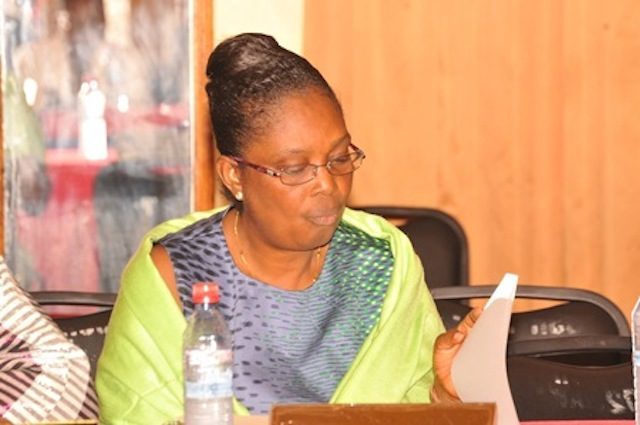
© gnnliberia.comLiberia Health Minister Bernice Dahn
The outbreak of what medical authorities considered as 'Strange Disease' in Greenville, southeastern Liberia, Sinoe County, has reportedly taken the lives of eleven person and several being placed on critical list has reportedly crept in the populated City of Monrovia with one been pronounced dead by health authorities in Monrovia on Friday evening, and several quarantined in an undisclosed location.

According to health authorities in Monrovia those infected with the "strange" disease showed symptoms of severe stomach pain, vomiting, diarrhoea, fever and headaches, Liberia's chief medical officer, Francis Kateh, said on national radio.

Initial tests showed that the disease was not Ebola, said Dr. Francis Kateh, the Chief Medical Officer of Liberia during an interview with reporters in Monrovia recently.

Liberia, as well as neighbouring Guinea and Sierra Leone, were the three countries most affected by an outbreak of Ebola, which killed more than 11 000 people between December 2013 and mid-2016.

Pills

Big Pharma influence: How would you feel if your doctor were bribed to give you a drug?

Big Pharma Busted
© The People's Chemist
Hello, Novartis. The pharmaceutical giant has just been fined $50 million by the government of South Korea for bribing doctors to prescribe the company's drugs.

FiercePharma reports: "Last year, prosecutors in the country [Korea] raided Novartis offices to gather documents and account books. South Korean officials later indicted a half-dozen Novartis execs, as well as more than a dozen doctors and five medical journal heads...The Korea Times says the criminal trial is now underway."

A Novartis spokesperson called the crime "in violation of our policies and inconsistent with our culture..."

Really? There's more.

FiercePharma continues: "Outside of Korea, Novartis faces separate bribery claims in Greece, where an official earlier this month said 'thousands' of people could be implicated."

Comment: Conflicts of interest in the medical field: New law aims to expose Big Pharma influence on physicians


Headphones

Enhance deep sleep & memory with gentle sound waves

gentle sound
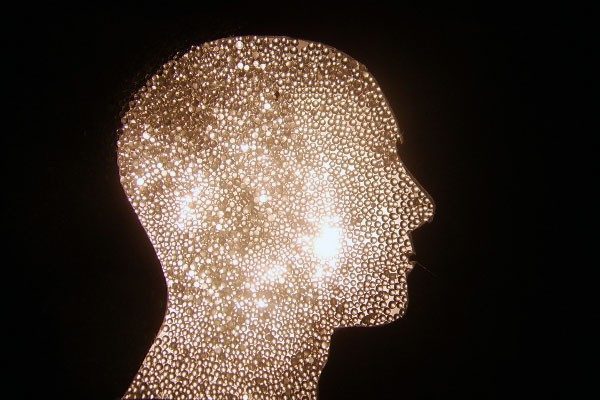
Gentle sound stimulation - such as the rush of a waterfall - synchronized to the rhythm of brain waves significantly enhanced deep sleep in older adults and improved their ability to recall words, reports a new Northwestern Medicine study.

Deep sleep is critical for memory consolidation. But beginning in middle age, deep sleep decreases substantially, which scientists believe contributes to memory loss in aging.

The sound stimulation significantly enhanced deep sleep in participants and their scores on a memory test.

"This is an innovative, simple and safe non-medication approach that may help improve brain health," said senior author Dr. Phyllis Zee, professor of neurology at Northwestern University Feinberg School of Medicine and a Northwestern Medicine sleep specialist. "This is a potential tool for enhancing memory in older populations and attenuating normal age-related memory decline."

The study was published March 8 in Frontiers in Human Neuroscience.

Comment: The healing power of sound:
The ancient Greek philosopher and mathematician, Pythagoras of Samos, was reported to have used therapeutic sound by using music to treat physical as well as emotional maladies. One of his biographers, Iamblichus, writes, "Pythagoras was of the opinion that music contributed greatly to health, if used in an appropriate manner...[by using] music in the place of medicine."11 Today, music therapy is an established clinical discipline widely used to assist people to overcome physical, emotional, mental, social and spiritual challenges.12 There is some evidence that the ancient Egyptians used sound as medicine and a tradition exists in which Pythagoras is thought to have travelled in Egypt, suggesting that he may have gained his knowledge of this subject from their priests.13


Lemon

More mad science: Franken-citrus coming to a store near you?

fraken-critrus
© natural blaze
A new ruling is expected to pave the way for genetically modified citrus to enter your local stores—but a loophole allows the food industry to keep you in the dark about the nature of the fruit you're purchasing.

The Animal Plant Health and Inspection Service (APHIS) is getting ready to do an environmental impact statement on a genetically modified citrus tree. If past experience is any guide, the government will most likely approve this latest GMO experiment.

Here's the rub: the trees are treated with a genetically modified virus that makes them resistant to citrus greening disease, which has caused major problems for citrus growers in Florida. But according to the government's definition, neither the trees nor the fruit will be considered genetically modified (an assertion that is patently absurd), so once again consumers will be in the dark about what kind of food they'll be eating.

Comment: Just a few of the 'new' GMO foods in the biotech pipeline:


Attention

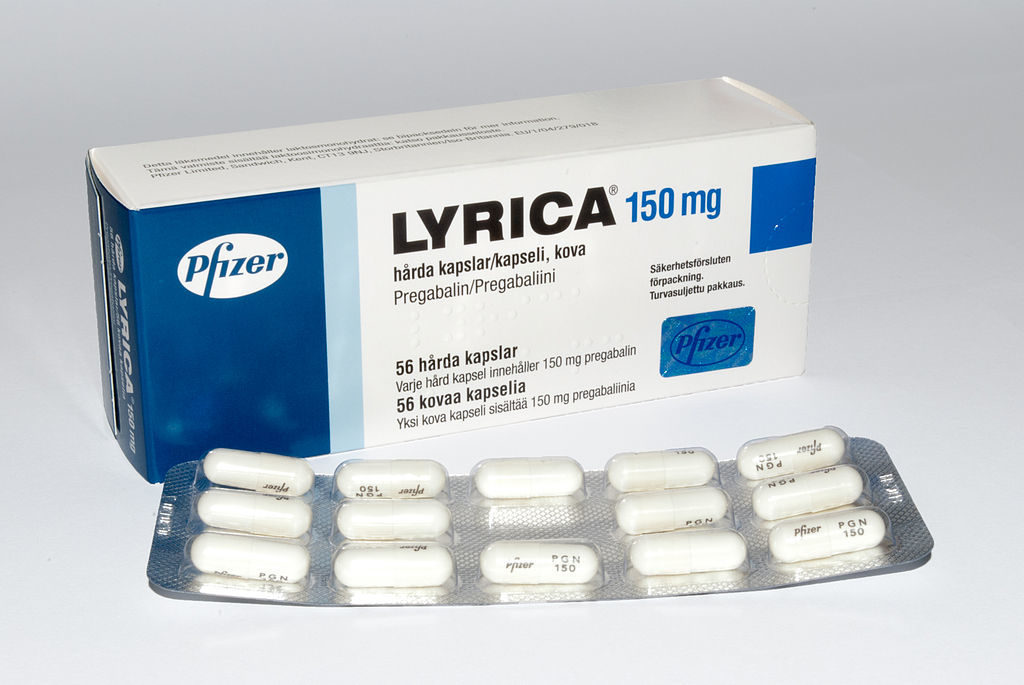
Neurontin and Lyrica adverse effects: Brain damage, muscle injury and more

Lyrica
Several years ago, Byron Richards, CCN, reported that Neurontin and Lyrica are a death sentence for new brain synapses. These drugs are anti-seizure (gabapentinoids) drugs that are used for much more than epilepsy management including dealing with chronic pain. As they have been prescribed for an increasing number of concerns, more research has been done on long-term effects, which have revealed a real cost to health. This new research provides even stronger incentive to keep our nerves healthy and use alternative support and prevention. Many natural resources exist for chronic pain, nerve, brain, and inflammation support that don't have the negative effects of these damaging drugs.

As usage of these drugs has risen, more doctors are expressing concern in their dangers and misuse. In a recent editorial in the journal Addiction, the author from a pain clinic in the UK outlined a growing problem of gabapentin/Neurotin and pregagalin/Lyrica misuse. In the last 5 years alone, she noted that the prescription rates have increased by 150 and 350 percent respectively. In her article, she expressed great concern with the overuse of the drugs and the lack of effectiveness in the majority of prescribed cases. She stated that "prescribing gabapentinoids in clinical practice has proved more hazardous than in the supervised context of a clinical trial where drugs are prescribed in fixed doses to selected low-risk individuals". It is further acknowledged that "clinically meaningful pain relief with gabapentinoids is achieved in fewer than 20 percent of patients with discrete diagnoses and patients with poorly defined disorders such as fibromyalgia fare even worse with pain reduction". Indeed, there is a growing concern of Lyrica and Neurontin becoming the new drug of addiction and following the path of opioid addiction.

Sun

Minding your mitochondrial power grid

mitochondria
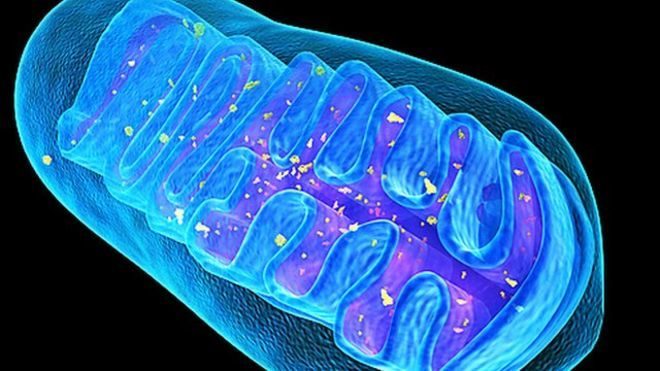
Mitochondria are small, specialized structures within your cells and are the power generators of your cells. They work by transferring electrons from fat and sugars to oxygen in the process of generating ATP (adenosine triphosphate), which is the energy "currency" of your cells.1

Mitochondria are unique in that they have their own genetic code largely for proteins unique to their electron transport chain (different than nuclear DNA), they divide and replicate on their own timetable (different from that of the cell) and have two membranes — an inner and outer — that are used to produce ATP.

The membranes allow your mitochondria to store energy, similar to a battery, and use it for oxidative phosphorylation, a process the mitochondria use to generate energy in the form of ATP.

In 2015, researchers from the National Institutes of Health (NIH) in Bethesda, Maryland, revealed that mitochondria not only use the stored energy to create ATP, but also as a primary energy source. In fact, the study revealed this may actually be "the dominant pathway for skeletal muscle energy distribution."2

This finding, in turn, led the researchers to suspect that mitochondria form a type of cellular "power grid" in your cells — a finding they confirmed with a 2017 study published in the journal Cell Reports.3

Comment: For more information on optimizing mitochondrial functioning, see:


Health

Higher risk of heart attack for certain blood groups

red blood cells
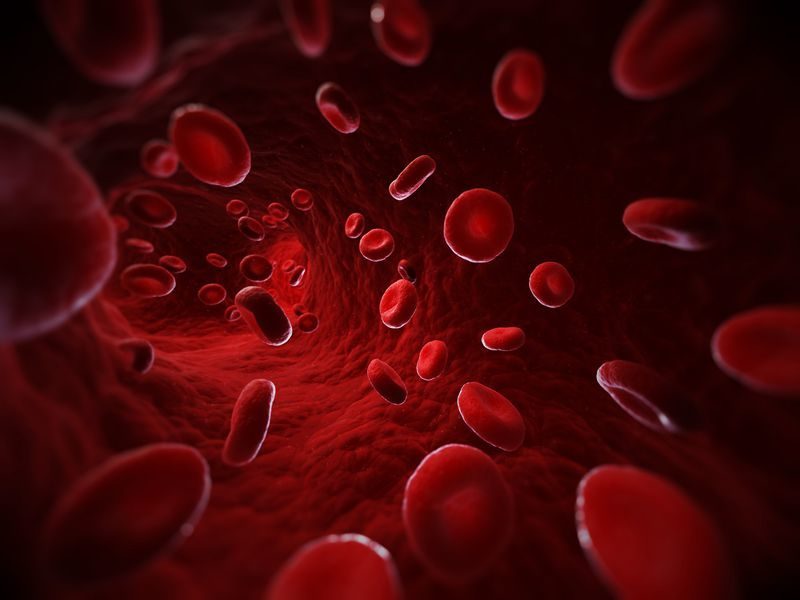
People in certain blood groups have a higher risk of heart attack and stroke, according to new research presented on Sunday at the European Society of Cardiology Congress.

The study was a meta-analysis that combined a vast amount of data from multiple studies into both O and non-O blood groups in order to reach a more definitive and conclusive answer than one standalone study ever could.

"It has been suggested that people with non-O blood groups (A, B, AB) are at higher risk for heart attacks and overall cardiovascular mortality... If this was confirmed, it could have important implications for personalised medicine," the lead author of the study, Tessa Kole, said in a press release.

The research, which involved a total sample size in over 1.3 million participants, focused on instances of heart attacks, heart failure, and coronary artery and ischaemic heart disease, as well as various other "cardiovascular events," which damage the muscle tissue in the heart.

Within the overall test group, 23,154 "cardiovascular events" were recorded. The researchers then analyzed the correlation between such events and the blood type of the person.

Comment: See also: Blood Type May Affect Heart Disease Risk