Health & WellnessS


Hourglass

Stress is a neurotoxin - it can knock 20 years off your life

James Redford
© Larry Busacca/Getty ImagesJames Redford … ‘Stress is a neurotoxin like lead or mercury poisoning.’
Heart disease, depression, life expectancy. New research claims that stress exerts a far heavier physical toll than previously understood. The film-maker James Redford talks about how toxic stress can be a killer.

There is a scene in James Redford's new film, Resilience, in which a paediatrician cites a parental misdeed so outmoded as to seem bizarre. "Parents used to smoke in the car with kids in the back and the windows rolled up," she says, incredulous. How long ago those days now seem; how wise today's parents are to the dangers of those toxins. Yet every week in her clinic in the Bayview-Hunters Point area of San Francisco, children present with symptoms of a new pollutant - one that is just as damaging. But unlike the smoke-filled car, this new pollutant is invisible, curling undetected around children's lives and causing lasting damage to their lungs, their hearts, their immune systems.

"Stress," Redford says. "It is a neurotoxin like lead or mercury poisoning." He mentions the city of Flint in Michigan, where residents were exposed to lead in drinking water. "And that's literally what's going on" with children who are "coming from really stressful environments. We know what environmental toxins are. Well, this is an environmental toxin." The proliferation of so-called "toxic stress" among children, Redford says, "is a public health crisis".


Comment: Dr. Gabor Maté: The stress-disease connection, addiction & the destruction of American childhood


SOTT Logo Radio

SOTT Focus: The Health & Wellness Show: Avoiding the amygdala hijack - Strategies for surviving the signs of the times

brain chemicals, amygdala
On this episode of the Health and Wellness Show we spoke about the amygdala, two almond shaped clusters located in the limbic ring of the brain. In neuroscience the amygdala is referred to as the 'emotional sentinel', it is the specialist in emotional matters, where all passion originates.

Have you ever had the experience where you totally lost control, only later realizing you had no idea what or how you were set off? The experience is known as the 'amygdala hijack' - the amygdala takes over before the 'thinking brain' has a chance to respond. In today's crazy world how can we avoid the amygdala hijack? What are some strategies we can employ in everyday life that will lead to greater emotional intelligence? Join us as we talk about the warning signs that lead to this neural hijack and how can we navigate these uncertain times with calm, collected mental clarity.

Also, stay tuned for Zoya's Pet Health segment, where she gives us some fun facts about cockroaches.

Running Time: 01:32:41

Download: MP3


Info

'It's dangerous to call breastfeeding natural' - Pediatricians promoting disinformation

breastfeeding
© Mercola.com
When making decisions that affect your health, and the health of your children, it's important they are grounded on clear, fact-based information, and not influenced by those who may stand to gain financially. In past years, this was sufficiently demonstrated in results from industry-funded studies that are widely divergent from results of non-industry biased studies.1

For instance, studies funded by the sugar industry claimed fats were the primary trigger for heart disease, when research has demonstrated it is sugar and trans fats that are the culprit. For years the tobacco industry hid the dangers of lung cancer. This misinformation damaged the health of innumerable individuals.

Breastfeeding has suffered some of the same erroneous advice over the years. Following the development of manufactured infant formula, mothers were advised to bottle feed in order to improve the health of their children. Today, multiple studies demonstrate breastfeeding is more beneficial, both for you and your baby.

A recent bioethical (ethics in medical and biological research) argument in the journal Pediatrics now advises pediatricians it's time to stop referring to breastfeeding as something "natural."2 However, while the article focuses on breastfeeding, the intent appears to be aimed at bolstering the vaccine program.

Comment: Breast-feeding is what 'nature' intended - for the benefit of both mother and child. The benefits of breastfeeding whether termed 'natural' or not far outweigh any sort of medical or commercial intervention! Looks like even FOX news is covering the topic:


Info

Lifestyle changes can reverse Alzheimer's

Chinese pensioners exercise in a park
© Photo by Jie Zhao/GettyChinese pensioners exercise in a park.
Last summer, a research group from the University of California, Los Angeles (UCLA) quietly published the results of a new approach in the treatment of Alzheimer's disease. What they found was striking. Although the size of the study was small, every participant demonstrated such marked improvement that almost all were found to be in the normal range on testing for memory and cognition by the study's end. Functionally, this amounts to a cure.

These are important findings, not only because Alzheimer's disease is projected to become ever more common as the population ages, but because current treatment options offer minimal improvement at best. Last July, a large clinical trial found little benefit in patients receiving a major new drug called LMTX. And after that, another hopeful drug designed to target amyloid protein, one of the hallmarks of Alzheimer's disease, failed its first large clinical trial as well. Just two months ago, Merck announced the results of its trial of a drug called verubecestat, which is designed to inhibit formation of amyloid protein. It was found to be no better than placebo.

The results from UCLA aren't due to an incredible new drug or medical breakthrough, though. Rather, the researchers used a protocol consisting of a variety of different lifestyle modifications to optimise metabolic parameters - such as inflammation and insulin resistance - that are associated with Alzheimer's disease. Participants were counselled to change their diet (a lot of veggies), exercise, develop techniques for stress management, and improve their sleep, among other interventions. The most common 'side effect' was weight loss.

Lemon

Why people who think juicing is healthy are wrong

fruit juice
© iStockThis juice may taste good, but unlike the fruit, it’s not actually healthy for you
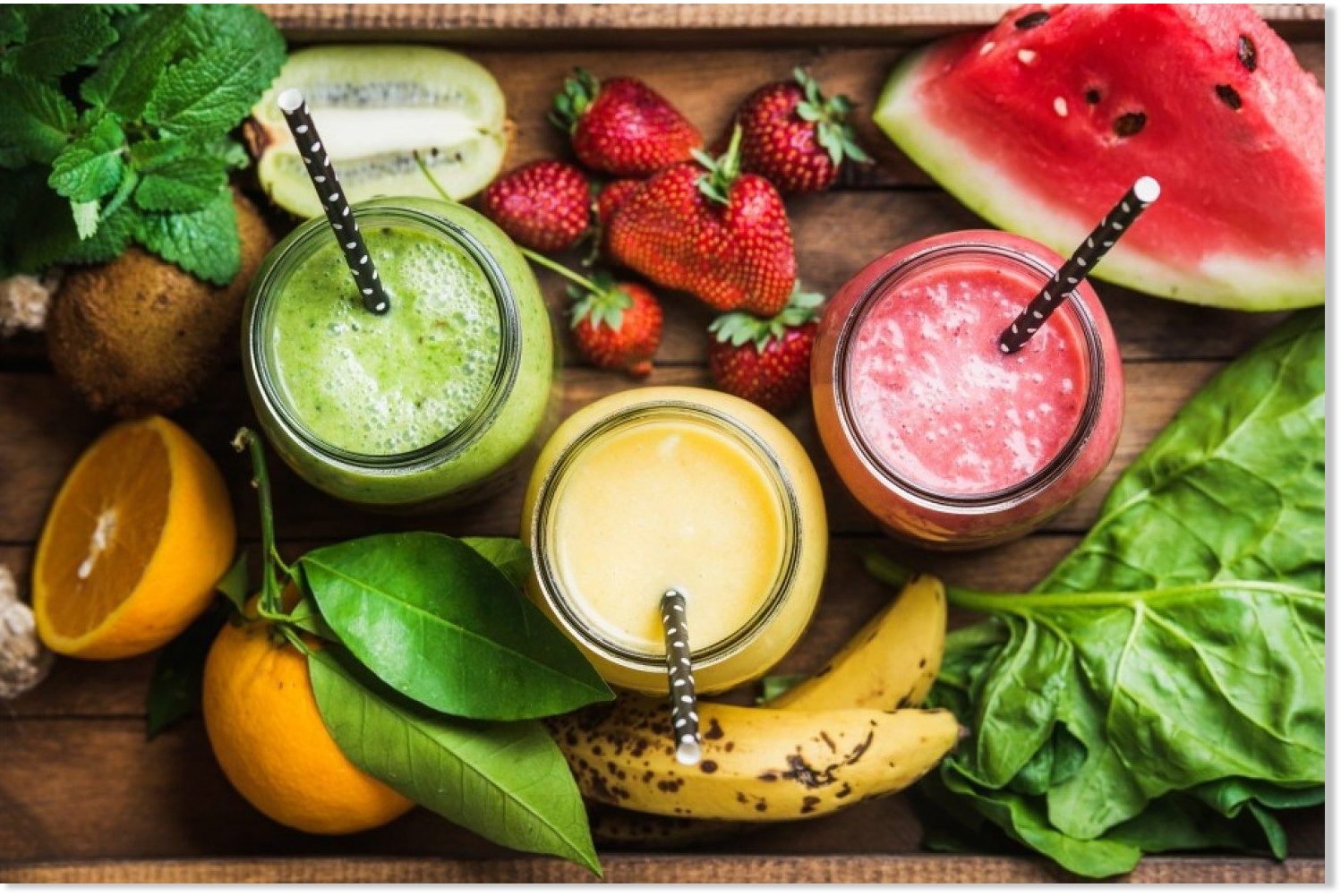
Mrs. G. came to our offices for her first visit distraught. Her primary-care doctor had just diagnosed her with diabetes, and she was here for advice. She was shocked by the diagnosis. She had always been overweight and had relatives with diabetes, but she believed she lived a healthy lifestyle. One of the habits that she identified as healthy was drinking freshly squeezed juice, which she saw as a virtuous food, every day. We asked her to stop drinking juice entirely. She left the office somewhat unconvinced, but after three months of cutting out the juice and making some changes to her diet, her diabetes was under control without the need for insulin.

Mrs. G. is not an uncommon patient. As diabetes specialists, we see patients like her all the time, who for one reason or another believe that juice is a health food. The truth is that fruit juice, even if it is freshly pressed, 100 percent juice, is little more than sugar water. Yet many Americans believe that juice is good for them. In one survey of parents of young children, 1 in 3 believed that juice was at least as healthy as fruit. We are inundated with the message that juice is healthy. Juice bars abound in gyms, spas and health food stores, while government programs supply large quantities of juice to low-income children and pregnant mothers.

The commercial juice industry is happy to take advantage of this idea, as with POM Wonderful's tagline "Drink to your health" or Juicy Juice's labels extolling the (mostly added) 120 percent of recommended daily vitamin C in the products. While the Internet is busy laughing at the Juicero juicing system — in which, it turns out, your hands work as well as the $400 WiFi-enabled machine — what people should really be talking about is a much simpler fact: The product takes healthy fruits and vegetables and makes them much less healthy.

Brain

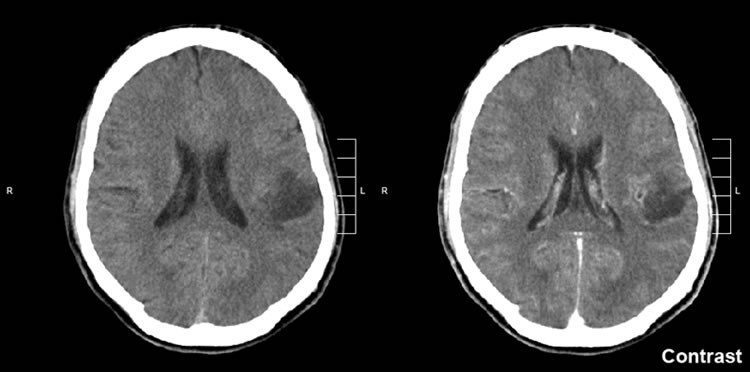
Surprising link discovered between blood sugar and glioma brain cancer

Brain imaging
© Mikhail Kalinin
Summary: Diabetes and high blood sugar appears to lower a person's risk of developing glioma brain cancer, a new study suggests

Diabetes raises risk for many cancers, but not most common malignant brain tumor.

New research further illuminates the surprising relationship between blood sugar and brain tumors and could begin to shed light on how certain cancers develop.

While many cancers are more common among those with diabetes, cancerous brain tumors called gliomas are less common among those with elevated blood sugar and diabetes, a study from The Ohio State University has found.

The discovery builds on previous Ohio State research showing that high blood sugar appears to reduce a person's risk of a noncancerous brain tumor called meningioma. Both studies were led by Judith Schwartzbaum, an associate professor of epidemiology and a researcher in Ohio State's Comprehensive Cancer Center. The new glioma study appears in the journal Scientific Reports.

Water

US facing 'nationwide drinking water crisis' with 77mn exposed to unsafe water in 2015 - study

water faucet
© Eric Thayer / Reuters
Up to 77 million Americans were serviced in 2015 by unsafe drinking water systems, with 18 million people exposed to excessive levels of lead and copper, a new study found, adding that penalties for violations are "virtually nonexistent."

"The actual number of violations and systems breaking the law is likely substantially higher because of probable widespread underreporting," the authors of the study by the environmental advocacy group Natural Resources Defense Council (NRDC) say.

According to the research, entitled "Threats on Tap: Widespread Violations Highlight Need for Investment in Water Infrastructure and Protections," violations were reported in all 50 states in 2015, including the District of Columbia, Puerto Rico, and other territories covered by the Safe Drinking Water Act (SDWA).

The top five states with SDWA violations by population proved to be Texas, Florida, Pennsylvania, New Jersey, and Georgia.

Texas saw the lion's share of health-based violations, affecting more than 4.9 million people. Puerto Rico came in second, with more than 2.4 million, followed by Ohio, Maryland, and Kentucky. When ranked by percentage of total population served, Puerto Rico had "the highest percentage of any state or territory, with 69.4 percent of its population served by community water systems with health-based SDWA violations," according to the study.

Bacon n Eggs

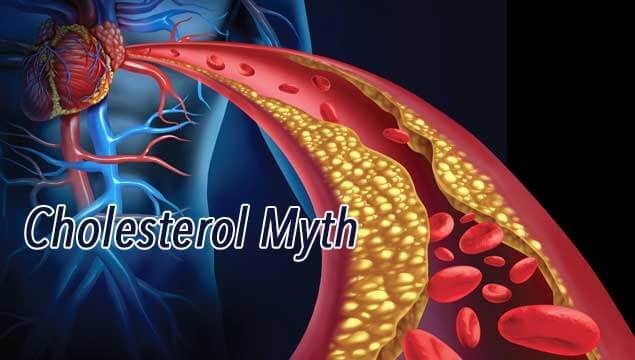
Cholesterol myth busted again: 40-year-old previously unpublished trial shows lowered cholesterol increases mortality

cholesterol myth
For the past four decades, the U.S. government has warned that eating cholesterol-rich foods such as eggs would raise your LDL cholesterol (inappropriately referred to as "bad" cholesterol) and promote heart disease.

Alas, decades' worth of research utterly failed to demonstrate this correlation, and the 2015-2020 Dietary Guidelines for Americans1,2,3,4,5 finally addressed this scientific shortcoming, announcing "cholesterol is not considered a nutrient of concern for overconsumption."6

This is good news, since dietary cholesterol plays an important role in brain health and memory formation, and is indispensable for the building of cells and the production of stress and sex hormones, as well as vitamin D. (When sunlight strikes your bare skin, the cholesterol in your skin is converted into vitamin D.)

Unfortunately, the dietary guidelines still cling to outdated misinformation about saturated fat, wrongly accusing it of raising LDL and contributing to heart disease. Here, science has shown that saturated fat only raises the safe, fluffy LDL particles. It also increases HDL, which is beneficial for your heart.

The guidelines became and are still confusing because the basic premise was wrong. Dietary fat is indeed associated with heart disease, but it's the processed vegetable oils, which are loaded with trans fats and oxidized omega-6 fats, that are the problem, not saturated fats.

The introduction of industrialized, highly processed and frequently heated omega-6 vegetable oils distorted the vitally important omega 6-to-3 ratio, causing metabolic catastrophes. The problem was further exacerbated by replacing saturated fat with refined carbohydrates, which were incorrectly viewed as a healthier option, thanks to misinformation created and spread by the sugar industry.

Brain

UK researchers investigating potential of cannabidiol to shrink brain tumors

medical marijuana
© denali healthcare
In a world first, scientists at Nottingham University, UK, are investigating whether cannabidiol - a non-psychoactive chemical in marijuana - could be used to shrink brain tumors, prompted by a growing number of parents administering it to their children for the purpose.

The team is led by Professor Richard Grundy of Nottingham University's children's brain tumor center, who said there had been a sizeable surge in parents administering it without medical advice in the belief it might help in 2017. Products containing cannabidiol can be bought online legally, as they do not contain THC, the ingredient in cannabis which induces the high.

In 2016, the Medicines and Healthcare Products Regulation Agency declared the compound had a "restoring, correcting or modifying" effect on "physiological functions." Still, the ruling meant companies must acquire a licence to sell them — they are officially classified as medicinal, and as such must meet safety, quality and efficacy standards.

Comment: The ability of cannabis to kill 'incurable' brain cancer has been known for years. The primary obstacle to it's wider use and acceptance is the intransigence of the revenue driven pharmaceutical industry capitalizing on the suffering of humanity.


Evil Rays

Smart phone usage worsens mental health conditions in teens

teen smartphone
© Helmut Meyer zur Capellen / Global Look Press
Digital technology overuse could worsen mental health issues for at-risk teenagers, even though the gadgets can make adolescents happier, a new study finds.

Excessive usage of smartphones correlates with an increase in attention deficit hyperactivity disorder (ADHD) and conduct disorder (CD) symptoms among teenagers, according to a new study published in the journal Child Development.

"Adolescents are spending an unprecedented amount of time using digital technologies (especially mobile technologies), and there are concerns that adolescents' constant connectivity is associated with poor mental health, particularly among at-risk adolescents," the study reads.

The research team from Duke University in North Carolina, US, led by Ph.D. candidate Madeleine J. George, surveyed a group of 151 teenagers aged between 11 and 15.