Health & WellnessS


Bulb

Study finds being exposed to small amounts of light during sleep is linked to depression

sleeping in bed light
It may be time to invest in some blackout curtains, according to new research.

A study published recently in the American Journal of Epidemiology found a strong association between even low-level nighttime light exposure and depressive symptoms among elderly adults. The findings suggest that snoozing in total darkness may be ideal not only for your sleep quality, but also for your mental health, says study co-author Kenji Obayashi, a professor in the department of community health and epidemiology at Nara Medical University School of Medicine in Japan.


"Maintaining darkness in the bedroom at night may be a novel and viable option to prevent depression," Obayashi wrote in an email to TIME.

Comment: The effects of light exposure during sleep are well known, and have been shown to have a detrimental effect on the body. So in addition to blocking out external light, internal light from devices like cellphones, power bars, appliances etc should also be removed to keep things as dark as possible while you sleep. See also:


SOTT Logo Radio

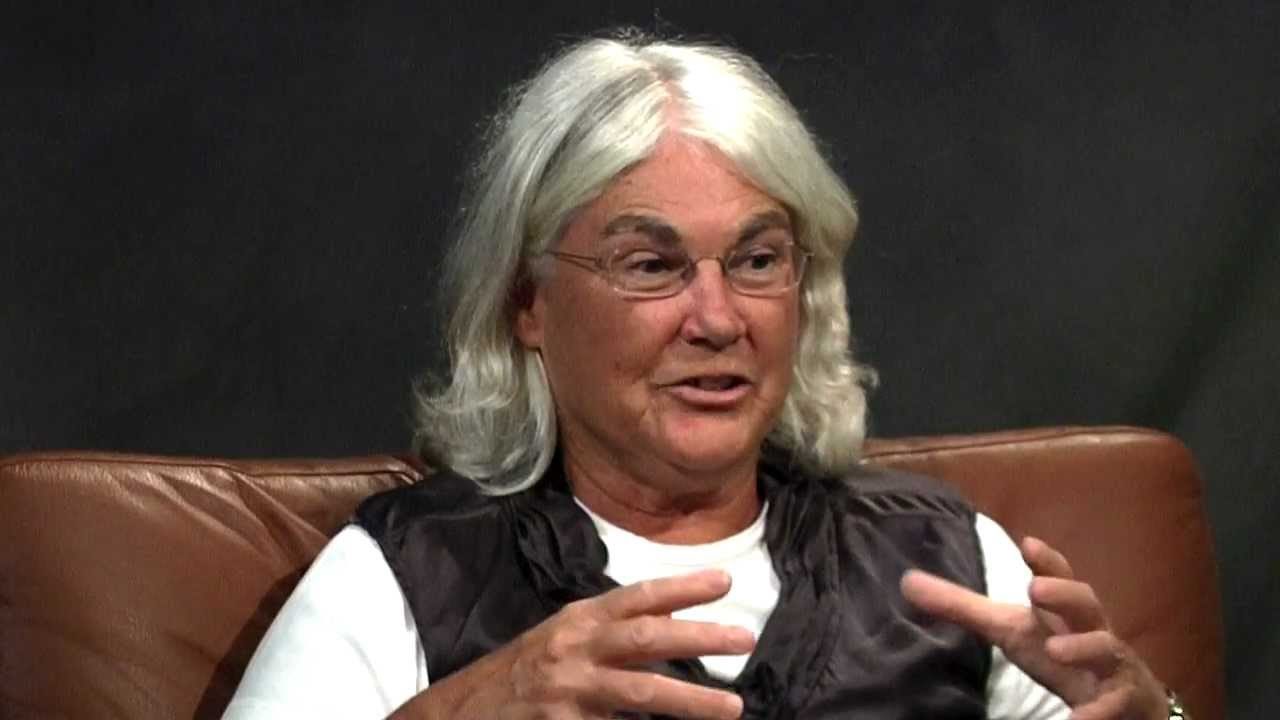
SOTT Focus: The Health & Wellness Show: Interview with Brilliant Researcher Dr. Stephanie Seneff

Stephanie Seneff
Today on the Health and Wellness Show, we have a very special interview with brilliant researcher Dr. Stephanie Seneff.

Stephanie Seneff is a Senior Research Scientist at the MIT Computer Science and Artificial Intelligence Laboratory. She received the B.S. degree in Biophysics in 1968, the M.S. and E.E. degrees in Electrical Engineering in 1980, and the Ph.D degree in Electrical Engineering and Computer Science in 1985, all from MIT. For over three decades, her research interests have always been at the intersection of biology and computation: developing a computational model for the human auditory system, understanding human language so as to develop algorithms and systems for human computer interactions, as well as applying natural language processing (NLP) techniques to gene predictions. She has published over 170 refereed articles on these subjects, and has been invited to give keynote speeches at several international conferences. She has also supervised numerous Master's and PhD theses at MIT. In 2012, Dr. Seneff was elected Fellow of the International Speech and Communication Association (ISCA).

In recent years, Dr. Seneff has focused her research interests back towards biology. She is concentrating mainly on the relationship between nutrition and health. Since 2011, she has published over two dozen papers in various medical and health-related journals on topics such as modern day diseases (e.g., Alzheimer, autism, cardiovascular diseases), analysis and search of databases of drug side effects using NLP techniques, and the impact of nutritional deficiencies and environmental toxins on human health.

Join us for a fascinating discussion with Dr. Seneff where we'll be covering a wide variety of topics on human health and nutrition.

Running Time: 01:17:33

Download: MP3


Here's the transcript of the show:

Dominoes

Cholesterol Sulfate Deficiency and Coronary Heart Disease

Heart disease, cardiovascular health
  • Impaired sulfate supply to the heart is a key factor in cardiovascular disease.
  • Red blood cells, platelets and cells in the skin synthesize cholesterol sulfate catalyzed by sunlight.
  • Cholesterol sulfate, unlike cholesterol, is water soluble, so it can travel freely in the blood rather than packaged up inside an LDL particle.
  • Glyphosate, the active ingredient in the pervasive herbicide Roundup, disrupts sulfate synthesis in the skin and disrupts bile flow from the liver, leading to a systemic deficiency in cholesterol sulfate.
  • Sulfate provides negative charge in the blood vessel wall and for the red blood cells and platelets, promoting flow.
  • Sulfate also maintains the structured water that lines the vessel walls and presents a slick, frictionless surface to the red blood cells.
  • The atheroma actively recruits cholesterol to be ready to produce cholesterol sulfate when sulfate becomes available.
  • Inflammation, while damaging to surrounding tissues, performs a useful service by promoting an oxidative environment necessary to make sulfate.
  • A heart attack is a well-choreographed sequence of events aimed to restore sulfate supplies by oxidizing taurine, which is stored in large amounts in the heart.
  • Statin drugs, by reducing the supply of cholesterol sulfate to the heart, will lead to heart failure down the road, a worse prognosis than cardiovascular disease
Despite decades of research, atherosclerosis remains a poorly explained phenomenon. The simple story experts present to the public is that excess cholesterol accumulates in the blood and combines with other substances to form an atheroma (also called plaque) that lodges in the artery wall, eventually obstructing flow. Strikingly, however, the lipid deposits accumulate only in arteries and never in veins. Even more striking is the fact that the arteries supplying the heart are the most vulnerable.

Health

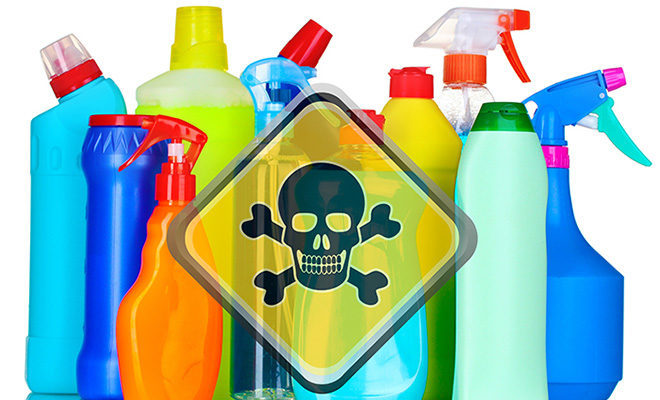
Our toxic homes: Cleaning and personal care products take a heavy toll on lung function

toxic cleaning products
With a growing understanding of the dangers of air pollution, the automobile industry has significantly reduced emissions and Americans are producing less obvious pollution than ever before. However, as air pollution does not recognize borders and can travel thousands of miles, much of the smog on the West Coast of the U.S. originates in Asia.1

A collaborative effort of more than 40 researchers looking at data from 130 countries has called air pollution the "largest environmental cause of disease and premature death in the world today."2 Fine particulate matter is the most studied type of air pollution and refers to particles smaller than 2.5 micrometers in diameter, which is about 30 times smaller than the width of a strand of hair. This is small enough to pass through lung tissue and enter your bloodstream, triggering chronic inflammation and chronic diseases.

According to the World Health Organization (WHO), 92 percent of the global population is breathing polluted air.3 This measurement is based on outdoor sources from transportation vehicles, industrial activity, burning of household fuel and coal powered plants. Although these numbers are considerable, they are likely conservative. According to a recent study published in the American Journal of Respiratory and Critical Care Medicine, you may also expose yourself to fine particulate air pollution while cleaning your home.4

Dollar Gold

Authors of premier medical textbook didn't disclose $11 million in industry payments

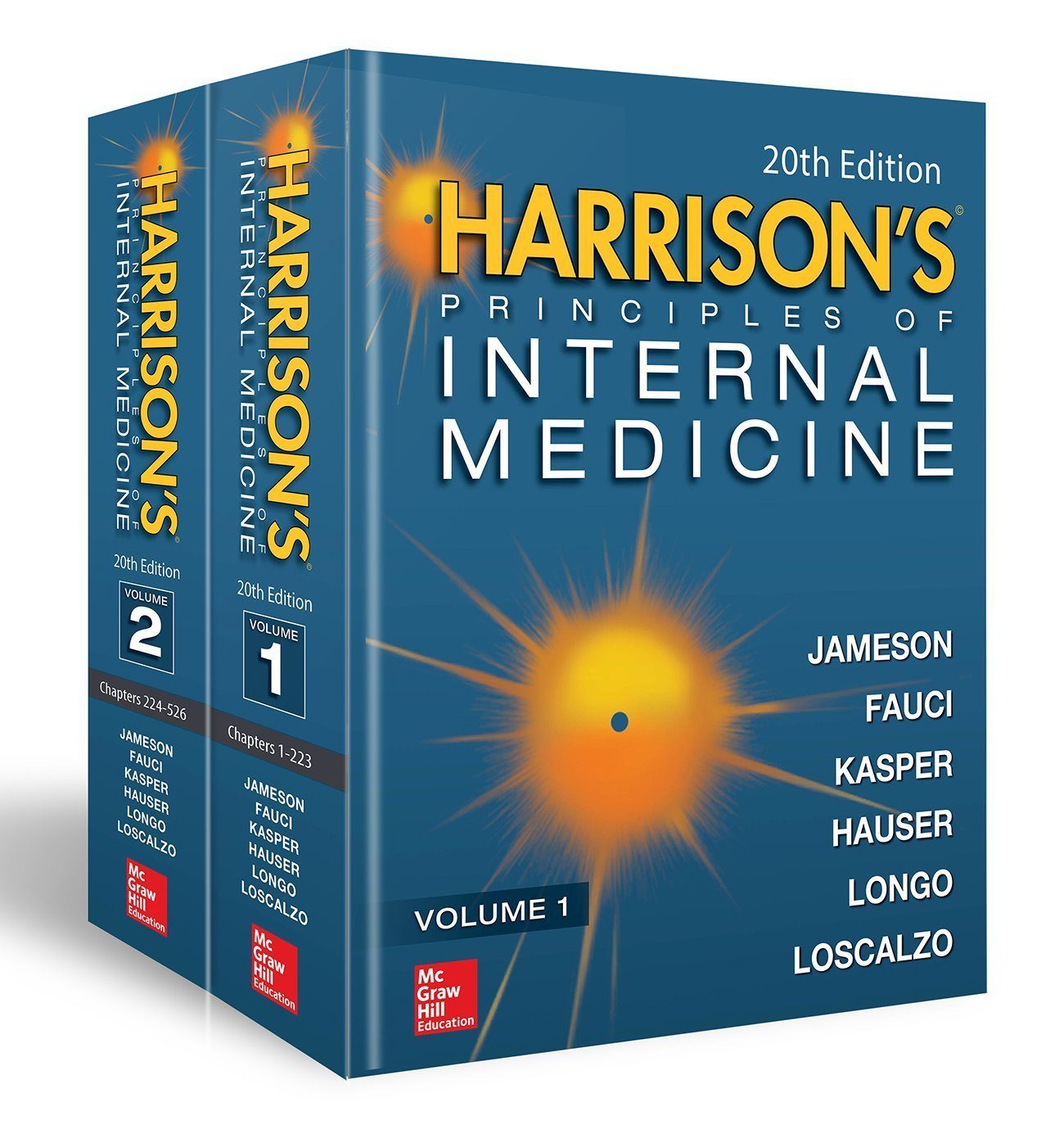
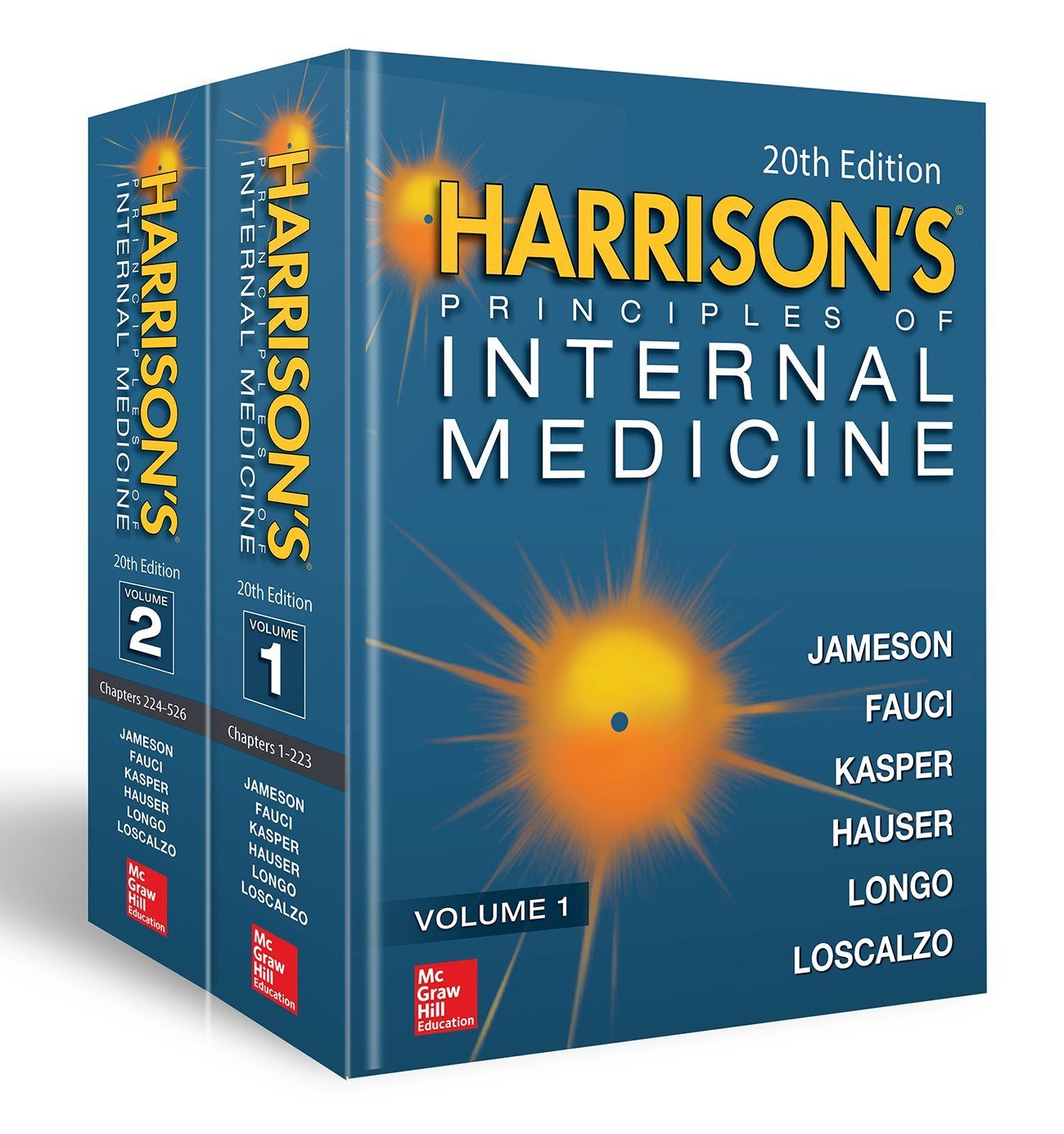
Harrison's Internal Medicine
1-2: Harrison's Principles of Internal Medicine, Twentieth Edition (Vol.1 & Vol.2) Hardcover, to be released this year for $224.10
It's a textbook that has graced the shelves of untold thousands of medical students going back decades. Harrison's Principles of Internal Medicine, now in its 20th edition, is a must-read for medical students and young internists. It has been called "the most recognized book in all of medicine."

It's also a case study in hidden conflicts of interest. So says a group of researchers who found that Harrison's and several other leading medical texts failed to disclose financial interests the authors had in the subject matter as well as payments they'd accepted from industry groups.

According to the study, authors for Harrison's received more than $11 million between 2009 and 2013 from makers of drugs and medical devices - not a penny of which was disclosed to readers. One author, a physician, during that period received nearly $870,000 in funding, including for research, according to ProPublica's Dollars For Docs database of payments to doctors from drug companies.

Many Harrison's authors also hold patents in their fields - as many as 23, in one case - another potential conflict of interest that again the books do not disclose to readers.


Comment: Medical students and doctors should be delighted to dedicate every single hour left of their non-existent free time to read a book ridden with conflict of interests.


Wine n Glass

French doctors rebuke Macron over wine consumption, warning of health dangers in call for more restrictions

Macron wine drinking
© AFP 2018/ GEOFFROY VAN DER HASSELT
Leading doctors have rebuked President Macron for saying he "drinks wine at lunch and in the evening" and called for increased alcohol restrictions as alcohol is dangerous for the health.

A group of nine specialists wrote to Le Figaro to warn Mr Macron against promoting drinking. They spoke out after he had defended wine drinking when Health Minister Agnès Buzyn had warned "wine was alcohol like any other".

Dr Buzyn had accused the wine industry of "double standards" when it said wine "consumption in moderation" could be good for health when the real message was that "alcohol is bad for your health".

Now nine medical colleagues have signed a joint letter saying that "from the liver's point of view wine is, indeed, an alcohol" and demanded a national plan on alcohol.

Comment: As with most things, the amount of damage that may be done is dose dependent and the propensity to harm or aid one's health depends on the individual's own constitution. Some researchers claim that 'superagers' can attribute some of their longevity to drinking modest amounts of alcohol, yet the fact remains that alcohol does have a negative effect on the brain.


Health

New Mexico boy on life support after flu symptoms turned out to be deadly rat-borne Hantavirus that cripples vital organs

Ferni Hatavirus
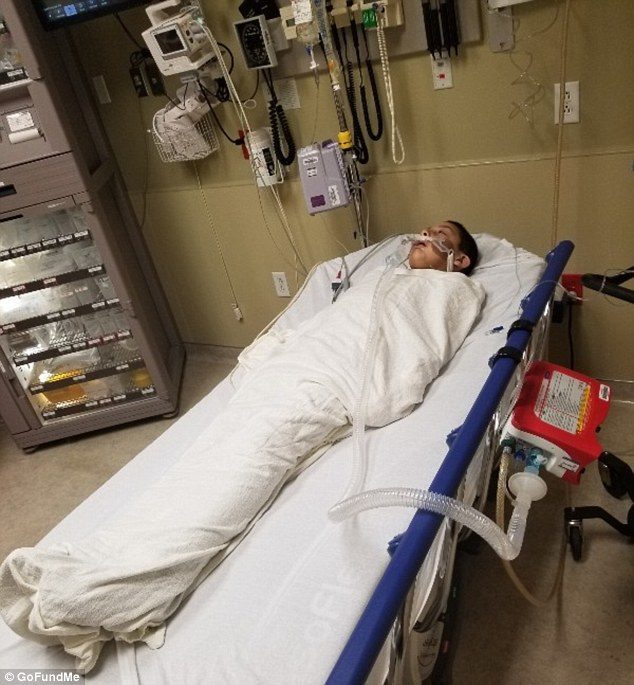
© GoFundMeFerni's dad George wrote on Ferni's GoFundMe page on Sunday that he is stable but not showing any signs of improvement.
A nine-year-old hospitalized with flu symptoms has been on life support for three weeks after tests revealed he has contracted a rare and deadly rat disease.

Fernando Hernandez - nicknamed Ferni - was taken to hospital near his home in Bloomfield, New Mexico, in late January, vomiting and lethargic.

After weeks of inconclusive tests and near-heart failure, he was diagnosed with Hantavirus, a disease spread through rodent droppings that kills more than a third of those infected.

He is the second person to contract the rare virus in the same part of New Mexico in less than a month, and doctors it could be tied to inhaling fumes from the soil.

Comment: Previous Hantavirus outbreaks:


Life Preserver

Progress in HIV: Newly engineered antibody can fight 99 percent of strains

Advanced Antibodies

Research carried out by the U.S. National Institutes of Health (NIH) in conjunction with pharmaceutical firm Sanofi has produced an antibody capable of attacking 99 percent of HIV strains. The International Aids Society has heralded the finding as an "exciting breakthrough."

The human body has difficulty fighting HIV because of the way that the virus changes and mutates - a single patient can have numerous unique strains of the infection present in their body simultaneously. However, a slim minority of people who suffer from HIV eventually develop a means of battling back in the form of broadly neutralizing antibodies.

These proteins are capable of killing off numerous HIV strains at once, so for this joint study between NIH and Sanofi, researchers set out to find a way to harness this natural defense.

Comment: See also:


Light Saber

Australian anti-vaxxers provide new model for their community and the world

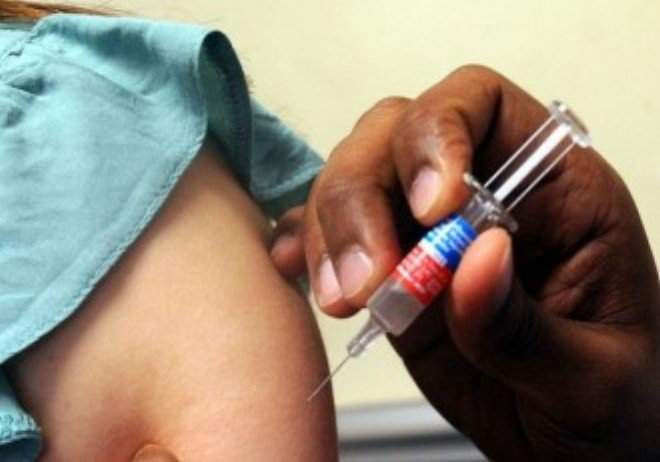
children vaccine
Out of the ashes of government tyranny comes a solution.

In the Australian state of Queensland, childcare facilities can refuse to allow unvaccinated children to attend, so...

Parents there have formed their own community, which has already grown to 800 members. As ABC (Australia) reports:
"Sunshine Coast vaccine refuser and leader of the Natural Immunity Community, Allona Lahn, said her anti-vaccine network had grown to 800 members and was becoming stronger since the regulations were introduced."

"'Out of sheer necessity we've created a community base to support families — we've had no choice other than to start our own social services'."

"Ms Lahn said the network with like-minded families included their own childcare, schools and health services away from the mainstream."

"'We organise group childcare arrangements and we're now devising our own combined homeschooling system,' she said."

"'We use health practitioners within the anti-vaccine networks around Australia and 'anti-vaccination-friendly' doctors in the community'."

"Ms Lahn said network members were turning away from mainstream health services because they faced intimidation and coercion."

Comment:


Health

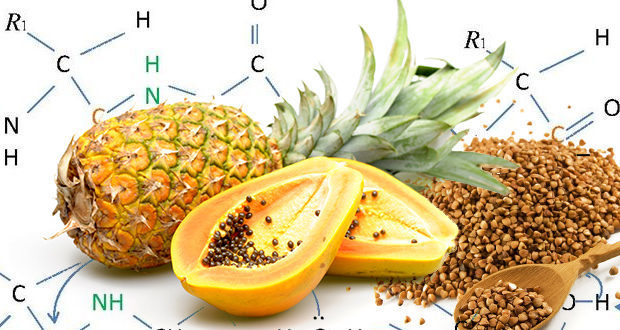
Health benefits of proteolytic enzymes

pineapple papaya enzymes
Enzymes are most known for their importance in digestion, but they're actually necessary for all physiological processes.1 Enzymes, which are composed of amino acids, are secreted by your body to catalyze biological functions that otherwise would not occur at physiological temperatures, so they're absolutely vital for optimal health and life.

How Enzymes Work

More than 3,000 different enzymes have been identified, and some experts believe there may be between 50,000 and 70,000 altogether. Each enzyme has a different function; they can be likened to specialized keys cut to fit individual locks. In this analogy, the locks are biochemical reactions. Here are just some of the activities in your body requiring enzymes:
  • Energy production
  • Removal of toxic waste
  • Absorption of oxygen
  • Dissolving blood clots
  • Fighting infections and healing wounds
  • Breaking down fats in your blood, regulating cholesterol and triglyceride levels
  • Reducing inflammation
  • Hormone regulation
  • Getting nutrients into your cells
  • Building raw materials and slowing the aging process