Health & WellnessS


Family

British town's experiment showing community is a potent cure for illness

Frome community mental health
© Jim Wileman‘Frome has a buzz of sociability, a sense of common purpose and a creative, exciting atmosphere that make it feel quite different from many English market towns.’
Frome in Somerset has seen a dramatic fall in emergency hospital admissions since it began a collective project to combat isolation. There are lessons for the rest of the country

It could, if the results stand up, be one of the most dramatic medical breakthroughs of recent decades. It could transform treatment regimes, save lives, and save health services a fortune. Is it a drug? A device? A surgical procedure? No, it's a newfangled intervention called community. This week the results from a trial in the Somerset town of Frome are published informally, in the magazine Resurgence & Ecologist. (A scientific paper has been submitted to a medical journal and is awaiting peer review). We should be cautious about embracing data before it is published in the academic press, and must always avoid treating correlation as causation. But this shouldn't stop us feeling a shiver of excitement about the implications, if the figures turn out to be robust and the experiment can be replicated.

What this provisional data appears to show is that when isolated people who have health problems are supported by community groups and volunteers, the number of emergency admissions to hospital falls spectacularly. While across the whole of Somerset emergency hospital admissions rose by 29% during the three years of the study, in Frome they fell by 17%. Julian Abel, a consultant physician in palliative care and lead author of the draft paper, remarks: "No other interventions on record have reduced emergency admissions across a population."

Gift 3

'The Big Fat Surprise' - Saturated fat & cholesterol are important parts of a healthy diet

Saturated fat and cholesterol have been wrongfully vilified as the culprits of heart disease for more than six decades. Meanwhile, research has repeatedly identified refined carbs, sugar and trans fats found in processed foods as the real enemy. The first scientific evidence linking trans fats to heart disease while exonerating saturated fats was published in 1957 by the late Fred Kummerow,1 biochemist and author of Cholesterol Is Not the Culprit: A Guide to Preventing Heart Disease.

Unfortunately, Kummerow's science was overshadowed by Ancel Keys' Seven Countries Study,2,3 which linked saturated fat intake with heart disease. The rest, as they say, is history. Later reanalysis revealed cherry-picked data was responsible for creating Keys' link, but by then the saturated fat myth was already firmly entrenched.

Comment: Nina Teicholz: The Big Fat Surprise! (Video)


Alarm Clock

Rolling out the red carpet for industrial chemical producers? EPA dissolves program that studies effects of chemical exposure on children

chemicals and children
The Environmental Protection Agency (EPA) announced late Monday that it is dissolving a program that funds studies on the effects of pollution and chemical exposure on America's children. Critics are calling the move "truly wicked" and another unsurprising sign of the Administration's "willingness to sacrifice the health of the public in the service of its corporate-friendly deregulatory agenda."

From Jake Johnson:
Called the National Center for Environmental Research (NCER), the program previously provided millions of dollars in grants per year to researchers studying the effects of chemicals on children's health. The EPA's move, first reported by The Hill, will eliminate the NCER in the process of consolidating three EPA offices.
...

While the decision to dissolve the NCER was portrayed by the EPA as an effort "to create management efficiencies," experts argued that the move is perfectly in line with the Trump administration's push to gut funding for research programs and undercut the agency's ability to regulate and fine corporate polluters.

"They make it sound like this is a way to create efficiency, but it masks what's happening to this actually programmatic, scientific function of NCER....That makes you think, 'Is this really just an efficiency argument masking their real intention to get rid of the research grant program, which they have said they want to do in the past?'"

Comment: Long before the current administration the EPA has favored industry when assessing chemical dangers
Under the Toxic Substances Control Act of 1976, the EPA has 90 days to review any new chemical, and determine regulatory guidelines like safe levels of use. If the EPA does not set regulations within that time - and they often don't - companies are free to use and sell that chemical how they see fit.

EPA has only tested and published data on approximately 200 of the 83,000 chemicals in its inventory, according to a California Senate review from 2010. Concerns over health effects can lead the EPA to take a second look at certain chemicals, as is the case with Atrazine.
Additional articles sounding the alarm on toxic chemicals and children's health:


Red Flag

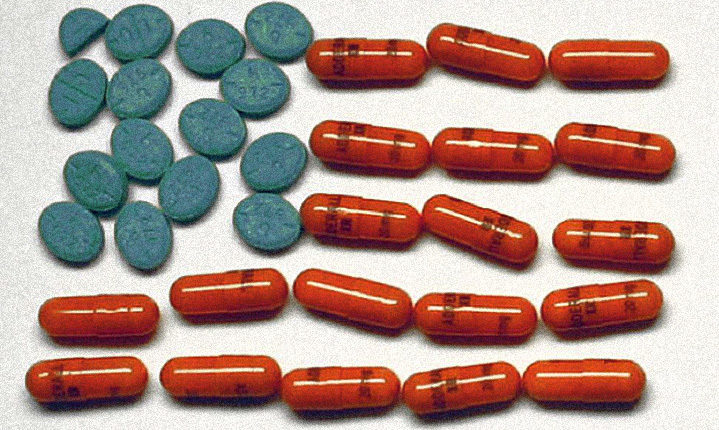
World famous psychiatrist Peter Breggin says: More psychiatric drug treatment means more mass shootings will happen

adderall
Listen to this man. You'd better listen.

His name is Peter Breggin. He is a world famous psychiatrist. He has been called the conscience of his profession.

Here is an excerpt from his bio:
"Peter R. Breggin MD is a Harvard-trained psychiatrist and former Consultant at NIMH [National Institute of Mental Health] who has been called 'The Conscience of Psychiatry' for his many decades of successful efforts to reform the mental health field. His work provides the foundation for modern criticism of psychiatric diagnoses and drugs, and leads the way in promoting more caring and effective therapies. His research and educational projects have brought about major changes in the FDA-approved Full Prescribing Information or labels for dozens of antipsychotic and antidepressant drugs. He continues to educate the public and professions about the tragic psychiatric drugging of America's children."

"Dr. Breggin has authored dozens of scientific articles and more than twenty books, including medical books and the bestsellers Toxic Psychiatry and Talking Back to Prozac. Two more recent books are Medication Madness: The Role of Psychiatric Drugs in Cases of Violence, Suicide and Crime and Psychiatric Drug Withdrawal: A Guide for Prescribers, Therapists, Patients and their Families."

"Dr. Breggin has unprecedented and unique knowledge about how the pharmaceutical industry too often commits fraud in researching and marketing psychiatric drugs. He has testified many times in malpractice, product liability and criminal cases, often in relation to adverse drug effects..."

Syringe

'Safe' vaccines shed the very diseases they're supposed to prevent

aluminum vaccine
The New York Daily News reported on March 21, 2009 a vaccine story that should have had the vaccine industry, health officials, consumers, and parents especially, concerned.

Dominick Tenuto, of Staten Island, New York, contracted paralytic polio from changing his baby daughter's diapers after she had been vaccinated with the Lederle Laboratories vaccine Orimune!

The process by which that unfortunate adverse health incident occurred is known as, and called, "shedding."
Scientific evidence demonstrates that individuals vaccinated with live virus vaccines such as MMR (measles, mumps and rubella), rotavirus, chicken pox, shingles and influenza can shed the virus for many weeks or months afterwards and infect the vaccinated and unvaccinated alike.

(Source)

What is shedding a virus?

Viral shedding refers to the expulsion and release of virus progeny following successful reproduction during a host-cell infection. Once replication has been completed and the host cell is exhausted of all resources in making viral progeny, the viruses may begin to leave the cell by several methods.

(Source)

Comment: More on viral shedding:


Snowflake Cold

Five explanations for constantly feeling cold

cold woman
It's common for women to report feeling cold, partly as a result of physiology, hormones and a greater susceptibility to factors within the body that play with our internal thermostat. Our body relies on various chemical reactions to keep its warmth and when there is a significant deficiency of essential physiological mechanisms and nutrients, it may make you feel cold all the time.

1) Low Levels of Iron
Iron is a critical mineral and an important component of hemoglobin, the substance in red blood cells that carries oxygen from your lungs to transport it throughout your body. This ensures that each cell in the body works properly. If you don't have enough iron, your body can't make enough healthy oxygen-carrying red blood cells and consequently you will shiver. Iron is also crucial because a deficiency can make your thyroid lethargic, leading to a low functioning thyroid. Iron supplements can help, but the best way to boost your iron intake is through organic grass fed meats, eggs and leafy greens like spinach are among the best options.

Pills

Men's sperm counts are dropping and scientists puzzled as to why

dudes at a bbq
Your sperm count may be significantly less than that of men 40 years ago.
The topic of overpopulation has been much discussed over the past few decades, but what if the real issue is a severe decline in population?

It sounds like something straight out of a dystopian nightmare, but new research shows sperm counts are drastically dropping across the Western world.

Researchers from Hebrew University-Hadassah Braun School of Public Health and Community Medicine in Jerusalem announced this week that sperm count in men residing in developed countries has dropped by a whopping 50 percent over the past 40 years. They claim this alarming trend could potentially result in a decline in male health, fertility and possibly even extinction if the trend doesn't turn around.

Comment: There are likely many reasons for declining sperm counts among the population, not the least of which would be crappy diet and environmental toxicity. But could there also be a psychological component? As Western men are made to feel more and more impotent in today's culture, perhaps their ability to procreate suffers.


Wine n Glass

Polyphenols: Health hyper magic bullet?

Polyphenols coffee
If you've read my recent post on phytochemicals, then you already know that plants are absolute powerhouses of health-promoting compounds - above and beyond the essential vitamins, minerals and fiber that they're already famous for. But, one class of phytochemical is such a standout in terms of breadth, diversity, and importance that it deserves its very own blog post: yep, I'm talking about polyphenols!

In the News

Last week, the World Health Organization classified processed and red meats as carcinogenic (and more details from WHO here, and my responses here and here). Specifically, processed meat consumption was labelled as IARC Group 1 (the International Agency for Research on Cancer label for "carcinogenic to humans") on the basis of sufficient evidence for colorectal cancer, and supported by an association with stomach cancer. Red meat consumption was labelled as IARC Group 2A (the label for "probably carcinogenic to humans", just one notch below Group 1) on the basis of epidemiological data showing a positive association between consumption of red meat and colorectal cancer, pancreatic and prostate cancer.

Comment: More on polyphenols:


Pills

Surprise! Study concludes side-effects of antidepressants outweigh benefits

pills
© Everyday Health
Millions are prescribed antidepressants each year, but what are they doing to the body?

Antidepressants may do more harm than good, according to a review looking at the drug's impact on the whole body.

While the drugs may be effective at alleviating depression, they have considerable side-effects.

The researchers found three studies that suggest people taking antidepressants die at a higher rate.

One study has even suggested antidepressants may increase the risk of death by 33%.

Comment: More on the harm caused by antidepressants:


Health

Researchers categorize 5 different types of diabetes

lab worker
© Josue Decavele / Reuters
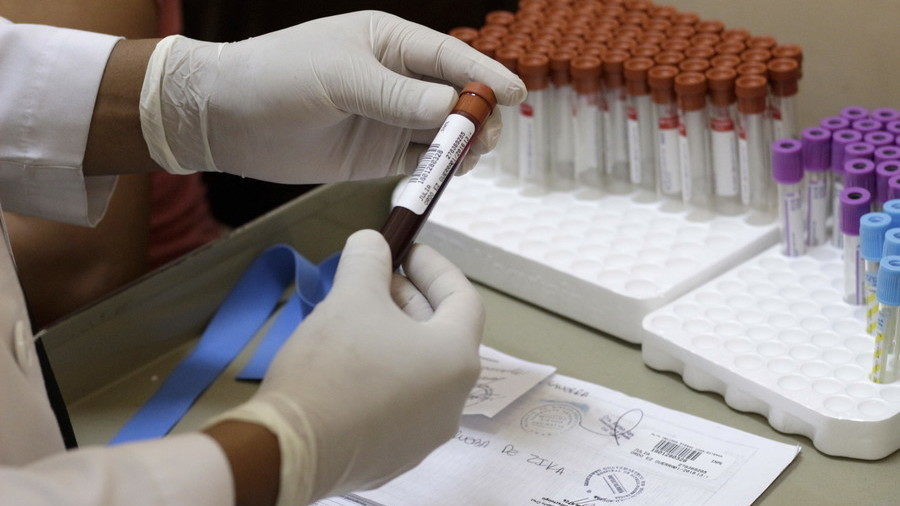
New research suggests that diabetes may actually be five different diseases rather than two separate types as previously thought. The new findings could change how people are treated for the disorder.

A study, published in the journal The Lancet Diabetes and Endocrinology, has revealed five new subgroups of diabetes, each genetically distinct from one another. According to the research, these differences play a role in the stage of life the disease might develop at, as well as the severity of complications, such as kidney disease, among those who have it.

At present, there are just two classifications. Type 1, an autoimmune condition where insulin is not produced and usually develops in childhood, and Type 2, a condition that develops in later life and is usually linked to obesity. Scientists at Lund University Diabetes Centre in Sweden and the Institute for Molecular Medicine Finland found these two types to be too simplistic.

After analyzing the data of nearly 15,000 diabetics using information taken from four registries in Sweden and Finland, the team found that Type 2 is actually made up of four categories, including two of the most severe types of the disease. Prof Leif Groop, one of the researchers who led the study, told the BBC that the findings will usher in a whole new era of personalized medicine.

Comment: There's a new type of diabetes that's being misdiagnosed as Type II