Earth ChangesS


Info

China blames smuggled U.S. GMO corn for crop failure as it struggles to burn all the frankenfood sent its way

Image
© Unknown
China has struggled to keep genetically modified foods out of their country, rejecting and even incinerating US shipments of corn by the boatload this year. But some of the seeds may have made their way in regardless, and it's these US-made seeds that are being blamed for crop failure in the large eastern country.

Police in the Hunan province have busted a seed smuggling case that may have contributed to the failure of 200 acres of corn in Tongdao last year. Called "US golden corn" by local officials, the seeds originate from giants like Monsanto and Syngenta.

Most recently a smuggler named Luo Haihong was arrested, believed to have smuggled more than 500,000 tons of corn seeds into the country since 2003.

Bizarro Earth

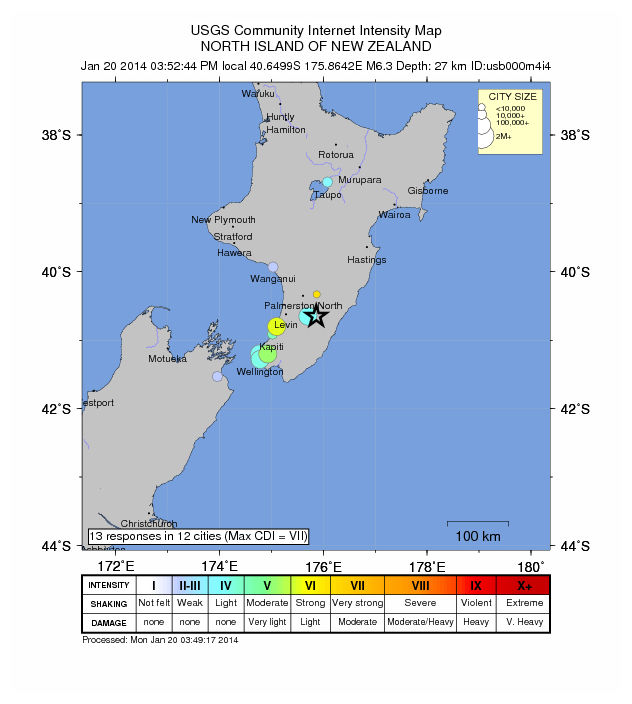
USGS: Earthquake Magnitude 6.3 - 38km NNE of Masterton, New Zealand

Masterton Quake200114
© USGS
Event Time
2014-01-20 02:52:44 UTC
2014-01-20 15:52:44 UTC+13:00 at epicenter

Location
40.650°S 175.864°E depth=27.4km (17.0mi)

Nearby Cities
38km (24mi) NNE of Masterton, New Zealand
39km (24mi) SSE of Palmerston North, New Zealand
49km (30mi) E of Levin, New Zealand
77km (48mi) ENE of Paraparaumu, New Zealand
115km (71mi) NE of Wellington, New Zealand

Technical Details

Attention

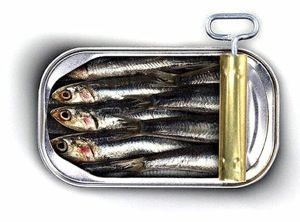
"They're All Gone": Shock as sardines vanish off California - Fishermen didn't find a single one all summer

Image
Long Beach Press Telegram, Jan. 13, 2014: Sardine vanish off the coast; squid and anchovy fill the void for fishermen - [Larry Derr] has pulled up [Pacific sardines] by the ton since the 1980s [...] it was a shock when he couldn't find one of the shiny silver-blue coastal fish all summer [...] anchovies have proven a poor replacement since sardines became scarce. Fortunately, a boom in market squid has propelled Derr and other coastal pelagic fishers. [...] Some have attributed recent rashes of sea lion pup and pelican deaths to the sardine population decline, which began a few years ago and was officially recognized in December [...] "Everybody's calling me every day for sardines," Derr said. "They're all gone. Even Monterey Bay Aquarium is still waiting for some to restock one of their exhibits." [...]

Comment: See also The ocean is broken
Monterey Bay sea life anomalies: What is driving it?


Igloo

Bundle up America: Another round of cold is on the way

Bow Bridge
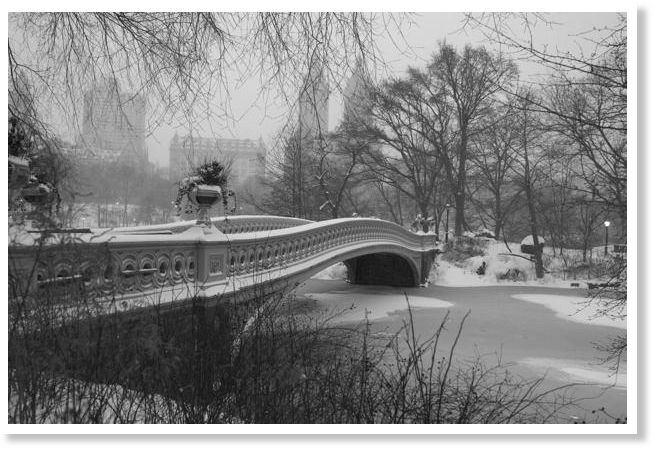
© Gordon DonovanBow Bridge in Central Park New York Friday Jan. 3, 2014
The polar vortex that gripped much of the country has moved on, but don't get too comfortable - another round of frigid air is expected to arrive next week across the northern U.S., from the Dakotas eastward to New England.

It'll be cold, but not the life-threatening cold of last week when subzero temperatures enveloped much of the country and contributed to at least a dozen deaths.

Temperatures will start falling over the weekend into Monday, said Bob McMahon, a meteorologist with the National Weather Service. The cold is expected to persist until Thursday, just in time for a second blast of frigid air to move in and keep temperatures about 10 degrees below average, he said.

Stop

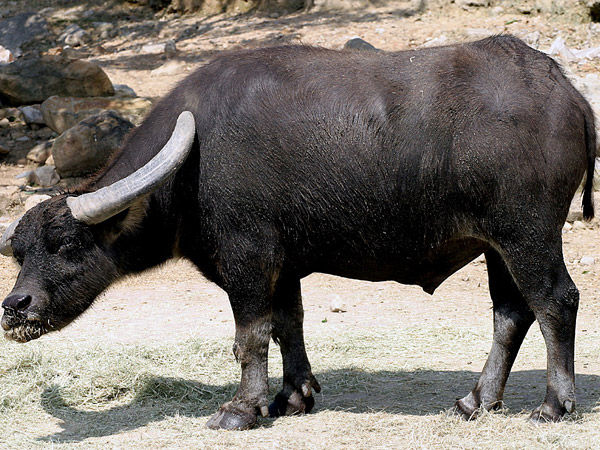
Protest after buffaloes die of mysterious disease in Rewari, India

Image
Indian Water Buffalo
Hundreds of villagers today blocked traffic on Kund-Dahina road near Mandola village here after four buffaloes died of a mysterious disease, demanding that other sick animals be provided treatment free of charge.

The villagers said the four buffaloes died last night at Mandola village.

Scores of buffaloes had died of a mysterious disease at Zenabad, Dahina and neighbouring villages of the district in the past three weeks, but the Veterinary Department had not yet been able to identify the disease and provide treatment, they claimed.

The road blockade, which lasted for several hours, was withdrawn after the SDO of the Animal Husbandry Department, Nasib Singh, assured the villagers of speedy and free treatment of sick animals.

Fish

Mass fish die-off underway in the Nile's Rosetta branch

Image
© Sherif Sadek
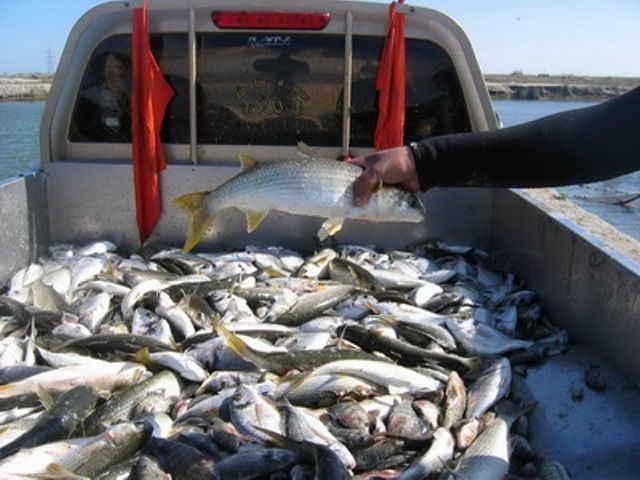
Increasing numbers of dead fish are floating to the surface of the water in the Nile's Rosetta branch near the coastal city of Desouk, which indicates a potentially serious environmental disaster could be underway.

Fishermen reported a foul stench, thinking at first it was coming from the sewage or the industrial waste of the factories.

The governor has formed a committee to take samples of the fish and send them to the central laboratories of Kafr al-Sheikh to analyze and determine the causes.

The residents of the city complain that it has been three days and the numbers of dead fish are still growing, changing the color of the water.

Hani al-Mahlawy of the Preventive Security Administration claims the fish are dying due to the winter blockage of the Nile water that takes place around this time every year, which reduces the amount of oxygen in the water.

Edited translation from Al-Masry Al-Youm

Eye 2

Family finds snake hiding in baby pram while on holiday in Port Douglas, Australia

Image
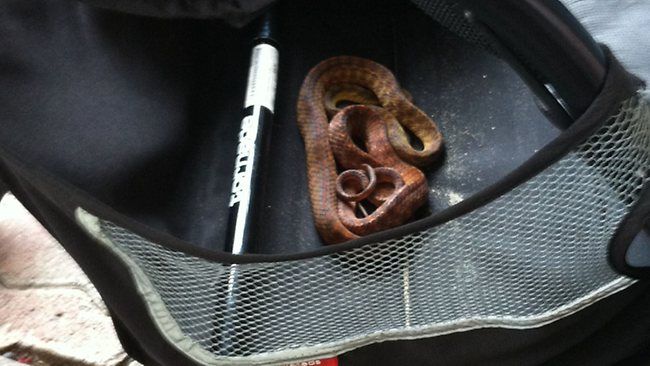
© CairnsPostA tiger snake stashed itself away in bottom of stroller
A young family holidaying in Port Douglas had the shock of a lifetime when they discovered a night snake sleeping beneath their two-year-old daughter's feet in her stroller.

Lauren Bailey, from NSW, was enjoying a walk with her children Max, 4, and Isla, 2.

They were staying in an apartment and the stroller had been parked in the stairwell overnight when the snake apparently decided to curl up for a rest.

Ms Bailey said the family had been out walking on Macrossan St for about half an hour and checking out the local stores when they stopped for ice cream.

"The snake was hidden underneath a clear rain cover for the stroller, and my daughter had her feet on top of that," she said.

"I had also taken the pump out of the bottom of the stroller, so I had my hand right next to it and sat down next to it to pump up the tyres.

"We stopped to buy an ice cream, I took the kids out of the stroller and the sky started to sprinkle so I took out the rain cover and saw the snake sitting right there.

Water

California governor declares drought emergency

Image
© Extinction Protocol
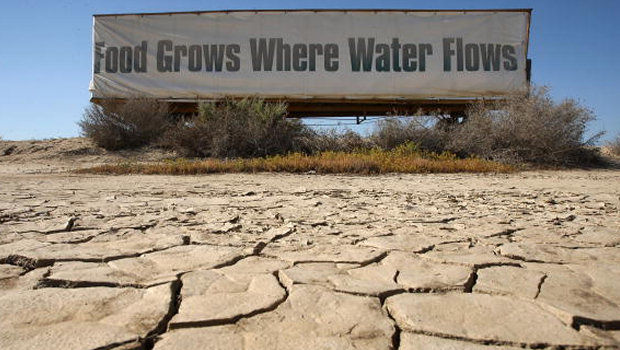
In what could become one of California's biggest crises in years, Gov. Jerry Brown declared a statewide drought emergency Friday, an action that sets the stage for new state and federal efforts. The governor also wants to focus Californians on the possibility of water shortages. "All I can report to you is it's not raining today and it's not likely to rain for several weeks," Brown said in a news conference in San Francisco.

On Thursday, the National Weather Service's Climate Prediction Center forecast below normal precipitation for two-thirds of California through April. Brown's proclamation allows California to request a broad emergency declaration from President Barack Obama, which would expedite some water transfers, provide financial assistance and suspend some state and federal regulations. The situation in most of California and northern Nevada is extremely dry, according to the most recent report Thursday from the U.S. Drought Monitor, a federal website that tracks drought nationwide.

Almost 99% of California is considered abnormally dry or worse; almost two-thirds of the state is in extreme drought. 2013 became the driest year on record in California; San Francisco had the least rain since record keeping there began during the gold rush of 1849. For the past few weeks, Golden State lawmakers and California residents have been urging Brown to make the drought official, a situation made clear with bleak news from the first Sierra snowpack measurement of the season Jan. 10. The northern Sierra has a snowpack that's only 8% of normal for this date, according to the latest measurements released Thursday from the California Department of Water Resources. The central Sierra is at 16% of normal; the southern Sierra at 22%. Last year at this time, snowpack was normal or exceeded it.

Ice Cube

Is a mini ice age on the way? Scientists warn the Sun has 'gone to sleep' and say it could cause temperatures to plunge - no more denying?

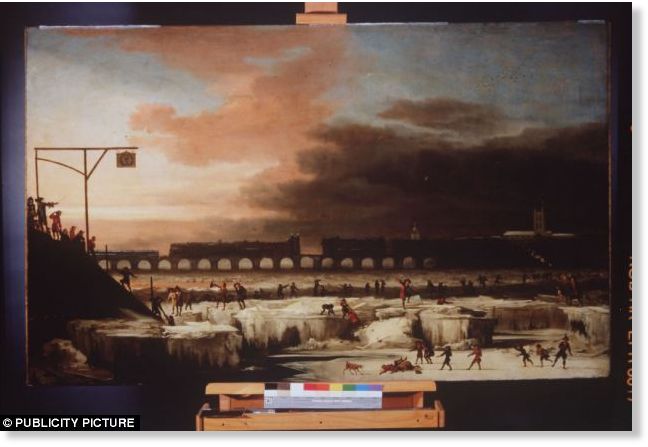
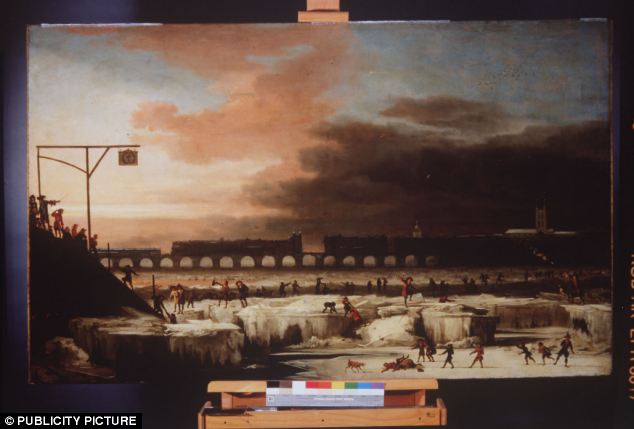
The Sun's activity is at its lowest for 100 years, scientists have warned. They say the conditions are eerily similar to those before the Maunder Minimum, a time in 1645 when a mini ice age hit, Freezing London's River Thames. Researcher believe the solar lull could cause major changes, and say there is a 20% chance it could lead to 'major changes' in temperatures.

Conventional wisdom holds that solar activity swings back and forth like a simple pendulum. At one end of the cycle, there is a quiet time with few sunspots and flares. At the other end, solar max brings high sunspot numbers and frequent solar storms.

It's a regular rhythm that repeats every 11 years. Reality is more complicated. Astronomers have been counting sunspots for centuries, and they have seen that the solar cycle is not perfectly regular. 'Whatever measure you use, solar peaks are coming down,' Richard Harrison of the Rutherford Appleton Laboratory in Oxfordshire told the BBC.

'I've been a solar physicist for 30 years, and I've never seen anything like this.' He says the phenomenon could lead to colder winters similar to those during the Maunder Minimum. 'There were cold winters, almost a mini ice age. 'You had a period when the River Thames froze.'

Comment:The implications for global warming are: THAT IT'S OVER!

Solar activity is so low that we may indeed be facing an ice age in the not too distant future:

Sun's bizarre activity may trigger another ice age

New paper predicts a sharp decline in solar activity until 2100

Falling temperatures are giving climate alarmists chills


Image
The Frozen Thames, 1677 - an oil painting by Abraham Hondius shows the old London Bridge during the Maunder Minimum


Snowflake Cold

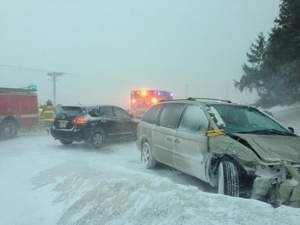
Des Moines, Iowa: Sudden snow causes two pileups involving more than 40 vehicles

Image
© Colleen Krantz/Special to the Register
As thousands of drivers and schoolchildren can tell you firsthand, Thursday's surprise snowfall created a near-standstill for Des Moines-area travel for hours.

At least 25 cars were involved in a pileup on Interstate Highway 80 near Waukee during the evening rush hour. Another 20-plus cars jammed U.S. Highway 169 between Adel and De Soto. Some people were without power for hours because roads laden with accidents kept crews from reaching the outage area.

And in Des Moines, at least one school bus was still taking students home after 9 p.m. because of poor road conditions.

"Those buses began their routes just as the worst of the storm was hitting the metro by surprise," district spokesman Phil Roeder said.

A bus that left Greenwood Elementary School at 4:30 p.m. was still en route to student houses at 9 p.m. Roeder said that he wasn't sure how long the route typically takes, but that students had always been home in time for dinner.

Another bus that left Windsor Elementary School at 4:30 p.m. didn't finish its route until 8:30.

Roeder said bus drivers remain in touch with dispatchers while on the road. Dispatchers then contact parents. Roeder said not every parent was contacted because of the unexpected conditions.

Comment: Apparently this snow storm came on quickly. The video below captures the first hour and 15 minutes: