
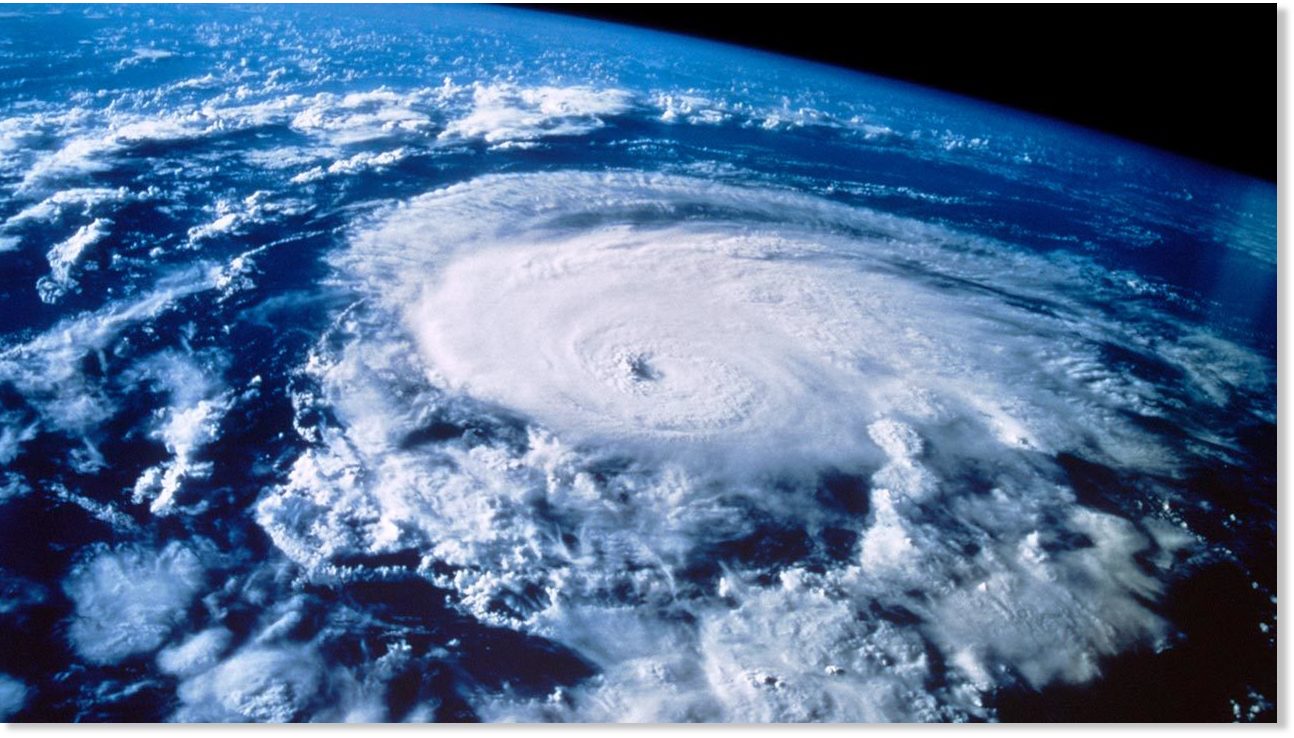
From the UNIVERSITY OF WISCONSIN-MADISON and the "yes but we need Category 6 now due to violently increased wind speeds" department comes this gloom and doom study.
MADISON, Wis. - Some hurricanes are moving more slowly, spending increased time over land and leading to catastrophic local rainfall and flooding, according to a new study published Wednesday (June 6) in the journal Nature.
While hurricanes batter coastal regions with destructive wind speeds, study author James Kossin says the speed at which hurricanes track along their paths - their translational speed - can also play a role in the damage and devastation they cause. Their movement influences how much rain falls in a given area.
This is especially true as global temperatures increase.
"Just a 10 percent slowdown in hurricane translational speed can double the increase in rainfall totals caused by 1 degree Celsius of global warming," says Kossin, a researcher at the National Oceanic and Atmospheric Administration's (NOAA) Center for Weather and Climate. He is based at the University of Wisconsin-Madison.








Comment: An interesting and alarming study, although we do not believe that the cause of these changes is 'global warming'. For an alternative, more likely explanation, see: