Earth ChangesS


Windsock

Thanksgiving 'bomb cyclone' set record for biggest wave (75 feet) and lowest pressure in California

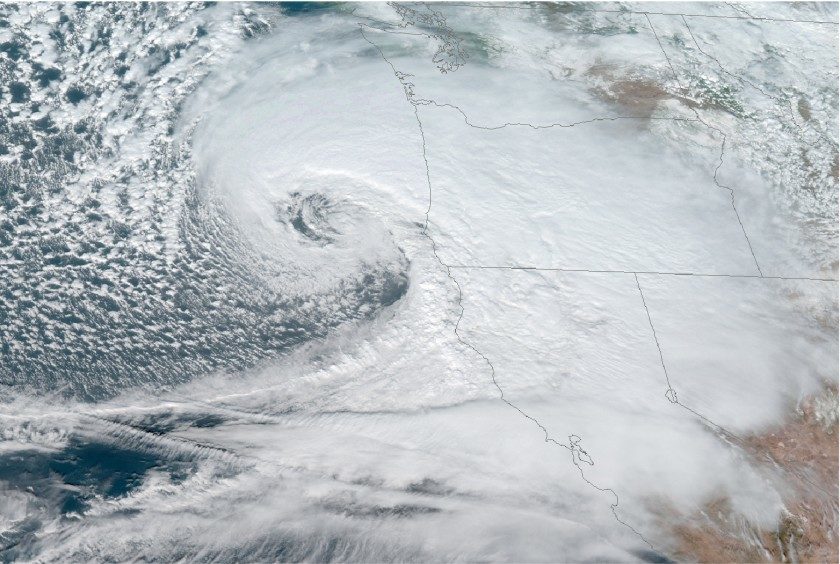
A satellite image shows the storm off the Oregon coast on Nov. 26.
© National Oceanic and Atmospheric AdministrationA satellite image shows the storm off the Oregon coast on Nov. 26.
The Thanksgiving-week "bomb cyclone" storm that drenched California not only set a record for the lowest pressure recorded in the state, but also generated a 75-foot wave off Cape Mendocino.

At 7:33 p.m. on Nov. 26, the No. 94 Cape Mendocino buoy operated by Scripps Institution of Oceanography Coastal Data Information Program recorded a maximum significant wave height of 43.1 feet, and that night also measured a wave of 75 feet. These waves were in water 1,132 feet deep and were at 13.3-second intervals.

Also at 7:33 p.m., the program's No. 168 Humboldt Bay North Spit buoy recorded significant wave heights of 37.6 feet, but in shallower water.

Significant wave height is the average of the biggest one-third of waves over a 30-minute period, according to James Behrens, a program manager at the Coastal Data Information Program. Typically, some waves at a given station are expected to be about twice as large as that average, hence the 75-footer.

The only significant wave height that the program has measured — higher than the one recorded at Cape Mendocino — was on a buoy at Ocean Station Papa, far out in the North Pacific, in December 2012. That was 49.8 feet.

Snowflake

Early winter storm pummels Northeast

midwest snowstorm
© Rick Friedman for The New York TimesThe bad weather that swept across the Midwest during the holiday weekend is now pelting the Northeast with rain and snow.
Parts of New England are in for more heavy snow on Tuesday.

The winter storm that blanketed much of the Northeast with snow on Monday, disrupting travel and closing schools, is expected to keep hammering parts of New England on Tuesday.

As the storm system moves slowly northeastward, some areas could get an additional foot of snow overnight and into the morning, forecasters said. Winter storm warnings and advisories were posted for most of Massachusetts, New Hampshire, Vermont and Maine.

"It's going to get cranking tonight and tomorrow morning," said Frank Nocera, a meteorologist with the National Weather Service in Norton, Mass. Metropolitan Boston, which already had four to eight inches of snow in some suburbs, could see those amounts double by Tuesday, he said, and further school closings and commuting problems were possible.

The storm delivered the first major snowfall of the season in the Northeast, but other than coming at a relatively early date, it did not pack many surprises for weather experts.

Cloud Precipitation

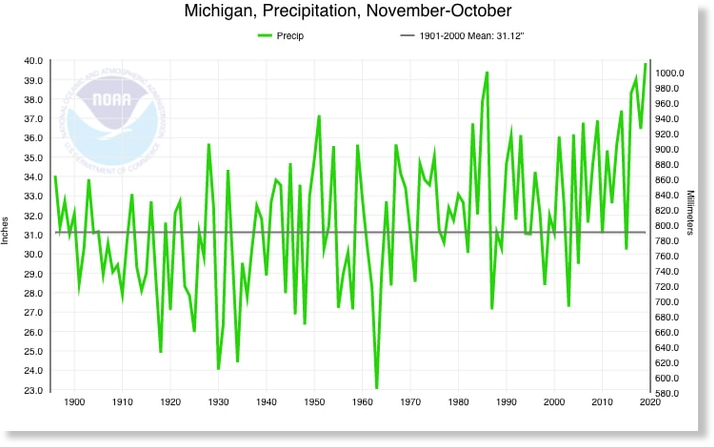
Michigan just had the wettest water year in 119 years of records

Water year (Nov.1-Oct. 31) statewide precipitation total for Michigan
© NOAAWater year (Nov.1-Oct. 31) statewide precipitation total for Michigan
It should be no surprise that Michigan has had abundant precipitation over the past year. The Great Lakes water levels are a good sign of the above-average precipitation. Now NOAA has given us the numbers on just how much precipitation has fallen across Michigan.

First, there are two different calendars to track precipitation amounts. A common timeframe used for water from precipitation is called a "water year," which runs from Nov. 1 of one year to Oct. 31 of the next year. A water year is often used because some of the snow that falls in November and December isn't melted and released into the soil until the next spring. The other calendar for precipitation is simply a Jan. 1 to Dec. 31 timeframe.

The water year from Nov.1, 2018 to Oct. 31, 2019 has been declared the wettest water year on record across Michigan. Records date back to 1901 for this type of data. The whole state of Michigan average 39.85″ of precipitation in the water year.

Fire

Australia bushfires merge to form 'mega fire' north of Sydney

australia wild fires 2019
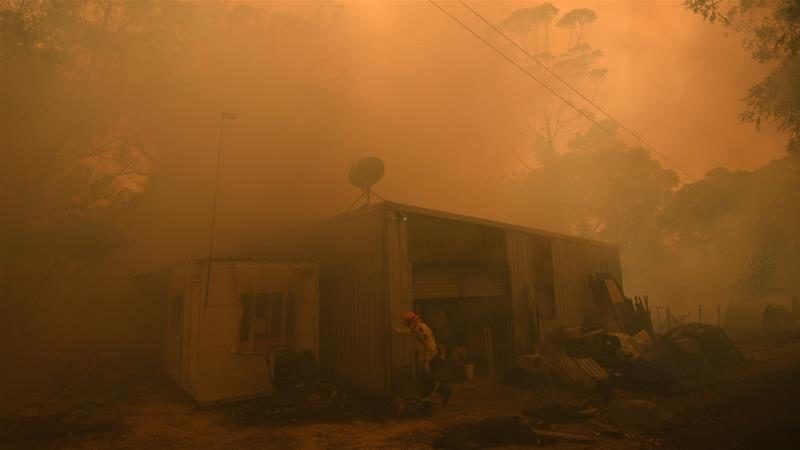
© ReutersThe blaze was burning across 300,000 hectares within an hour's drive of Australia's largest city
Several Australian bushfires have combined to form a "mega fire" that is burning out of control across a swath of land north of Sydney, authorities said, warning they cannot contain the blaze.

New South Wales Rural Fire Service Deputy Commissioner Rob Rogers on Friday said "there are probably more than eight fires in all" that have merged to form what has been dubbed a "mega fire" in an area of the national park forest.

The blaze was burning across 300,000 hectares (740,000 acres) - with a front roughly 60km (37 miles) wide - within an hour's drive of Australia's largest city, which was again subsumed in a soup of toxic smoke.

"There is just fire that whole way," said Rogers, who added that firefighters could do little more than get any residents out, protect property and hope for an end to fire-friendly dry and windy conditions.

Snowflake

That was the snowiest November Calgary has seen in over 50 years

Snowy Calgary
© jackiekalch/InstagramSnowy Calgary
Calgary just broke a weather record dating back more than half a century.

This past month marked the fifth snowiest November that YYC had seen since the record began, and the snowiest November that the city had experienced since 1966!

According to YYC Weather Records, the Twitter account keeping track of these sorts of things, Calgary saw a grand total of 47.4 cm of snowfall between November 1 and November 30, 2019.

Cloud Precipitation

280 killed, 2.8 million affected by East Africa floods, UN says

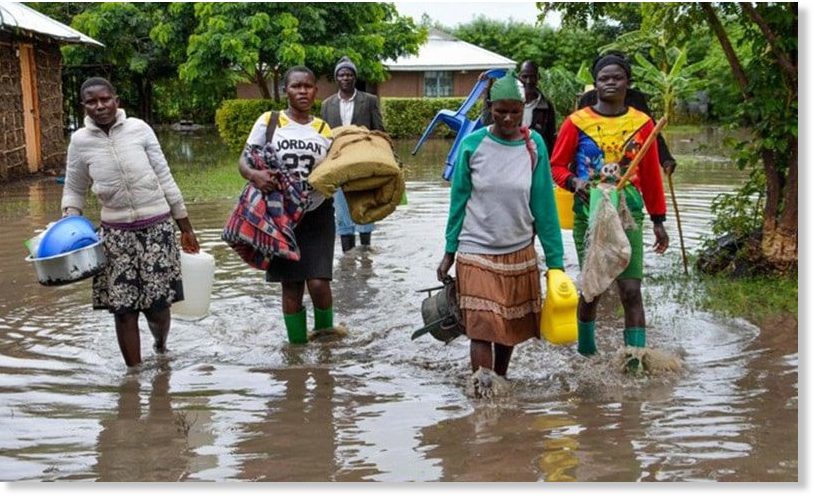
Displaced families flee to higher ground in K'akola village in Nyando sub-county in Kisumu, Kenya, after their houses were flooded on December 3, 2019
© AFPDisplaced families flee to higher ground in K'akola village in Nyando sub-county in Kisumu, Kenya, after their houses were flooded on December 3, 2019
At least 280 people have been killed and more than 2.8 million others affected by unusually heavy rainfall and flooding in eastern Africa, the UN humanitarian agency said on Thursday.

The UN Office for Coordination of Humanitarian Affairs (OCHA) said homes, infrastructure and livelihoods have been destroyed and damaged in the hardest-hit areas, and the risk of communicable diseases including cholera is rising.

"Primarily driven by the Indian Ocean Dipole (IOD), the heavy rains are likely to persist into December and to intensify in Kenya, Tanzania and Uganda," OCHA said in its latest regional Flash Floods Update. The UN agency said the annual short rains which ordinarily last from October to December have been exceptionally heavy in Kenya and affected more than 160 000 people in 31 of the country's 47 counties.

"At least 132 people have reportedly died, including 72 who were killed by a landslide which buried their homes in West Pokot County," said OCHA. The storms have caused destruction and damage of key infrastructure in Kenya, including houses, health facilities and schools, displacing an unconfirmed number of people and disrupting basic services.

Seismograph

Shallow 6.4-magnitude quake hits 158km WNW of Hihifo, Tonga

Graph
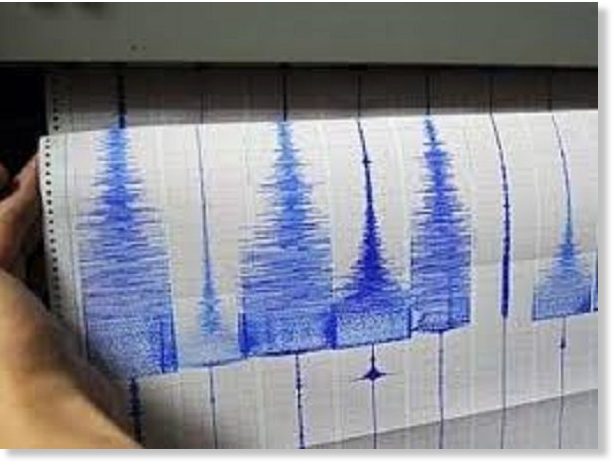
An earthquake with a magnitude of 6.4 jolted 158 km WNW of Hihifo, Tonga at 13:04:47 GMT on Friday, the U.S. Geological Survey said.

The epicenter, with a depth of 10.0 km, was initially determined to be at 15.217 degrees south latitude and 175.021 degrees west longitude.

Snowflake

World Snow Wrap, December 6 - Huge snow totals again in California, more snow in Europe and Japan

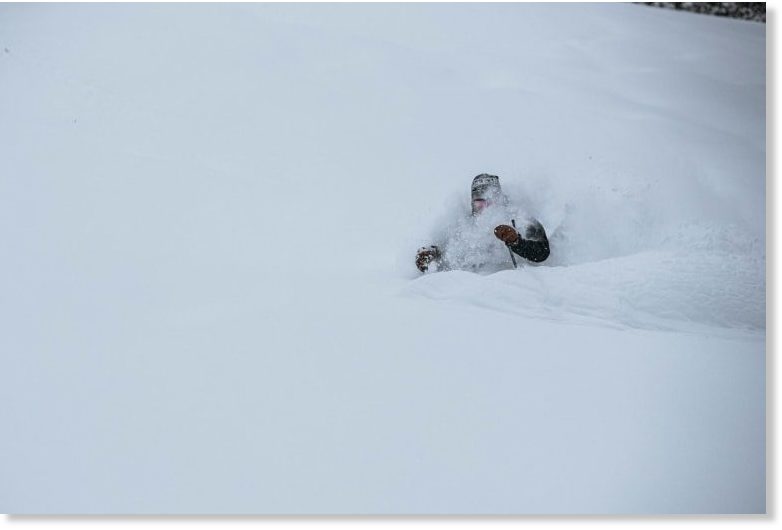
Chris Benchetler, getting deep in Mammoth last week, November 30, when the first storm to hit the Sierras dropped 90cms of snow. Mammoth has had another metre since and yet another 70-90-cms is forecast early next week.
© MammothChris Benchetler, getting deep in Mammoth last week, November 30, when the first storm to hit the Sierras dropped 90cms of snow. Mammoth has had another metre since and yet another 70-90-cms is forecast early next week.
While summer snowfalls in Australia generated a bit of novelty value early this week, the real action is in the Northern Hemisphere, as it should be at this time of year with significant snowfalls in the US, Europe and Japan. The totals coming out of California are huge with seven-day totals of 2.4 metres and there is more on the way with another three-day storm set to drop 70-80cms by early next week. If you're on the fence about escaping the heat, smoke, bushfires and blue bottles of an Australian summer read on, you may just be convinced to book that airfare for somewhere cold and snowy.

USA

The Sierras are renowned for big storm totals and the past week is a very good example, from zero snow a week ago to seven-day totals of one to 2.4metres on the upper mountains, Kirkwood in California with the top reading. Not surprisingly, avalanche danger is high and mountain ops teams have been working hard to manage the snow and get more lifts and terrain open at all the Tahoe resorts for the weekend. There is a break in the storm action now, but not for long with another strong storm set to deliver 30-95cms for California from Friday night through to Sunday. Mammoth is looking good for 45cms at the base and double that up high, which will lead to more terrain opening over the next week.


Attention

At least 20 snowy owls spotted this fall in Wisconsin

A snowy owl flies over Algoma.
© Brian ReinkeA snowy owl flies over Algoma.
The beautiful and majestic snowy owl has made its return to Wisconsin.

"At least 20" snowy owls have been documented in Wisconsin as of November 25, the state Department of Natural Resources says.

The owls have been spotted in 12 counties so far, ranging as far north as Bayfield and Door County, and as far south as Milwaukee County. Most of the owls photographed so far are adults, which the DNR says suggests a low number of births on arctic breeding grounds during the summer.


Wolf

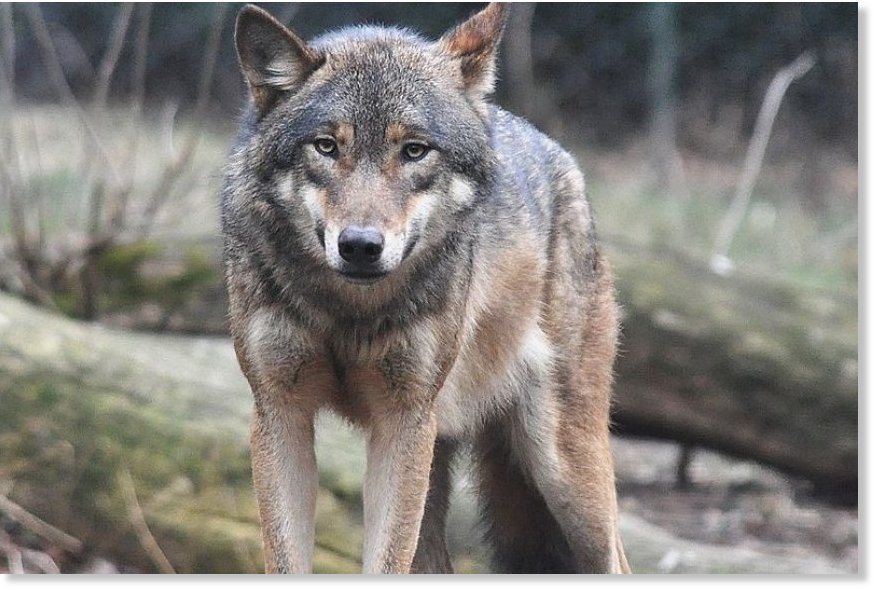
Wolves kill close to 20 dogs in recent months in Estonia

Wolf
© wikipedia
Wolves in Estonia have killed close to 20 dogs over the autumn and early winter, according to a report on ERR current affairs show Aktuaalne kaamera. Experts blame malnourishment, though are at a loss to explain it, saying there are no food shortages in the sparsely-populated forest areas that wolves usually inhabit.

Security video footage taken in a Raplamaa back-yard this autumn showed three wolves entering the premises and frolicking about with two resident dogs. The footage circulated on social media; however not all such lupine-canine interaction ends as happily. On man living near Vaida, south of Tallinn, lost his six-and-a-half-year-old West Siberian dog while hunting. The dog had picked up a reindeer trace, but later encountered wolves. Half and hour later, it was found dead, the owner told Aktuaalne kaamera.

August Kuuse who breeds West Siberians at Vaida said that many hunters no longer use dogs to hunt smaller wildlife in particular, such as raccoon dogs (kährik) and pine martens, which also should mean an abundance of such stock in the wild as a food source for wolves.

Väino Lill, chair of the Tihemetsa hunting society in Pärnu County, said three wolves attacked a dachshund in plain sight of the dog's owner.