
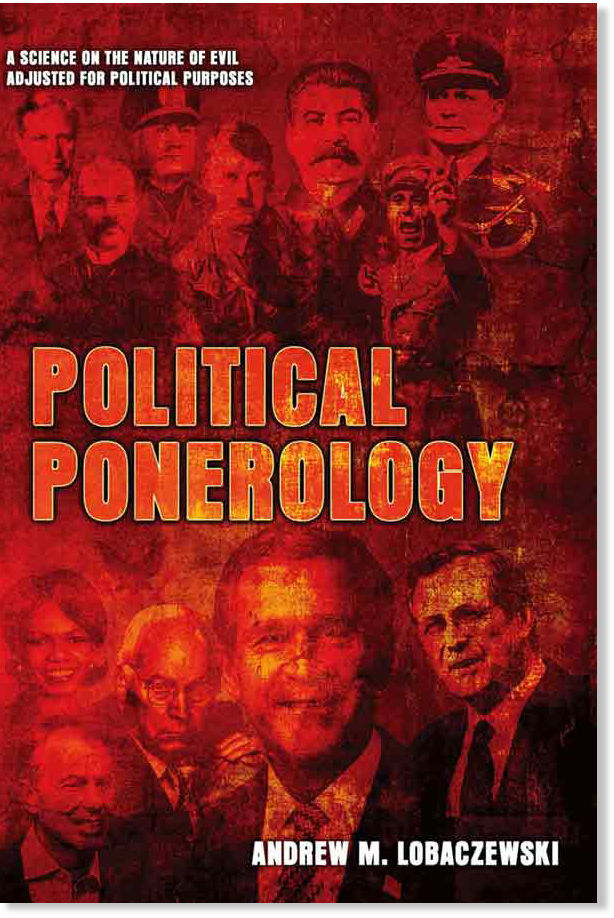
Comment: Now more than ever people need to understand the devastation and suffering wrought on our world by the few at the expense of the many. Presented for the first time on Sott.net, what follows is Laura Knight-Jadczyk's comprehensive review of Political Ponerology: A Science on The Nature of Evil adjusted for Political Purposes, the product of monumental efforts from intrepid researchers of a generation past to bring humanity into awareness about the psychopaths that rule our world.
Pathocracy is a disease of great social movements followed by entire societies, nations, and empires. In the course of human history, it has affected social, political, and religious movements as well as the accompanying ideologies and turned them into caricatures of themselves. This occurred as a result of the participation of pathological agents in a pathodynamically similar process. That explains why all the pathocracies of the world are, and have been, so similar in their essential properties.
Identifying these phenomena through history and properly qualifying them according to their true nature and contents - not according to the ideology in question, which succumbed to the process of caricaturization - is a job for historians.
The actions of [pathocracy] affect an entire society, starting with the leaders and infiltrating every town, business, and institution. The pathological social structure gradually covers the entire country creating a "new class" within that nation. This privileged class [of pathocrats] feels permanently threatened by the "others", i.e. by the majority of normal people. Neither do the pathocrats entertain any illusions about their personal fate should there be a return to the system of normal man.
- Andrew M. Lobaczewski, Political Ponerology: A science on the nature of evil adjusted for political purposes













Comment: Andrew M. Lobczewski's book is available from QFG Publishing. Get your copy today and protect yourselves and your loved ones from the evil that is eating this world inside out.