Thanks to a unique system that decodes brain activity during sleep, a UNIGE team is deciphering the neuronal mechanisms of memory consolidation.
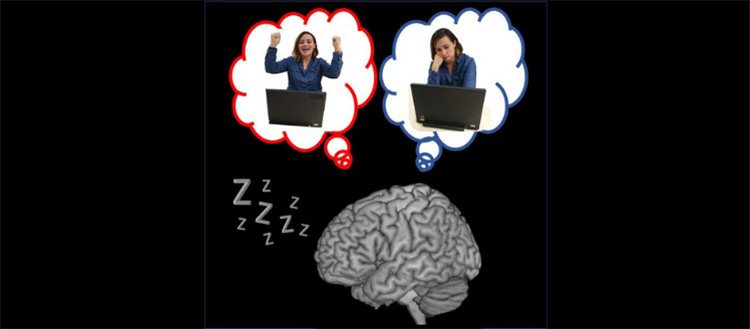
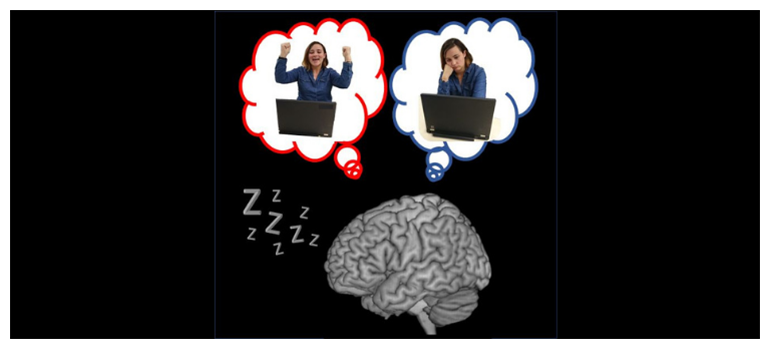
© UNIGE, Virginie SterpenichDuring deep sleep, the brain replay important events of the previous day. It reactivates spontaneously the memories associated to reward.
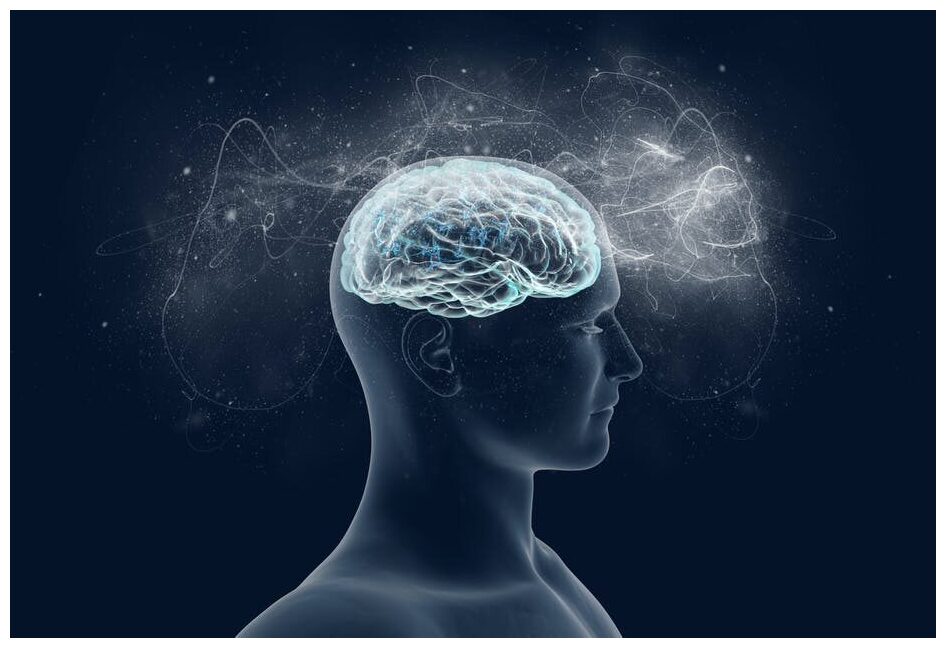
We sleep on average one third of our time. But what does the brain do during these long hours? Using an artificial intelligence approach capable of decoding brain activity during sleep, scientists at the University of Geneva (UNIGE), Switzerland, were able to glimpse what we think about when we are asleep. By combining functional magnetic resonance imaging (fMRI) and electroencephalography (EEG), the Geneva team provides unprecedented evidence that the
work of sorting out the thousands of pieces of information processed during the day takes place during deep sleep. Indeed, at this time, the brain, which no longer receives external stimuli, can evaluate all of these memories in order to retain only the most useful ones. To do so, it establishes an internal dialogue between its different regions. Moreover, associating a reward with a specific information encourages the brain to memorise it in the long term. These results, to be discovered in the journal
Nature Communications, open for the first time a window on the human mind in sleep.
In the absence of tools capable of translating brain activity, the content of our sleeping thoughts remains inaccessible. We however do know that sleep plays a major role in memory consolidation and emotional management: when we sleep, our brain reactivates the memory trace built during the day and helps us to regulate our emotions. "To find out which brain regions are activated during sleep, and to decipher how these regions allow us to consolidate our memory, we developed a decoder capable of deciphering the activity of the brain in deep sleep and what it corresponds to", explains Virginie Sterpenich, a researcher in the laboratory of Professor Sophie Schwartz in the Department of Basic Neurosciences at UNIGE Faculty of Medicine, and the principal investigator of this study. "In particular, we wanted to see to what extent positive emotions play a role in this process."
During deep sleep, the hippocampus - a structure of the temporal lobe which stores temporary traces of recent events - sends back to the cerebral cortex the information it has stored during the day. A dialogue is established which allows the consolidation of memory by replaying the events of the day and therefore reinforce the link between neurons.








Comment: Whilst the author fails to recognize the role of Western regime change operations, as well as the near total corruption of the Western model, it is true that the initial dehumanization of a people is reflected in language and one must be on guard to not fall into the same polarizing rhetoric lest they unwittingly become caught up in the next, potentially more terrible, stages:
- Political Ponerology: A Science on The Nature of Evil adjusted for Political Purposes
- Psychopathy and the Origins of Totalitarianism
- Manufacturing "McCarthyism": M. Stanton Evans and the truth about Joe McCarthy
Also check out SOTT radio's: