In the U.S.,
there are more prisoners than farmers. In fact, according to Solutions journal the U.S. housed about one-fourth of the prison population worldwide, which amounts to nearly 2.3 million people.
1Most (80 percent) of the prisoners are incarcerated for non-violent crimes such as drug charges, and the U.S. spends more than $80 billion a year on the criminal justice system alone. The implications of spending so much on prisons, not only financially but socially, are concerning, to say the least.
And, perhaps not ironically, where small family farms once stood is now an influx of new prisons dotting the rural countryside. Prisons are often built in economically depressed areas and are touted as a tool for promoting economic growth.
But this growth hinges on the continuation of crime. Efforts to stop crime would, in effect, shut down the prisons that many rural areas depend on.
2 Meanwhile,
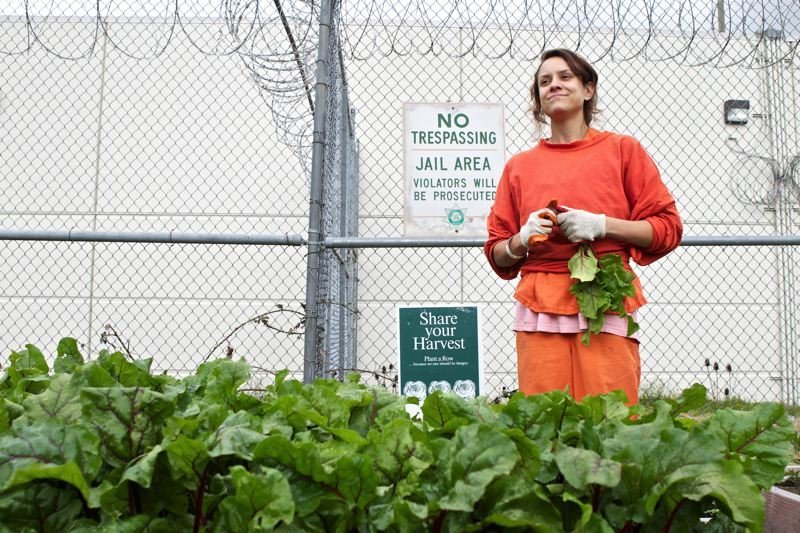
for all the billions being spent on incarceration and criminal justice, most inmates are not rehabilitated upon their release.Many prisons still focus on punishment rather than rehabilitation, which means many prisoners may be angrier and harder upon their release, any may be unwilling or lack the skills necessary to function in society. According to Solutions:
3
"In states such as New York, Florida, and California, more is spent on keeping people in prison than is spent on higher education.
In California, for example, it costs almost $45,000 to keep an inmate in prison for a year, while only $15,000 to send that same person to the state university system. For all the money allocated to locking people up, very little targets rehabilitation."












Comment: Further reading on the Harrouff story: