Pointless, costly, ineffective
er
Some Day, We'll Look Back at This, and Laugh. And there's no time like the present.
It was nice of Al Gore to invent the Internet, because it offers unparalleled comedic opportunities to recapture moments in time when puffed-up and self-important toads made confident predictions which later made them look like the arrogant blowhards they are.
And if you write "I am an arrogant blowhard" on your résumé, you will have just doubled your chances of being hired as whatever they are calling a journalist these days, at
The Guardian.
Exemplary of
The Guardian's forecasting where Russia is concerned - and
The Guardian never met a Russian it didn't hate, unless they were an oligarch expat, a political dissident or a member of Pussy Riot - is this gem by
The Guardian's "Economics Editor", Larry Elliott;
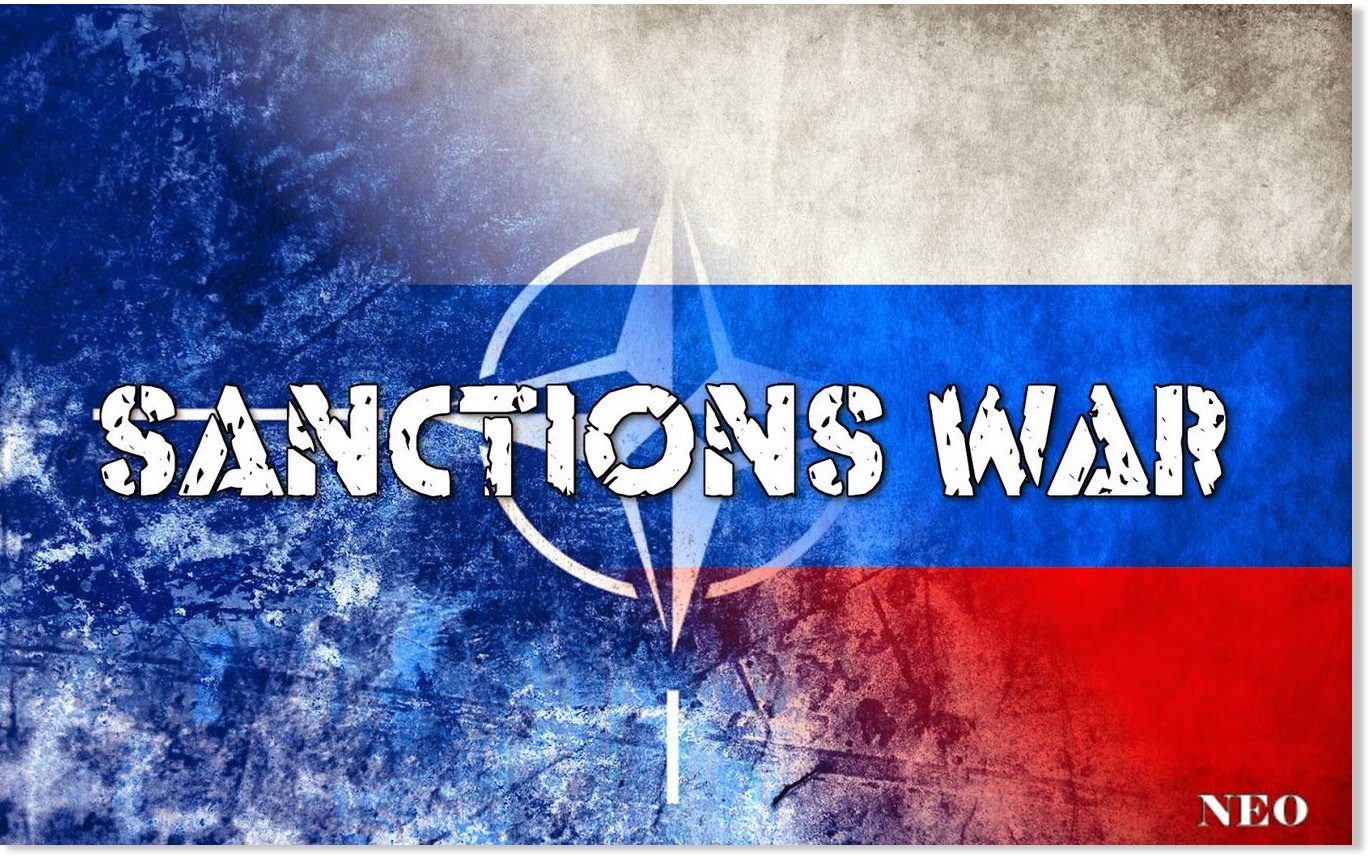
"Russia Has Just Lost the Economic War With the West".
For those who don't remember when the west's economic war against Russia started, it actually kicked off with a skirmish, in which the USA
stopped service in Russia to holders of Visa and Mastercard at certain sanctioned banks in Russia, back in the spring of 2014.
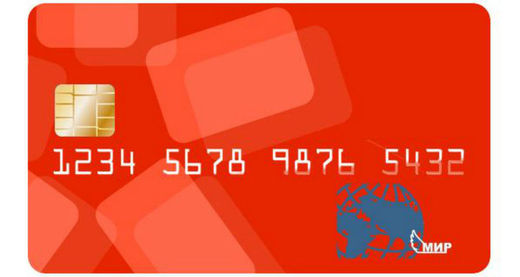
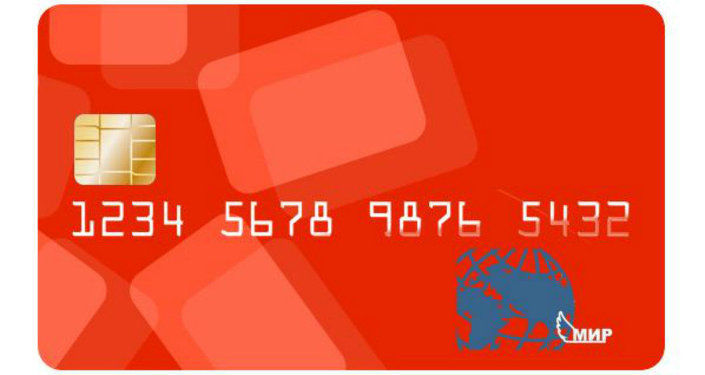
© narodnayakartaThe winning 'Mir' banking card design, featuring Mir attached to a wing and a stylized image of a globe.
Customers found that their cards did not work and their accounts were frozen. Russian media promptly pointed out that American credit-card companies "had a record of bowing to political decisions from Washington"; the government imposed a security deposit fee equal to two days worth of transactions in Russia, which would cost the companies $1.9 Billion (Visa) and $1 Billion (Mastercard), and Morgan-Stanley
issued a report which suggested the two credit-card giants would be better off terminating their operations in Russia, where they together had 90% of market share.
For his part, the Russian president announced that Russia would
develop its own national payment system and greatly reduce its dependence on western credit-card companies.
It's hard for me to see that as a western victory. Visa and Mastercard
squealed like pigs, Russia introduced a prototype
domestic card (Mir) which Mastercard signed on to co-brand, and Mastercard and Visa both humbly
signed on to Russia's national payment system, which moves processing to Russia.









Comment: Law enforcement will always be adapting itself and its technology to find ways to covertly monitor the population. Since the release of the Snowden files, the public sentiment has turned negative towards overt surveillance, so police are now going more covert and doing all they can to avoid needing court orders to monitor the population.