"You gotta remember, establishment, it's just a name for evil. The monster doesn't care whether it kills all the students or whether there's a revolution. It's not thinking logically, it's out of control." — John Lennon (1969)
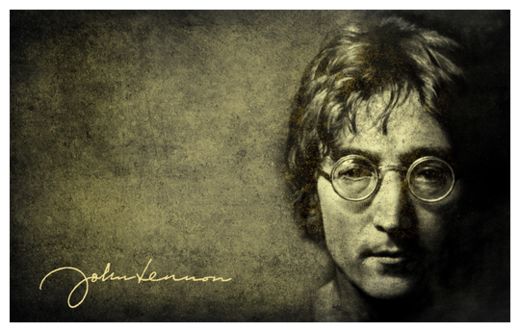
© Daily Revolution
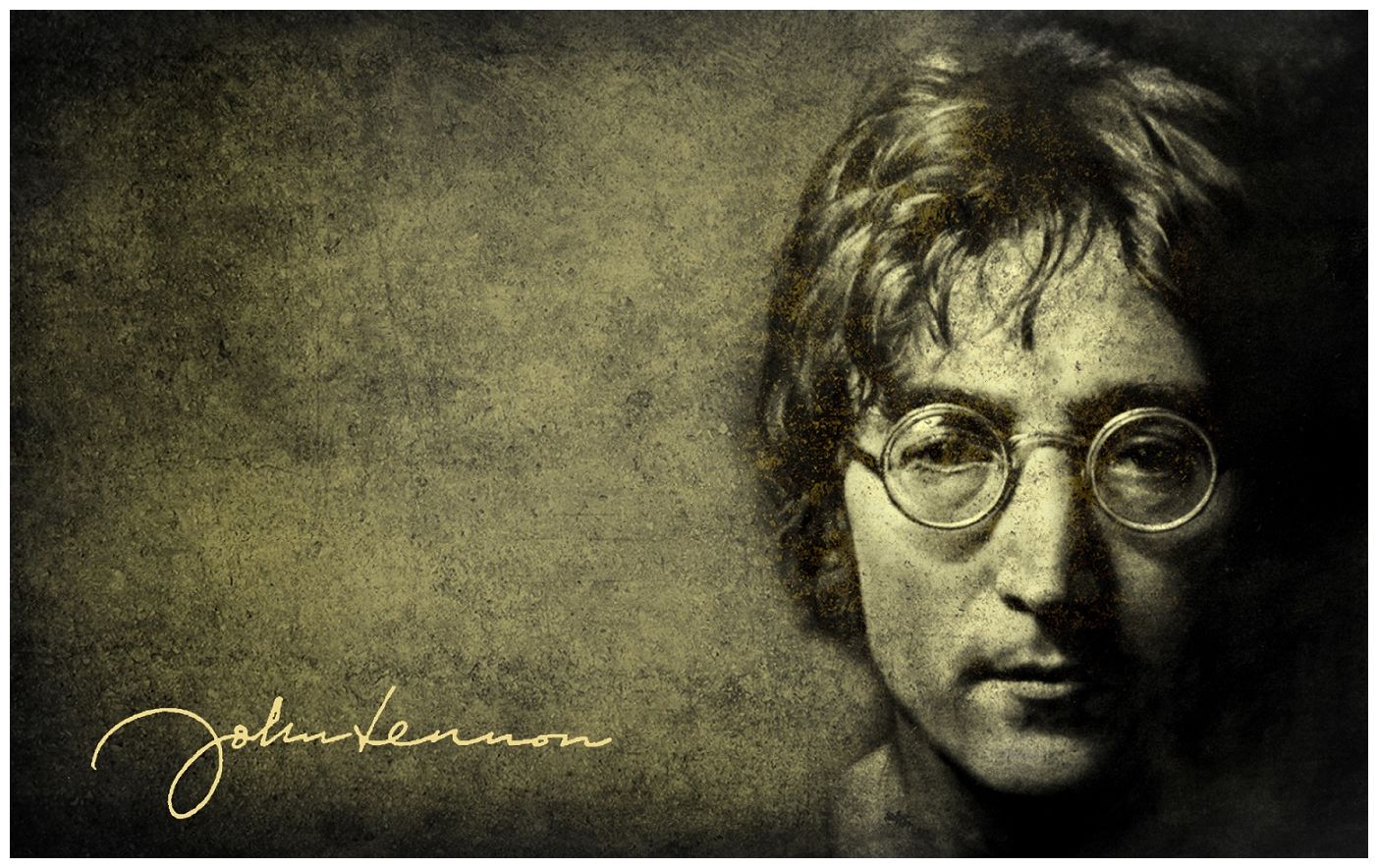
John Lennon, born 75 years ago on October 9, 1940, was a musical genius and pop cultural icon.
He was also a vocal peace protester and anti-war activist and a
high-profile example of the lengths to which the U.S. government will go to persecute those who dare to challenge its authority.Long before Chelsea Manning and Edward Snowden were being castigated for blowing the whistle on the
government's war crimes and the National Security Agency's
abuse of its surveillance powers, it was Lennon who was being singled out for daring to speak truth to power about the government's warmongering, his phone calls monitored and data files collected on his activities and associations.
For a little while, at least, Lennon became enemy number one in the eyes of the U.S. government.
Years after Lennon's
assassination it would be revealed that the FBI had collected
281 pages of files on him, including song lyrics, a letter from J. Edgar Hoover directing the agency to spy on the musician, and various written orders calling on government agents to set the stage to set Lennon up for a drug bust. As reporter Jonathan Curiel observes, "The FBI's files on Lennon ... read like the
writings of a paranoid goody-two-shoes."
As the
New York Times notes, "Critics of today's domestic surveillance object largely on privacy grounds. They have focused far less on how easily government surveillance can become an instrument for the people in power to try to hold on to power.
'The U.S. vs. John Lennon' ... is the story not only of one man being harassed, but of a democracy being undermined."Indeed, as I point out in my book
Battlefield America: The War on the American People, all of the many complaints we have about government today—surveillance, militarism, corruption, harassment, SWAT team raids, political persecution, spying, overcriminalization, etc.—were present in Lennon's day and formed the basis of his call for social justice, peace and a populist revolution.
For all of these reasons, the U.S. government was obsessed with Lennon, who had learned early on that rock music could serve a political end by proclaiming a radical message.
More importantly, Lennon saw that his music could mobilize the public and help to bring about change. Lennon believed in the power of the people. Unfortunately, as Lennon recognized: "The trouble with government as it is, is that it doesn't represent the people. It controls them."However, as Martin Lewis writing for
Time notes: "John Lennon was not God. But he earned the love and admiration of his generation by creating a huge body of work that inspired and led. The appreciation for him deepened because he then instinctively decided to use his celebrity as a bully pulpit for causes greater than his own enrichment or self-aggrandizement."
















Comment: Is Israel trying to incite enough unrest to "justify" the launch of a new offensive against the Palestinians, trying to distract the world from Russia's involvement in Syria, or both?
See also: Israeli jets launch new airstrikes in Gaza Strip; 18-year old Palestinian shot to death by troops