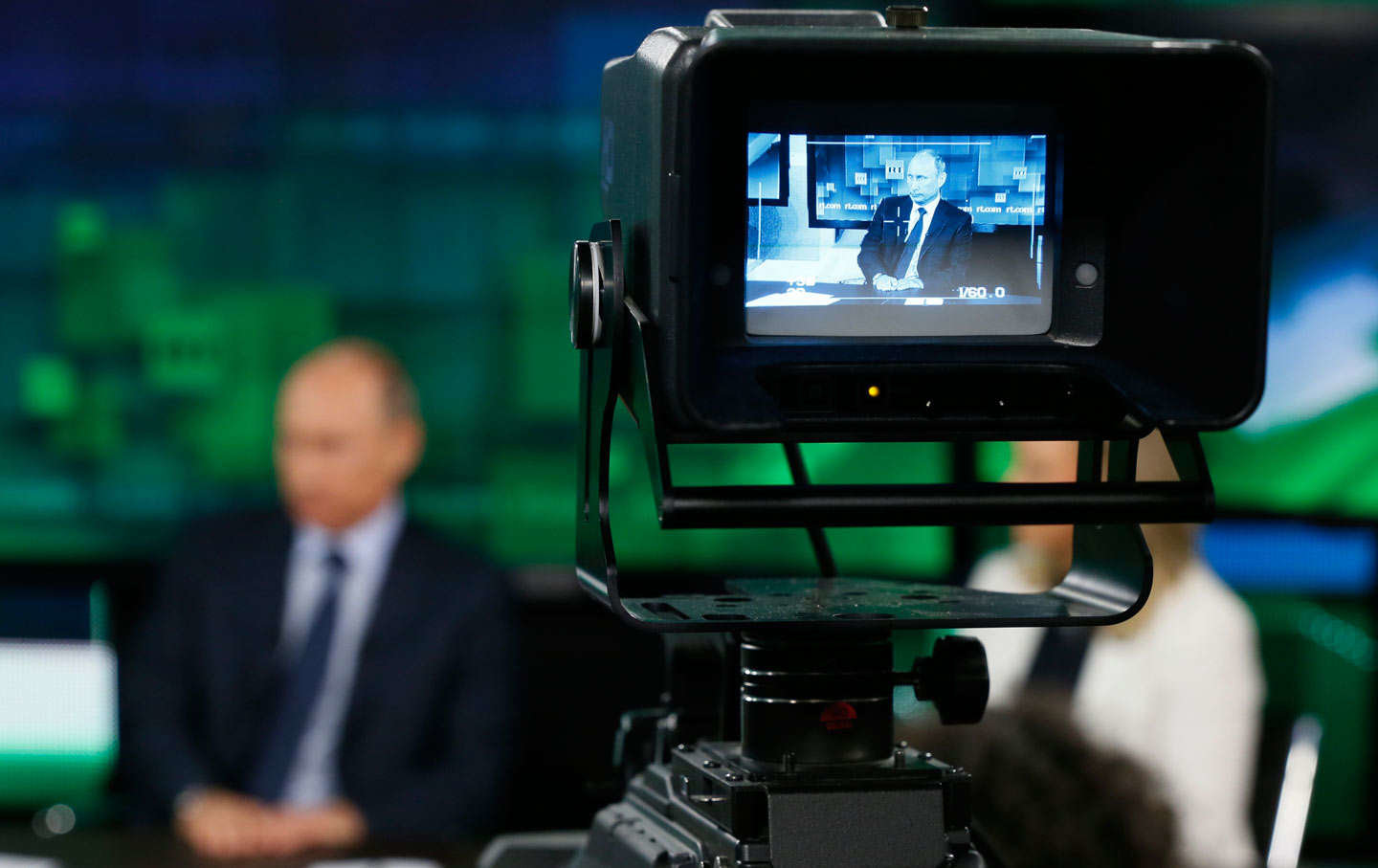
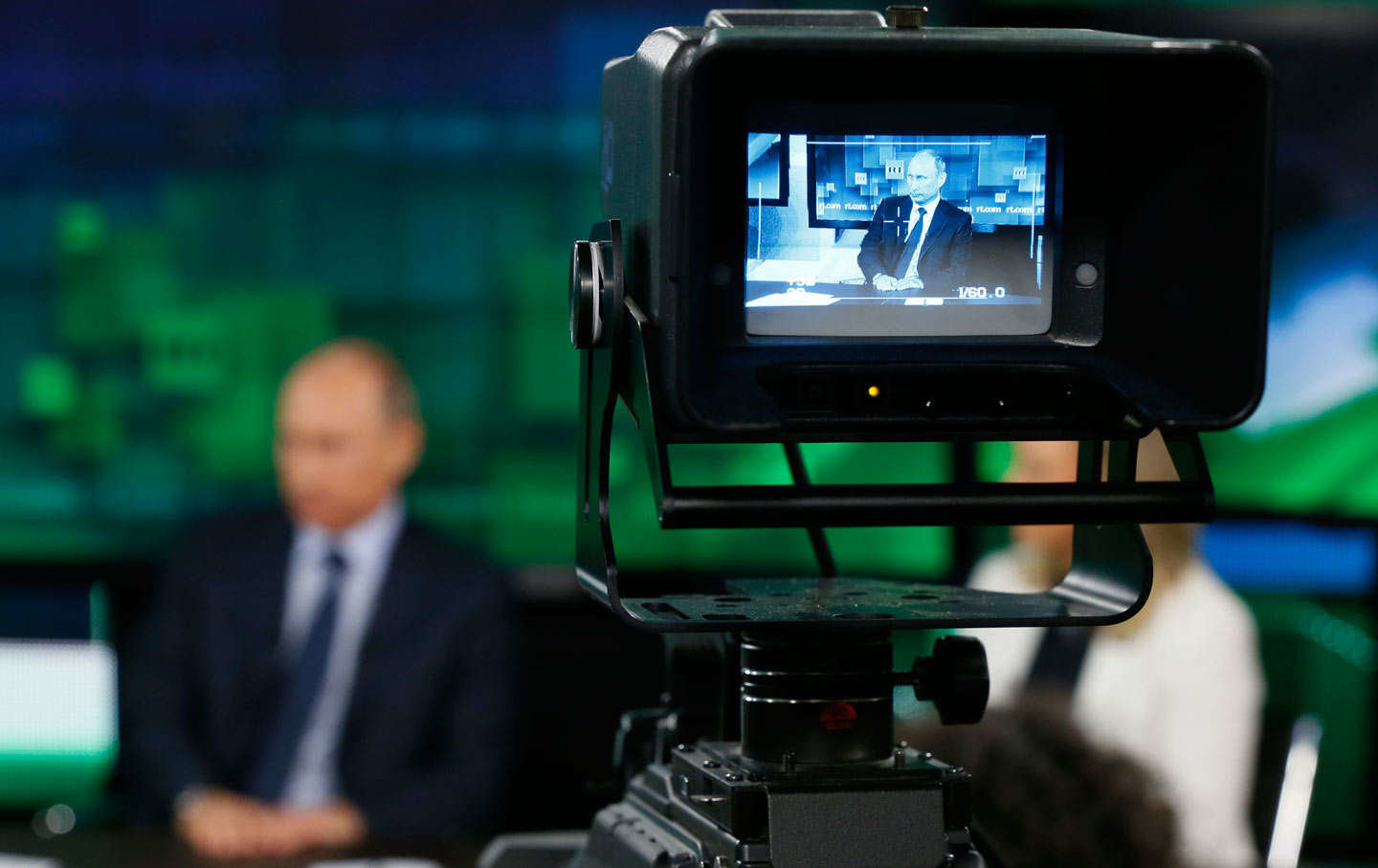
© Yuri Kochetkov / Pool Photo via AP Russian President Vladimir Putin is shown on a camera viewfinder at the headquarters of the Russia Today television network, Moscow, Russia, June 11, 2013.
Donald Trump's taboo friendly posture to Russia has pundits in a frenzy. Every day we
have takes in major media outlets insisting Trump is a de facto Kremlin agent, a pro-Clinton Super PAC has launched a
Web site to "raise awareness" of "the dangerous Putin-Trump connection" that even comes complete with a hammer and sickle (despite the fact that both Putin and Trump are ardent capitalists), and MSNBC's Joy Ann Reid had on a guest who
suggested Putin would invade Ukraine to steer the election Trump's way. One subgenre of this frenzy is a renewed focus on Russian-funded English language cable network Russia Today, which critics have accused of going to bat for Trump and working to undermine Clinton.
The latest example of this sub-take is Jim Rutenberg, media columnist for
The New York Times. In "
Larry King, the Russian Media and a Partisan Landscape," Rutenberg muses on the rise of relativism and the loss of objective truth in media. This is a typical frame when discussing the uniquely sinister nature of RT, and it's one worth dissecting in detail.
Rutenberg begins by citing RT's lockstep support for the Russian invasion of Crimea as evidence it's not a real news source. However, it's worth noting, The New York Times's editorial board has supported every single US war—Persian Gulf, Bosnia, Kosovo, Iraq, Libya—for the past 30 years. While its reporting and op-eds on these wars has often been critical, much of it's coverage has also helped to sell war-weary liberals on the current military mission—the most notable example being Judith Miller and Michael Gordon's hyping Iraq's nonexistent nuclear program in the buildup to the March 2003 invasion. Indeed, the image of
The New York Times as an objective, unbiased news outlet is precisely how it was able to sell the war in the first place. The difference is one of efficacy, not affect.
Comment: Why does the American media cry and wail about the fictitious 'Russian threat' in every way imaginable, including spending so much time bashing RT? Well, if one of the effects of this anti-RT campaign is that energy gets diverted away from being used to critically examine the US government's foreign and domestic policies, then that could be one of the reasons. Another reason:
"We do not need the celestial threat to disguise Cold War intentions; rather we need the Cold War to disguise celestial intentions!"
~ British astronomer Victor Clube, author of The Cosmic Serpent and The Cosmic Winter, in a report commissioned by the U.S. Air Force




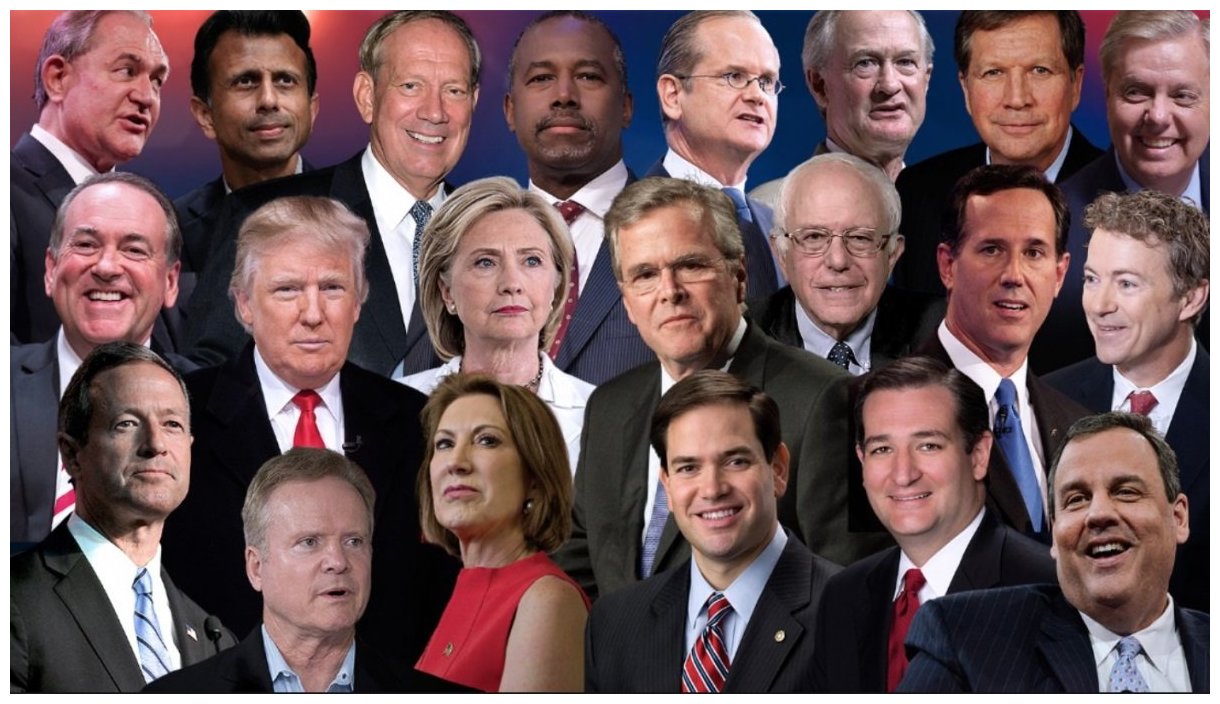

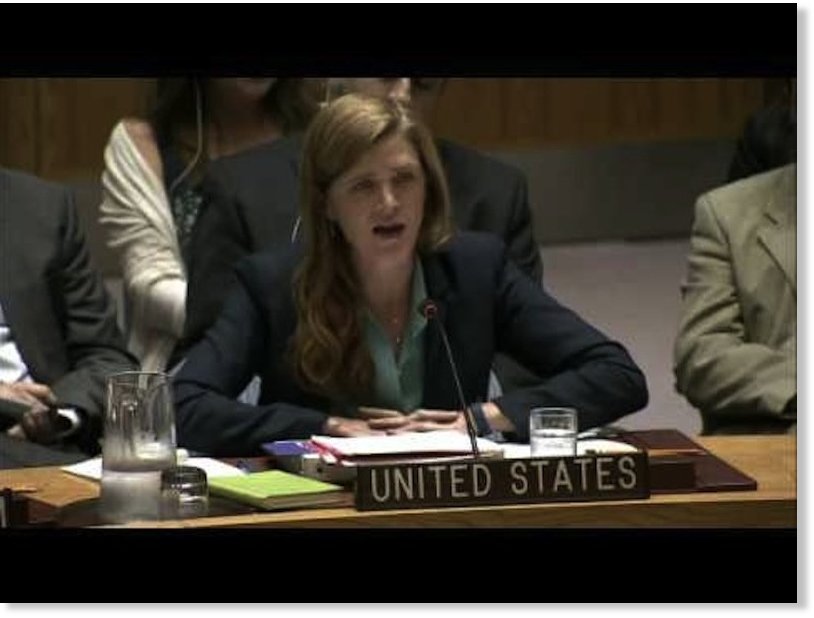


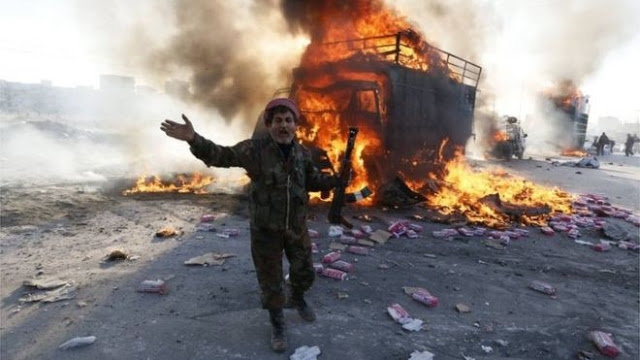








Comment: Why does the American media cry and wail about the fictitious 'Russian threat' in every way imaginable, including spending so much time bashing RT? Well, if one of the effects of this anti-RT campaign is that energy gets diverted away from being used to critically examine the US government's foreign and domestic policies, then that could be one of the reasons. Another reason: