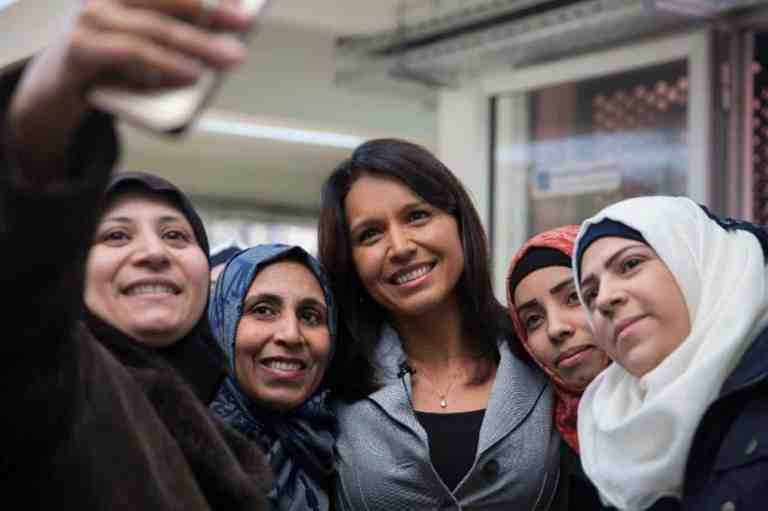
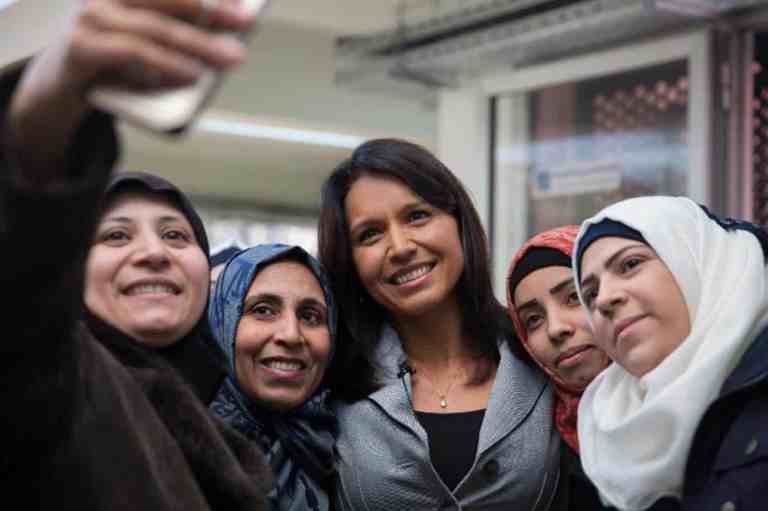
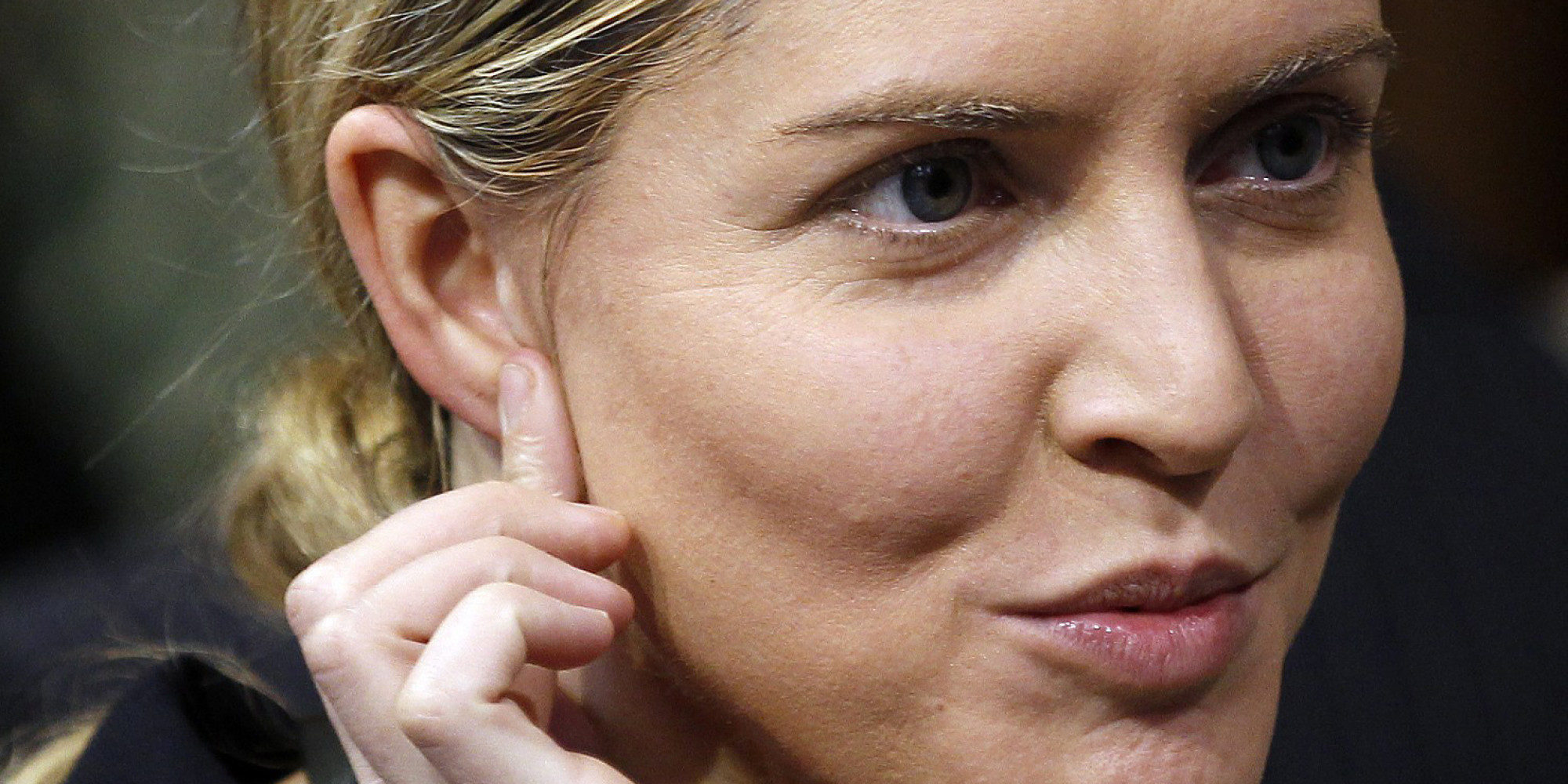
Tulsi Gabbard in Syria.
The announcement by the White House that the fate of Syrian President Bashar al-Assad is decided by the Syrian people was not surprising. It has introductions date back to the beginning of last fall, on the eve of (and after) the election of Donald Trump as President of the United States, replacing President Barack Obama, who had reached the point of preparing for a military strike against the Syrian government in the summer of 2013.
Two years ago and earlier, voices in the West rose in protest against policies in Syria. It's not just what's going on in Europe. Contrary to the prevailing impression that the American majority is not interested in what is happening in the Levant, and that the political, military and security departments are preventing any discussion; information and deliberations show that the debate is raging day after day, but there are those who are closing the doors and eyes.
What the presidential election revealed about the professional crisis experienced by the American media in all its diversity,
also reflected the deep moral crisis that afflicts this media, which is dominated by powerful forces in the administration and the economy. Even its cultural elites, appear more superior than those in the decision-makers. It is a supremacy that has become generalised in many countries of the world.
The results of the US presidential election showed the media's inability to hold on to the public's trends all the time.

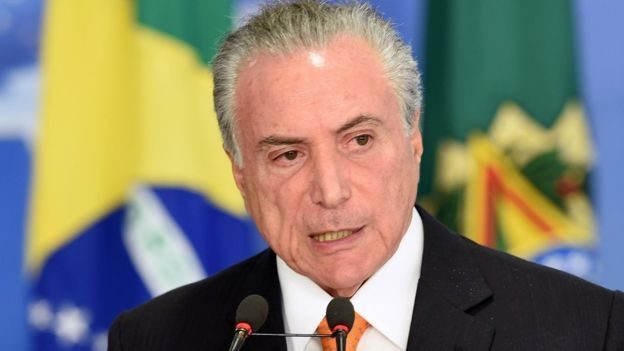

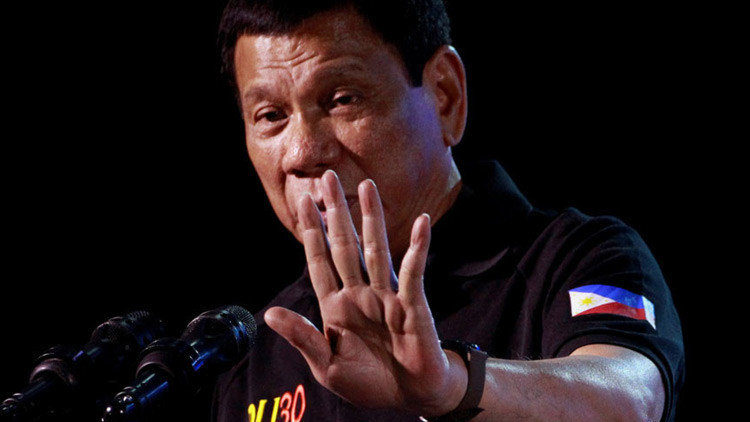









Comment: After Temer was installed after a "constitutional" coup with a mere 2% of public support (perhaps the worst rating of any political official ever), he provided a small boost to the Brazilian economy by selling off Brazil's resources to foreign investors. After this superficial boost wears off, Brazil will be stuck in an even worse position than it's been in.