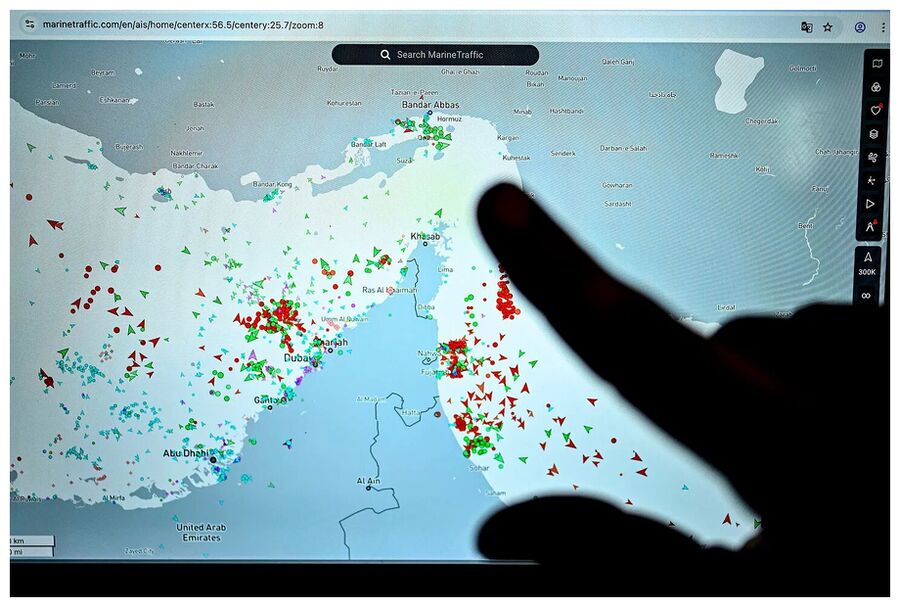
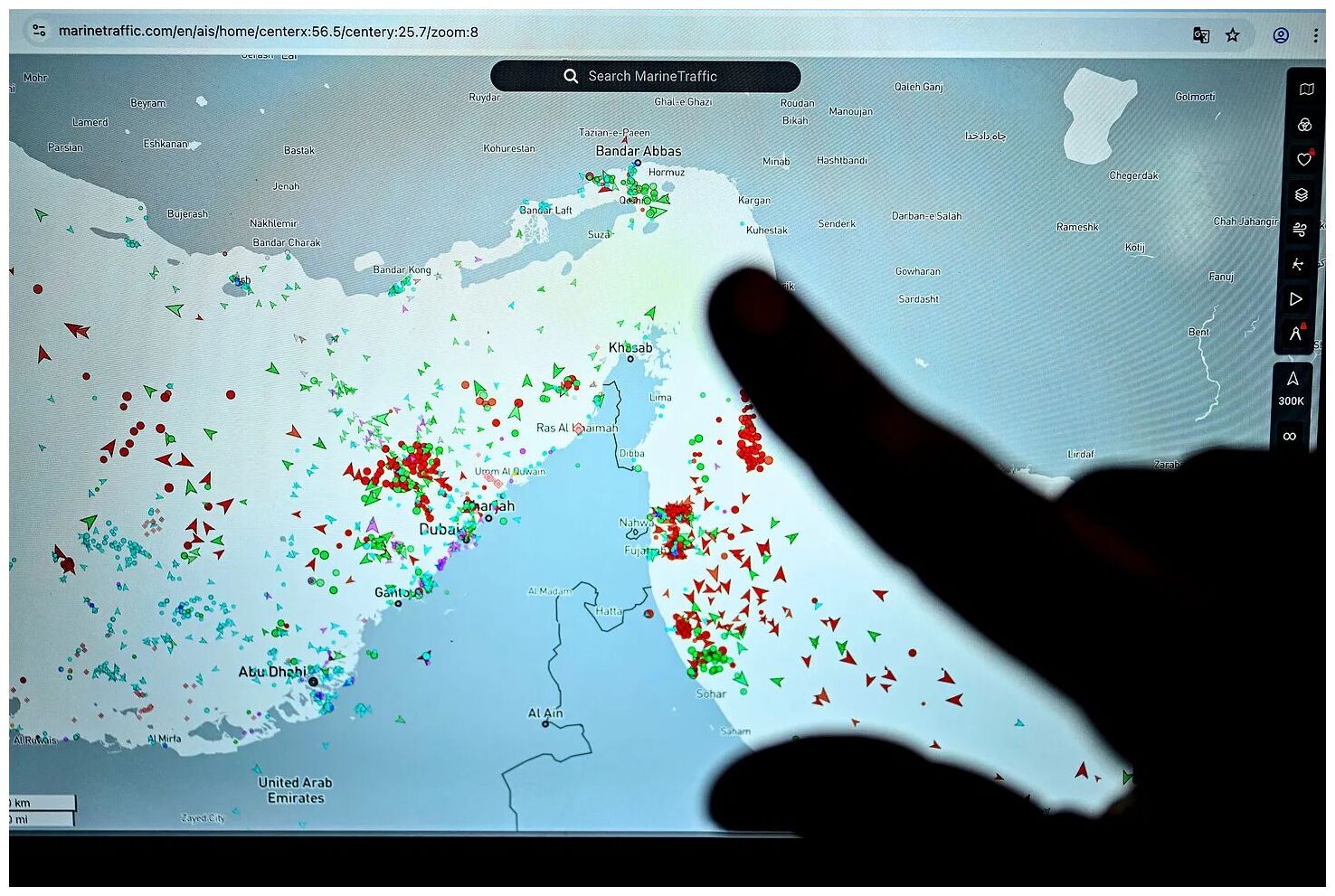
© Global DelinquentsContainer vessels trapped in the Strait of Hormuz.
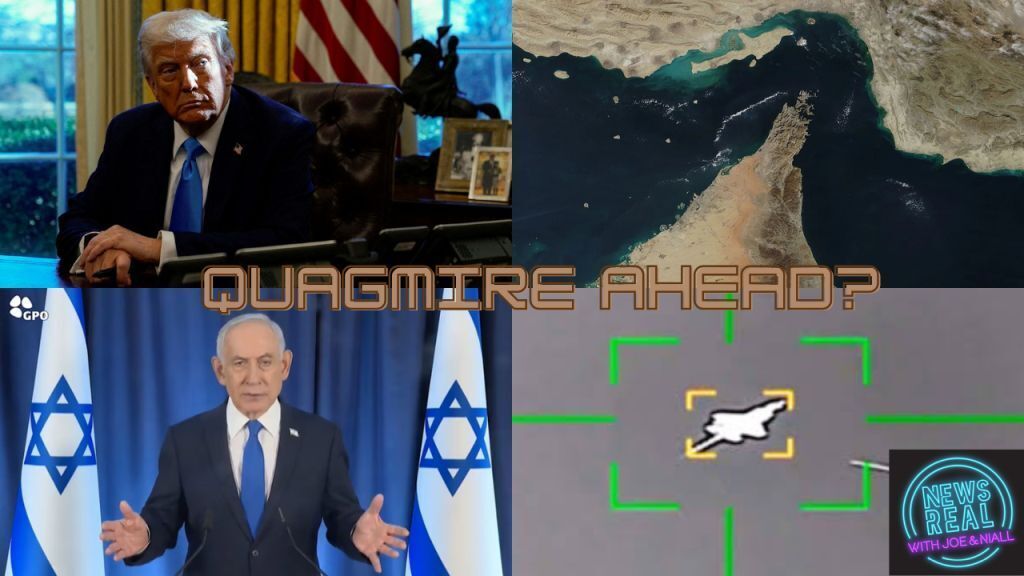
Since the criminal Zionist-American war on Iran erupted, the Strait of Hormuz has remained stubbornly closed. Despite Donald Trump's
dire threats, Tehran has brought maritime traffic to a
total standstill. The Empire has futilely scrambled to assemble an international coalition to reopen the economically vital waterway ever since, only to be rebuffed. NATO allies have been slammed
for making a "foolish mistake", by refusing to help militarily secure the Strait. In truth, there is no hope it can be forcibly reopened in the foreseeable future.
As
Bloomberg reports, while discussions are ongoing among G7 members over potential methods of restarting trade in the Strait, the
general consensus among US allies is this can't happen until hostilities ease, or outright end. Bank of America's head of research has
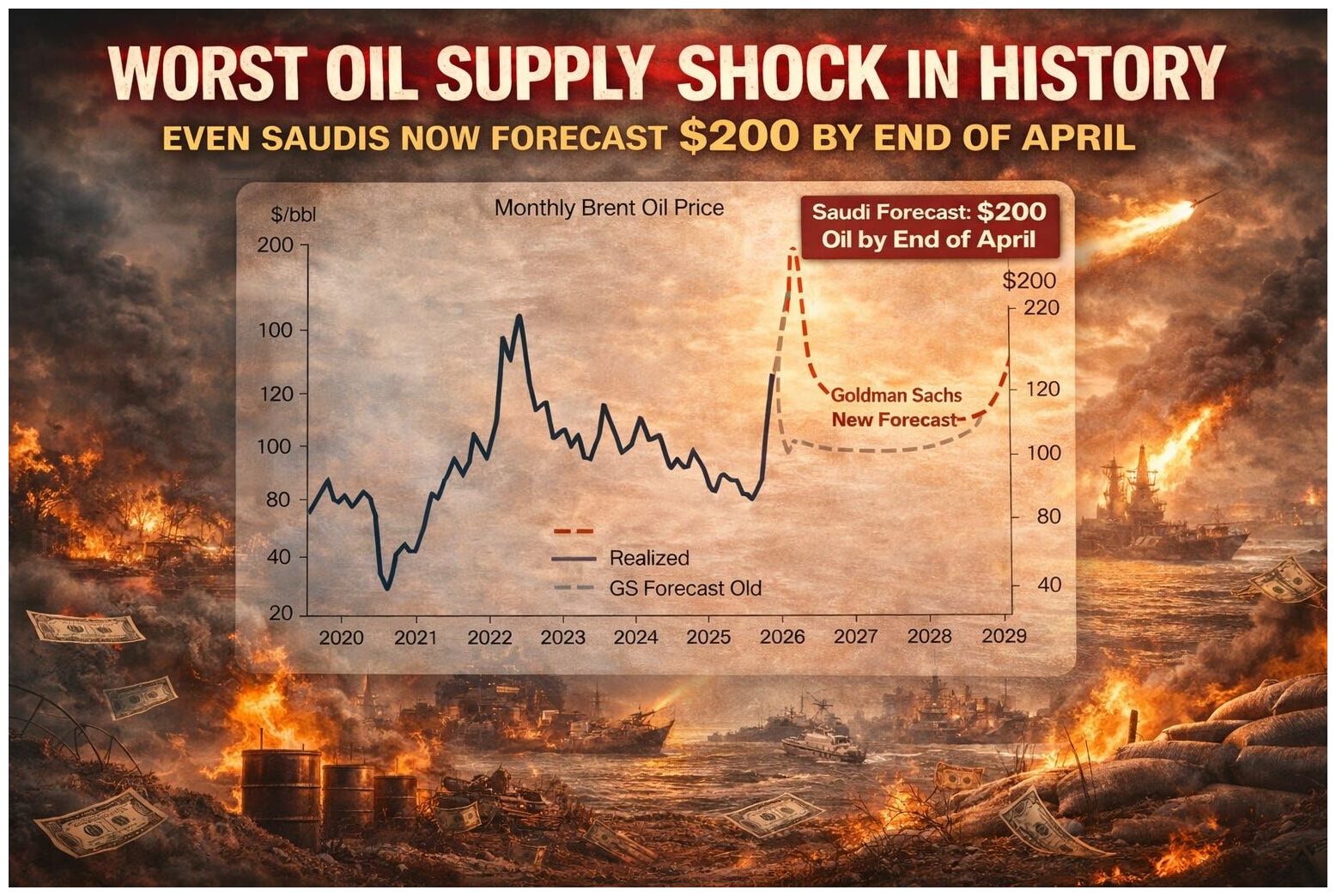
ominously warned oil prices could rise above $200 per barrel "if disruptions persist for multiple months." He forecasts that if the Strait isn't reopened within days, its closure could precipitate a global recession.
Tehran imposing a blockade on the Strait was absolutely inevitable, and
widely predicted, in the event of war. Even if the conflict ends soon, lasting damage has already been inflicted in many economic spheres, and the effects will be increasingly felt by average citizens in the form of
higher prices for essential goods. Global shipping has been thrown into disarray, with major logistics firms cancelling routes in West Asia, producing higher transport and insurance rates, and delays. Again, increased costs
will be passed onto consumers.
In all, approximately 11% of global maritime trade
passes through the Strait annually, accounting for 20% of the world's total oil supply. Iran's blockade, coupled with
Resistance strikes on refineries throughout the region, will cause
lasting chaos in energy markets and impact availability for years to come. Yet, despite a preponderant
mainstream focus on the implications of the Strait's closure for oil and gas, many vital commodities underpinning the operation of major industries worldwide also regularly transit through in substantial quantities.













Comment: A little late, wouldn't one say? Russia has been offering negotiations right from the start of the SMO in 2022. He was initially brushed off, then betrayed by the European nations in the sham "MInsk Agreements", and the equally sham Istanbul talks. In fact they've been talking to the US right up until the Empire attacked Iran. Russia is decisively prevailing in its SMO, and probably feels the chattering classes of the EU aren't worth the time.