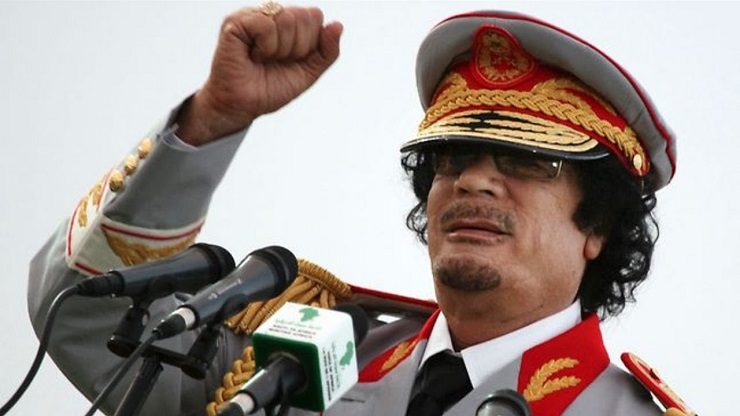
Libya since the fall of Gaddafi has been a tragic example of how a country which used to be stable, and which is rich in oil reserves, can be brought to its knees by internal conflict.
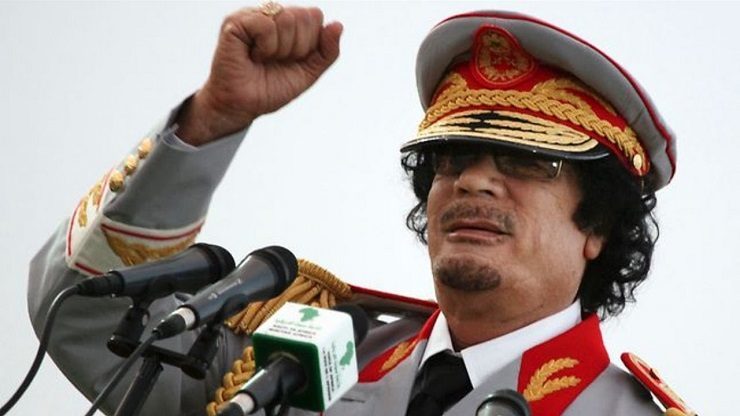
The seventh anniversary of the killing of the Libyan leader Muammar Gaddafi on October 20, 2011 provides us with an opportunity to reassess those dramatic events which caused a major step backwards in the country's development. With the fall of its leader, the country's power hierarchy collapsed, leading to the disintegration of both government authorities and the armed forces.
The "triumph of the February 17th Revolution and the fall of the dictatorship" was initially greeted with euphoria, but this mood was not enough to prevent the country from falling apart. The victors, who had seized power with the support of NATO and an unlikely coalition of various armed groups, were unable to prevent the country's descent into chaos. That coalition split apart in 2014, and the country has effectively been split in two ever since.
There are now two opposed "territories", one headed by Tripoli in the west of Libya, the other headed by Tobruk, in the east. Each has its own government, parliament and armed forces.What is more, the capital, Tripoli, is controlled by four main armed groups, which, together, prop up the Government of National Accord, headed by Fayez al-Sarraj. Their official role is to guarantee security, serve as a police force, and guard the airport, government organisations and prisons etc. According to many experts in the region, these armed groups have built up an unprecedented level of control over both public and private organisations. They are involved in business and a wide range of illegal schemes: these include various forms of smuggling, especially of oil.
This situation gives rise to rivalry with other armed groups which came to Tripoli as victors after the collapse of the regime, but these newcomers have been sidelined as time has passed.














Comment: Both of these men stooping to name-calling and character assassinations while rehashing the same old party line talking points shows that neither of these men are intellectually equipped to be Senators, because they're both basically NPCs.