Science & TechnologyS


Beaker

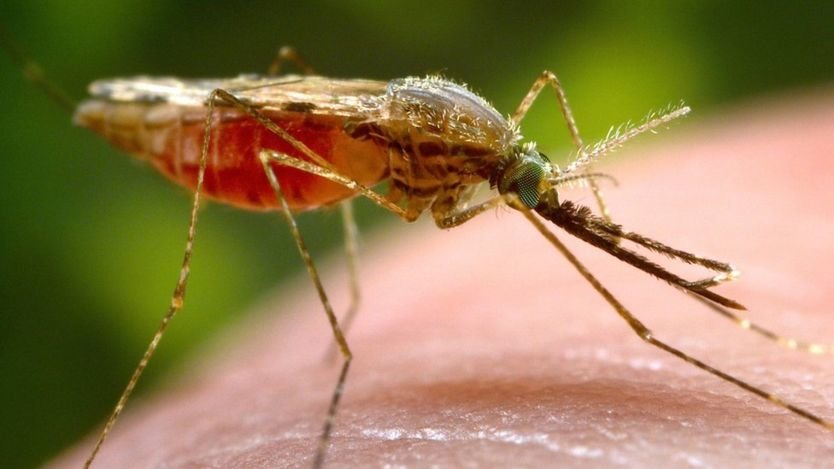
Natural mosquito repellent? Chickens

mosquito
© CDC
For the first time, scientists have shown that malaria-transmitting mosquitoes actively avoid feeding on certain animal species such as chickens, using their sense of smell. Odors emitted by species such as chickens could provide protection for humans at risk of mosquito-transmitted diseases, according to a study in the open access Malaria Journal.

Researchers at the Swedish University of Agricultural Sciences and Addis Ababa University, Ethiopia found that Anopheles arabiensis, one of the predominant species transmitting malaria in sub-Saharan Africa, avoids chickens when looking for hosts to feed on. This indicates that, unlike humans, cattle, goats and sheep, chickens are a non-host species for An. arabiensis and that the mosquitoes have developed ways of distinguishing them from host species.

Rickard Ignell, the corresponding author, said:
"We were surprised to find that malaria mosquitoes are repelled by the odors emitted by chickens. This study shows for the first time that malaria mosquitoes actively avoid feeding on certain animal species, and that this behavior is regulated through odor cues."

Comment: Read the study here [link]

Also see Why mosquitos attack some, but leave others alone


Comet 2

Halley's comet orbit being altered by Venus instead of Jupiter

Halley’s comet
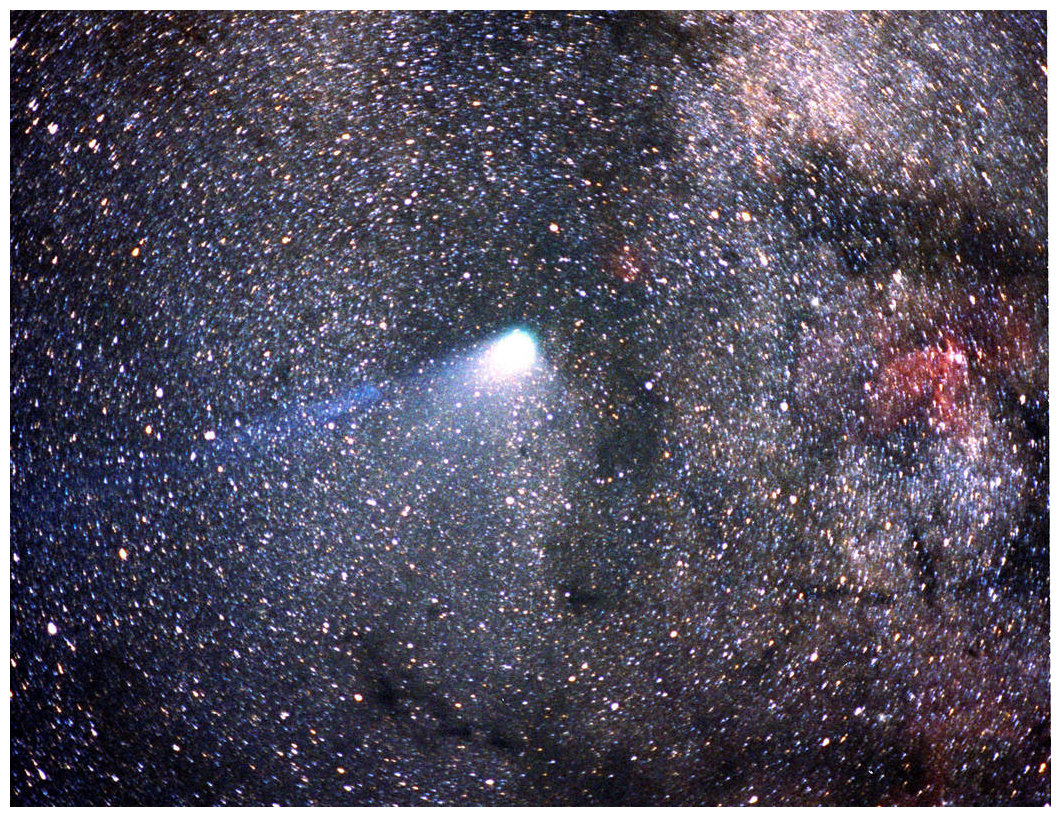
© NASAHalley’s comet.
If you're waiting for Halley's comet to show up exactly 75 years after its 1986 appearance, you may be disappointed. The ball of ice has an orbit that varies by months or even years.

And new research suggests that Venus is responsible for the comet's variations today, rather than the more massive planet Jupiter.

"Comet Halley has been observed throughout history, all the way back to 240 BC by the Chinese," Tjarda Boekholt, an astrophysicist at Leiden Observatory in the Netherlands, told Discover by email.

Erratic Schedule

With many well-documented appearances, scientists quickly realized that the arrival time of the comet was constantly changing. For instance, although it passed Earth in February in 1986, it won't be back until February 2061. In 45 years, it will instead appear in July.

"It is the variation in the time of sightings that provided the first clue to comet Halley's chaotic orbit," Boekholt said. "The orbit of comet Halley is not static, but it is evolving."

Boekholt led a team that investigated the comet's changing orbit. They found that Venus played an important role in revising the comet's orbit in the past, and will probably continue to do so in the future, despite its small stature. Mighty Jupiter often dominates the influence of gravitational bodies due to its high mass, but Venus currently dominates Halley's is movements.

The research will be published in the journal The Monthly Notices of the Royal Astronomical Society. A preprint is available online.

Mars

NASA allows Mars 'Curiosity' rover to fire laser at will

NASA Curiosity Rover
© NASA
When NASA launched Curiosity Rover, a 1-ton robotic beast that would basically take planetary exploration to the next level, we all knew we were in for a brilliant treat.

The car-sized Curiosity rover is the centerpiece of NASA's US$2.5 billion Mars Science Laboratory mission to Mars. Curiosity was sent to the Red Planet to assess whether it is, or ever will be, capable of supporting microbial life.

Well its official, the Curiosity Rover has just become even cooler — and here's why:

Robot

China to launch first fully-automatic driverless subway train

Subway map in Beijing
© AFP 2016/ GREG BAKER
The first fully-automatic subway train entirely developed in China will be put into operation in Beijing in 2017, media reported Friday.

According to the China Radio International (CRI), the trial of the subway train on 35-kilometer-long (22 miles) Yanfang Line linking Hebei's Yanjiao and Fangshan district in Beijin will be launched in December 2016, while the commissioning is expected by the end of 2017.

Once integrated into an automatic metro system, the driverless trains will be able to run between the stations and make stops, open and close doors and return to the terminal station. It is expected that the automatic trains will run well on schedule without any delay.

The fully-automatic trains are designed by the Chinese CRRC Corporation Limited company, a state-owned rolling stock manufacturer.

Better Earth

Wild birds and humans cooperate to find honey in Mozambique

Yao honey hunter
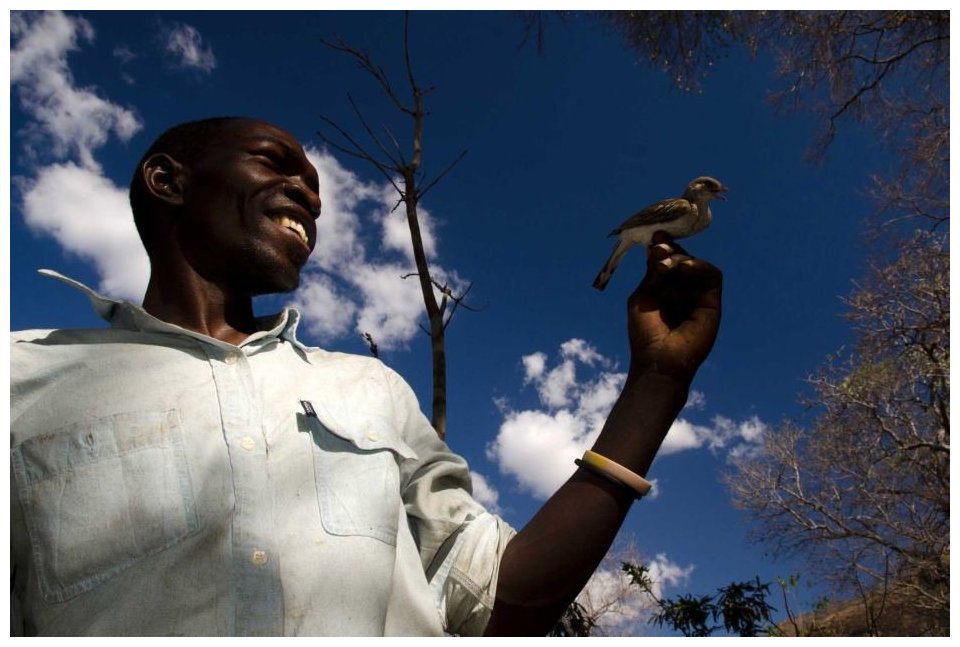
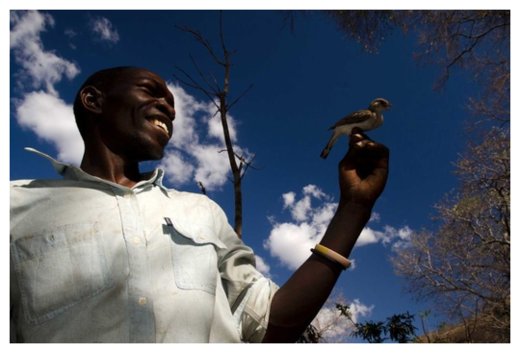
© Claire N. SpottiswoodeYao honey hunter Orlando Yassene holds a female honeyguide bird.
Over thousands of years, honey hunters in northern Mozambique have forged a relationship with wild birds to find the location of bees' nests.

But not only do humans seek out the small birds known as honeyguides, the birds also actively seek out humans ensuring both species benefit, a new study shows.

Pioneering work by the Kenyan ecologist Hussein Isack in the 1980s confirmed honeyguides communicate reliable information to humans about the location of bees' nests, and this greatly increased honey-hunters' harvests, said the study's lead author Dr Claire Spottiswoode of the University of Cambridge in the UK and the University of Cape Town in South Africa.

In return, the greater honeyguide (Indicator indicator), which feeds from bees' nests, eating eggs, larvae and beeswax, relies on their human partner to crack open the hive.

"It's a remarkable example of cooperation between humans and a free-living wild animal," Dr Spottiswoode said.

But in a new study of the Yao honey hunters from Mozambique's Niassa National Reserve, published today in Science, Dr Spottiswoode and her colleagues show the interaction has an extra dimension.

Not only do the Yao honey hunters follow the birds' call to guide them to the hive, the birds themselves seek out the specific call made by the hunters to initiate the hunt.
Calling for Honeyguides
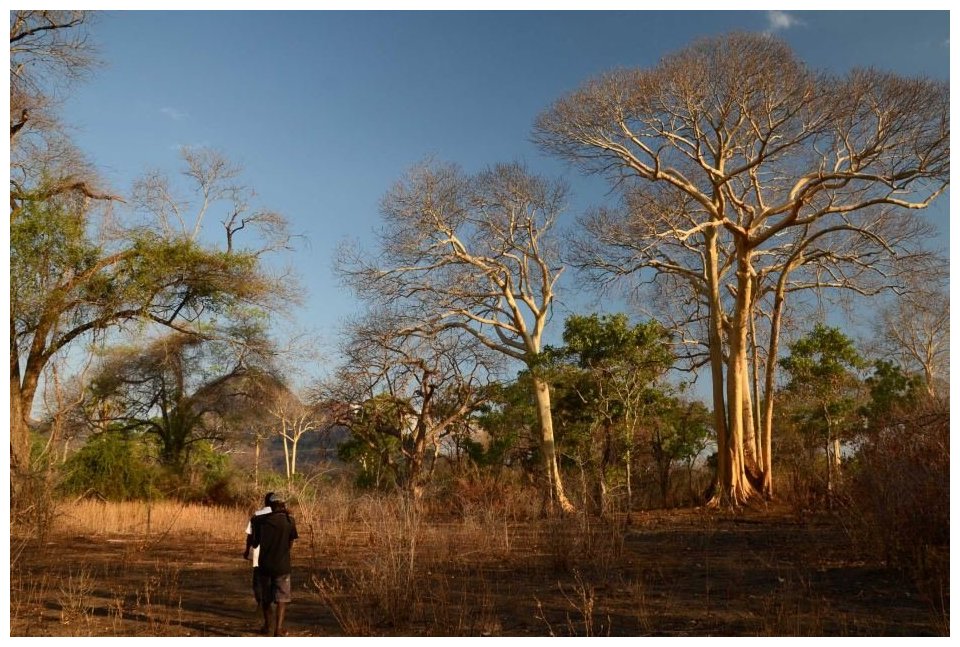
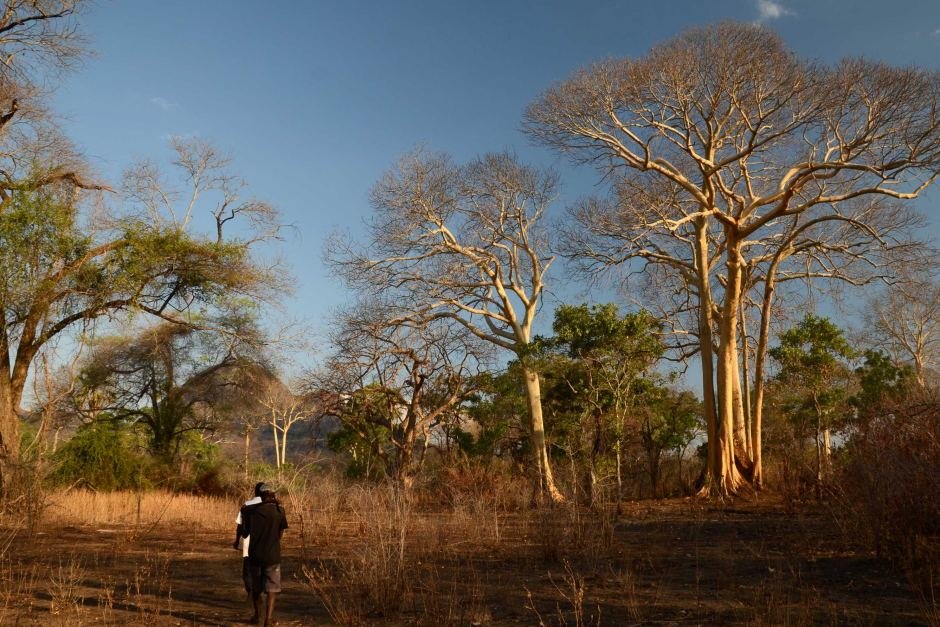
© Claire N. SpottiswoodeYao honey-hunters searching for honeyguides in the Niassa National Reserve, Mozambique.
"Yao honey hunters searching for honeyguides, or wanting to maintain a honeyguide's attention as they follow it through the bush, give at intervals a loud trill followed by a grunt — 'brrrr-hm!'," Dr Spottiswoode said.

"They make this sound only in this context, so it's a reliable signal to honeyguides that a human is looking for bees."

Gear

Soviet-born scientist stirs up a revolution in rotary engines in the U.S.

high-efficiency hybrid cycle (HEHC) engine
© Press photo
In 1975 Russian physicist Nikolai Shkolnik left the Soviet Union for the U.S. after graduating from the Kiev Polytechnic Institute. For 10 years he worked as a consultant for struggling innovation companies. Throughout these years, he was constantly preoccupied with one question - why are modern car engines so inefficient?

Shkolnik developed his own high-efficiency hybrid cycle (HEHC) engine, which became a key step towards his dream. He was helped by his son Alexander, who eventually graduated from MIT and had become an expert in system optimization.

Nikolai Shkolnik is convinced that, among other things, the education he received in the USSR helped his ambition to create a revolutionary engine.

"There are big differences between American engineers and those trained in Russia,'' said Shkolnik. ''American engineers are incredibly effective in what they do, and it usually takes two or three Russian engineers to replace one American. However, Russians have a broader view of things, which has to do with their education; at least in my time it did. They are capable of achieving goals with a minimum of resources."

Info

Viruses have been a major force driving our evolution

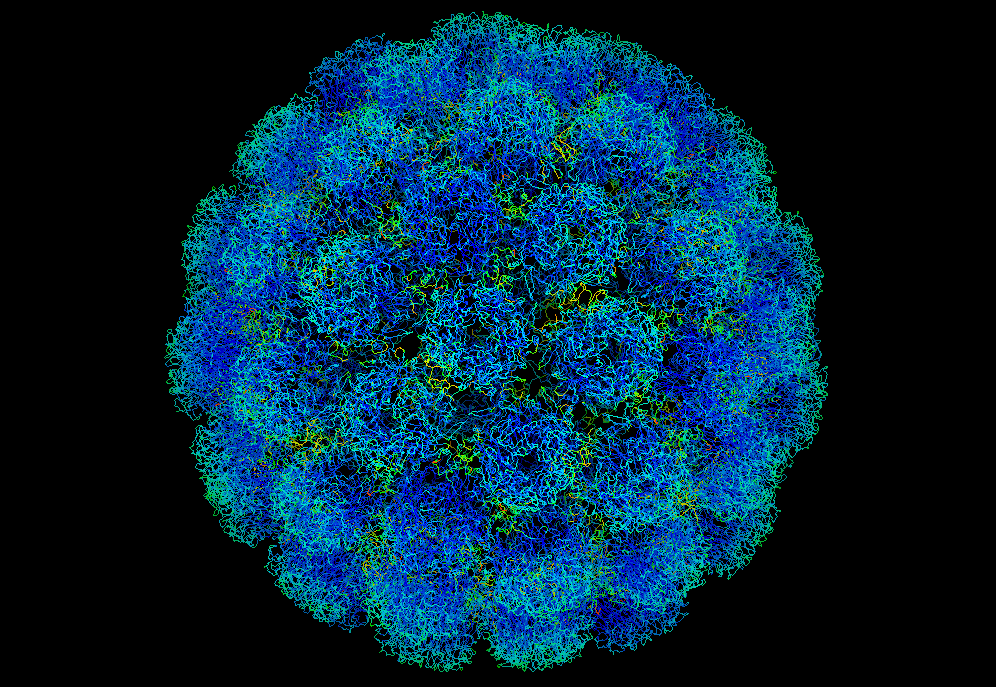
virus evolution
The constant battle between pathogens and their hosts has long been recognized as a key driver of evolution. Their findings suggest an astonishing 30 percent of all protein adaptations since humans' divergence with chimpanzees have been driven by viruses.
The constant battle between pathogens and their hosts has long been recognized as a key driver of evolution, but until now scientists have not had the tools to look at these patterns globally across species and genomes. In a new study, researchers apply big-data analysis to reveal the full extent of viruses' impact on the evolution of humans and other mammals.

Their findings suggest an astonishing 30 percent of all protein adaptations since humans' divergence with chimpanzees have been driven by viruses.

"When you have a pandemic or an epidemic at some point in evolution, the population that is targeted by the virus either adapts, or goes extinct. We knew that, but what really surprised us is the strength and clarity of the pattern we found," said David Enard, Ph.D., a postdoctoral fellow at Stanford University and the study's first author. "This is the first time that viruses have been shown to have such a strong impact on adaptation."

The study was recently published in the journal eLife and will be presented at The Allied Genetics Conference, a meeting hosted by the Genetics Society of America, on July 14.

Chalkboard

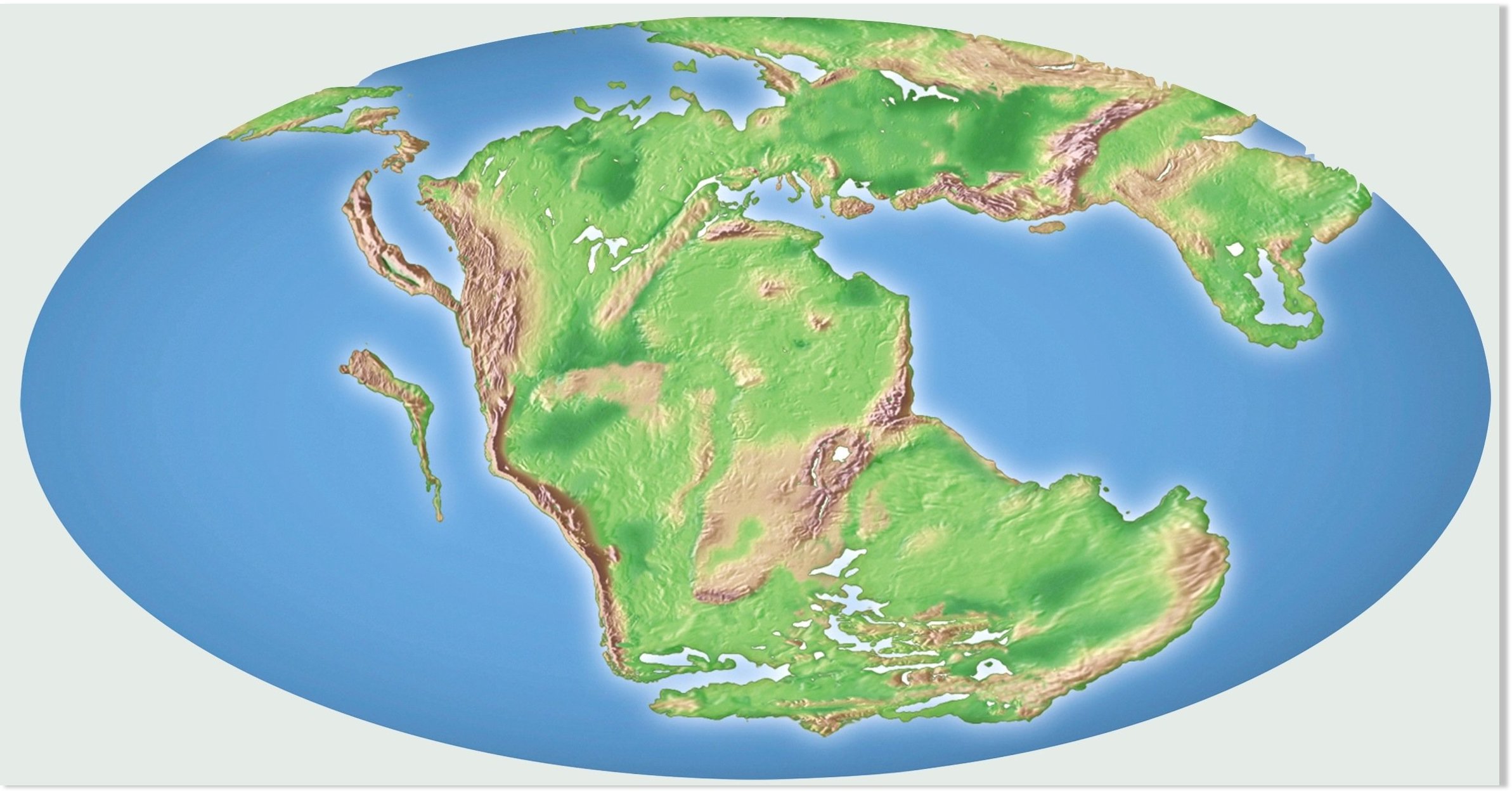
New modeling suggests Earth's supercontinents tore apart quickly after millions of years of strained separation

pangea
© MIKKEL JUUL JENSEN / BONNIER PUBLICATIONS / GETTY IMAGESAround 175 million years ago, the ancient supercontinent Pangea began to break up. New research shows how the continents were sling-shotted off each other, thanks to their strained separation.
Earth's supercontinents spent millions of years under huge amounts of strain before abruptly lurching apart to form oceans between them, new modelling suggests.

A team at the University of Sydney in Australia revealed the underlying actions of the splitting landmass - a sustained period of slow inching apart followed by a sudden heave - in the journal Nature.

Dieter Mueller, senior author on the paper, likens the geological mechanics to pulling apart a thick piece of dough: "At first, separating it requires a lot of effort because the dough resists your pulling and stretches slowly between your hands.

"If you're persistent, you'll eventually reach a point where the dough becomes thin enough to separate quite easily and quickly."

Nebula

Final frontier: Hubble captures spectacular space-warped images of mega-distant galaxies (VIDEO)

Galaxy
© NASA Goddard / YouTube
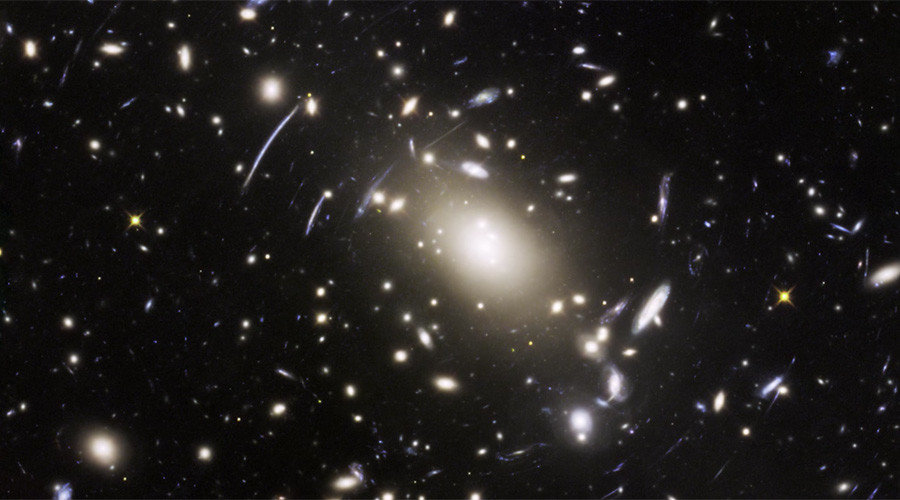
The latest images from NASA's Hubble Space Telescope show the spectacular space-warping of hundreds of distant galaxies - something first outlined by Albert Einstein in his General Theory of Relativity.

The vivid galaxy cluster Abell S1063, located some 4 billion light-years away, holds the key to this staggering phenomenon.

Comment: See also: Kepler Spacecraft telescope discovers crop of 104 new planets, 4 look promising that could potentially accommodate life


Stop

Scientific procedures using millions of animals still being used despite tried and tested alternative

lab rat, animal testing
Routine scientific procedures using millions of animals are still being authorised when there is a tried and tested alternative, according to a group of scientists investigating the production of antibodies.

The scientists, writing in the Cell Press journal, Trends in Biotechnology, say the use of animals in consumer society is effectively 'hidden' and products assumed to be 'animal-friendly' are anything but. They say an animal friendly antibody production technique using bacteriophage viruses instead of live animals is being overlooked, despite the enormous potential for reduction in animal use.

The global antibody industry is worth 80 billion dollars and relies heavily on animals to produce the antibodies that are used to detect the vast range of molecules indicative of state of health, safety or the environment. Antibody-based tests are used in consumer and environmental safeguarding -- from healthcare, over the counter, point of care and laboratory diagnostic testing to food safety, agriculture and household products.

Dr Alison Gray, a visiting researcher at The University of Nottingham's School of Veterinary Medicine and Science, said: "The antibody-based tests that are commonly used in society appear to be far removed from animal experimentation since no animals were directly tested on. However, the target molecule to be detected is repeatedly injected into the animal, initiating an immune response. Months later, the animal is euthanased and antibodies to that molecule are extracted and incorporated into an in vitro, 'animal-free' test. So in reality, we are not replacing animals but substituting methods.

Comment: Seventeen to 100 million mice, rats, birds, rabbits, cats, dogs, primates and other animals suffer and die in laboratories every year in the U.S. Scientists, medical doctors and animal activists have railed against animal experimentation for decades, yet the practice continues. Listen to the The Health & Wellness Show: The Quackery and Cruelty of Animal Medical Research to learn more about the controversy surrounding animal medical research.