
The sun is currently featuring one lonely visible sunspot region and this relatively blank look is becoming more and more common as solar cycle 24 heads towards the next solar minimum. In fact, there have been 42 days in 2017 with a completely blank sun - already ten more days than all of last year - and this makes up almost one-quarter of the time for this year. Solar cycle 24 has turned out to be historically weak with the lowest number of sunspots since cycle 14 peaked more than a century ago in 1906. In fact, by one measure, the current solar cycle is the third weakest since record keeping began in 1755 and it continues a weakening trend since solar cycle 21 peaked in 1980. One of the natural impacts of decreasing solar activity is the increase of cosmic rays that can penetrate into the Earth's upper atmosphere and this can have many important consequences.
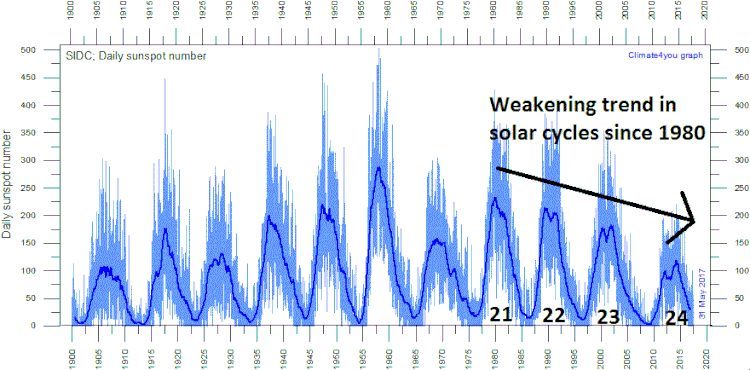
© climate4you.comDaily observations of the number of sunspots since 1 January 1900 according to Solar Influences Data Analysis Center (SIDC). The thin blue line indicates the daily sunspot number, while the dark blue line indicates the running annual average. The recent low sunspot activity is clearly reflected in the recent low values for the total solar irradiance. Data source: WDC-SILSO, Royal Observatory of Brussels, Belgium. Last day shown: 31 May 2017.
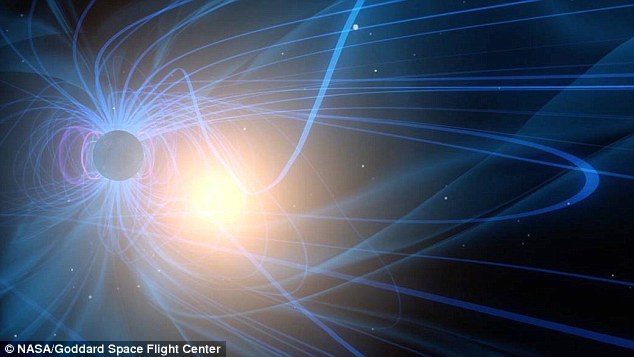
Galactic cosmic rays are high-energy particles originating from space that impact the Earth's atmosphere. Most of the incoming cosmic ray particles are protons and they actually arrive as individual particles - not in the form of a ray as the term "ray" would suggest. Usually, cosmic rays are held at bay by the sun's magnetic field and its solar winds sweep them aside when they pass by Earth. As the sun plunges towards a minimum phase, there is typically less and less solar activity (e.g., solar storms, coronal mass ejections), and the weakening magnetic field and solar wind provides less and less shielding for the Earth.

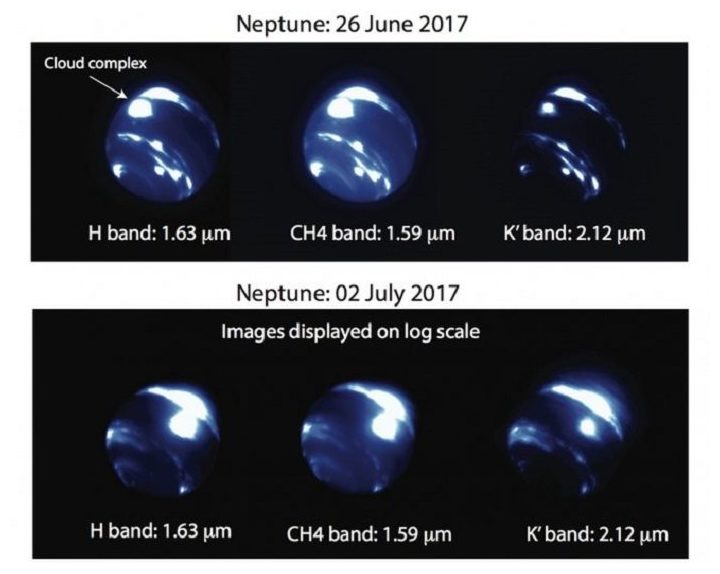
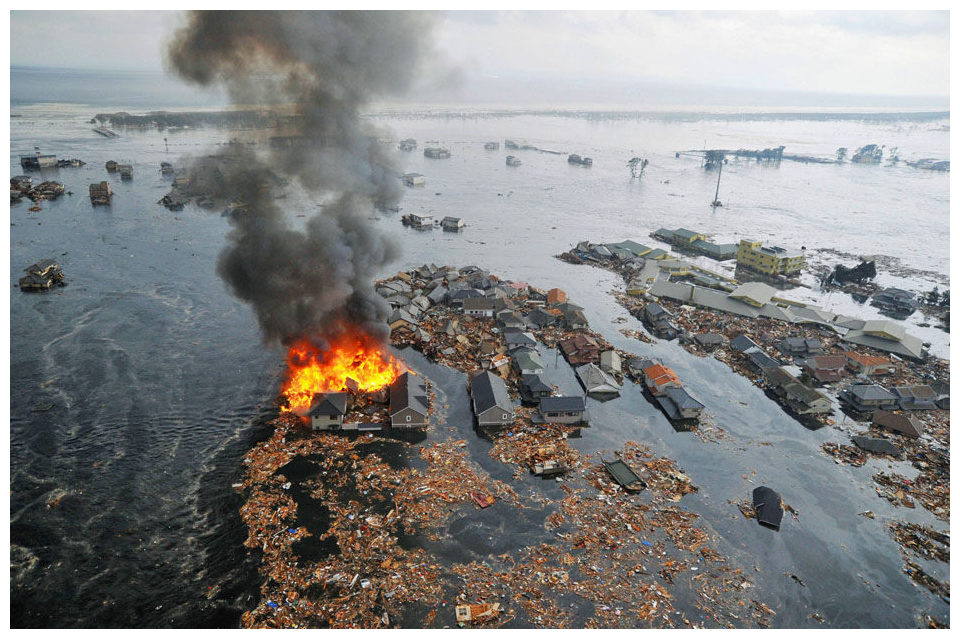













Comment: ...and much more besides! Cosmic rays may regulate pretty much all life on Earth - its alphas, its omegas, and everything in-between. So if we're living through a significant spike, can that be seen in terms of what's going down these days on this planet?...