Scientist have developed an ingenious means of converting nuclear power plant waste (76,430 metric tons in the US alone) into sustainable diamond batteries.
These long-lasting batteries could be a clean and safe way to power spacecraft, satellites, and even medical devices.
NUCLEAR DIAMONDS
Scientists from the University of Bristol Cabot Institute are hitting two birds with one stone, thanks to their lab-made diamond that can generate electricity and is made from upcycled radioactive waste.
In nuclear power plants, radioactive uranium is split in a process called nuclear fission. When the atoms are split, heat is generated, and that heat then vaporizes water into steam that turns electricity-generating turbines.
A severe downside of this process is the creation of dangerous radioactive waste, which ultimately deposits in the graphite core that it is housed in. Today, this nuclear contamination is safely stored away until it stops being radioactive...and with a half-life of 5,730 years, that takes quite a while.
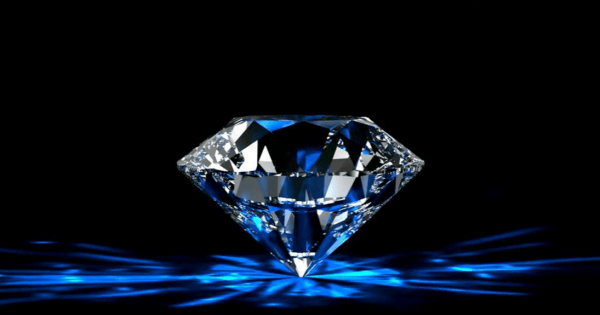
The scientists found a way to heat the radioactive graphite to release most of the radioactivity in a gaseous form. The gas is subjected to high temperature and low pressures that turn it into a man-made diamond.
When these diamonds are placed near a radioactive field, they generate a small electrical current. The developers enclosed the diamond battery in another non-radioactive diamond to absorb the harmful emissions, which in turn allowed for the generation of even more electricity, making the battery nearly 100 percent efficient.













Comment: How much better life would be on the planet if organizations like DARPA devoted a fraction of their resources on problems not connected to war.