OF THE
TIMES


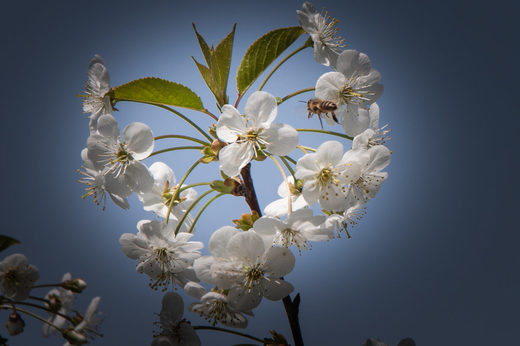
It's hard to decide what is most memorable about aspen: the vibrant yellow in the fall, the tall, tube-like clusters of white stands or the sound of the "quaking" leaves. Regardless of what comes to mind when you think of aspens, they hold the title of the most widespread tree in North America. From the Midwest, across Canada, north into Alaska and across the West through to Arizona and New Mexico, quaking aspens dot the edge of conifer forests in clusters or "clones."
One aspen tree is actually only a small part of a larger organism. A stand or group of aspen trees is considered a singular organism with the main life force underground in the extensive root system. Before a single aspen trunk appears above the surface, the root system may lie dormant for many years until the conditions are just right, including sufficient sunlight. In a single stand, each tree is a genetic replicate of the other, hence the name a "clone" of aspens used to describe a stand.
Older than the massive Sequoias or the biblical Bristlecone Pines, the oldest known aspen clone has lived more than 80,000 years on Utah's Fishlake National Forest. Not only is the clone the oldest living organism, weighing in at an estimated 6,600 tons, it is also the heaviest. Even if the trees of a stand are wiped out, it is very difficult to permanently extinguish an aspen's root system due to the rapid rate in which it reproduces.
Among swaths of dark green conifers, the deciduous aspen stands thrive in a variety of environments. Aspens quickly colonize recently burned or bare areas to establish a stand of young trees given the proper conditions. They prefer moist soil but can survive near springs in desert conditions. Of the many variables for a healthy clone of aspens, the one that cannot waver is the need for abundant sunshine.
Aspens grow all the time — even in winter. Beneath the thin, white outer bark layer is a thin green photosynthetic layer that allows the tree to create sugars and grow when other deciduous trees would otherwise be dormant. During hard winters, the green, sugary layer provides necessary nutrients for deer and elk. Throughout the year, young aspens provide food or a variety of animals including moose, black bear, beaver, porcupine, ruffed grouse and rodents .
Although a soft wood, aspen is relatively strong and has been used in unique ways.Today, many places in the West have seen diebacks of aspen. In areas where grass is limited, deer and other ungulates are heavily feeding on young aspens, preventing the trees and clone from reaching maturity.
- Matches - aspen wood is not as flammable as other species
- Saunas - aspen wood does not splinter easily
- Chopsticks - aspen is flexible and strong for your next tasty eggroll.
- Ailments - historically used because aspen contains salicylates, chemicals similar to aspirin


Comment: There are alternative theories: