Science & TechnologyS


NPC

Study: People are getting dumber

people cell phones
© Tara Moore via Getty Images
Human intellectual abilities such as reasoning and problem-solving are diminishing, possibly due to increased exposure to visual media, the Financial Times (FT) has reported.

Human intelligence appeared to peak in the early 2010s and has been in decline since, the FT added, citing PISA, an international benchmarking test for 15-year-olds that includes reading, mathematics and science, and adult cognitive evaluations.

The reported trend comes amid a rise in artificial intelligence (AI) which, by some estimates, may surpass human IQ in a matter of years.

Info

Can any nearby supernova cause a mass extinction?

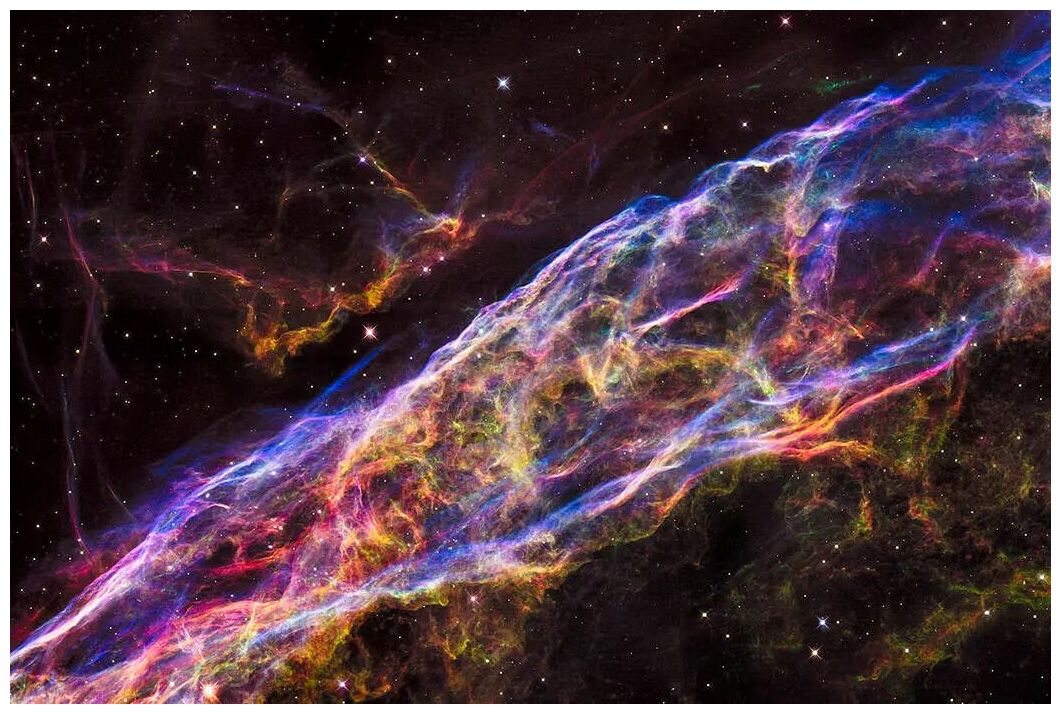
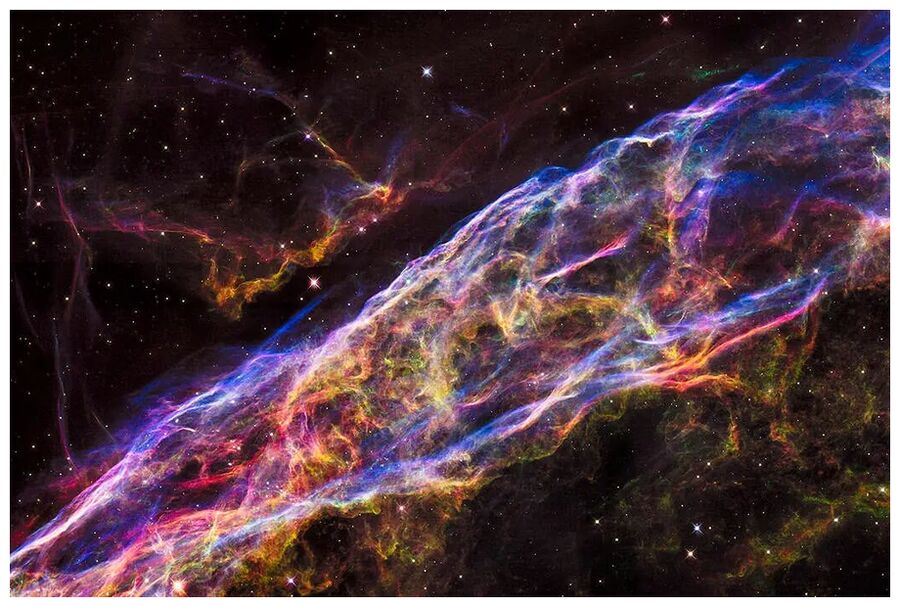
The Veil Nebula Supernova Remnant.
© NASA/ESA/Hubble Heritage TeamThe Veil Nebula Supernova Remnant.
The most dangerous parts of a supernova explosion are the outputs like X-rays and gamma rays. Even though they only share a small fraction of a supernova's power, they are extremely dangerous. But they're not going to disintegrate the Earth. We are simply too far away from any potential supernova for that to ever be a problem.

What can happen is that these forms of radiation pack enough energetic punch that they can tear apart molecules. Elements like nitrogen and oxygen prefer to float around as molecules in our atmosphere. But then once they get hit by x rays, gamma rays, and cosmic rays, they get broken apart. And then they recombine in interesting and fascinating ways like various nitrogen oxides, including everybody's favorite nitrous oxide AKA laughing gas. And while everyone's laughing and having a good time, our ozone layer gets stripped away.

That's the danger of a too-close supernova: it breaks up our ozone layer. And without an ozone layer, it means the Earth is vulnerable to ultraviolet radiation from the Sun. Our ozone layer protects us from the vast majority of ultraviolet radiation. There are a couple specific bands of wavelengths that do sneak through, which is why we need to wear sunscreen here on the surface, so we don't get nasty tans and sunburns and skin cancer and all that.

But imagine no ozone layer, then you get all the UV radiation, the full output, and it's bad. And it's not just a matter of quicker tans and faster burns and higher rates of skin cancer. The problem is that photosynthetic microorganisms like algae become vulnerable. They get cooked and then they die. And since they form the very base layer of the food chain, you end up with whole ecosystem collapse and a mass extinction.


Jet3

Russian Superjet makes milestone test flight

superjet
© unknownRussian Superjet
The import-substituted aircraft demonstrated stable operations, according to state-owned defense conglomerate Rostec.

A prototype of Russia's new SJ-100 superjet, equipped with domestically produced engines, has successfully completed its first test flight, the state-owned Rostec corporation announced on Monday.

Russia's aviation industry has faced increasing pressure to replace Western-made components due to sanctions imposed after the escalation of the Ukraine conflict in 2022. In response, the SJ-100 program was developed to eliminate foreign reliance, replacing around 40 imported systems with Russian alternatives, including avionics, landing gear, auxiliary power units, and control systems. The PD-8 engine, domestically developed by the United Engine Corporation, is a crucial element of this effort.

According to Rostec, the SuperJet remained airborne for approximately 40 minutes during the test flight, reaching a speed of 500kph and an altitude of 3,000 meters. Engineers assessed the gas-dynamic stability of the PD-8 engines under various conditions. The engines performed steadily and the flight objectives were met in full, according to Rostec.

Brain

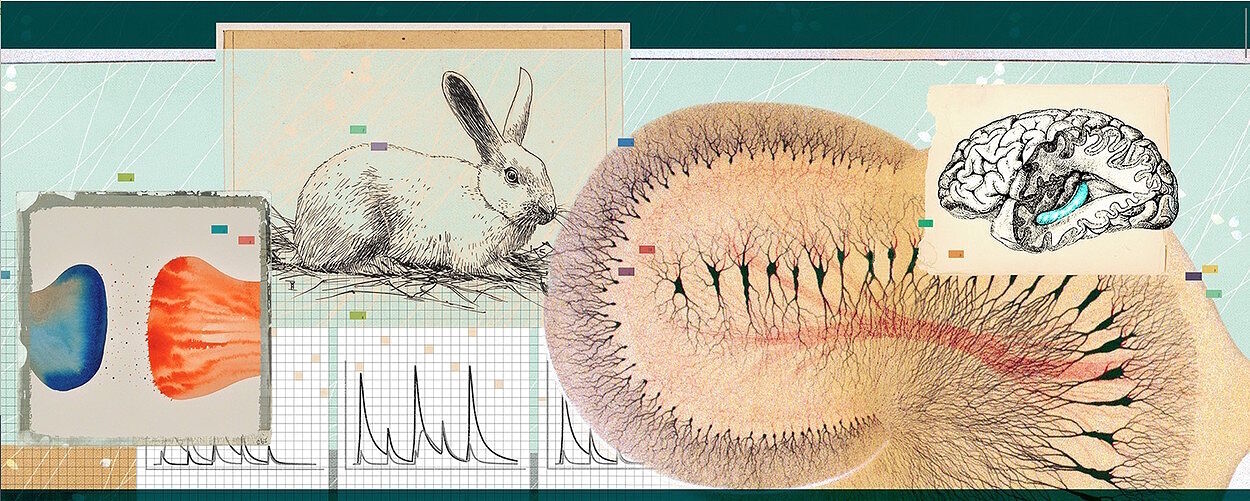
It began with a rabbit: Unraveling the mystery of memory

rabbit memory neurons research collage
© Knowable Magazine
Half a century after the discovery of long-term potentiation, we're still learning how the brain remembers

On a rainy day in July 2024, Tim Bliss and Terje Lømo are in the best of moods, chuckling and joking over brunch, occasionally pounding the table to make a point. They're at Lømo's house near Oslo, Norway, where they've met to write about the late neuroscientist Per Andersen, in whose lab they conducted groundbreaking experiments more than 50 years ago.

The duo only ever wrote one research paper together, in 1973, but that work is now considered a turning point in the study of learning and memory. Published in the Journal of Physiology, it was the first demonstration that when a neuron — a cell that receives and sends signals throughout the nervous system — signals to another neuron frequently enough, the second neuron will later respond more strongly to new signals, not for just seconds or minutes, but for hours.

Microscope 2

Study finds epigenetic 'scars' on the genome can be passed down by grandmothers

three generations syria trauma epigenetic changes
© Ameen AlwaniIn the early 1980s, the Syrian regime carried out a massacre in the city of Hama that killed tens of thousands of people. A survivor (left) and her daughter and granddaughter contributed to a study examining whether such trauma can be biologically inherited.
In a story of collaboration and community, researchers identified intergenerational epigenetic changes caused by war and trauma in Syrian refugees.

There are markers that sit on top of DNA and change over the course of one's lifetime, and they can even be passed down to future generations. These "epigenetic" markers alter how genes are expressed — without changing their codes — and they can change based on a person's experiences and environment.

Research suggests that stressful events can tweak a person's epigenetics — but what happens on a larger scale? How do people's epigenetics change, for example, in a population exposed to upheaval or violence multiple times over generations?

A new study, published Feb. 27 in the journal Scientific Reports, sought to answer that question.

Attention

128 new Saturn moons just announced

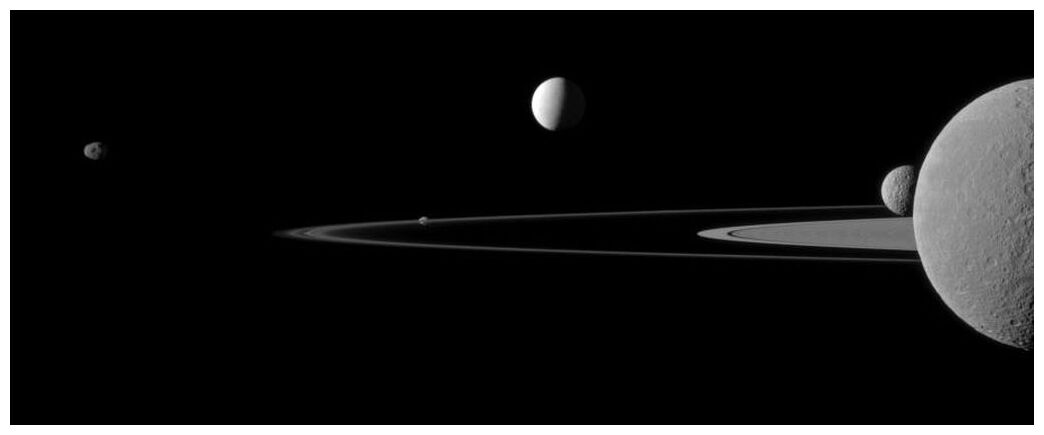
Saturn's Moons
© NASA/JPL-Caltech/Space Science InstituteFive of Saturn's moons, from left: Janus, Pandora, Enceladus, Rhea, and Mimas.
The race between Jupiter and Saturn for the most moons in the Solar System may have just finally come screeching to a halt.

A team of scientists has found a whopping 128 previously unknown moons hanging around Saturn, in a discovery officially recognized by the International Astronomical Union. This brings the planet's total number of known moons to 274, leaving Jupiter, with its mere 95 moons, in the dust.

The first hint that there were more moons awaiting discovery came between 2019 and 2021, when 62 such objects were identified. Other small objects were also spotted at the time that couldn't yet be designated.

"With the knowledge that these were probably moons, and that there were likely even more waiting to be discovered, we revisited the same sky fields for three consecutive months in 2023," says astronomer Edward Ashton of Academia Sincia in Taiwan.

"Sure enough, we found 128 new moons. Based on our projections, I don't think Jupiter will ever catch up."

Ice Cube

Antarctica ice growing across large areas for at least 85 years, aerial photos show

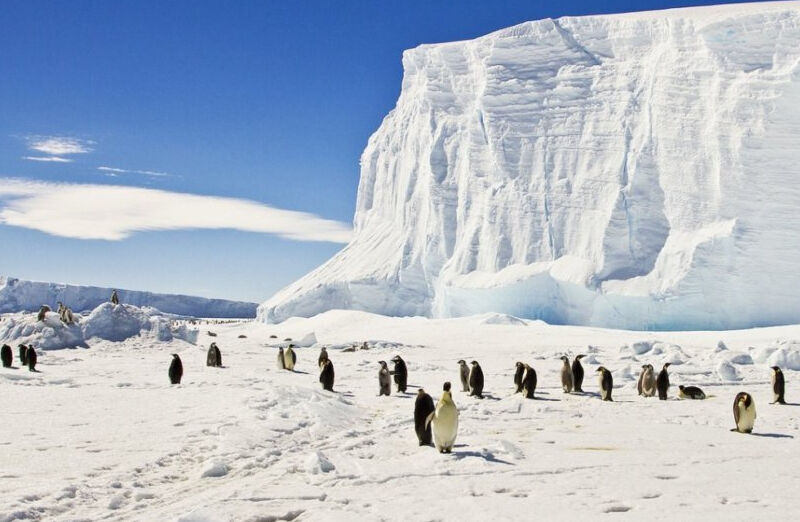
penguins
© screenshotEast Antartica ice growth
Sensational new discoveries arising from long-forgotten early aerial photographs indicate that ice has remained stable and even grown slightly since the 1930s over a 2,000 km stretch of East Antarctica. In a recent paper published in Nature Communications, researchers from the University of Copenhagen came to their conclusions by tracking glacial movement in an area with as much ice as the Greenland ice sheet. The findings are unlikely to feature in narrative-driven mainstream media. The silence will probably replicate the response to another recent paper that found the ice shelves surrounding Antarctica grew in overall size from 2009-2019.

The Copenhagen scientists examined hundreds of old aerial photographs taken for mapping work in 1937. The images were supplemented with a number of photographs taken in the 1950s and 1974 of the same area and a 3D computer reconstruction was produced. This allowed the researchers to examine the evolution of glaciers over a significant time period. In order to determine if recent trends exceed the scale of natural variability, long-term observations are said to be vital. It was noted:
"Compared to modern data, the ice flow speeds are unchanged. While some glaciers have thinned over shorter intermediate periods of 10-20 years, they have remained stable or grown slightly in the long term, indicating a system in balance."
Actual long-term scientific observations will always beat media-friendly computer-modeled pseudoscientific opinions and alarm drummed up by short-term outliers.

Beaker

Real green research: Plastic recycling gets a breath of fresh air

plastic bottle recycle breakthrough
© GettyUsing a simple catalyst and air, Northwestern scientists have developed a new method for recycling plastics that is safer, cleaner, cheaper and more sustainable than current strategies.
Scientists break down plastic using a simple, inexpensive catalyst and air

Harnessing moisture from air, Northwestern University chemists have developed a simple new method for breaking down plastic waste.

The non-toxic, environmentally friendly, solvent-free process first uses an inexpensive catalyst to break apart the bonds in polyethylene terephthalate (PET), the most common plastic in the polyester family. Then, the researchers merely expose the broken pieces to ambient air. Leveraging the trace amounts of moisture in air, the broken-down PET is converted into monomers — the crucial building blocks for plastics. From there, the researchers envision the monomers could be recycled into new PET products or other, more valuable materials.

Safer, cleaner, cheaper and more sustainable than current plastic recycling methods, the new technique, published in the journal Green Chemistry, offers a promising path toward creating a circular economy for plastics.

Fireball 5

World's oldest impact crater found, rewriting Earth's ancient history

Pilabara Impact Crater
© Curtin University
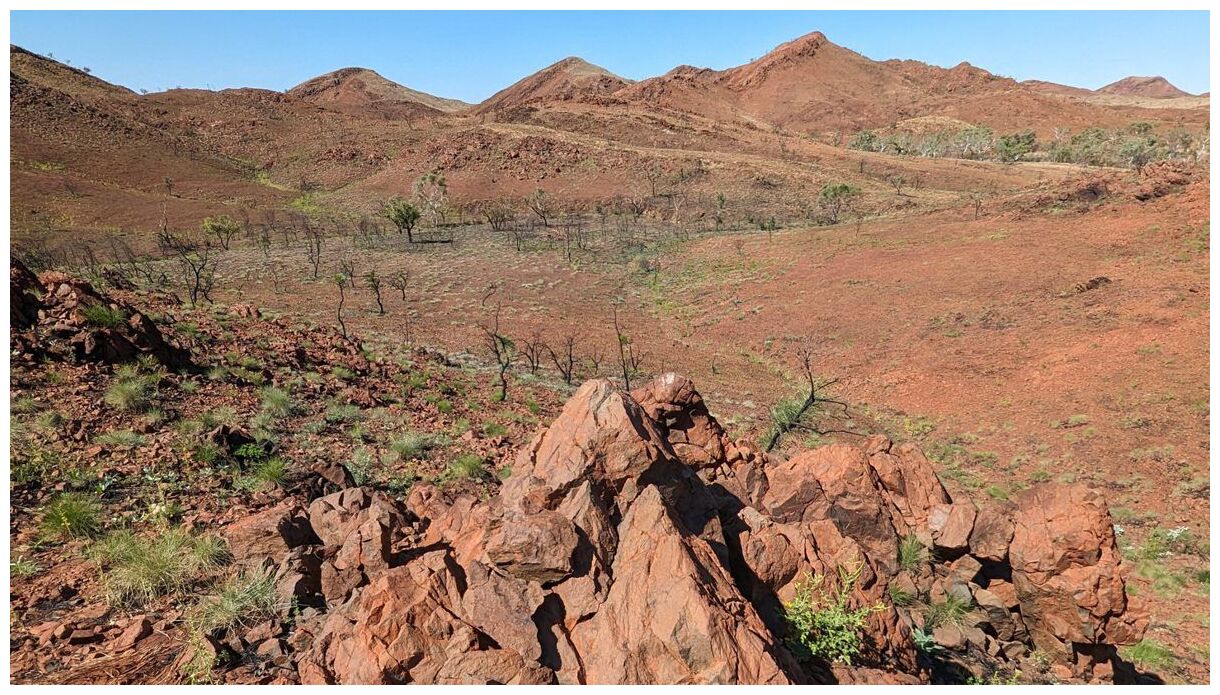
Curtin University researchers have discovered the world's oldest known meteorite impact crater, which could significantly redefine our understanding of the origins of life and how our planet was shaped.

The team from Curtin's School of Earth and Planetary Sciences and the Geological Survey of Western Australia (GSWA) investigated rock layers in the North Pole Dome — an area of the Pilbara region of Western Australia — and found evidence of a major meteorite impact 3.5 billion years ago.

Study co-lead Professor Tim Johnson, from Curtin University, said the discovery significantly challenged previous assumptions about our planet's ancient history.

"Before our discovery, the oldest impact crater was 2.2 billion years old, so this is by far the oldest known crater ever found on Earth," Professor Johnson said.

Researchers discovered the crater thanks to 'shatter cones', distinctive rock formations only formed under the intense pressure of a meteorite strike.

The shatter cones at the site, about 40 kilometres west of Marble Bar in WA's Pilbara region, were formed when a meteorite slammed into the area at more than 36,000km/h.

This would have been a major planetary event, resulting in a crater more than 100km wide that would have sent debris flying across the globe.

Nuke

Research finds tardigrade protein shields mouse cells from radiation

microscopic creature: Tardigrade
© N. Carrera, Global Soil Biodiversity Atlas
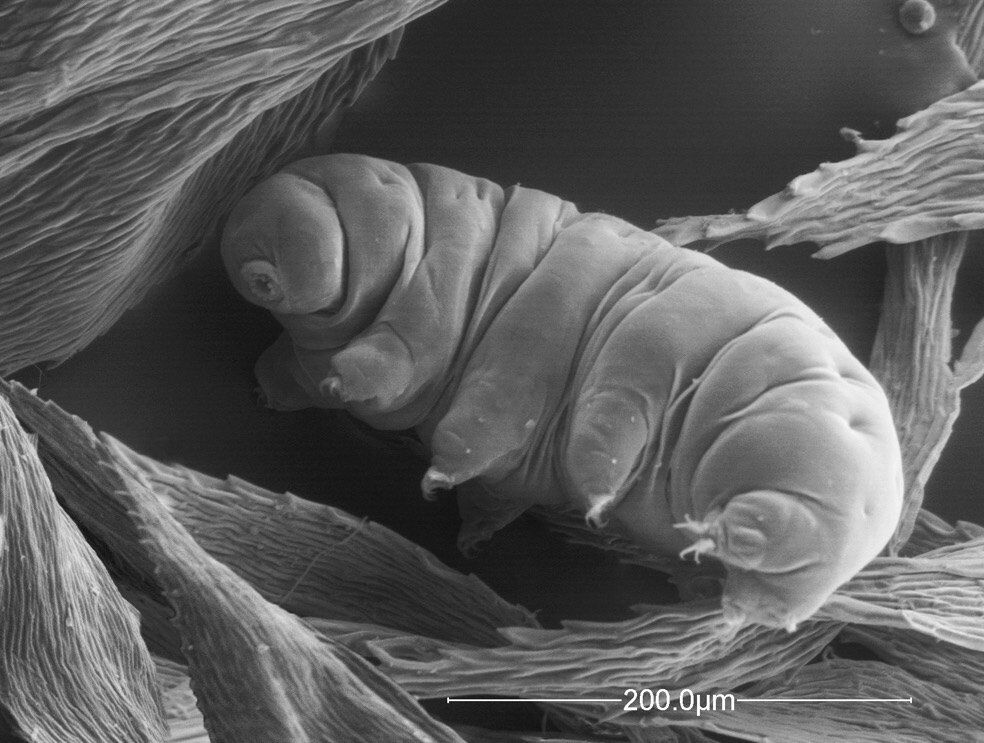
A hardy tardigrade, also known as a water bear or moss piglet. These strange micro-animals are less than half a millimeter long and live in moist environments such as moss. They're known for their incredible hardiness: A tardigrade can go without food and water for decades and then bounce back with no harm done.
Boosting cells with a tardigrade protein reduced DNA damage after radiation, offering potential protection for healthy tissue during cancer treatment.

Tardigrades, or water bears, are microscopic animals with incredible survival skills — they can withstand extreme temperatures and the vacuum of space. They can also tolerate high doses of radiation. Researchers previously discovered that tardigrades can survive more than 1,000 times the lethal dose for humans.1 So, how do these tiny creatures protect themselves so well?

The answer lies in a damage-suppressing protein (Dsup) that binds to DNA and minimizes harmful strand breaks.2 Inspired by tardigrades' remarkable radiation tolerance, researchers explored whether this mechanism could help patients with cancer better tolerate radiation therapy.