© Global Arab Network
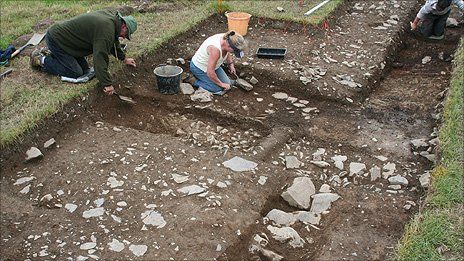
Archaeological excavations in the Houran region in Daraa, southern Syria, show that the region mastered the craft of pottery and its various uses 5000 years ago.
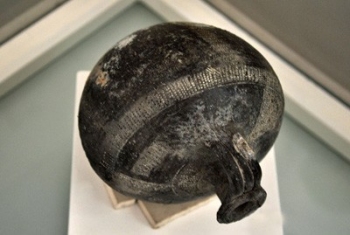
The excavations uncovered great numbers of pottery known as "black clay" that strongly imply connections between the occupants of Houran and the people of the Nile Valley.
According to these discoveries, the pottery craft emerged in Houran around 3000 BC, producing pottery of various sizes and purposes, most important of which are those discovered in tombs dating back to the Bronze Age (3100-2100 BC) indicating that the people of Houran at the time believed in an afterlife and buried simple items needed by the deceased with them, similar to the ancient Egyptians.
Archaeologist Yasser Abu Nuqta said most of pottery findings in Houran date back to the early, middle and late Bronze, Iron, Hellenistic, Roman, Byzantine and Islamic Ages.
The uncovered pottery includes lanterns, containers, plates, jars, glasses and bottles of various sizes used for a range of purposes, with the various specimens giving a glimpse at the development of the pottery craft and the new techniques that were introduced to it due to cultural interaction and the prosperity of the region throughout the ages.
Abu Nuqta pointed out that the Bronze Age pottery is distinguished by the impurities and stone fragments in the thick clay used in making them, saying that the people of Houran gradually began to purify the clay and bake it at higher temperatures.