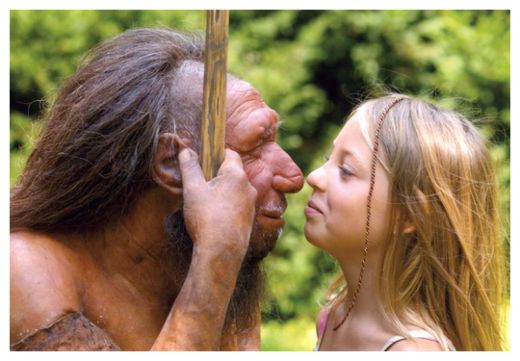
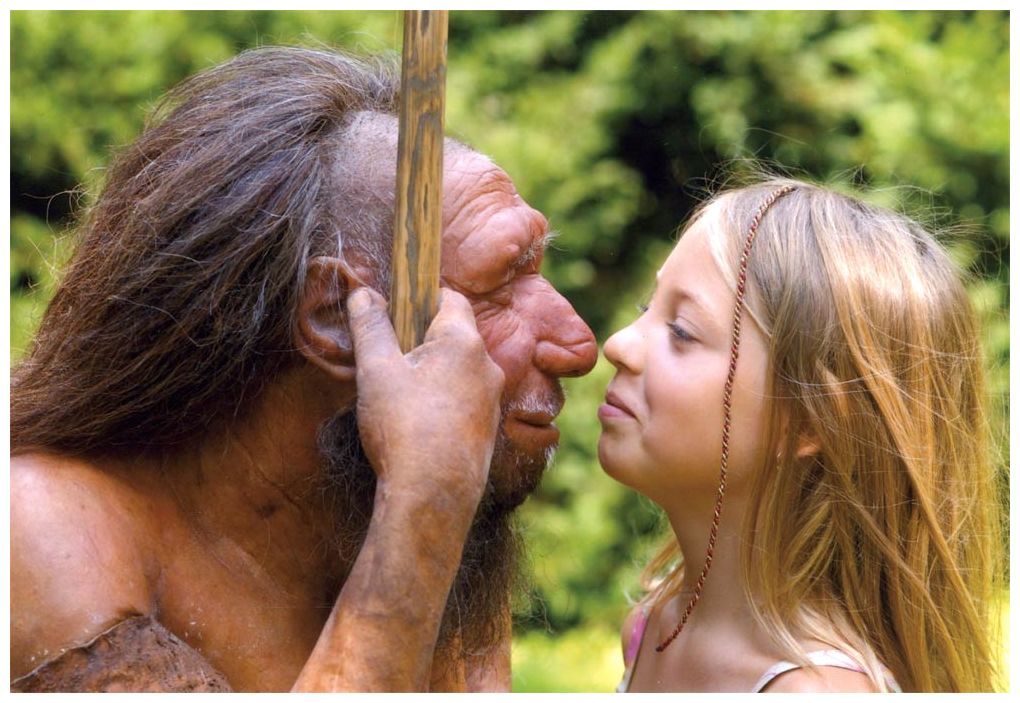
© Neanderthal Museum (Mettmann, Germany)The last Neanderthals had passed by southern Iberia quite earlier than previously thought, approximately 45,000 years ago and not 30,000 years ago as it has been estimated until recently. The new finding casts doubt on the theory that modern humans and Neanderthals coexisted in Iberia during the Upper Pleistocene.
Neanderthals may have died out earlier than before thought, researchers say.
These findings hint that Neanderthals did not coexist with modern humans as long as previously suggested, investigators added.
Modern humans once shared the planet with now-departed human lineages, including the Neanderthals, our closest known extinct relatives. However, there has been heated debate over just how much time and interaction, or interbreeding, Neanderthals had with modern humans.
To help solve the mystery, an international team of researchers investigated 215 bones previously excavated from 11 sites in southern Iberia, in an area known as Spain today. Neanderthals entered Europe before modern humans did, and prior research had suggested the last of the
Neanderthals held out in southern Iberia until about 35,000 years ago, potentially sharing the region with modern humans for thousands of years.
Their data suggest that modern humans and Neanderthals may have actually lived in the area at completely different times, never crossing paths there at all. Even so, these findings do not call into question whether
modern humans and Neanderthals once had sex - the findings simply indicate this interbreeding must have occurred earlier, before modern humans entered Europe.
"The genetic evidence for interbreeding - 1 to 4 percent
Neanderthal DNA in present-day modern humans - suggests that interbreeding probably occurred before the period we are looking at in the Levant, the region around Israel and Syria, when modern humans first migrated out of Africa," researcher Rachel Wood, an archaeologist and radiocarbon specialist at Australian National University in Canberra, told LiveScience.





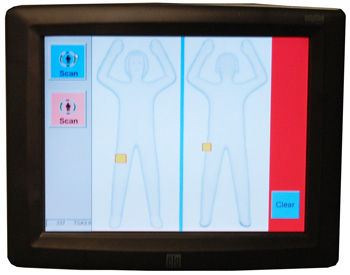










Comment: The TSA blog ends with a calming statement about how scanner use is 'always optional', but there are hundreds of damning reports on the invasive TSA body search alternative. While the end of use of backscatter scanners is a positive development, there are still many unanswered questions on the safety of their replacement that uses millimeter waves. Prevent Disease writes: