Science & TechnologyS


Video

Brain decoding: Reading minds

Image
© PETER QUINNELL/KEVORK DJANSEZIAN/GETTY
Jack Gallant perches on the edge of a swivel chair in his lab at the University of California, Berkeley, fixated on the screen of a computer that is trying to decode someone's thoughts.

On the left-hand side of the screen is a reel of film clips that Gallant showed to a study participant during a brain scan. And on the right side of the screen, the computer program uses only the details of that scan to guess what the participant was watching at the time.

Anne Hathaway's face appears in a clip from the film Bride Wars, engaged in heated conversation with Kate Hudson. The algorithm confidently labels them with the words 'woman' and 'talk', in large type. Another clip appears - an underwater scene from a wildlife documentary. The program struggles, and eventually offers 'whale' and 'swim' in a small, tentative font.

"This is a manatee, but it doesn't know what that is," says Gallant, talking about the program as one might a recalcitrant student. They had trained the program, he explains, by showing it patterns of brain activity elicited by a range of images and film clips. His program had encountered large aquatic mammals before, but never a manatee.

Groups around the world are using techniques like these to try to decode brain scans and decipher what people are seeing, hearing and feeling, as well as what they remember or even dream about.


Comet 2

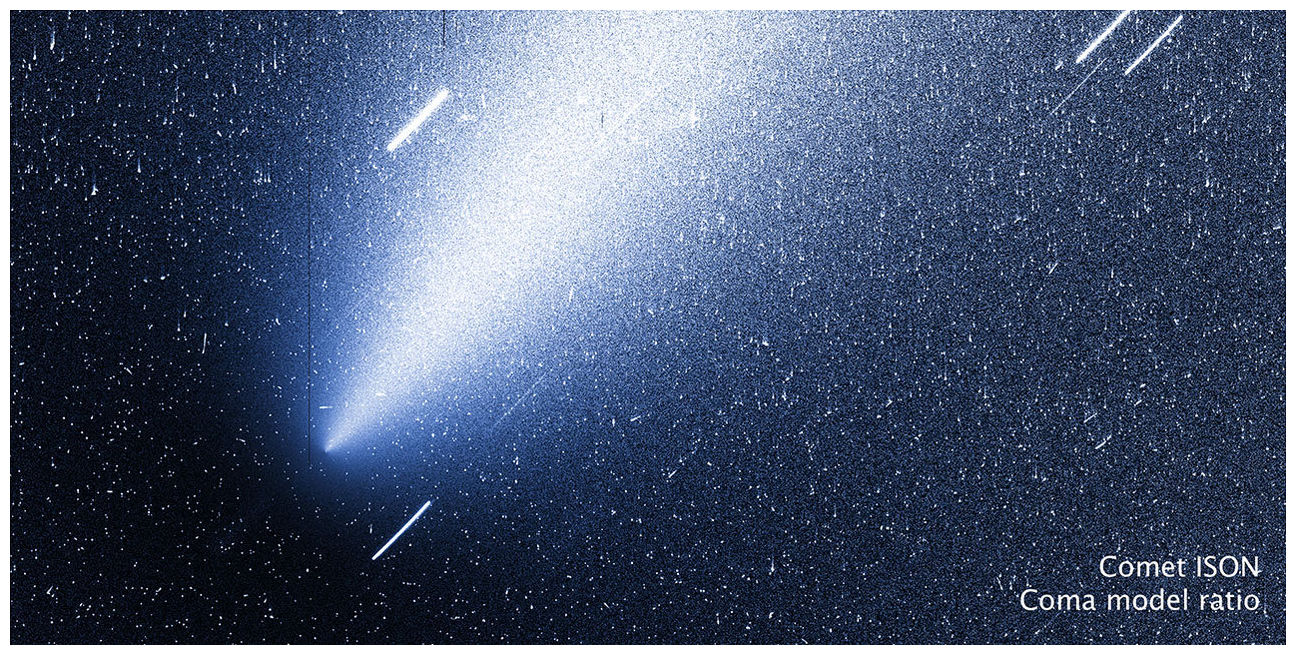
Wow! Stargazer snaps amazing photos of Comet ISON

Image
© John Chumack
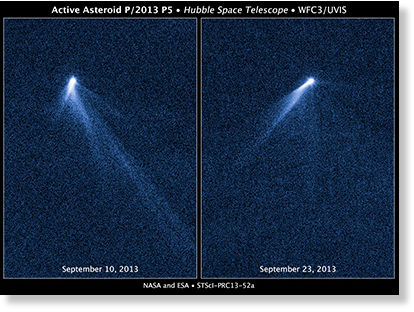
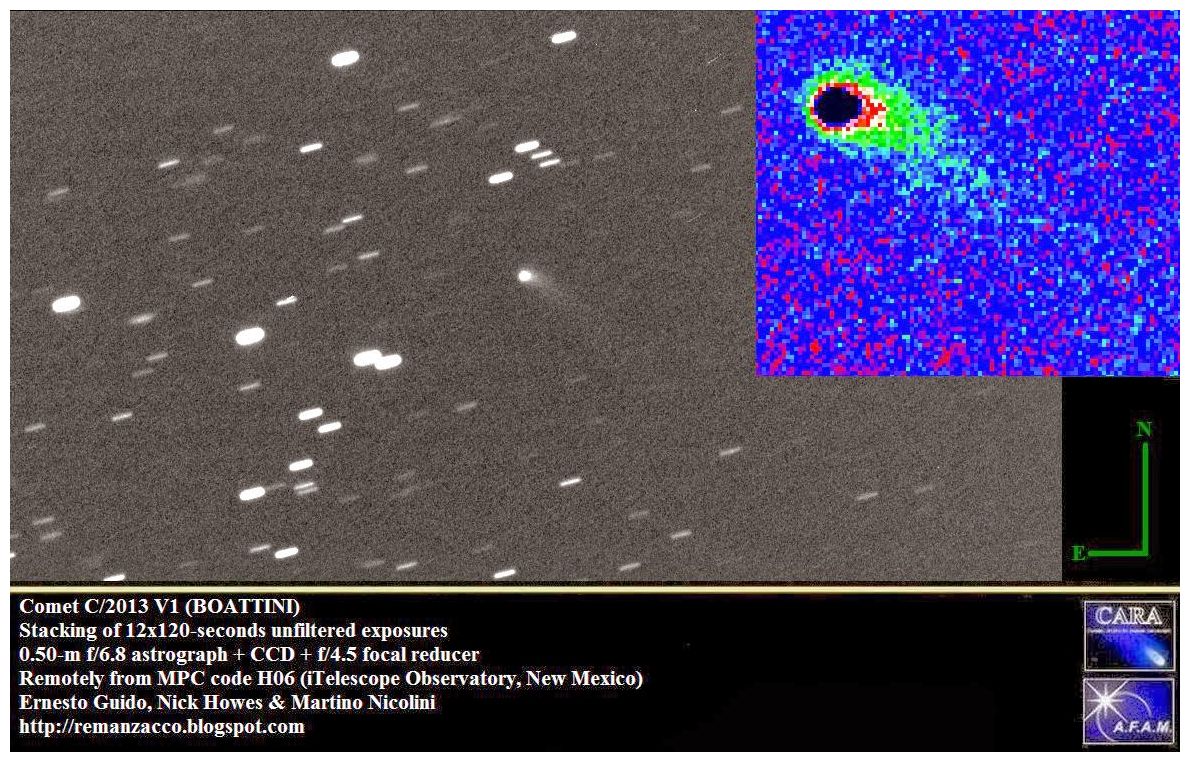
The promising Comet ISON is steadily making its way closer to the sun and one avid amateur astronomer has snapped a series of spectacular photos of icy wanderer in action.

Veteran astrophotographer John Chumack took the new Comet ISON photos and shared the series with SPACE.com. The images, taken in color as well as black and white, show striking views of the approaching comet.

"Comet ISON is going strong!" Chumack wrote SPACE.com in an email. "I will be imaging the comet every clear night I get through Perihelion Passage, on Nov. 28, and throughout December and January." [See amazing photos of Comet ISON by stargazers]

On Nov. 28 - the Thanksgiving holiday in the United States - Comet ISON will approach within 730,000 miles (1.2 million kilometers) of the sun, a close shave above the solar surface. If the comet survives the solar encounter, it could flare up brilliantly in the night sky, astronomers have said.

Chumack captured the new Comet ISON images on the morning of Oct. 9 from his dark-sky site at John Bryan State Park in Yellow Springs, Ohio, using a QHY8 cooled single shot color CCD camera and his homemade 16" Diameter F4.5 Newton telescope.

Magnify

This may be the ocean's most horrifying monster (and you've probably never heard of it)

Image
© WikipediaA rhizocephala bursting from the abdomen of a crab
When I first learned about rhizocephalan barnacles I lost my appetite. I was taking a parasitology course, and even though I'd developed a thick skin, something about this insidious creature deeply disturbed me. Even now, the thought of one makes me shiver. I've never watched a movie monster, heard a fairy tale, or seen a video game with a villain more horrifying than this one. And unlike those monsters, this one is real. To understand the full terror of this monster, you have to put yourself in the place of another animal. These poor creatures are its victims, and you see them all the time. Imagine you're a crab, and for full effect, imagine you're male.

You're lingering on the shoreline, the warm sun on your back, cool water in your gills. You've reached a large size, dodging the many dangers of youth. Life is going well. But today you begin to feel strange - maternal almost - as if there is something growing inside you, and in fact, something is.

Its roots are crawling through your tissue, your gut, your brain. It's a rhizocephalan barnacle, and it's about to take you over.

Padlock

Mozilla's new Lightbeam download allows users to track trackers

Mozilla, the open-source software community responsible for the Firefox browser, has released a new download that allows users to identify who's tracking their Internet movements.

Dubbed "Lightbeam," the free Firefox extension will enable users to see which third party companies are monitoring their online presence, a move that Mozilla states will "illuminate the inner workings of the web."
Mozilla Firefox
© Reuters / Albert GeaMozilla Firefox browser's new feature allows users to track the trackers

Comment: In light of the recent NSA spying scandal, it's high time people start developing technologies that allow them to at least be aware of who is monitoring their Internet activities.


Music

The haunting music that takes you back 1,800 years: Expert records '100% accurate' version of song as heard in ancient Greece

The beautiful texts of ancient Greece have captivated our imaginations for thousands of years. From the tragedies of Sophocles to the epics of Homer, modern literature throughout the world continues to be inspired by these classics.

But the haunting music these poems were originally sung to have long since been lost, with researchers instead focusing on the meaning of the words. Now an expert from Oxford University has reconstructed the music, and rediscovered some of the instruments that played them - and he claims the recordings are 100 per cent accurate.

'There is no question that we can reconstruct what this fascinating music sounded like,' Dr Armand D'Angour, a musician and tutor in classics at Oxford University, told MailOnline.

'We have been left with clear instructions, thousands of years old, about how to create instruments used to play the music with mathematical precision.'


Ice Cube

Hmm...Real risk of a Maunder minimum is 'Little Ice Age', says leading scientist

Image
It's known by climatologists as the 'Little Ice Age', a period in the 1600s when harsh winters across the UK and Europe were often severe. The severe cold went hand in hand with an exceptionally inactive sun, and was called the Maunder solar minimum.

Now a leading scientist from Reading University has told me that the current rate of decline in solar activity is such that there's a real risk of seeing a return of such conditions. I've been to see Professor Mike Lockwood to take a look at the work he has been conducting into the possible link between solar activity and climate patterns.

According to Professor Lockwood the late 20th century was a period when the sun was unusually active and a so called 'grand maximum' occurred around 1985. Since then the sun has been getting quieter.

By looking back at certain isotopes in ice cores, he has been able to determine how active the sun has been over thousands of years. Following analysis of the data, Professor Lockwood believes solar activity is now falling more rapidly than at any time in the last 10,000 years. He found 24 different occasions in the last 10,000 years when the sun was in exactly the same state as it is now - and the present decline is faster than any of those 24. Based on his findings he's raised the risk of a new Maunder minimum from less than 10% just a few years ago to 25-30%.

And a repeat of the Dalton solar minimum which occurred in the early 1800s, which also had its fair share of cold winters and poor summers, is, according to him, 'more likely than not' to happen.

Magnify

The third factor: beyond nature and nurture

Image
© Penny StephensAustralian twins Emily and Keeley took part in a 2010 study showing twins drift apart genetically; there was a one-kilogram disparity in their birth weights.
As twin pregnancies go, it was happily uneventful. The identical baby girls lazed in the comfort of their mother's belly until they were full-term and born in a Dutch hospital. But after their birth, doctors noticed something was wrong. One girl was quite normal. The other had two vaginas, two colons and a spinal cord that split in two towards the bottom of her back.

It was the beginning of years of surgery and care for one of the twins. It was also the start of a mystery that took the best part of a decade to solve. From looking at the placenta, doctors knew the girls were identical twins. So how could twins who shared the same genes be so different?

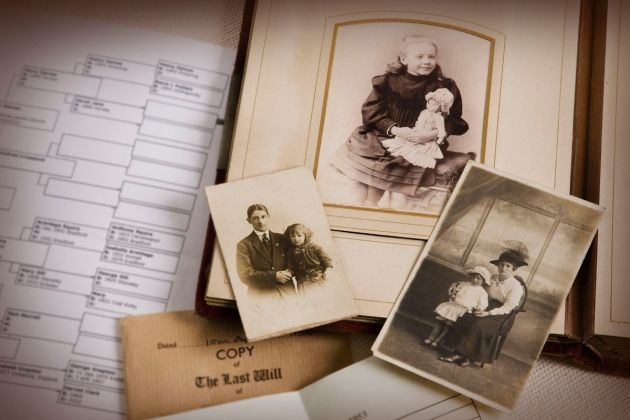
It is well known that identical twins can grow into very different adults, and not just with respect to their personalities: physical differences become increasingly apparent with age. These are usually attributed to differences in environment. The girls' differences were profound and there from birth.

Resolving this mystery is helping to explain not just why identical twins can be different, but why we all turn out as we do. For over a century, the orthodoxy has been that we are the product of both our genes and our environment. Although there has been fierce argument about which is more important - the nature versus nurture debate - biologists have agreed that it must be a mixture of the two. But the latest findings suggest there is more to it: if we could reset the clock to the moment you were conceived and rerun your life over and over again, you would turn out differently every time despite having the same genes and being brought up in the same environment. Yet how is that possible? What else can there be besides nature and nurture?

Comment: For other speculations, see On viral 'junk' DNA, a DNA-enhancing Ketogenic diet, and cometary kicks


Info

Religious people, Business majors and children of divorce are the biggest liars

Graduates
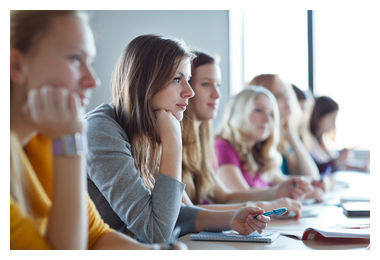
© AP Photo/dapd/Nigel TreblinLiars in waiting.

A new Canadian study concludes that the people most likely to lie for monetary gain are the children of divorce, business majors, and - perhaps most surprisingly - the religious.

The study, conducted by Jason Childs of the University of Regina, recruited 400 students from introductory economics classes at his university. Each pair was separated. One student, the "sender" was told that she was to provide her partner (the "receiver") in the other room with a set of cash amounts. The "receiver" then would choose the amount she preferred to take home, leaving the other portion to the "sender." In some cases the options were $5 and $7; in others $5 and $15.

Either way, the sender would have to make a decision: Tell her partner the real amounts - so that the partner would presumably select the higher amount - or lie to her partner and take the greater portion. Just over 50% of all participants lied.

Even more interesting is who chose to lie.

Men and women did not differ significantly, while the children of divorce took the lead spot in duplicity, electing to lie to their partners at a rate 29.3% higher than the group average. Next up were the business majors with a rate of lying that was 18.1% higher than all the other majors combined. "It could be that these students are more prone to lying by nature or training," writes Childs. "It could also be that individuals strongly motivated by financial returns, and therefore more likely to lie for a monetary payoff, are more likely to pursue an education in business."

What's more, the researchers found that one's likelihood for lying was directly proportional to reported religiosity and that their small sample of children raised by single parents (who separated amicably or were single due to death of a spouse) was significantly (39%) less likely to lie for financial gain.

Info

Space weather causes airline pilots, passengers to be exposed to radiation

Commercial Aircraft
© Netfalls - Remy Musser / Shutterstock
Thanks to space weather, airline pilots absorb approximately as much radiation over the course of a year as a nuclear power plant employee, NASA officials revealed on Friday.

In fact, according to the US space agency, pilots are classified as "occupational radiation workers" by the Federal Aviation Administration (FAA) because they fly at heights where there is little atmosphere to protect them from cosmic rays and solar radiation.

For example, NASA officials said that during a typical polar flight from Chicago to Beijing, pilots are exposed to roughly as much radiation as if they had received a pair of chest x-rays. Over the course of their career, this can increase their risk of developing cataracts or even cancer - and passengers could also be similarly affected.

"A 100,000 mile frequent flyer gets about 20 chest x-rays," no matter what the latitude of those flights are, explained Chris Mertens, a senior research scientist at NASA's Langley Research Center. Of course, even non-flyers absorb some radiation from space weather, as cosmic rays and their by-products can reach Earth's surface and expose people at sea level to levels equal to receiving one chest x-ray approximately every 10 days.

Sherlock

Science stumped again: no such thing as a 'simple organism'

simple organisms
What may be the most thorough study ever of a single organism has produced a beta code for life's essential subroutines, and shown that even the simplest creatures are more complex than scientists suspected.

The analysis combined information about gene regulation, protein production and cell structure in Mycoplasma pneumoniae, one of the simplest self-sustaining microbes.

It's far closer to a "blueprint" than a mere genome readout, and reveals processes "that are much more subtle and intricate than were previously considered possible in bacteria," wrote University of Arizona biologists Howard Ochman and Raghavan in a commentary accompanying the findings, which were published last Thursday in Science.

M. pneumoniae has just one-fifth as many genes as E. coli, the traditional single-cell model organism. That makes it an ideal target for systems biologists who want to understand how cells function. To them, genome scans are just a first step. They don't explain when or why genes are turned on and off, or how different genes interact at different times, or how cellular "machines" use proteins produced by gene instructions.

Read more here.