

© ESA The 2013 Spheres competition trophy backdropped by replicas of the Spheres. The ultimate robot game challenges youngsters to write algorithms to control Spheres, short for Synchronised Position Hold, Engage, Reorient, Experimental Satellites. Spheres are volleyball-sized satellites that hover around the International Space Station using 12 jets powered by compressed gas. These autonomous robots have their own power, propulsion and navigation.
The Space Station was turned into a playing field for the finals. The ultimate robot game challenged youngsters to write algorithms that controlled the Spheres, short for Synchronised Position Hold, Engage, Reorient, Experimental Satellites.
The Spheres are volleyball-sized satellites that hover around the Station using 12 jets powered by compressed gas. These autonomous robots have their own power, propulsion and navigation.
Last Friday was the fourth time European contenders ran their commands in space, and each year the competition has grown. Over 140 European students joined the US competitors, writing code to redirect an incoming comet while taking space debris and limited laser resources into account.
European finalists met at the ESA Technical Centre in the Netherlands to follow the competition live from space. The US teams were connected at the Massachusetts Institute of Technology.







Comment: FINALLY!
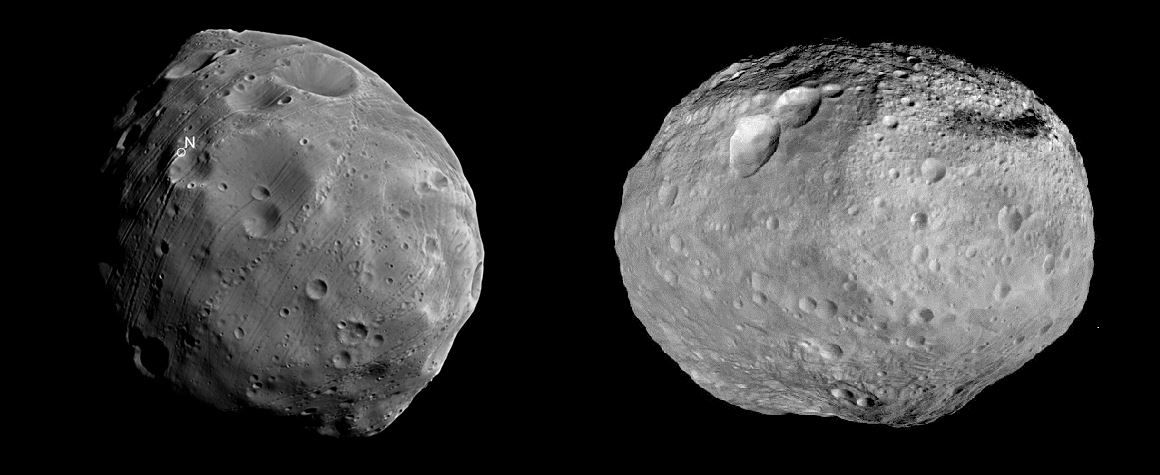
Now if they can just keep going until they realize that all space rocks are essentially the same - comets, asteroids, moons, meteors - just varied in size and electrical activity...
Solar system-wide 'climate change': Tally of Jupiter's moons goes up and down
NASA's Hubble sees 'asteroid' spouting six comet-like tails "dust radiating from it like spokes on a wheel"